.jpg "Hai Phong prioritizes preserving outstanding universal value of heritage")

Gửi bình luận
Drawing on its rich heritage, Hai Phong is gradually linking culture and tourism with trade, expanding markets for local products.
From heritage to commercial value
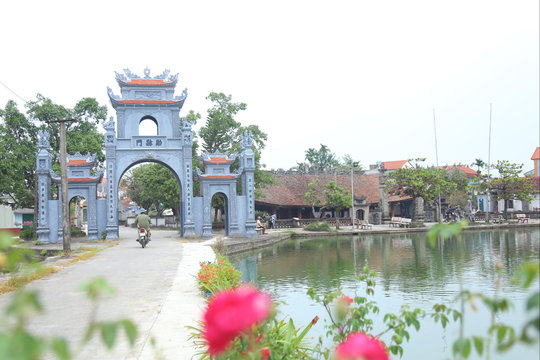
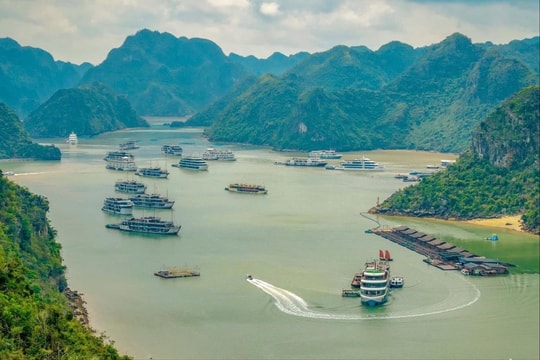
Hai Phong has a diverse cultural landscape stretching from the coastal and island areas of Cat Ba and Do Son to Con Son-Kiep Bac, Kinh Chu, Nham Duong and Thanh Mai, alongside a network of craft villages, local specialities and traditional festivals. These are not only tourism assets but also a foundation for developing commercial products that reflect the city's local identity.
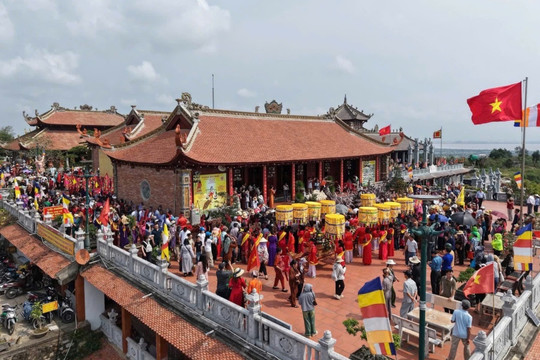
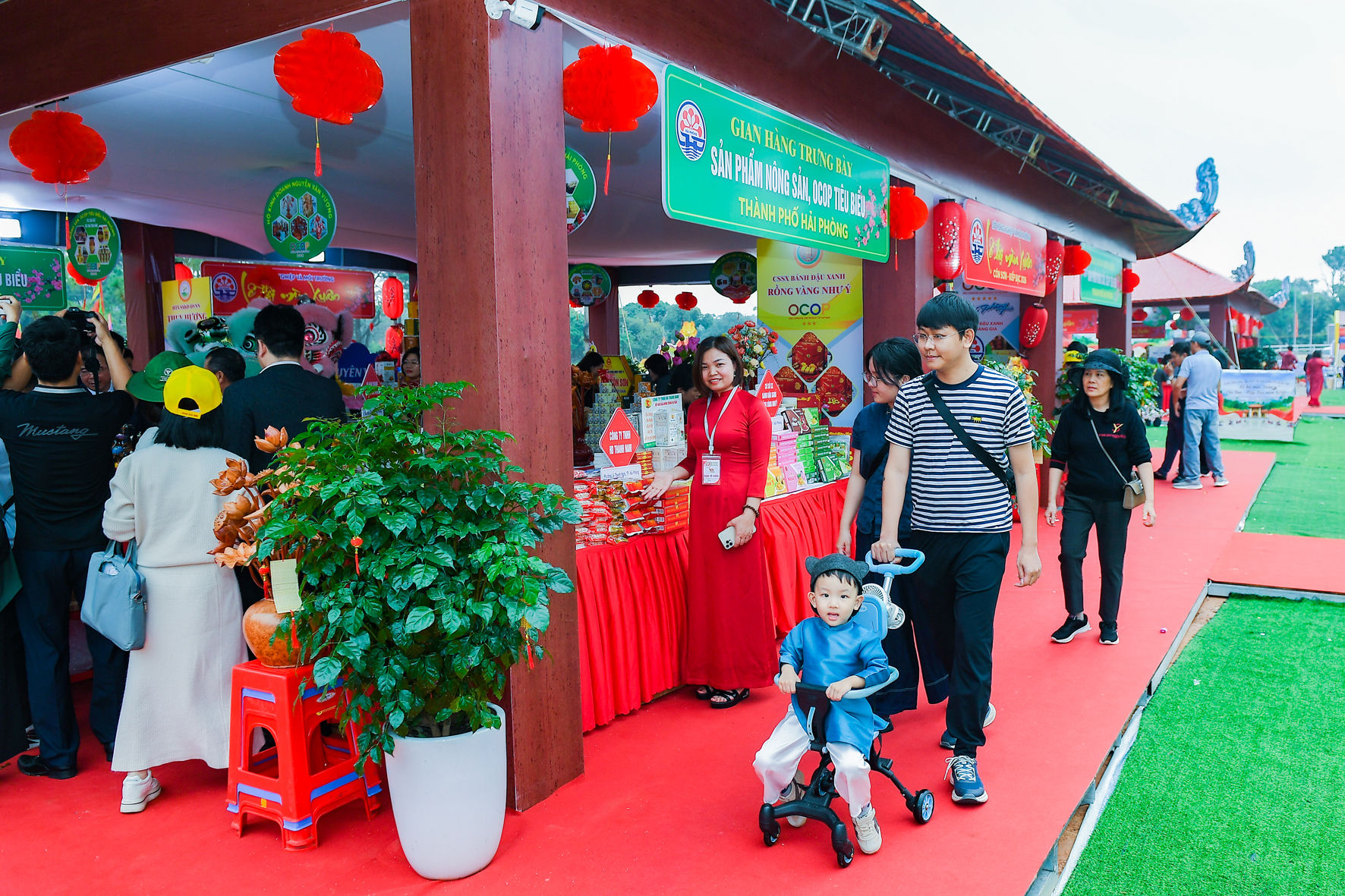
The Con Son-Kiep Bac Festival 2025 showed how this approach is taking shape. As part of the festival, the city held a Culture, Tourism and Trade Promotion Week, linking heritage preservation with tourism development and trade promotion. Alongside traditional ceremonies and artistic performances, the showcasing of tourism products, cuisine and local goods created opportunities for businesses to connect with authorities and residents. The Con Son-Kiep Bac Festival 2026 has continued to develop this model, combining heritage promotion with the showcasing of OCOP products, distinctive agricultural produce, traditional craft products, folk arts and traditional games.
The approach fits Hai Phong's strengths. According to city data, Hai Phong welcomed more than 8.72 million visitors in the first six months of 2026, up 15.7% from the same period in 2025, while tourism revenue reached about VND 10.425 trillion. Total retail sales of goods and consumer services revenue stood at about VND207.84 trillion, up 15.2%.
The figures show that visitor numbers and consumer spending in Hai Phong are growing strongly. The question is how festivals can become an effective link in that value chain.
Hai Phong also benefits from a broad range of OCOP products. According to the Hai Phong Cooperative Alliance, as of March 2026 the city had 913 OCOP products, including eight rated five-star at the national level. These products can be directly linked to festivals.
According to Hai Phong People's Committee Vice Chairman Nguyen Minh Hung, organising trade and tourism promotion weeks during festivals not only creates highlights and helps promote the outstanding value of heritage, but also opens up opportunities for businesses and investors to connect and cooperate with authorities and local residents.
From an economic perspective, this represents an important shift: festivals are no longer simply venues for cultural activities but can also become platforms connecting different players in the local economy.
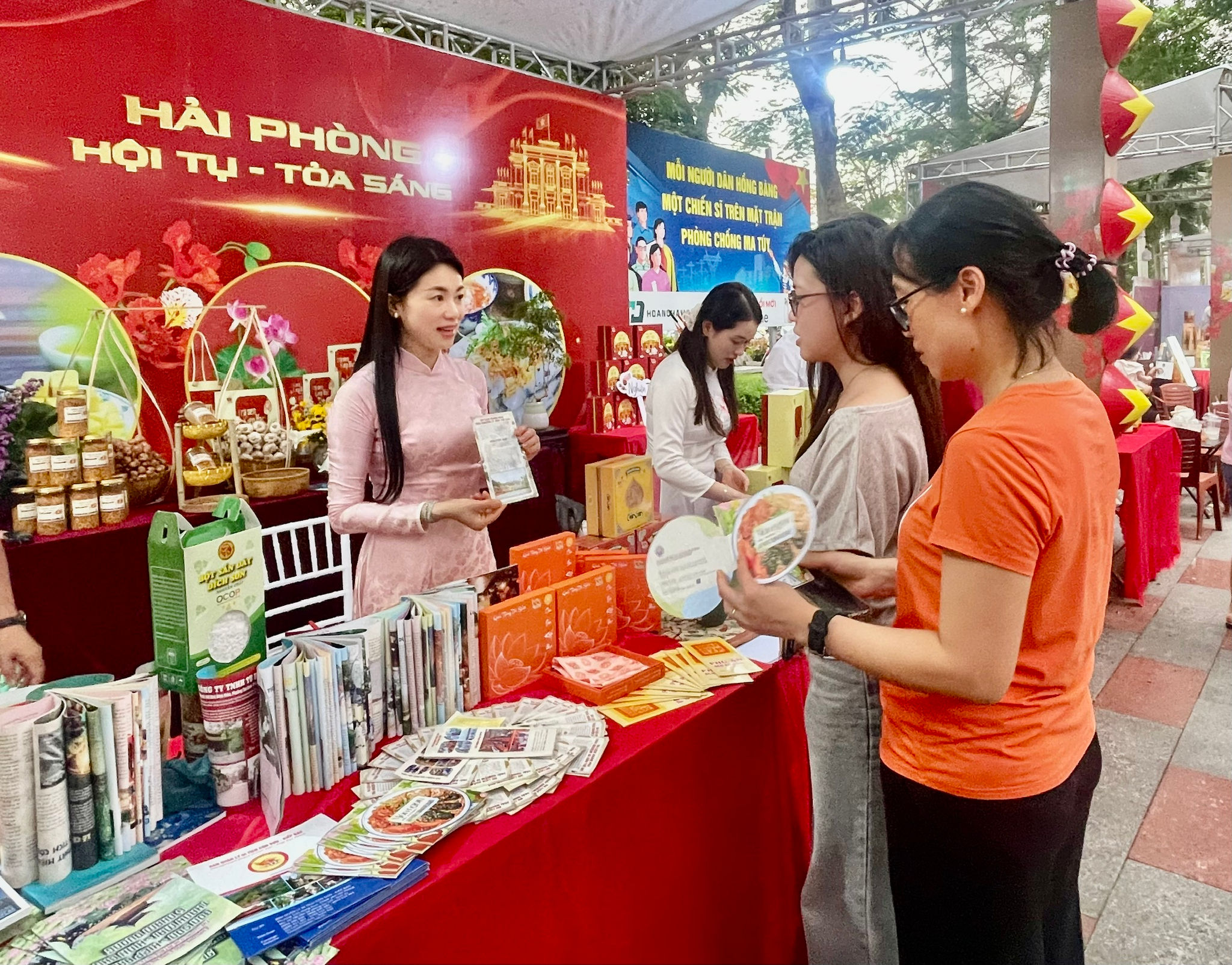
Hai Phong already has a diverse range of products, but quality, design, packaging, traceability and producers' ability to market them remain uneven. The city's continued review and assessment of OCOP products in 2026, with a focus on quality, packaging, labelling, traceability and legal documentation, shows the growing emphasis on improving product standards.
At the same time, links between festivals and businesses, tour operators and distribution networks need to be strengthened. According to Pham Hai Quynh, director of the Asian Institute for Tourism Development in Hanoi, a festival that attracts hundreds of thousands of visitors but generates revenue only within the festival area has limited economic value.
Against this backdrop, Hai Phong needs to develop a cultural-commercial product map for each festival. Each event should clearly identify its flagship products, cultural stories, target customer groups and related service chains that can be connected.
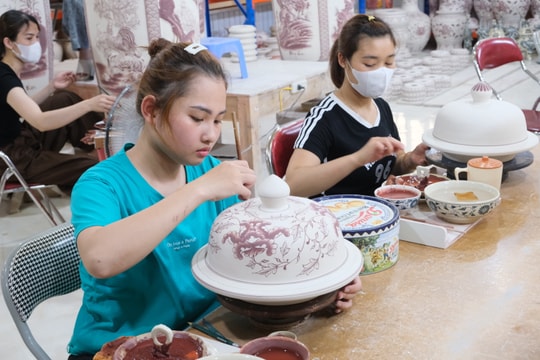
Commercial spaces at festivals should also be made more professional. Stalls should not merely display and sell products but also serve as experience spaces. Visitors could watch artisans at work, try products themselves, learn about their origins, scan QR codes to find out more about production areas and place orders after the festival ends.
Hai Phong has significant potential to turn traditional festivals into “economic meeting points”. When each festival not only helps residents reconnect with their roots but also enables visitors to learn more about local products, businesses to find partners, producers to expand their markets and local communities to gain additional livelihoods, culture can truly become a resource for development.
Hai Phong News