.jpg "Turning Hai Phong into international logistics hub in Northern Vietnam")



Gửi bình luận
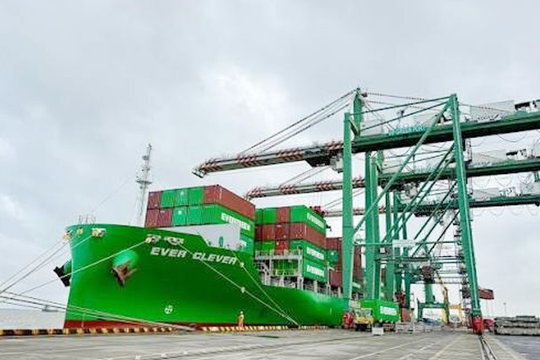
Greening the supply chain is a mandatory requirement for Hai Phong to achieve Net Zero by 2050 and maintain its competitive edge.
High demand for investment
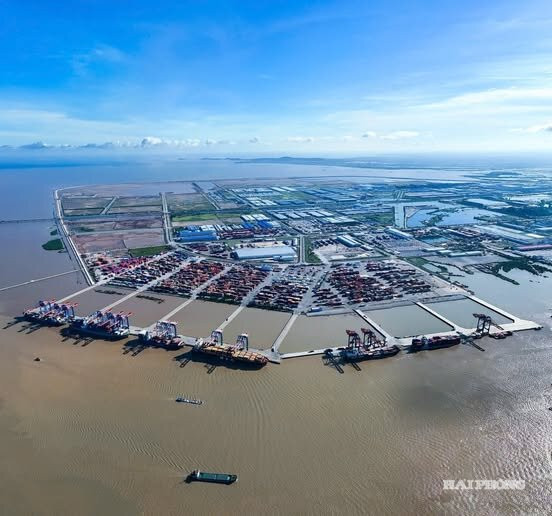
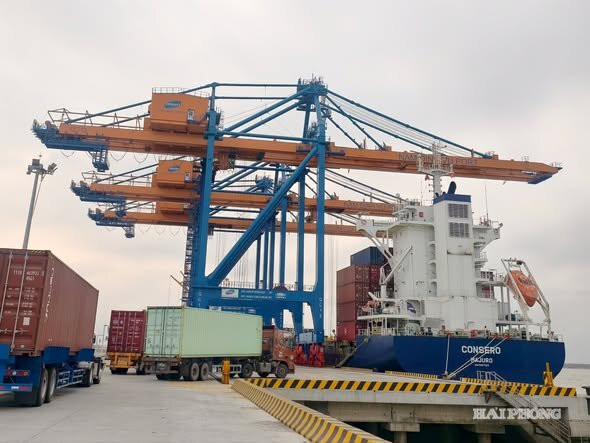
As an international logistics gateway and one of Vietnam's leading marine economic hubs, Hai Phong has more than 700 hectares of warehouses and storage facilities, with logistics services having maintained an average annual growth rate of 20-23%, contributing 13-15% of the city's GRDP.
Along with this strong growth, pressure to reduce carbon emissions, save energy and optimize operating costs has become an urgent requirement for logistics businesses toward building a green, modern port city.
In practice, green credit packages have been introduced in Hai Phong and are gradually being rolled out in the agricultural sector. However, in logistics and for low-emission transport vehicles, green credit is still at an early stage, with many difficulties yet to be addressed.
For green credit packages to truly become a “catalyst,” these capital flows need to be backed by more practical mechanisms from credit institutions, such as easing collateral requirements for electric vehicles and allowing principal repayment grace periods during the initial transition, combined with direct support policies from the city on taxes or charging-station infrastructure.
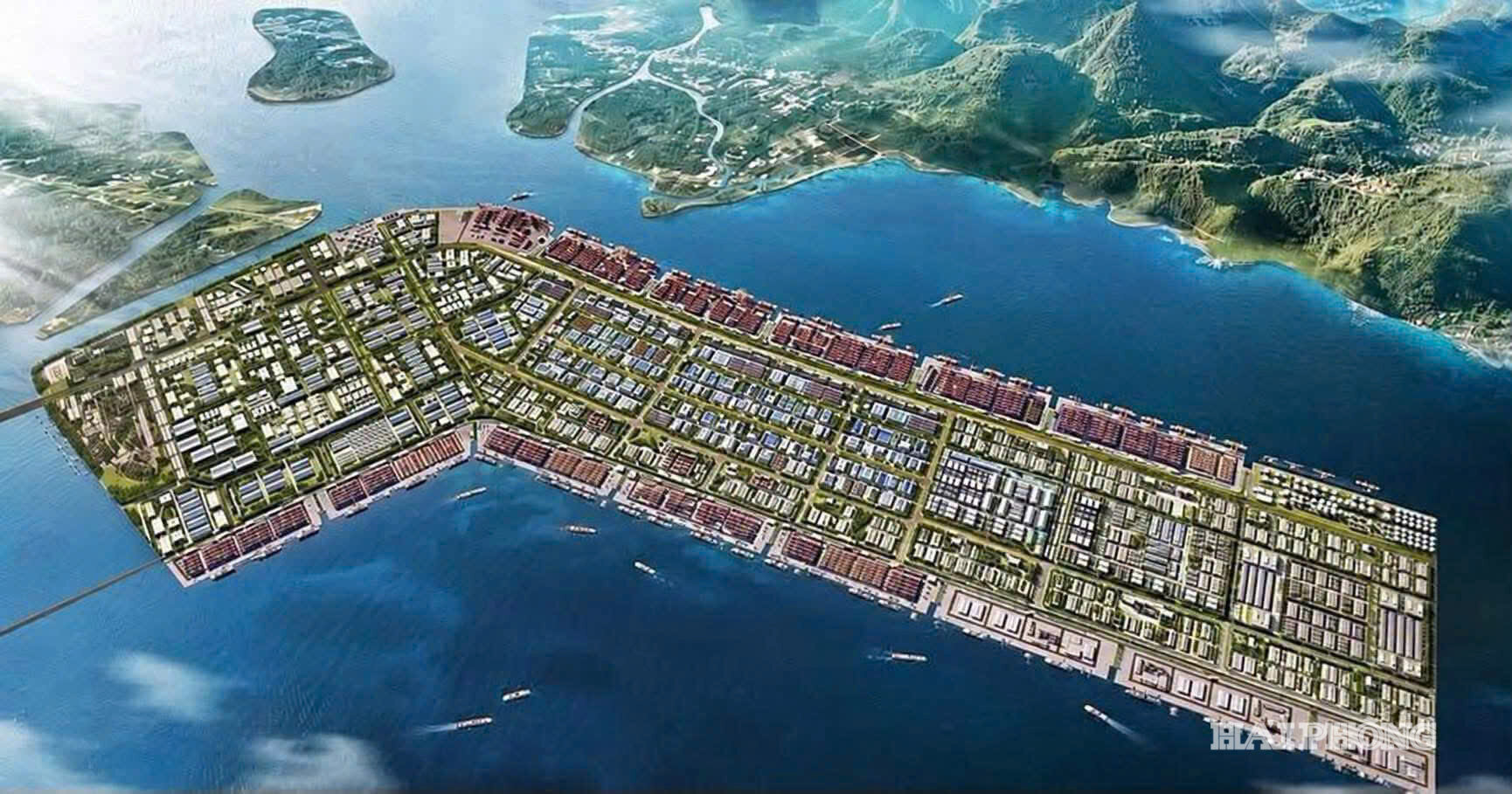
From a practical perspective, many logistics businesses say that the main barriers stem from the lack of loan guarantee mechanisms and medium- and long-term credit packages with suitable interest rates.
The lack of specific technical standards defining what constitutes “green warehouses” or “clean transport vehicles” also creates difficulties for credit institutions in assessing projects and managing risks.
Finance for green logistics chains
Dang Vu Thanh, Vice Chairman of the Vietnam Logistics Business Association, said financial policies for green logistics need to be designed as part of a comprehensive framework. This ecosystem must combine green credit, preferential tax policies, interest-rate support, technology innovation funds and, in particular, loan guarantee mechanisms.
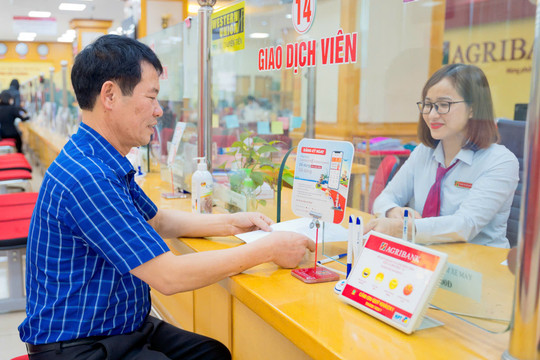
From the perspective of credit institutions, banking experts and managers say green financing cannot be disbursed mechanically. Citing practical experience, a representative of Nam A Bank said green finance should be approached in a way that shares risks and supports businesses in carrying out the transition, rather than providing funding only for projects that have already fully met green criteria.
To unlock green credit for the logistics sector, State management agencies first need to promptly complete the legal framework and issue a green taxonomy and specific quantitative criteria for the sector. This will provide an important legal basis for credit institutions to confidently assess projects, disburse funds and control capital flows.
Alongside capital sources, improving infrastructure and accelerating the digitalization of public services also play an important supporting role. The customs sector and relevant agencies should step up the use of digital technologies, artificial intelligence (AI), big data and the Internet of Things (IoT) in cargo clearance procedures at seaport border gates to shorten processing time, optimize travel routes, reduce fuel consumption and cut costs for enterprises.
When green credit flows are properly unlocked, logistics in key hubs such as Hai Phong can not only overcome immediate financial barriers but also make strong breakthroughs and emerge as a model in the country's sustainable development strategy.
THU HANG