
Gửi bình luận
The Food Safety Authority has urged local authorities and relevant agencies to strengthen controls over counterfeit food products, substandard food, and food of unknown origin.
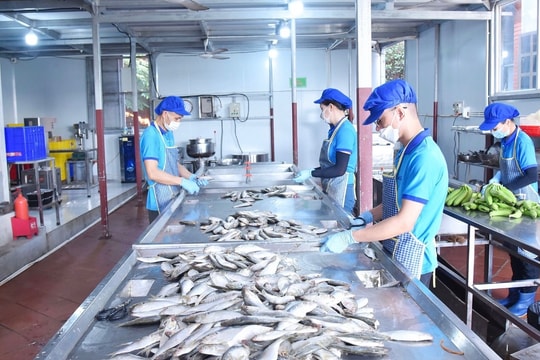
The Food Safety Department under the Ministry of Health has recently issued an official document to local Departments of Health and provincial and municipal Food Safety Sub-Departments, requesting closer coordination with relevant authorities to strengthen oversight of food production, trading, and advertising activities.
Accordingly, the Food Safety Department has urged local authorities and relevant agencies to intensify controls over counterfeit food products, substandard food, and food of unknown origin. Particular attention should be given to dairy products, dietary supplements, health supplements, foods intended for children, the elderly, and other vulnerable groups. Authorities are required to promptly collect samples, trace product origins, strictly handle violations, and refer cases to competent authorities when criminal offenses are suspected. They are also instructed to continue implementing the Ministry of Health’s directives on strengthening inspections, handling food safety violations, and carrying out post-market surveillance activities in 2026.
The agencies are also required to enhance public communication efforts in a practical, easy-to-understand manner targeted at high-risk groups. Communication activities should help consumers and food producers and traders recognize, select, store, and use food safely.
Particular attention should be paid during hot weather conditions, when the risks of cross-contamination, food spoilage, and food poisoning increase at collective kitchens, food service establishments, and street food vendors. The authorities recommend that consumers avoid using products that are expired, have deformed, swollen, dented, rusted, or damaged packaging, or display unusual colors, odors, or tastes. Food business operators are also urged to strengthen their responsibility for maintaining hygiene standards in food processing and trading facilities.
The agencies are further instructed to continue implementing regulations on strengthening the management of functional food advertising, conducting post-market inspections of food and health supplement advertisements, and reviewing labeling and advertising practices for dietary supplements within their jurisdictions.
Inspection and post-inspection activities should continue to follow a risk-based management approach, with priority given to collective kitchens in industrial zones, school cafeterias, ready-meal suppliers, restaurants, food service establishments, street food vendors, markets, supermarkets, convenience stores, and online food businesses.
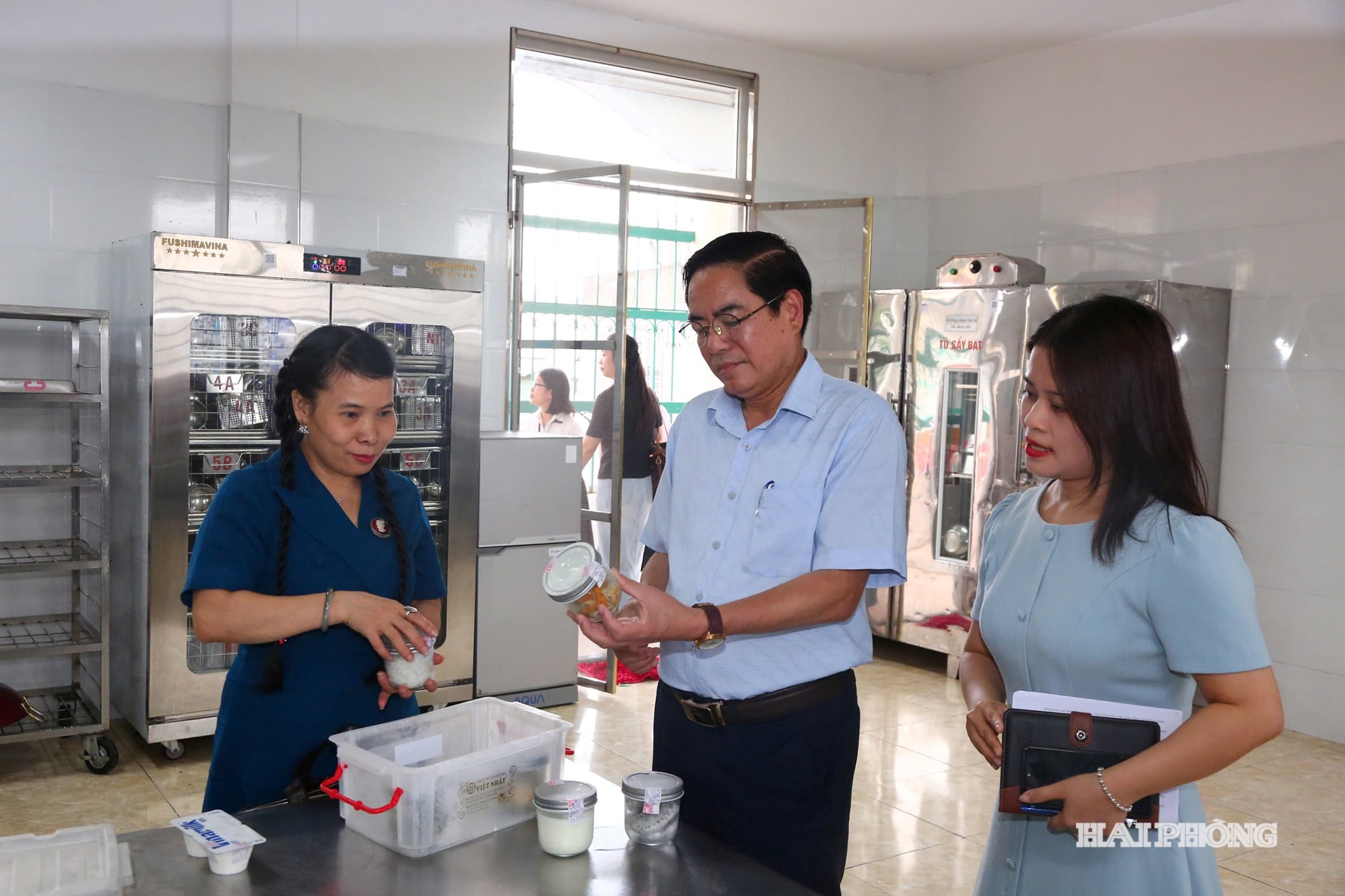
Inspections should focus on substantive issues, including sanitary conditions at facilities, the origin of raw materials, food supply contracts, storage conditions, expiration dates, implementation of the three-step food inspection process, food sample retention practices, and the health status and food safety knowledge of personnel directly involved in food processing and trading. Compliance with relevant Ministry of Health guidelines should also be assessed.
The Department also requested stronger cooperation with the police, market surveillance authorities, and other relevant agencies to establish effective mechanisms for monitoring food production, trading, and advertising activities, particularly the online advertising of health supplements. Any violations detected during inspections and post-market surveillance activities should be dealt with strictly in accordance with the law.
Hai Phong News