

Gửi bình luận
Reorganising networks along economic corridors, connecting different modes of transport, standardising integrated infrastructure and sharing digital data are key to cutting logistics costs.
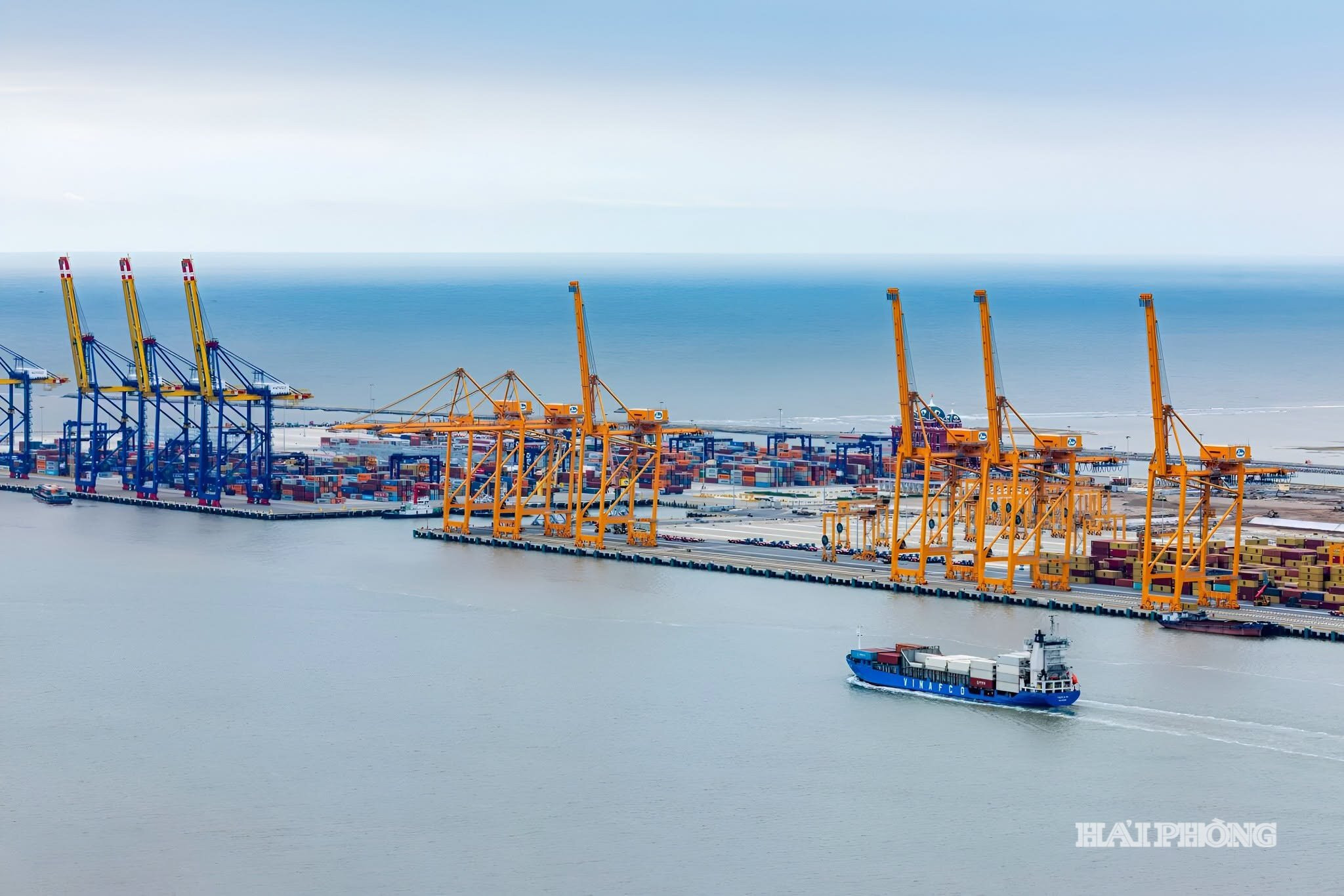
Organising logistics networks around economic corridors
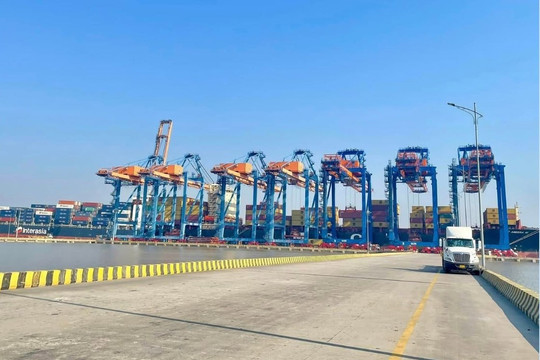
Hai Phong is Northern Vietnam’s leading maritime gateway, with its seaport system continuing to expand. In 2025, cargo throughput at Hai Phong’s seaports exceeded 115.6 million tons. In the first nine months of 2026, it reached 90 million tons, up 6.7% year on year.
According to an assessment by the Hai Phong Logistics Association, despite continued improvements in cargo handling and transport capacity, logistics costs in Vietnam overall and the Red River Delta in particular remain high, at around 16% of GDP. This underscores the need for coordinated solutions to strengthen regional links, integrate infrastructure and digitalise supply chains.
Speaking at the seventh Regional Logistics Forum, Bui Nguyen Anh Tuan, Deputy Director General of the Agency for Domestic Market Surveillance and Development, said that creating new development opportunities for logistics in the Red River Delta required more than expanding roads, ports and warehouses. More importantly, the region needed to reorganise its networks, connect different modes of transport, standardise infrastructure and improve the regulatory framework. These measures would help speed up cargo movements, reduce costs and environmental impacts, and strengthen links with regional supply chains.
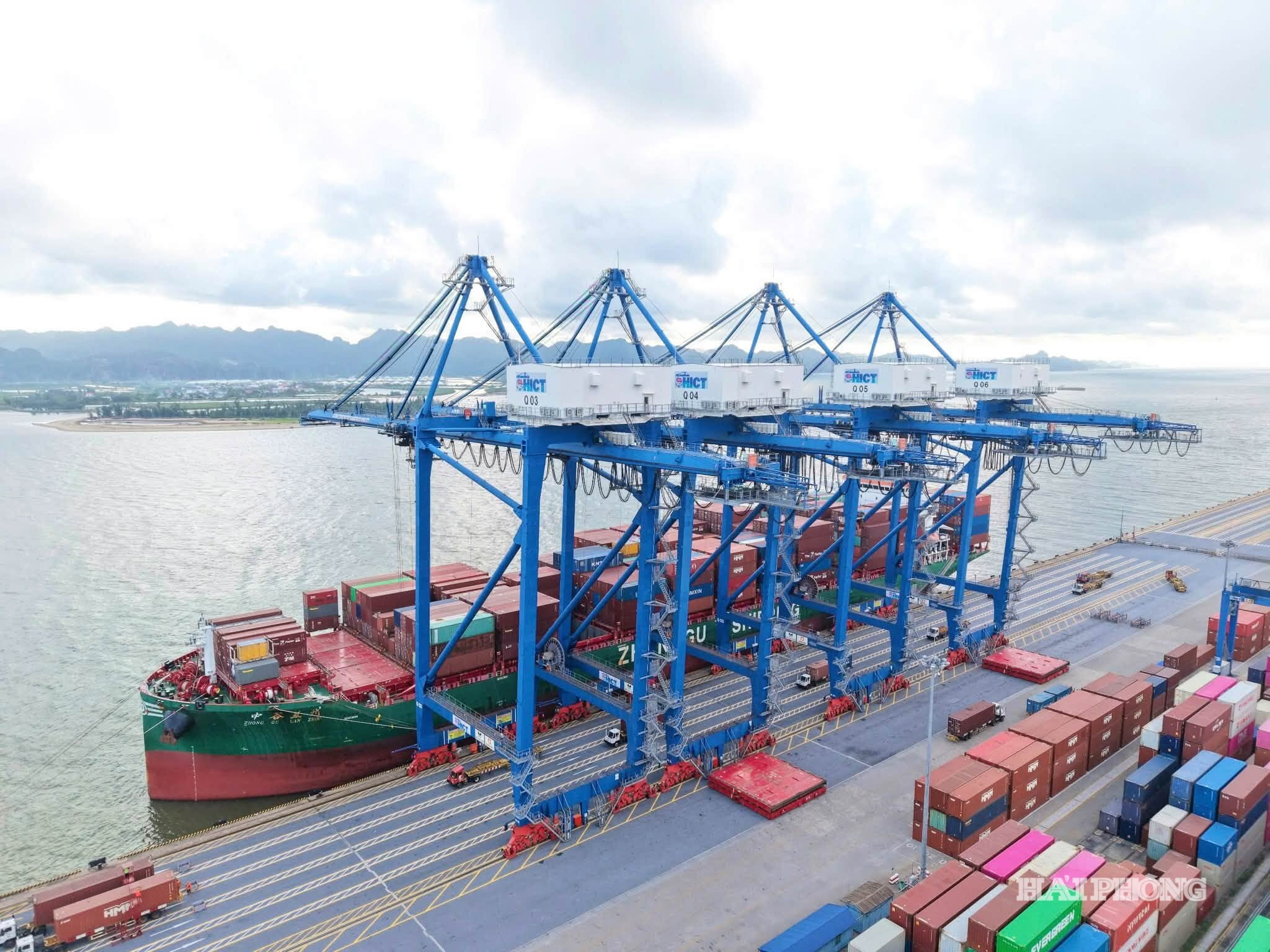
Alongside planning transport networks around key corridors, removing bottlenecks at intermodal connections is also crucial to shortening transit times and reducing storage and handling costs.
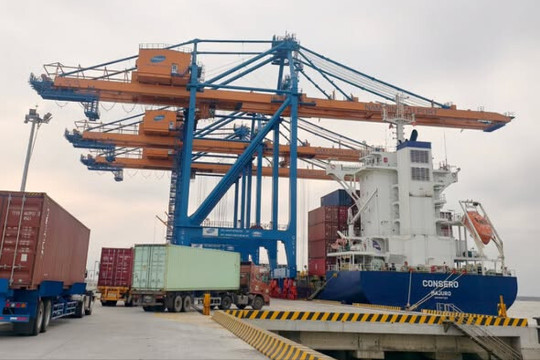
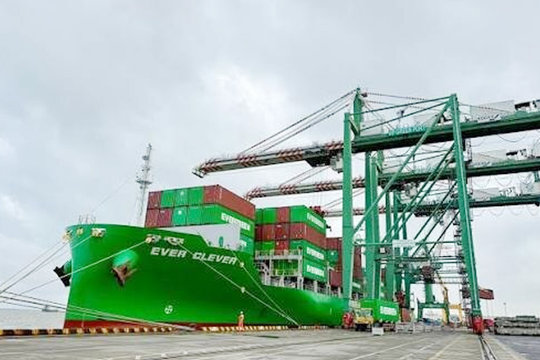
In Hai Phong, the Lach Huyen deep-water port complex and the river port system can accommodate large container vessels. However, connections between seaports and inland waterways and railways remain underdeveloped relative to the ports’ capacity.
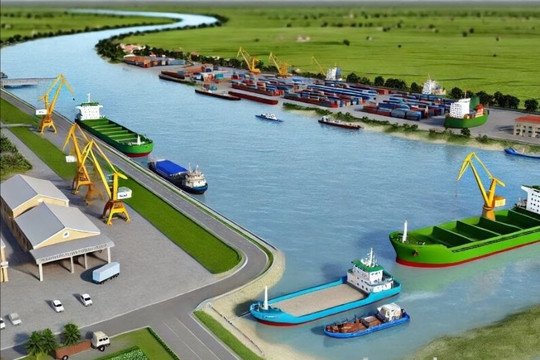
Standardising infrastructure at connections between seaports, railways, waterways and roads would therefore help different modes of transport work together more efficiently. With lower costs and the capacity to carry oversized and heavy cargo, inland waterway transport could ease pressure on roads, reduce the burden on road infrastructure and cut greenhouse gas emissions.
Vietnam’s Logistics Services Development Strategy for 2025–2035, with a vision to 2050, sets a target for the value added of logistics services to account for around 5–7% of GDP by 2035, with average annual growth of 12–15% and logistics costs reduced to 12–15% of GDP.
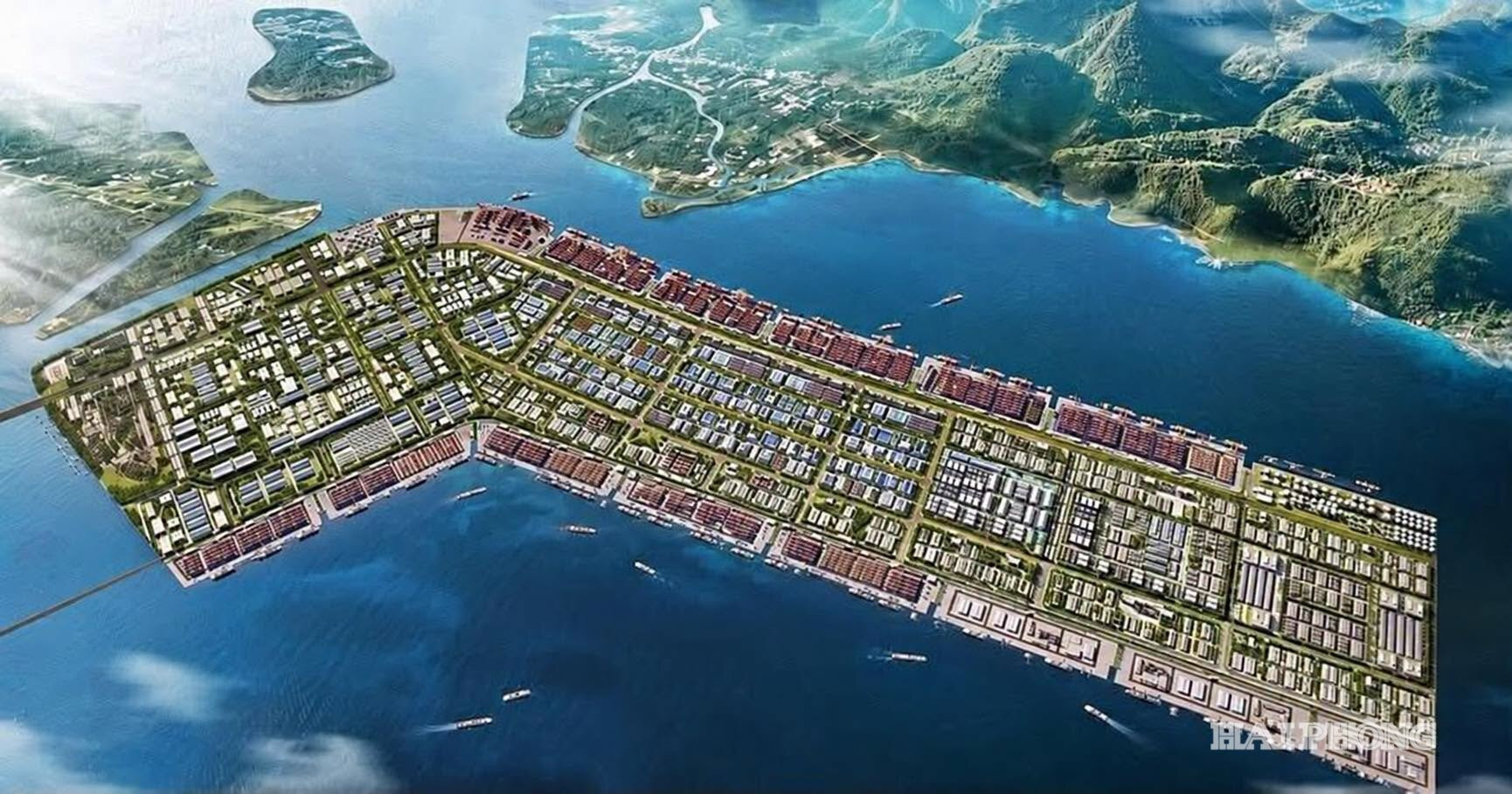
To achieve these targets, the Agency for Domestic Market Surveillance and Development is advising on a proposal to develop Vietnam’s logistics hub network through 2035, with a vision to 2050, as well as a circular setting out criteria for classifying and grading logistics hubs. The proposal will outline the nationwide network, while the circular will establish common criteria for classifying and grading the hubs.
The draft circular aims to establish a consistent set of criteria nationwide. Classification will take into account not only warehouse space but also each centre’s role in the network, functions, infrastructure connectivity, development of green and smart logistics, and local conditions. A key principle is that organisations will assess their own performance, publish the results and update their information in Vietnam’s logistics database, without creating additional administrative procedures or new business investment conditions.
Together, these two measures are intended to move away from the assumption that every locality needs to build a large-scale logistics hub. Not every locality needs a national-level hub. The priority is to define each centre’s location and role within the network, the cargo flows it serves and its links to economic corridors.
Hai Phong News