.jpg "Two-tier local government brings administration closer to the people")
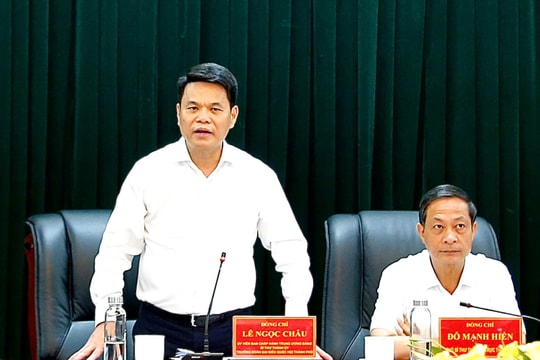
-b496ac1f5694d79efa47d0c5d5b5b067.jpeg "Ensuring smooth, synchronous operation of two-tier local government: Hai Phong Party chief")

Gửi bình luận
After one year of operating the two-tier local government model in Hai Phong, practical experience has highlighted the need to continue merging commune-level administrative units in order to expand development space.
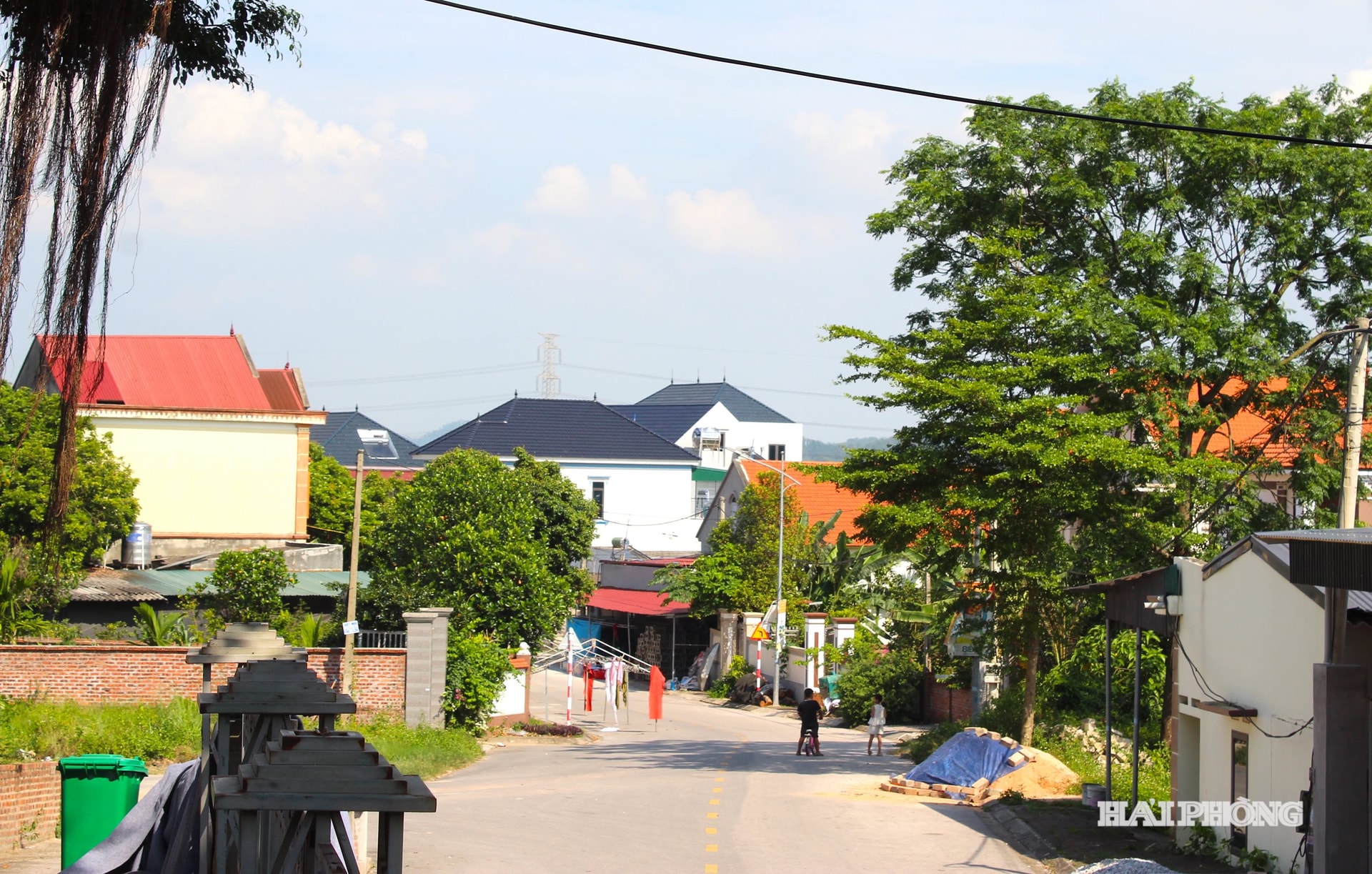
After one year of operating under the two-tier local government model, Hai Phong City has achieved many notable results, demonstrating the advantages of the current organizational structure. However, certain shortcomings still remain.
In its report reviewing one year of implementing the overall organizational model of the political system and the two-tier local government model, the Standing Committee of the Hai Phong Party Committee proposed that the Central Committee, the Politburo, and the Secretariat direct relevant authorities to “study the reorganization of commune-level administrative units on a broader scale, not only for those that fail to meet the criteria for natural area and population size, in order to expand development space, enhance regional connectivity, and improve the capacity to concentrate resources for local development.”
Located in the central area of the former Chi Linh City, Chu Van An Ward was established through the merger of the entire natural area and population of Sao Do, Van An, Chi Minh, and Thai Hoc wards, along with part of the natural area and population of Cong Hoa Ward and part of the natural area of Van Duc Ward.
Currently, the ward has a natural area of 40.86 square kilometers and a population of more than 56,000 people. Its socio-economic development is driven primarily by the trade and service sectors.
However, local leaders believe that the ward's current development space remains limited compared to practical needs. Its resources, development potential, and capacity to attract investment for socio-economic growth are constrained. This has significantly affected the ward's ability to proactively formulate and implement long-term development policies and create breakthroughs in socio-economic development.
According to Mr. Nguyen Tuan Hung, Secretary of the Ward Party Committee and Chairman of the People's Council of Chu Van An Ward, after one year of operating under the two-tier local government model, the Ward Party Committee has proposed that competent authorities continue reorganizing commune-level administrative units in a way that expands development space. This would help streamline the administrative apparatus, reduce staffing levels, make more effective use of qualified officials, civil servants, and public employees, and improve local governance capacity.
The proposal is also expected to reduce recurrent expenditures, make more effective use of land resources, create additional room for development, maximize the advantages of the two-tier local government model, and improve the quality of services provided to residents and businesses.
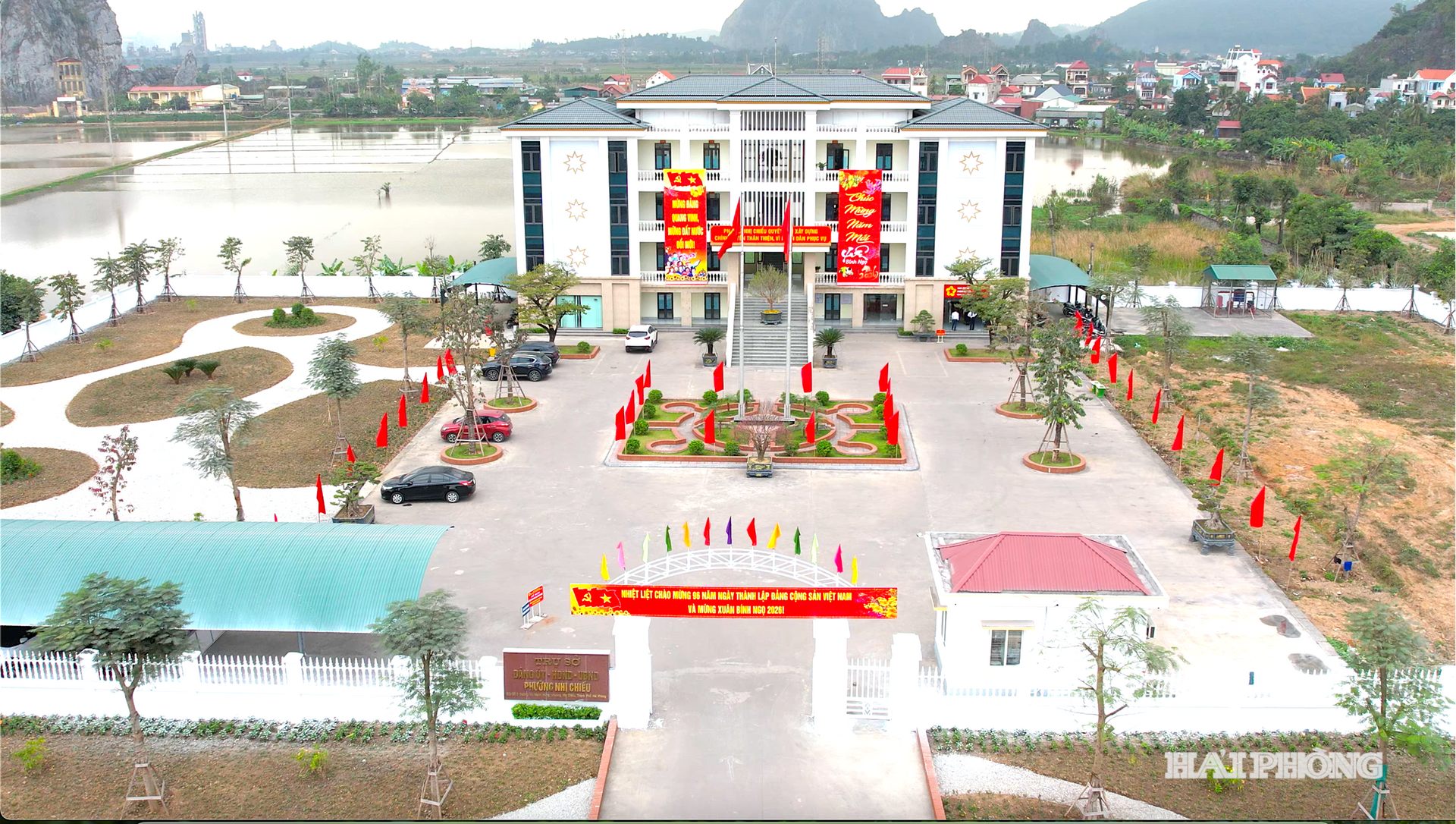
From 1 July 2025, the former Kinh Mon Town was reorganized into seven wards and communes. The town's officials and civil servants were reassigned to work in these seven newly established commune-level administrative units, including Nhi Chieu Ward.
After receiving and integrating officials and civil servants from four wards, as well as officials, civil servants, and public employees from the former Kinh Mon Town administration, the ward was allocated a total staffing quota of 680 positions for 2026, including civil servants, public employees, and contract workers.
As of 29 April, the ward had assigned 686 positions for civil servants, public employees, and contract workers.
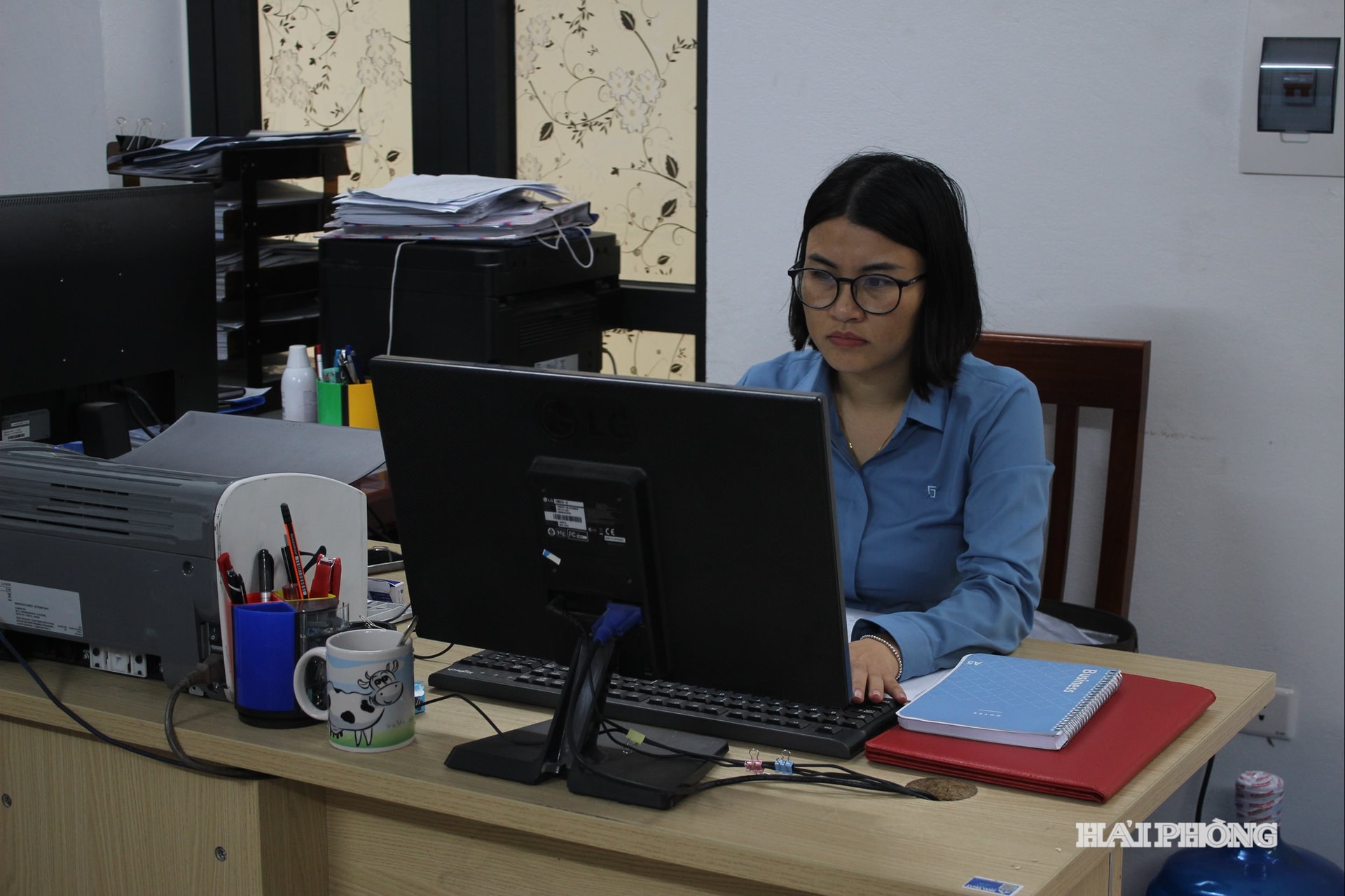
Although Nhi Chieu Ward has long been home to a well-developed industrial sector centered on heavy industries and benefits from convenient transportation, trade, and regional connectivity, it continues to face challenges due to limitations in its workforce of officials and civil servants.
After one year of operation, the Standing Committee of the Ward Party Committee assessed that the division of the former district-level administrative unit into multiple wards and communes had led to a shortage of civil servants to carry out specialized duties. The most acute shortages are in areas such as land administration, mineral resources, environmental management, finance, investment, information technology, urban planning and construction order management, and inspection and supervision.
According to Mr. Bui Xuan Loc, Secretary of the Ward Party Committee and Chairman of the People's Council of Nhi Chieu Ward, the ward is currently facing difficulties because the capabilities of its officials and civil servants are uneven, and there is also a shortage of qualified personnel who can be appointed to higher leadership positions within the two-tier local government model. The Standing Committee of the Ward Party Committee has therefore proposed that the Hai Phong Party Committee, People's Council, and People's Committee study and recommend to the central authorities a review and reorganization of wards and communes that remain inadequate in terms of area, population size, socio-economic conditions, security, and national defense requirements. The proposal calls for a broader approach to administrative reorganization in order to streamline the system and improve the quality of officials and civil servants in each commune-level administrative unit.
This situation is also being experienced by a number of other wards and communes in Hai Phong after one year of operating under the two-tier local government model.
These practical challenges have been reviewed, assessed, and acknowledged by the Standing Committee of the Hai Phong Party Committee, which has also proposed that the central authorities consider a broader reorganization of commune-level administrative units to ensure greater balance and expand development potential in terms of geography, socio-economic conditions, and human resources for wards and communes within the two-tier local government system.
Phong Tuyet