.jpg "Hai Phong accelerates social housing development in early 2026")

Gửi bình luận
Raising the income ceiling for purchasing or rent-to-own social housing will create opportunities for middle-income earners to access social housing.
.jpg)
Recently, the Ministry of Construction proposed amendments to regulations in Decree No. 100/2024 (revised under Decrees No. 261/2025 and No. 54/2026), aiming to significantly raise the income ceiling for those eligible to buy or lease-purchase social housing. This is not merely a routine adjustment but a notable policy shift, reflecting efforts to narrow the gap between actual housing demand and the conditions for urban residents to access housing.
Previously, social housing was primarily intended for low-income groups. However, reality in major urban areas such as Hai Phong shows that a considerable number of middle-income workers, civil servants, engineers, and skilled laborers fall into a “policy gap”: their incomes are insufficient to afford commercial housing but exceed the threshold required to qualify for social housing.
Raising the income ceiling is therefore a necessary adjustment. Under revisions introduced in Decree No. 261/2025, the maximum income level eligible for purchasing social housing has been increased to about VND 20 million per month for individuals and VND 40 million per month for households—significantly higher than before. Local authorities may also flexibly adjust these levels in line with actual living standards.
This change indicates a shift in policy thinking—from providing minimum social welfare support to expanding opportunities for home ownership, a transition with long-term significance.
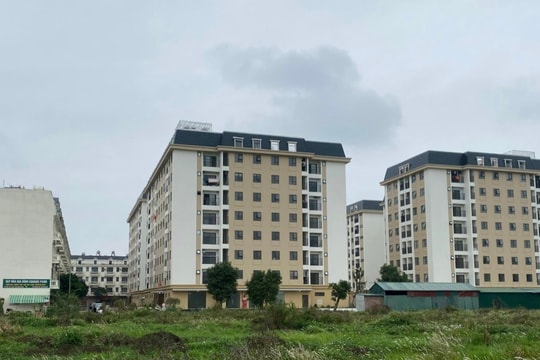
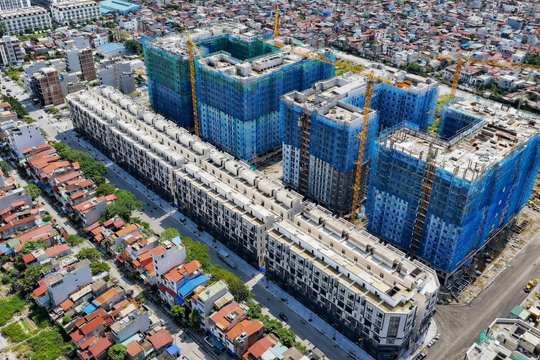
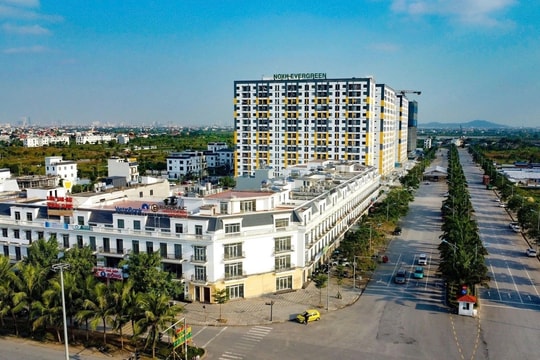
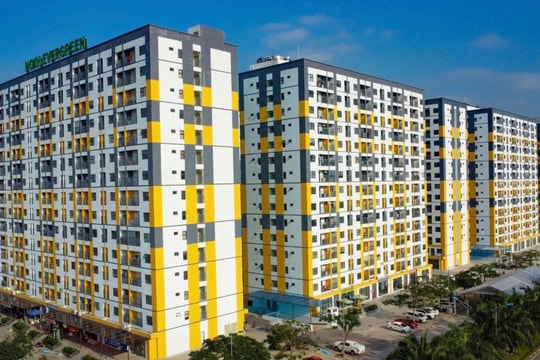
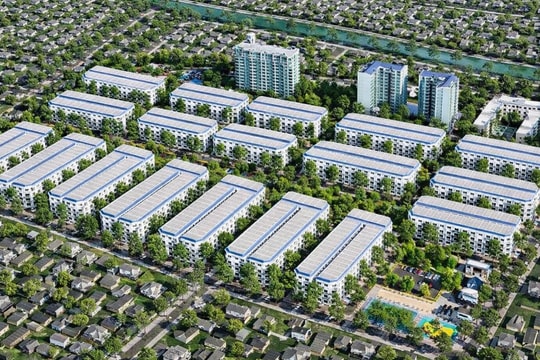
In reality, urbanization in Hai Phong is progressing rapidly, accompanied by strong development in industrial parks such as Trang Due, VSIP, Deep C, Phuc Dien, Dai An, Ben Rung, as well as the city’s free trade zone and specialized economic zones. This has driven housing demand sharply upward. Young workers with stable incomes but limited savings are the group facing the greatest pressure. Meanwhile, Hai Phong currently has around 50 social housing projects either completed or under development, with a total scale of approximately 54,000–55,000 apartments.
In practice, many people earning between VND 15–25 million per month—a relatively common income level in the city—have been almost entirely excluded from the social housing market. Commercial housing prices continue to rise, while the eligibility conditions for social housing remain too restrictive.
Therefore, raising the income ceiling will allow a large number of workers in Hai Phong to gain broader access to social housing. This presents an opportunity for the city to address the challenge of providing stable housing for its skilled workforce while retaining human resources essential for industrial and service-sector development.
However, expanding eligibility does not mean loosening controls. One major concern is the risk of “policy deviation,” where those with better financial conditions may take opportunities away from truly disadvantaged groups.
Recent amendments have partly addressed this issue. Decree No. 54/2026 introduces mechanisms for income declaration, commitment, and post-verification, transferring income verification to commune-level police authorities to enhance transparency. This represents an important step in limiting policy abuse.
To ensure fairness, it is also necessary to further refine classification criteria and prioritize applicants based on housing hardship, family circumstances, and length of residence, rather than relying solely on income.
Another reality is that even if eligibility conditions are relaxed, opportunities will remain largely theoretical unless the supply of social housing increases accordingly. Therefore, the revised decrees also aim to simplify procedures and encourage businesses to participate in social housing development. To ensure the policy benefits the right people, relevant authorities need to take more proactive steps in land-use planning, administrative reform, and creating an attractive investment environment.
Raising the income ceiling for purchasing social housing is a step in the right direction, demonstrating the flexibility of policy in response to changes in the market and living conditions. It also offers an opportunity to reshape thinking about housing: not merely as support for the poor, but as a way to guarantee housing access for the broader workforce—the people who create value for urban economies. Social housing is not only a welfare solution; when workers can settle down and build stable lives, they are also able to contribute sustainably to the city’s long-term development.
Ha Vy