Gửi bình luận
More than 93 million mobile subscribers have completed identity verification, contributing to cleaner subscriber data, strengthening fraud prevention, and ensuring safer use of digital services.
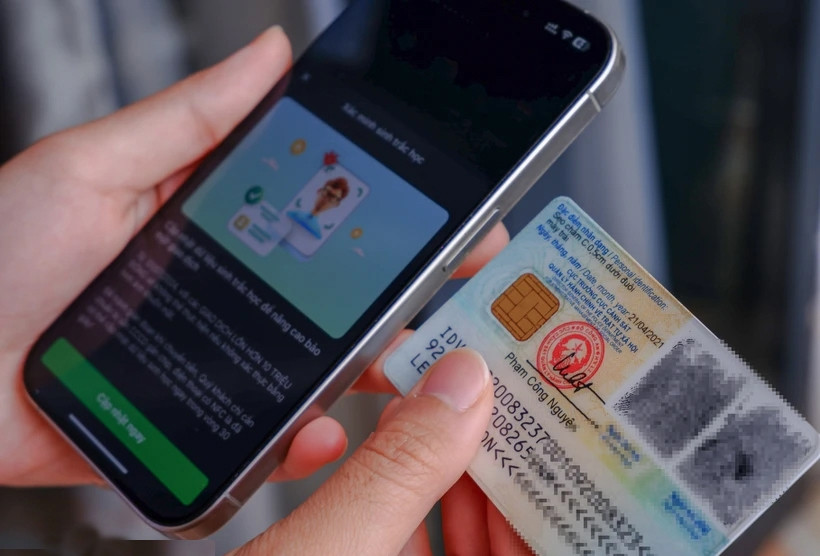
According to Circular No. 08/2026 on verifying registered information for mobile subscribers, the cross-checking of four groups of data—including personal identification number or citizen ID, full name, date of birth, and facial biometric data—is applied to newly registered subscribers, subscribers whose information does not match the national population database, or in cases of changes to subscriber ownership details, SIM replacement, or device changes.
According to the Department of Telecommunications, as of mid-June 2026, out of approximately 120 million mobile subscribers nationwide, more than 93 million have completed identity verification through VNeID and telecommunications providers’ platforms. Of these, more than 60 million subscribers have successfully completed biometric authentication.
Notably, through the verification function on VNeID, citizens have detected more than 1.6 million mobile numbers registered under their names but not actually in use. These numbers have been placed under handling in accordance with regulations to continue cleaning up the subscriber database.
However, ahead of the enforcement of service suspension penalties from June 15, 2026, a large number of subscribers have still not completed verification. Telecommunications companies have implemented various support measures for users, particularly in remote and mountainous areas and for the elderly.
According to Viettel Telecom, the company has deployed around 50,000 support points nationwide to assist approximately 5 million remaining customers. In addition to fixed service points, Viettel has also set up mobile verification units and home support services for elderly and disabled users via a toll-free hotline.
Meanwhile, VinaPhone said about 18 million subscribers have completed verification, while around 3 million still need to do so. The operator maintains more than 1,000 service points and about 4,000 mobile verification locations, while also coordinating with local authorities and public security forces to assist residents in remote, border, and island areas.
Experts say biometric-based identity verification cannot completely eliminate fraud but will significantly reduce risks such as SIM registration using fake documents or impersonation to take control of phone numbers for illegal activities. At the same time, standardized data will make it easier for users to reissue SIM cards, change SIMs, or restore services if devices are lost.
Under the regulations, subscribers who fail to complete verification on time will face progressive restrictions, including one-way service suspension, two-way suspension, and eventual number reclamation if non-compliance continues.
Standardizing subscriber information not only improves state management efficiency but also contributes to a more transparent and secure telecommunications environment. Fully verified subscriber data will provide a foundation for the development of safer and more sustainable digital services, while enhancing the prevention of cybercrime and better protecting users’ rights.
Hai Phong News