
Gửi bình luận
Despite the pace of modern life, Vietnam’s traditional Lunar New Year continues to return each year with its full colors and emotions.
Tet means coming home
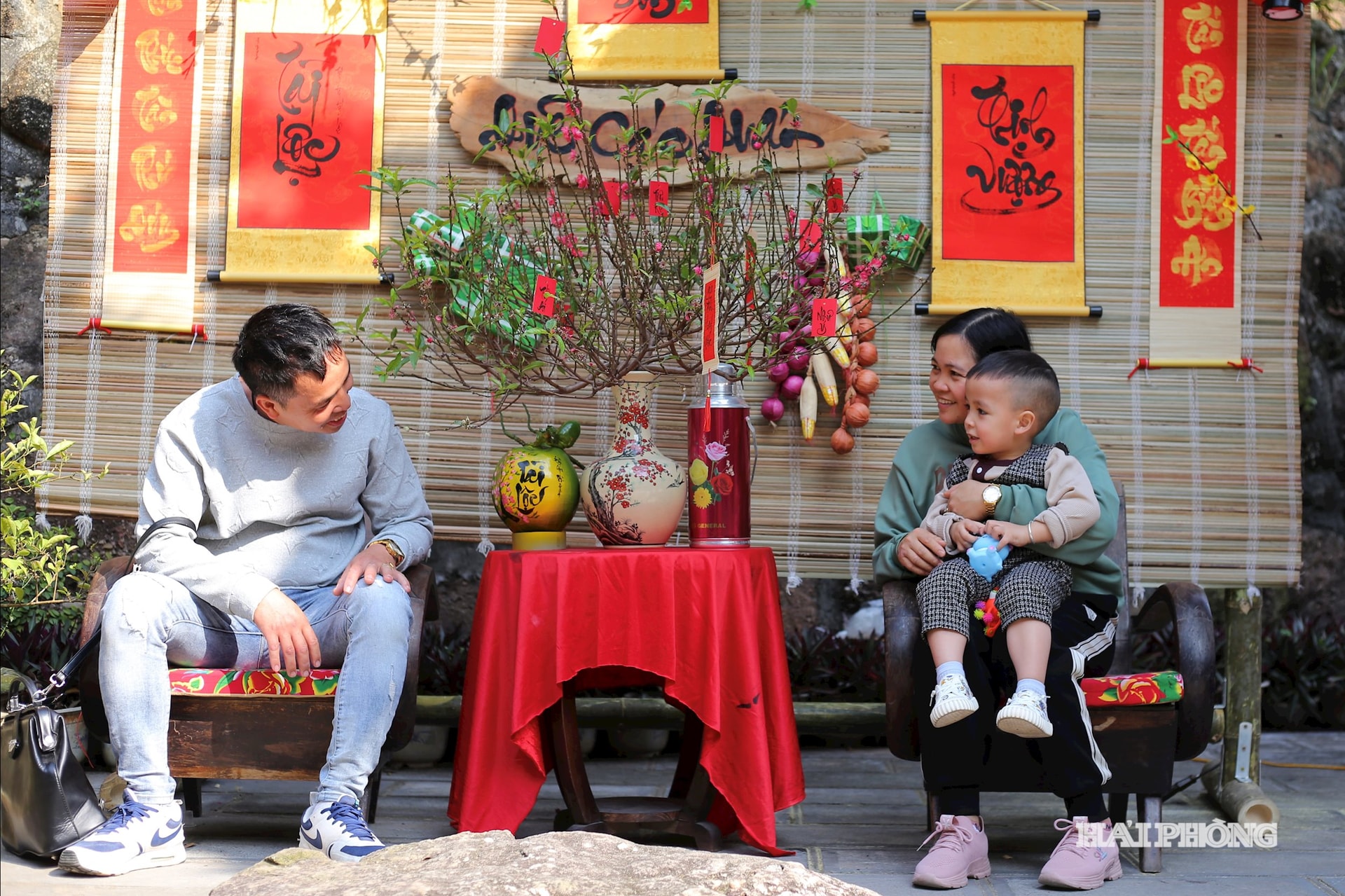
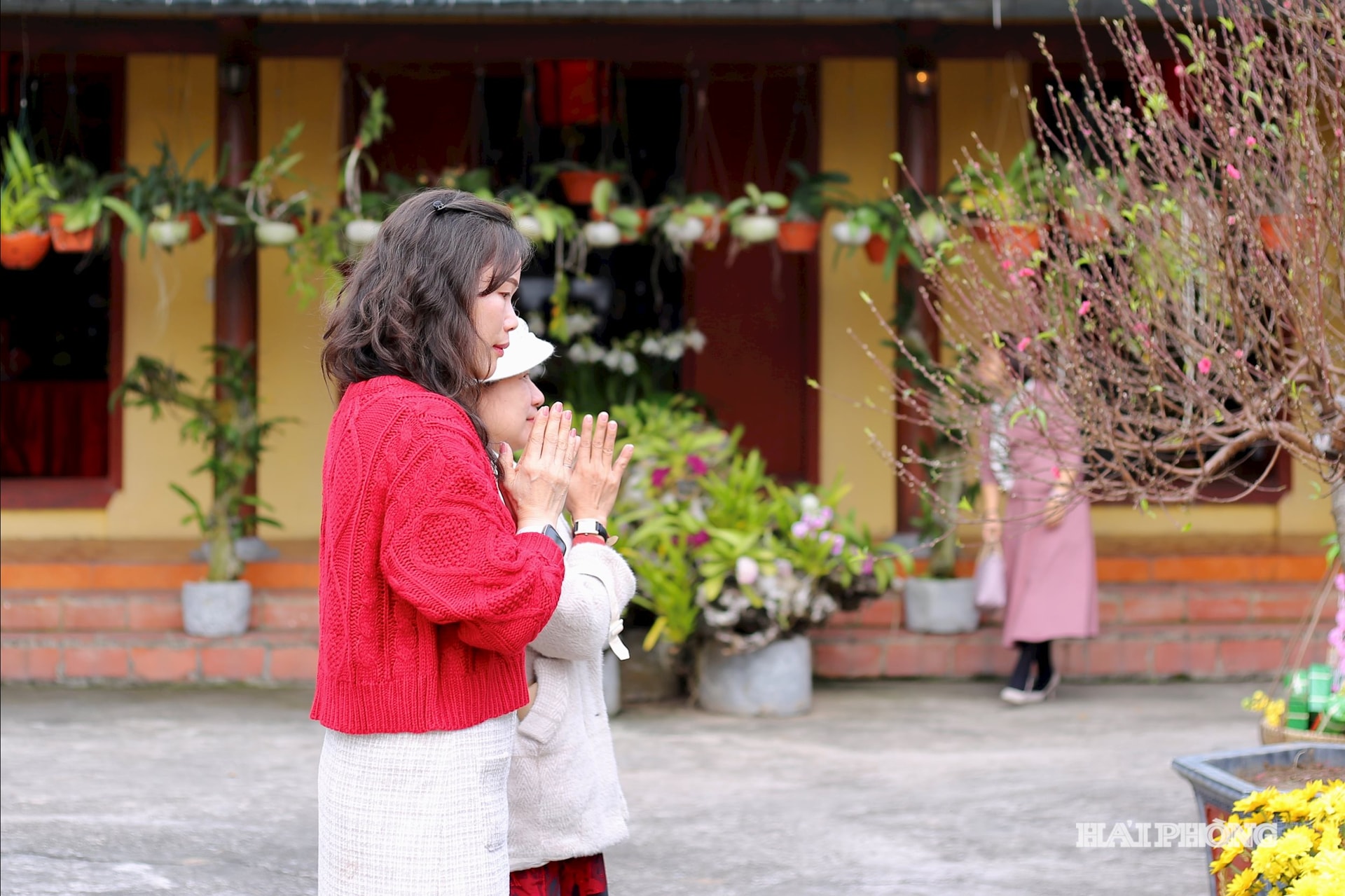
For many families, Tet begins with the journey home, returning to parents, grandparents, and familiar customs. For the family of Le Tu Hao in Thai Tan commune, that tradition has never changed. No matter how far she works from home, she always returns for the holiday. On the first morning of the new year, the family visits the pagoda, praying for a peaceful year ahead.
The first day, they gathered on the family reunion meal, followed by visits to grandparents. The second day is for visiting relatives, and the third day is for visiting former teachers. Inside the old tiled-roof house, New Year greetings mingle with children’s laughter, creating a warm atmosphere. Many young people now choose to travel during the holiday, but Hao believes Tet feels complete simply by gathering around the family table and seeing loved ones healthy.
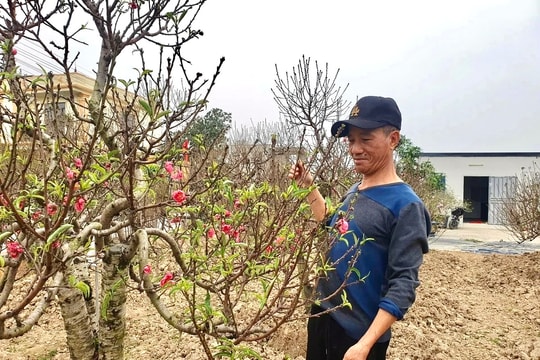
Ha Minh Chau, a resident of An Bien ward, keeps similar traditions. Each year, her family decorates the house with peach blossoms or kumquat trees, cleans the home, and arranges the offerings.
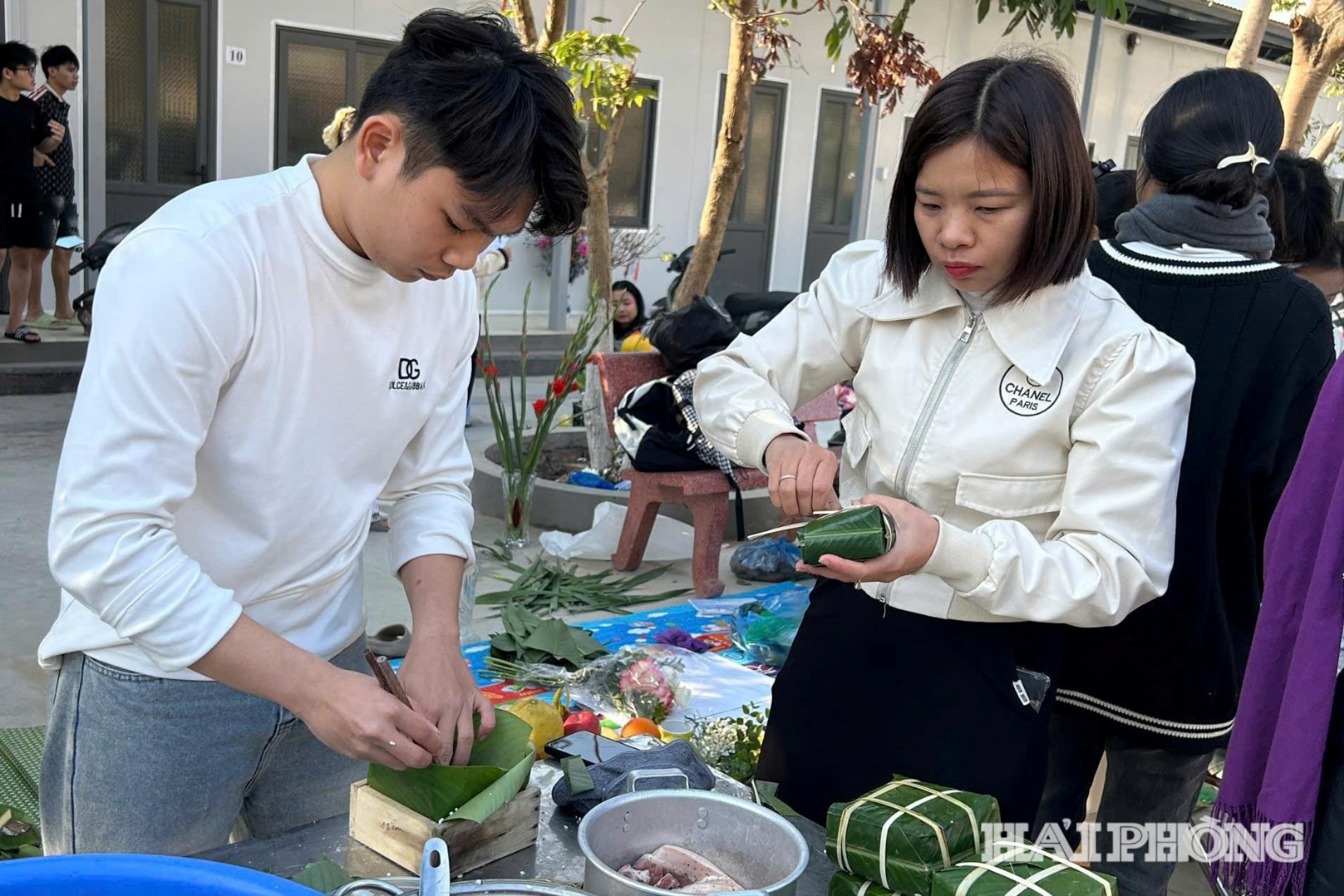
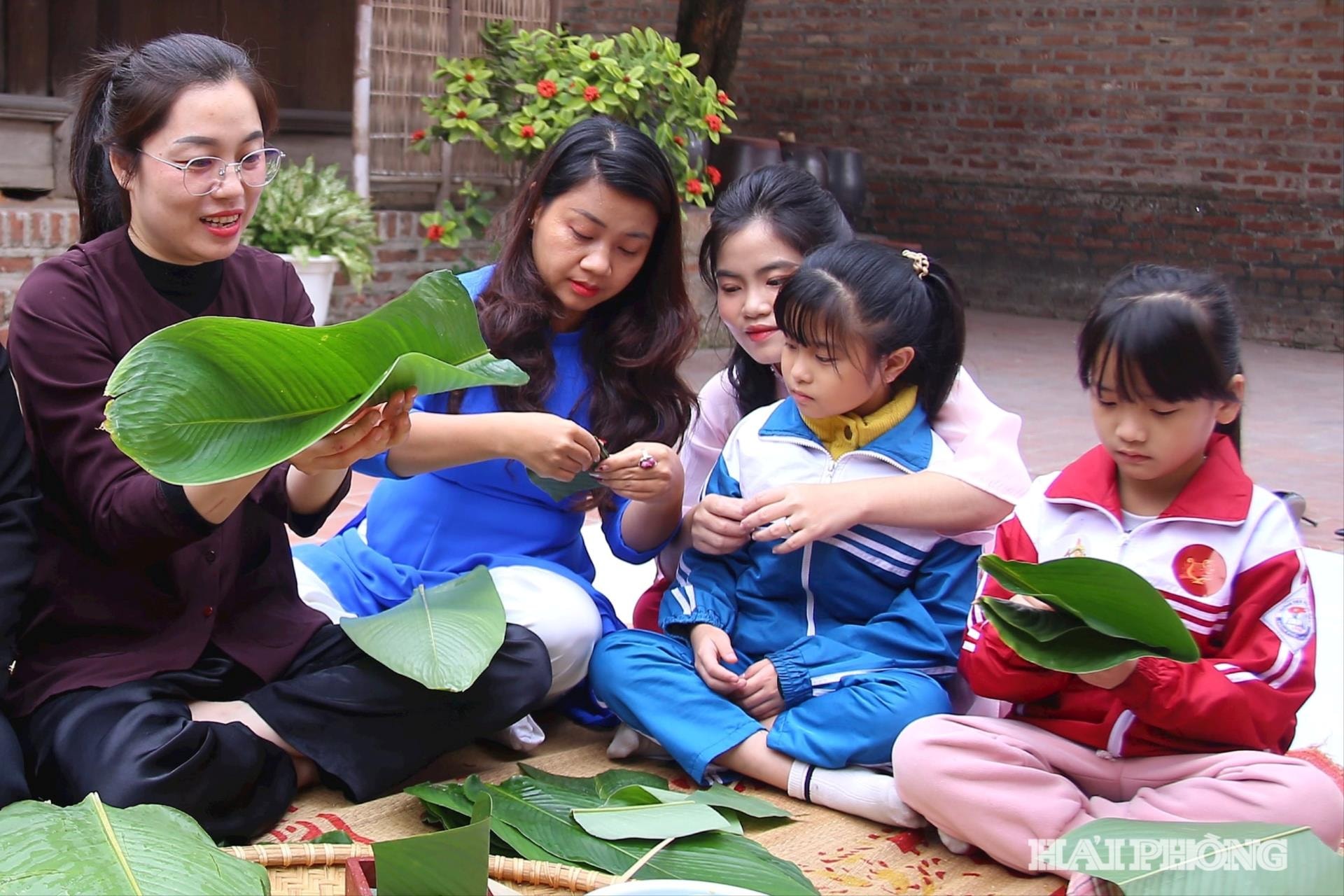
Each Tet custom serves as a thread connecting generations. One of the most visible traditions is making banh chung (Vietnamese traditional sticky rice cakes). While many busy families now order them in advance, for Truong Tuan Vinh of Lac Phuong commune, wrapping the cakes recall his childhood memory.
Tet in a modern life
Urban life has changed many habits, but it has also introduced new ways of celebrating Tet. In the days leading up to the holiday, cultural venues have seen a growing trend of people taking photos in traditional ao dai.
In recent years, Hai Phong Museum branch 2 has introduced nearly ten traditional crafts, including making pottery, banh chung, to he figurines, woodblock printing, and traditional sweet dumplings. According to Nguyen Thi Hue, the interactive approach has helped increase the number of visitors by 10–15% annually, with additional creative spaces planned for the 2026 Lunar New Year.

Since 2024, the museum’s Tet cultural space has also featured Xu Dong Hoi Quan, a community dedicated to traditional attire and heritage. Nguyen Thi Huong, the group’s head, said the initiative aims to showcase an Vietnamese Tet tradition, adding that as long as younger generations remain curious about their roots and maintain a love for their culture, Tet traditions will continue to thrive.
Hai Phong News