





Gửi bình luận
In the first 10 months of 2026, Hai Phong made positive progress in site clearance for projects across the city.
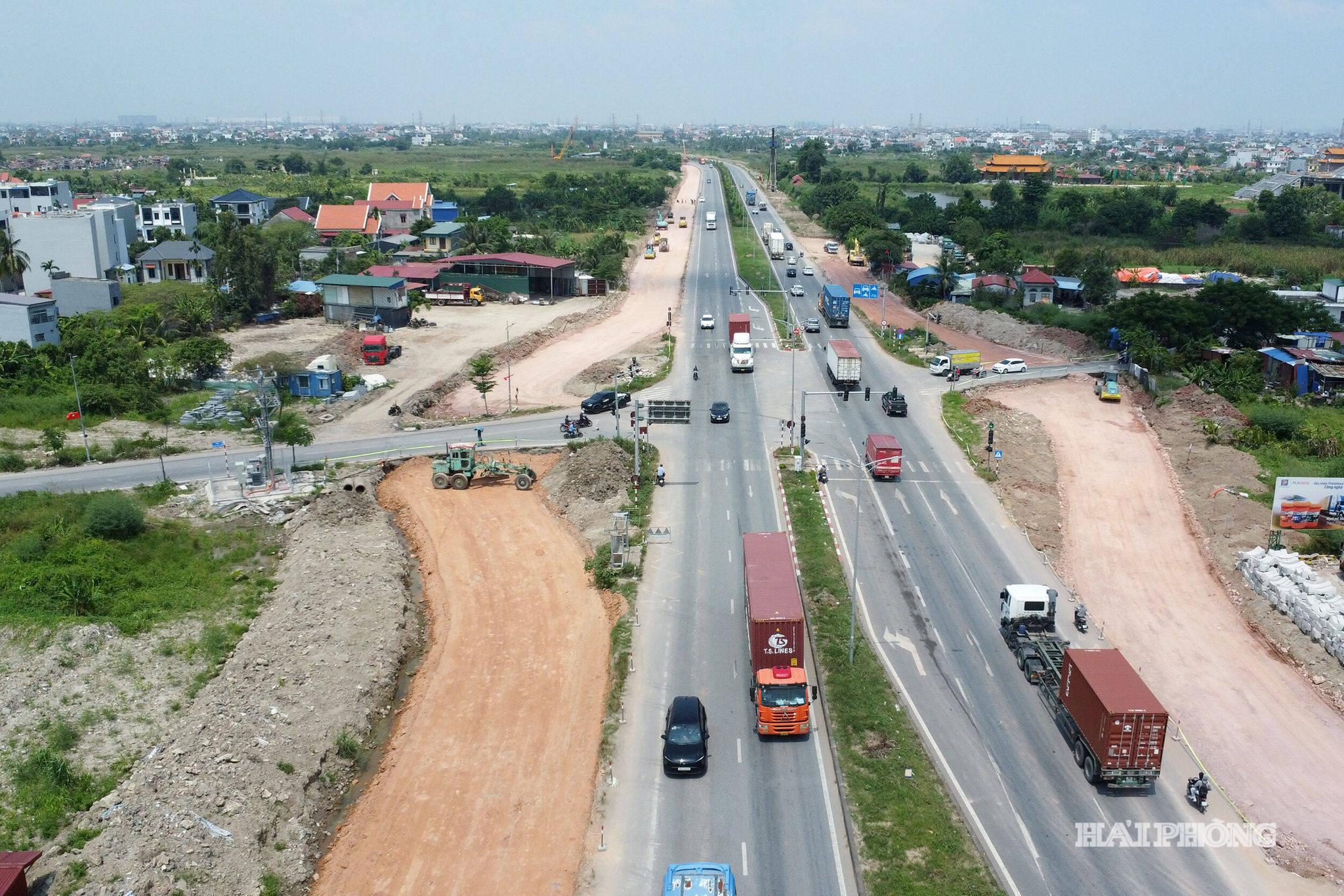
By the end of October 2026, the city had cleared 39,960,464 m2 of land involving 42,700 households and 381 organizations, equivalent to 72.1% of the total area requiring site clearance. Notably, 23 localities had completed 100% of their site clearance tasks, including several communes and wards with large areas requiring clearance, such as An Truong Commune (160.3 hectares), Tien Lang Commune (88.3 hectares), Tran Nhan Tong Ward (58.2 hectares) and Hai An Ward (238.2 out of 239.1 hectares). These results reflect the efforts of all-level authorities, departments and localities in carrying out compensation, support, resettlement and site clearance.
However, while some localities have completed their tasks, a number of projects continue to face difficulties and obstacles that affect implementation progress. Feedback from relevant local authorities and units indicates that the main causes include residents' lack of agreement with compensation plans and rates, the lack of available land for resettlement, complicated land-origin documentation and untimely coordination by some project owners.
Site clearance not only determines project implementation schedules but also directly affects public investment disbursement, the attraction of investment from all economic sectors and the achievement of growth targets. Therefore, one of the key tasks assigned by the city to localities is to step up site clearance for projects, conduct regular inspections, promptly resolve difficulties and update progress on the monitoring software.
At the same time, the accountability of Party committees and heads of agencies and localities must be strengthened. Results of site clearance and public investment disbursement are among the criteria used to evaluate and classify collectives, individuals and heads of agencies in 2026.

Regarding delays by project owners in transferring funds, localities are required to compile specific lists of projects and investors with outstanding funding, the number of times they have been urged to make payments and any resulting consequences. They must review the cases and work directly with each investor to resolve them thoroughly, ensuring that residents who have agreed to hand over their land receive their compensation and support payments without further delay.
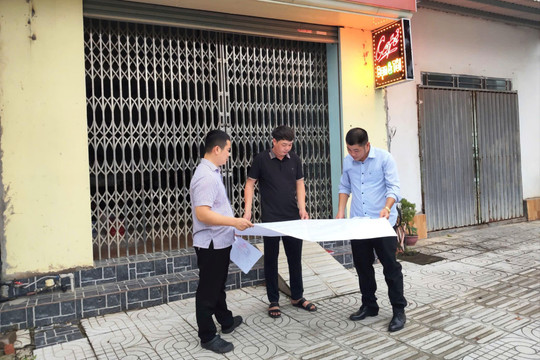
In line with the city's directives, many localities have proactively reviewed individual projects and classified outstanding issues to determine appropriate solutions. In Thien Huong Ward, since the two-tier local government model came into operation, the locality has completed site clearance for many projects. According to Nguyen Cong Dien, Chairman of the Ward People's Committee, the locality is currently focusing on resolving outstanding issues, with the aim of completing site clearance for the remaining area of the Nam Cau Kien Industrial Park Project (Phase 2) and the Hoa Lam Resettlement Project by the end of this year.
In An Quang Commune, faced with site clearance obstacles at Cua Hoat – Quan Thang Industrial Cluster, the local authorities have established a mobilization team to conduct direct outreach and explain the approved compensation and support plan to the remaining households, encouraging them to receive their payments.
Accelerating site clearance requires not only decisive action by Party committees and authorities but also close coordination among specialized agencies, project owners and the public's consensus. More importantly, each task must have clearly assigned responsibilities, completion deadlines and expected results. This is a basis for strengthening discipline and accountability in implementing Resolution No. 11-NQ/TU, unlocking land resources, accelerating project implementation and contributing to the city's development goals.
HA MINH