
Gửi bình luận
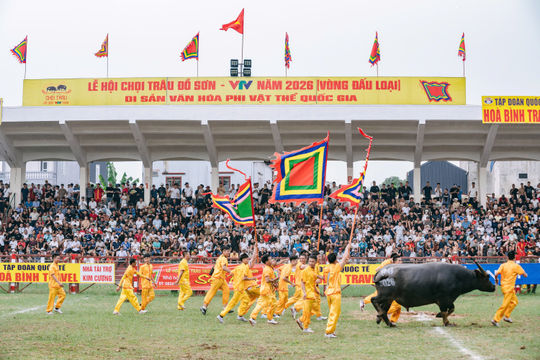
Festivals in Hai Phong are gradually becoming venues for connecting tourism, promoting local specialties and expanding trade opportunities, contributing to economic development by capitalizing on heritage value.
.jpg)
Spaces connecting local products
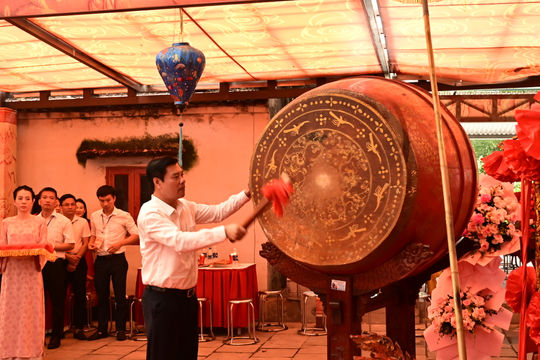
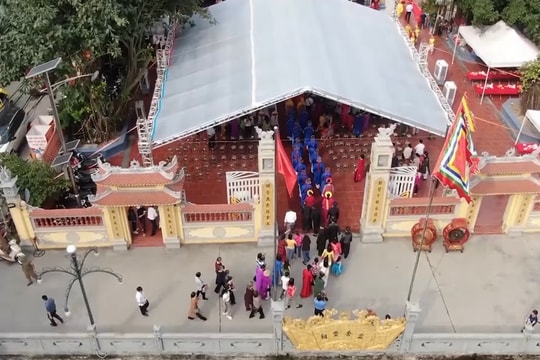
In late July, amid the distinctive atmosphere of a Northern Vietnamese village, thousands of residents and visitors flocked to the Mac-era Village Market at the Mac Family Ancestral House, a national historical and cultural relic in Kien Hung Commune. The aromas of rustic dishes mingled with local specialties, creating a vivid picture of the agricultural life and traditional culture of this coastal region.
Notably, this year's market brought together hundreds of signature products from both the eastern and western parts of the city, showcasing the diversity of local agricultural potential and cultural identity.
The Mac-era Village Market is not the only festival in the city incorporating cultural activities with trade promotion. During the recently held “Kien An - Happiness Festival 2026,” alongside cultural and artistic programs, the festival featured dozens of booths showcasing OCOP products, regional cuisine and technology products, attracting large numbers of residents for sightseeing and shopping.
.jpg)
Such markets and festival spaces help narrow the gap between producers and consumers. Local products are not only sold directly at the events but also gain greater opportunities for promotion, market expansion and brand building.
Unlocking heritage “gold mine” for economic development
As a coastal region with a history spanning thousands of years, Hai Phong boasts a rich system of cultural heritage that reflects the formation and development of various communities along the coast, in the delta and in the midlands.
Following the expansion of its administrative boundaries, the city has further emerged as one of the country's major cultural heritage centers, with nearly 4,000 historical and cultural relics, thousands of traditional festivals and diverse forms of intangible cultural heritage. These resources provide a unique foundation for developing tourism, cultural industries and trade. Each festival offers an opportunity to promote local products; each relic can serve as an experiential destination; and each craft village tells a cultural story that can be transformed into economic value.
.jpg)
According to Luong Thi Kiem, Deputy Director of the Department of Agriculture and Environment, Hai Phong's agricultural sector is shifting strongly from quantity-based development toward value-chain development, leveraging quality, branding, cultural value and consumer experience as competitive advantages. In this direction, OCOP products, local specialties, traditional craft villages and cultural spaces are not merely venues for showcasing products but also important links in the agricultural economic value chain.
With its advantage as a major cultural heritage center following the merger, Hai Phong possesses a “gold mine” of resources for developing experiential tourism, cultural industries and trade in local products. Effectively tapping into these resources will help preserve traditional values while creating new growth drivers and building Hai Phong's image as a distinctive, dynamic and attractive destination.
HAI HAU - HOANG PHUOC