



Gửi bình luận
Nestled in Lan Ha Bay by Cat Ba Island, Cat Hai Special Zone, Hai Phong City, the ancient Cai Beo fishing village attracts visitors with its peaceful beauty, historical significance and unique experiences.
Experiencing life in an ancient fishing village
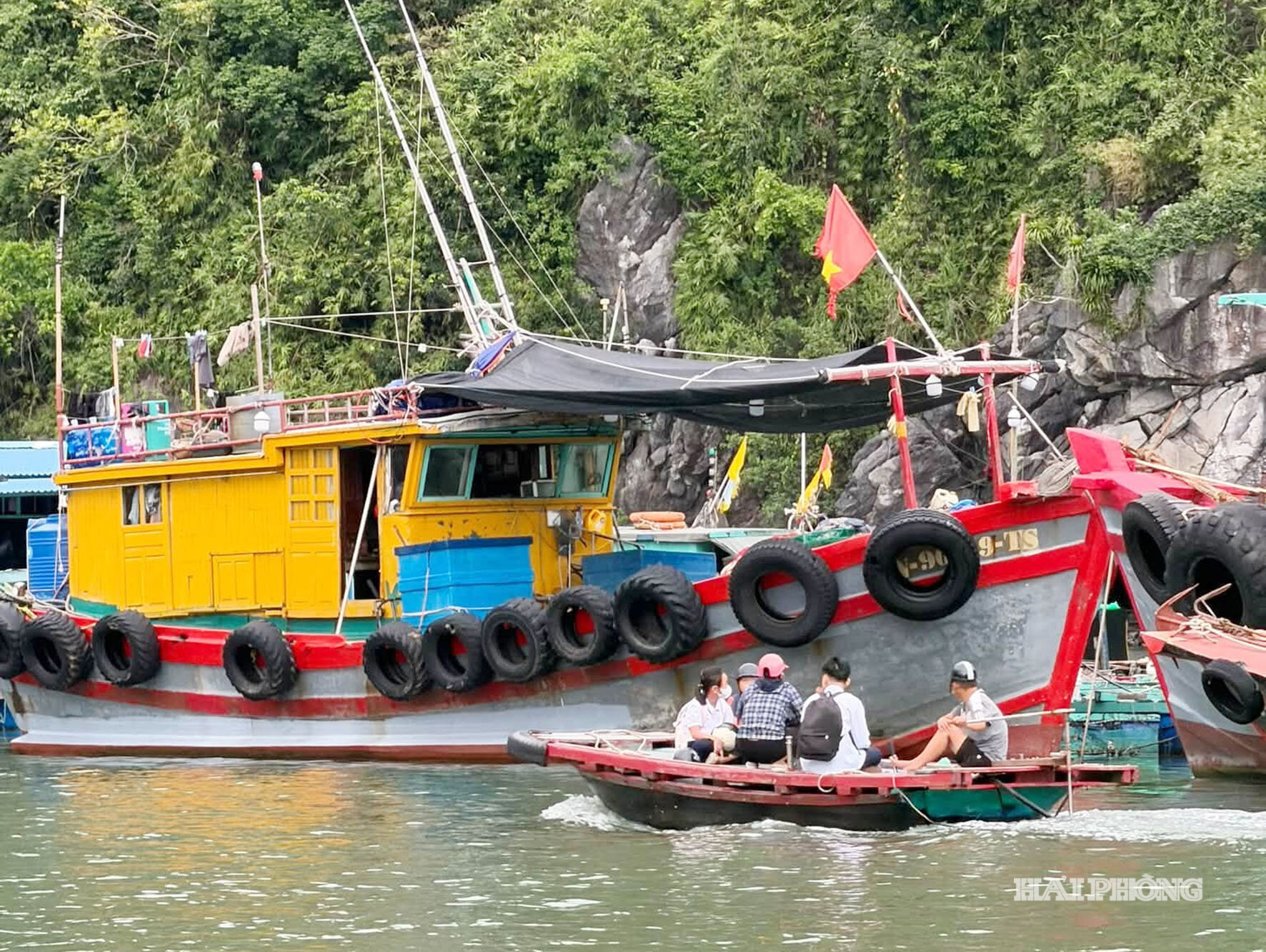
Located about 2 km southeast of Cat Ba Fishing Port, Cai Beo, also known as Vung O, fishing village lies nestled in the emerald waters of Lan Ha Bay. It is not only one of Vietnam's oldest floating fishing villages but also an archaeological site of exceptional importance to the study of island and coastal history.
Through archaeological excavations, scientists have discovered thousands of stone and pottery artifacts, along with animal and plant remains, confirming that ancient communities lived here continuously from approximately 7,000 to 4,500 years ago.
As boats leave Cai Beo Wharf, the noise and dust of urban life gradually fade away, replaced by gentle waves lapping against the hulls and fresh sea breezes. Cruising across the turquoise waters, visitors gradually catch sight of Cai Beo fishing village, where more than 300 households live in wooden floating houses. The houses are connected by narrow wooden walkways, with neatly arranged aquaculture cages in between, creating a scene that is both simple and characteristic of Vietnam's island communities.
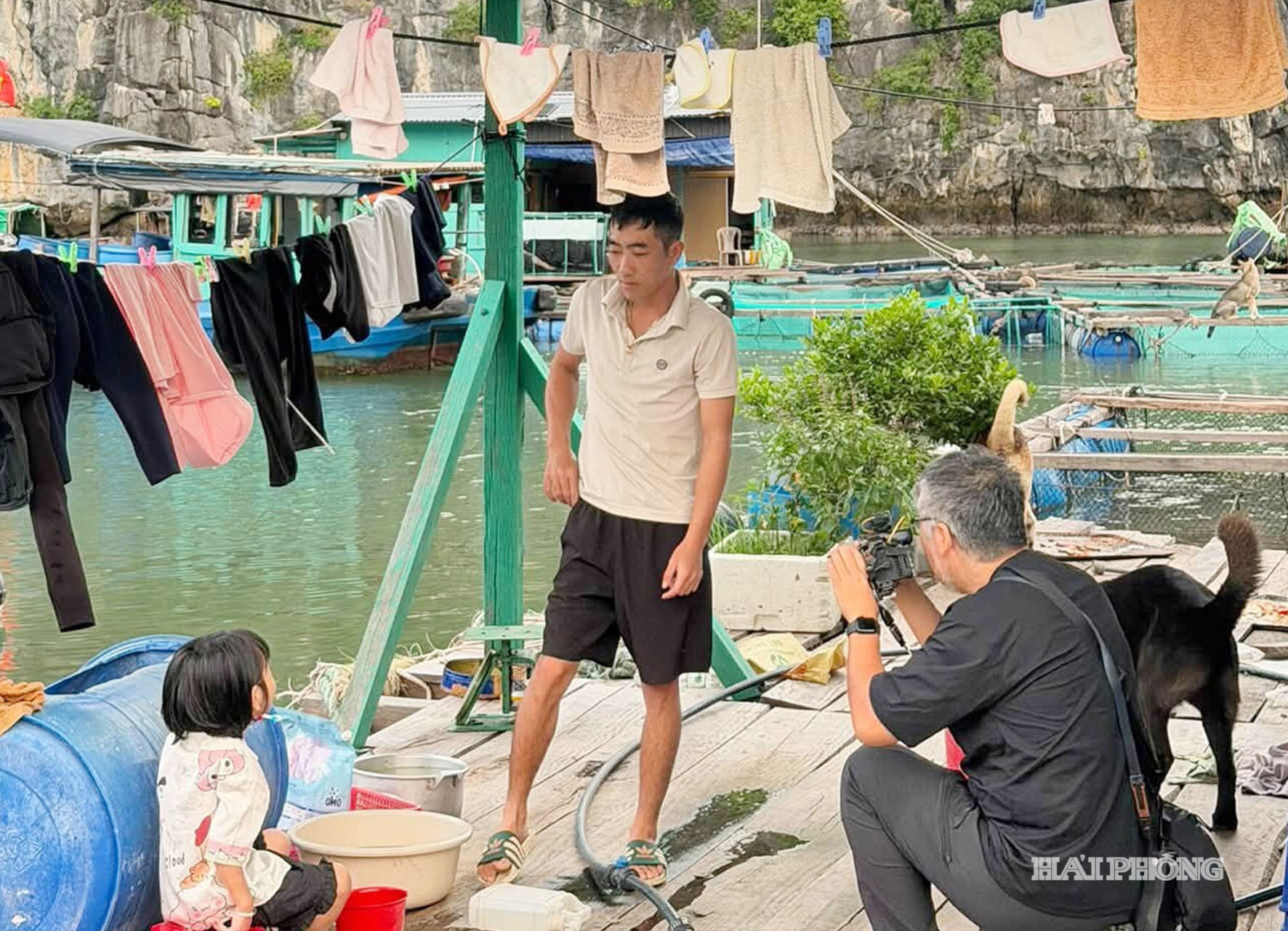
Visiting the village for the first time on a weekend family trip, Nguyen Van Hai, a visitor from Ha Noi, said: “My family chose Cai Beo because we wanted to find somewhere truly peaceful. Spending a day in the village was a very different experience. We woke up early amid the stillness of the sea and sky, fed fish in the cages ourselves, and listened to local fishermen tell stories about the thousands of years of history of the Cai Beo archaeological site.”
Beyond its natural beauty and rich history, the ancient Cai Beo fishing village also draws visitors with its fresh seafood. At the floating houses, visitors can choose from a variety of seafood raised in the surrounding waters. Enjoying a lunch of flavorful dishes such as fish steamed with soy sauce, crab steamed with lemongrass, and grilled geoduck clams with scallion oil while floating on the water offers an authentic taste of the sea around Cat Ba.
Preserving heritage value and developing sustainable tourism
The harmonious combination of natural scenery, historical heritage and the distinctive fishing lifestyle has created a unique ecotourism and cultural experience. In recent years, Cai Beo has become an essential stop on itineraries offered by travel companies operating tours of Lan Ha Bay.
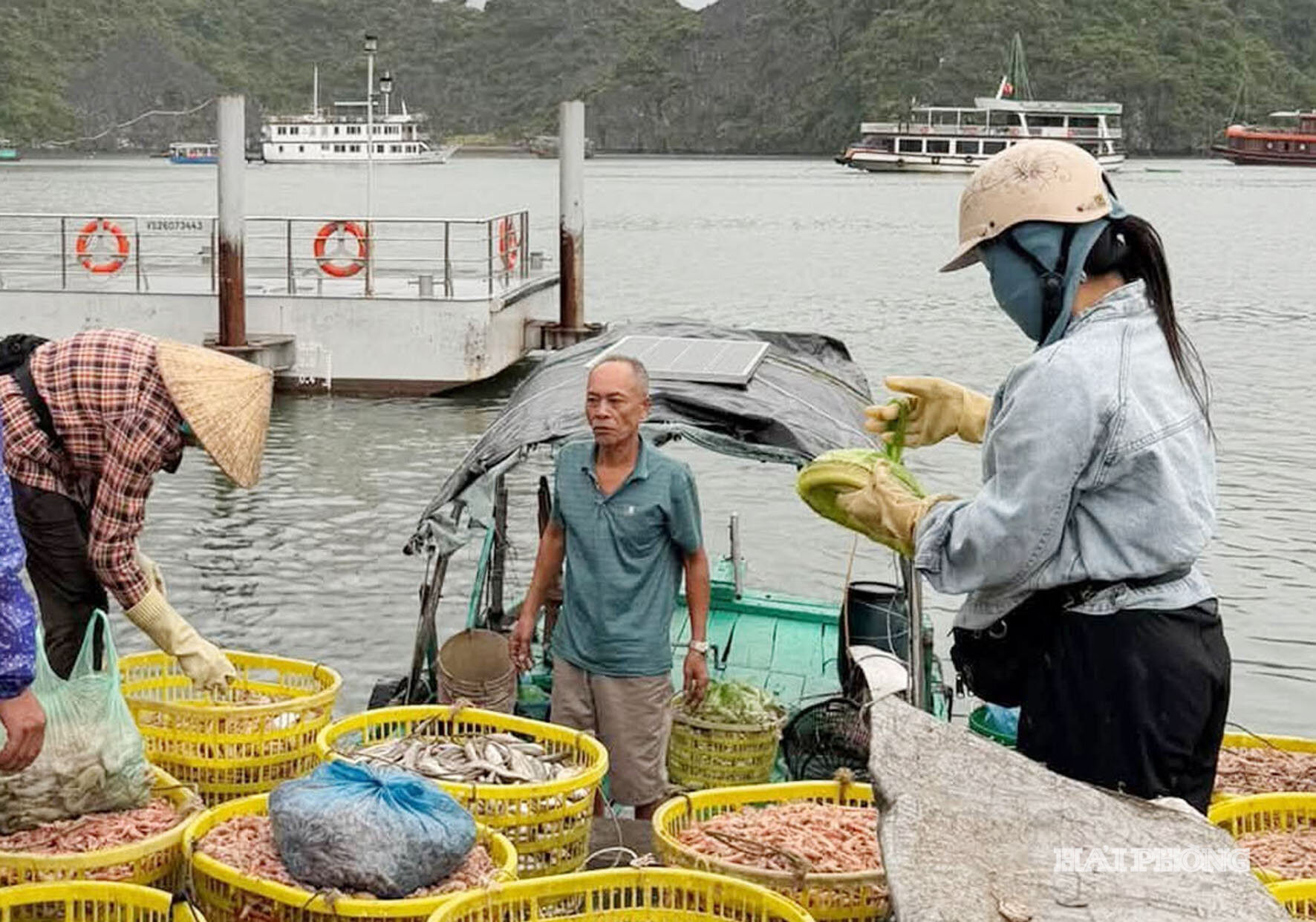
Recognizing the archaeological site's heritage value and the area's ecotourism potential, local authorities and the Management Board of the Bays in the Cat Ba Archipelago have taken coordinated measures to manage and develop tourism sustainably.
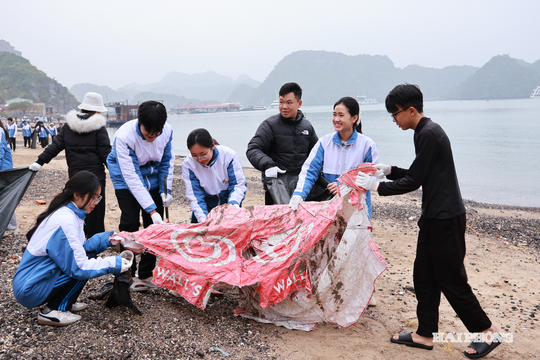
Local authorities have identified tourism development linked to cultural heritage conservation and marine environmental protection. Training courses in communication and community-based tourism services have been organized for fishermen. Inspections and monitoring have been strengthened, with all floating houses required to provide waste-sorting bins and refrain from discharging household waste directly into the sea.
Encouraging residents to participate in community-based tourism not only diversifies livelihoods and helps fishing households increase their income through boat tours and visitor services, but also encourages every resident to become both a local guide and a direct steward of the marine environment.
With joint efforts of local authorities, businesses and residents, the ancient Cai Beo fishing village continues to demonstrate its appeal as a distinctive cultural and ecological destination, helping promote Cat Ba as a green and sustainable destination.
THU HANG