
Gửi bình luận
Since the early 1960s, thousands of officials, workers, youth volunteers and residents from Hai Phong have moved to Lao Cai to help build new economic zones.
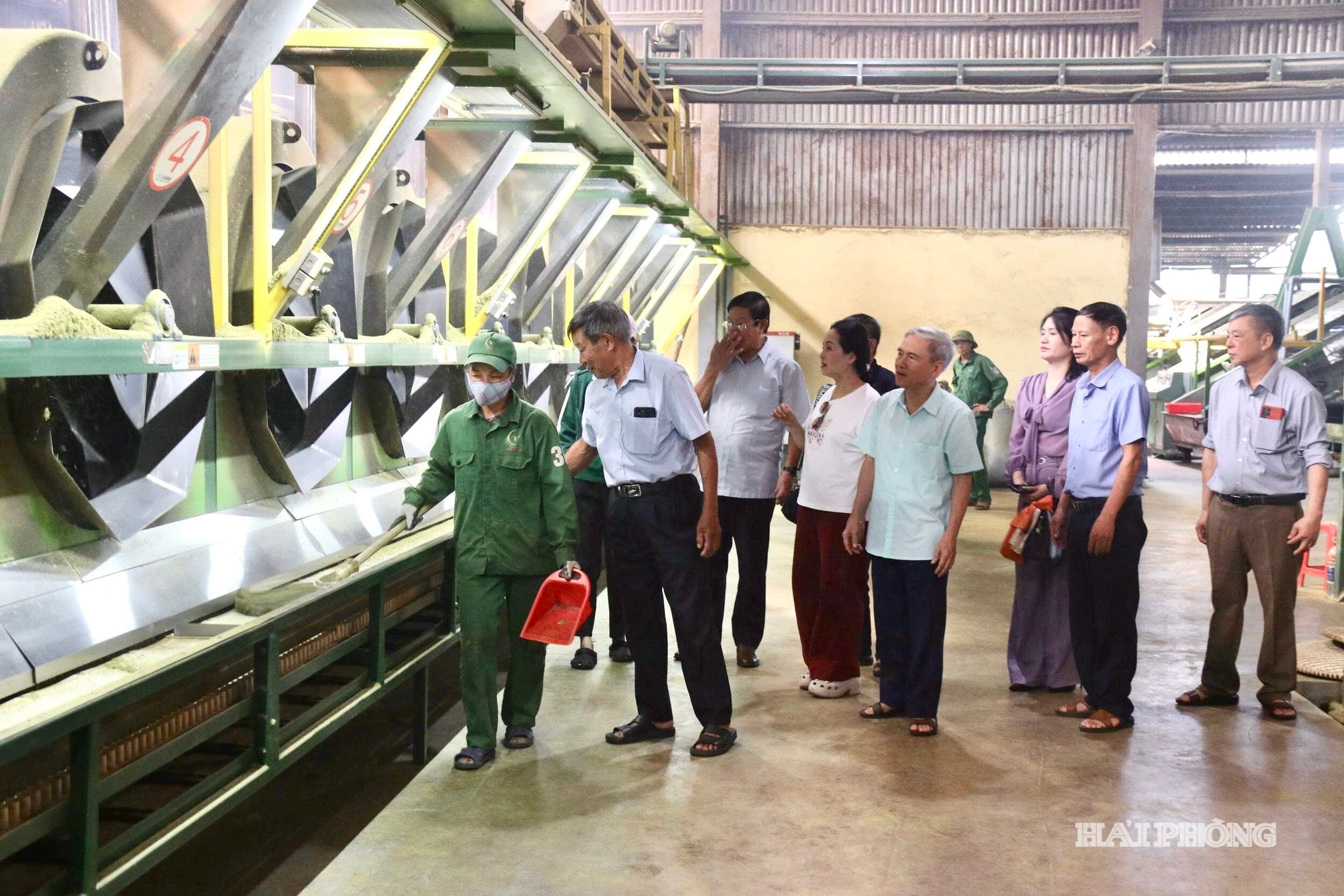
In 1961, in response to the central government's policy of developing new economic zones, groups of people from Hai Phong began moving to Lao Cai.
At the time, the journey from the lowlands to the mountainous region was difficult. The people of Hai Phong settled there, cleared vegetation, opened up land, built houses and roads, reclaimed land, and established farms and construction sites. Through their hard work, once-undeveloped areas gradually became residential areas, fields, factories and other facilities.
Among those who moved from Hai Phong to Lao Cai in the early 1960s was Nguyen Phuong Lan. On June 24, 1963, she and her family left the port city for Bao Thang Commune to build a new life in the new economic zone. With her youth and determination to overcome challenges, she quickly adapted to life in the mountainous area.
Local authorities assigned her to lead more than 200 workers in reclaiming the new land. The Phu Hai, Phu Hung and Phu An valleys, which were then dry and covered with rocks, were gradually transformed into bumper fields. The rugged roads in Bao Nhai and Bao Thang also bear the mark of the efforts of youth volunteers and workers from Hai Phong.
From land reclamation, Lan later sought new opportunities as the country entered the market economy. Drawing on the dynamism of a woman from the port city, she established Moc Nguyen Construction and Trading Co., Ltd., which operates in several fields.
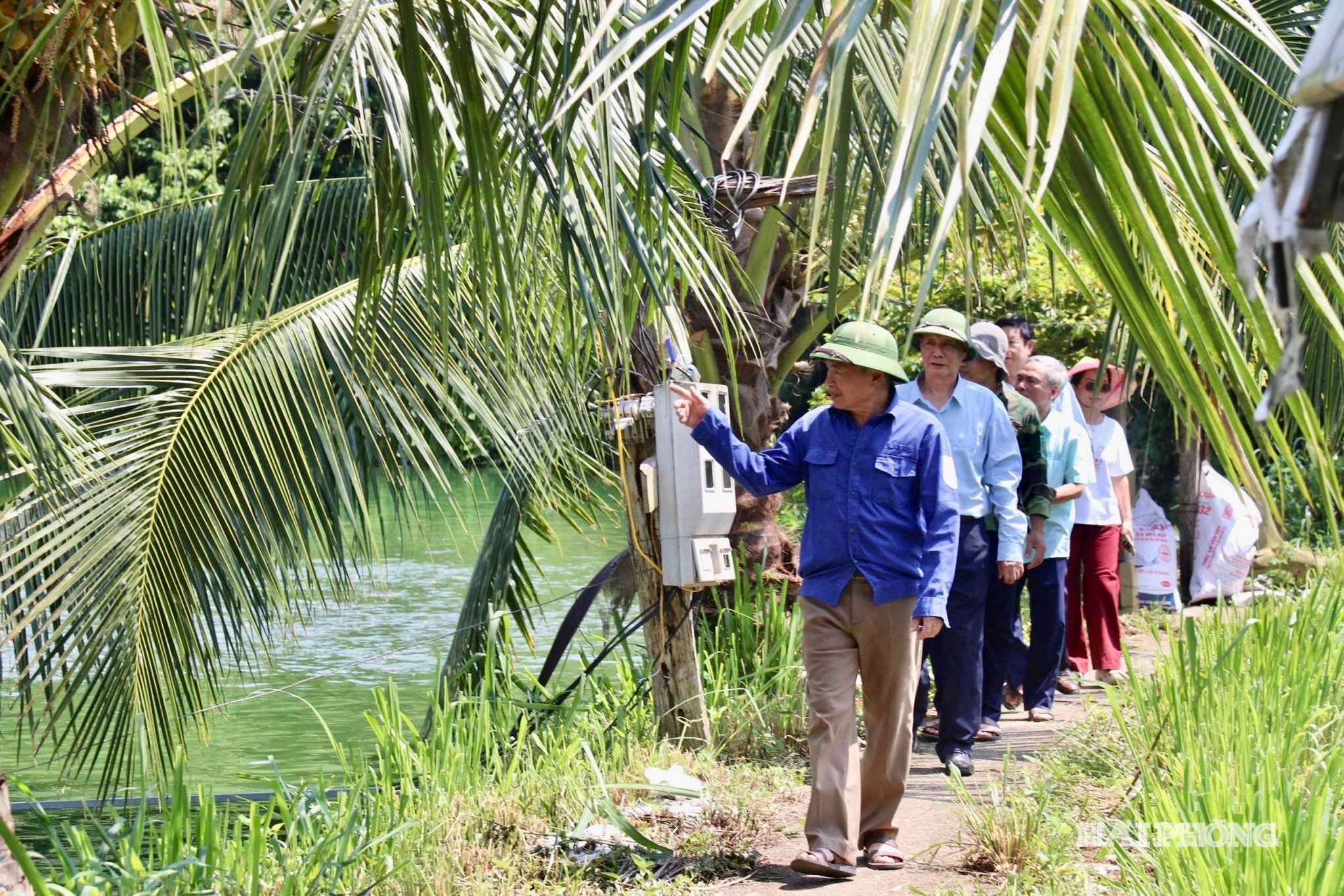
Starting from scratch, Pham Van Hoa gradually developed a family-based economic model in Hamlet 1, Phong Hai Commune. On a garden plot of about 5,000 square meters, his family developed a garden-pond-livestock (VAC) model involving chickens, perennial crops and fish.
From the traditional VAC model, Hoa took the initiative to restructure crops and livestock and select models suited to local conditions. This approach has improved land-use efficiency and provided a stable source of income.
Vu Minh Duc, Director of Phong Hai Lao Cai JSC, belongs to the second generation. Born and raised in Lao Cai, he inherited from his parents and earlier generations not only the story of leaving their hometown for the mountains to build a new life, but also their love for the land that has nurtured his family.
From those who first cleared the land to today's entrepreneurs, people from Hai Phong who moved to Lao Cai when the country was still going through difficult times, stayed, started families, raised children and built their careers there. Today, many of their descendants continue to study, work, run business and contribute to the community on this land.
Ly Thi Vinh, Member of the Standing Committee of the Lao Cai Provincial Party Committee, Secretary of the Party Committee and Chairwoman of the People's Council of Bao Thang Commune, Lao Cai Province, said people from Hai Phong who moved to Lao Cai in the 1960s had made important contributions to the development of new economic zones.
From the difficult early days, they worked alongside local residents to reclaim land, develop production, build infrastructure and establish stable lives. Over generations, the Hai Phong community has not only integrated into local life but also made practical contributions to socio-economic development, job creation and social welfare activities in the area.
Hai Phong News