
Gửi bình luận
Guided by the principle that “Vietnamese medicine treats Vietnamese people” and a spirit of compassion and healing, the renowned physician and Zen master Tue Tinh stands as a symbol of Vietnamese knowledge and cultural identity.
The renowned physician and Zen master Tue Tinh (1330–1400), whose real name was Nguyen Ba Tinh, was a prominent figure of the Tran Dynasty and a pioneer who laid important foundations for traditional Vietnamese medicine. His legacy extends beyond herbal remedies and treatment methods to encompass an independent approach to developing medical knowledge and a commitment to serving humanity.
Through major works such as "Nam duoc than hieu" and "Hong Nghia giac tu y thu", Tue Tinh helped systematise knowledge of medicinal plants, treatment methods and healthcare.
His legacy therefore lies not only in the knowledge recorded in these works but also in the approach they reflect: valuing practical experience, making use of natural resources and placing human health at the centre of medical practice.
“Vietnamese medicine treats Vietnamese people’ was a defining principle of Tue Tinh’s medical philosophy.” It emphasised the potential of locally available medicinal resources, the importance of building on folk knowledge and the development of treatments suited to Vietnam’s natural environment and way of life.
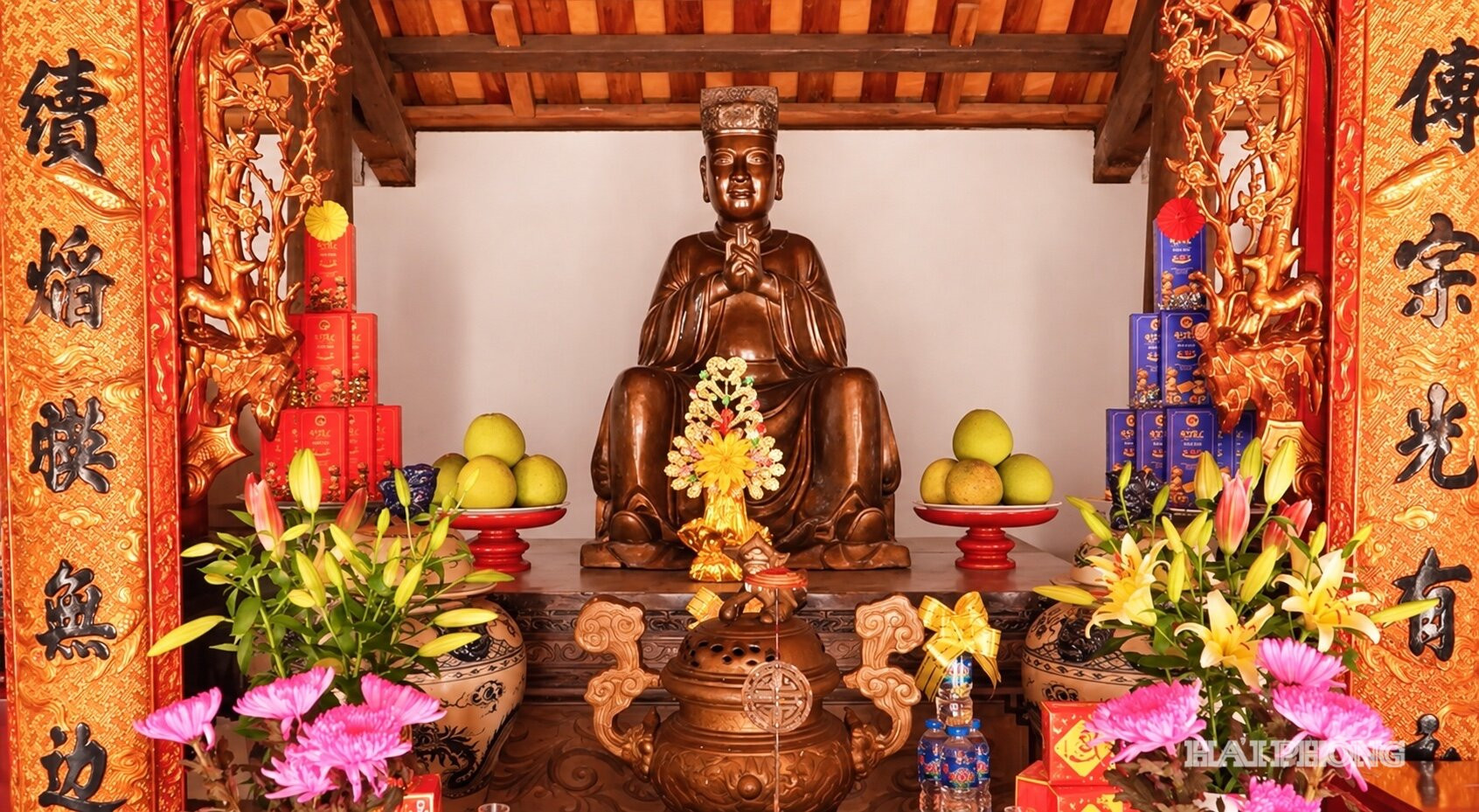
Tue Tinh’s international significance is also reflected in cultural and intellectual exchanges between Vietnam and other countries. Toward the end of the Tran Dynasty, he was sent to the Ming court in China on a tributary mission and never returned to his homeland.
According to accounts passed down through generations, he continued practising medicine in China, demonstrating his medical skills and earning respect. Details of this period of his life require further examination and verification against historical records. Nevertheless, it offers an important avenue for research into his influence beyond Vietnam’s borders.
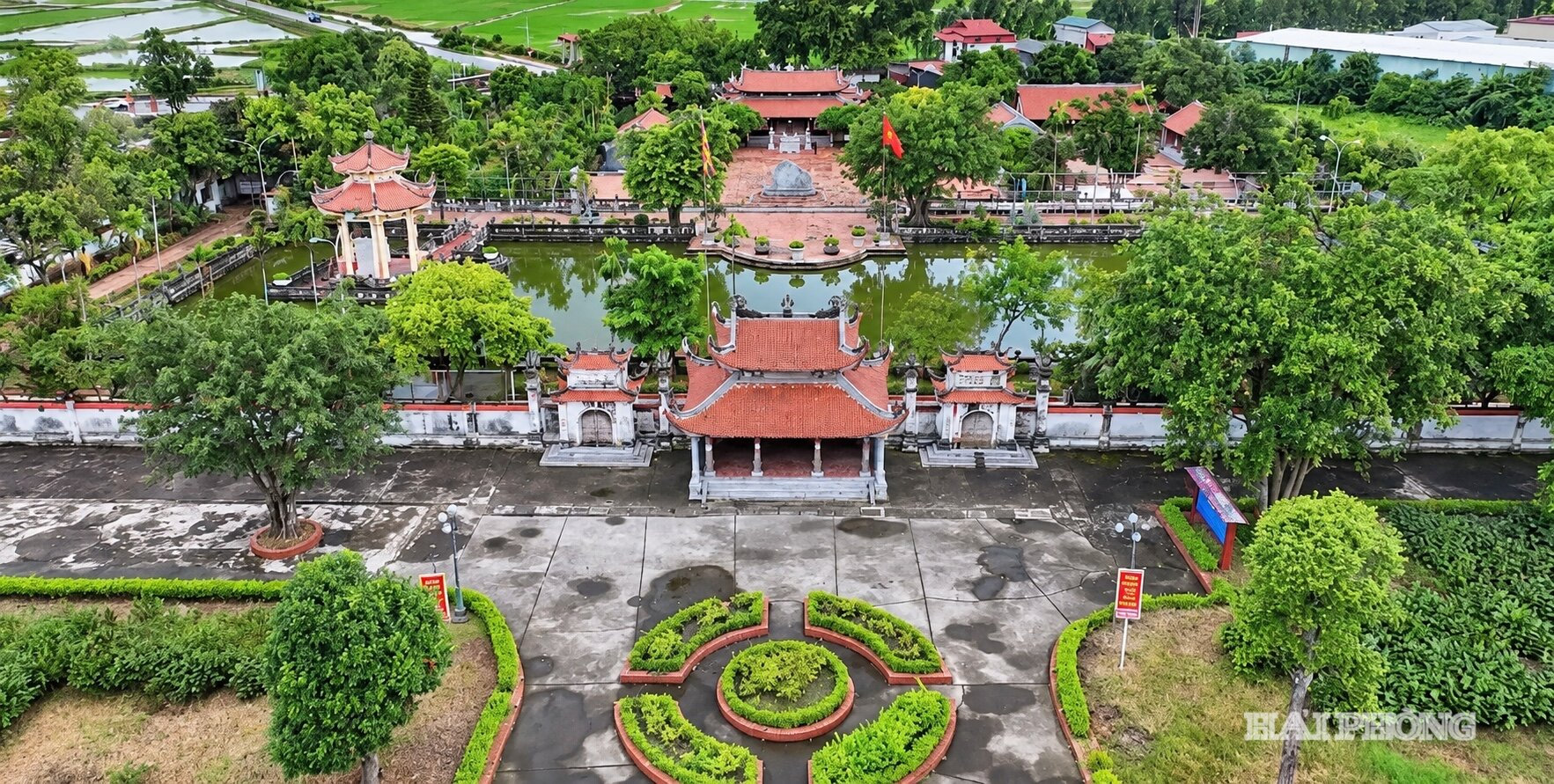
The Xua Temple–Giam Pagoda–Bia Temple complex, recognised as a special national relic site, preserves important traces of Tue Tinh’s life and career. According to Ha Quang Thanh, Head of the Cam Giang Relics Management Division under the Con Son–Kiep Bac Relics Management Board, the complex is not only a place of worship but also a source of material for research into the history of medicine, Buddhism and Vietnamese culture.
Further research into the relic sites, stone inscriptions, historical texts and related traces in Vietnam and abroad could help clarify the extent of his influence.
Against this backdrop, the proposal to seek UNESCO recognition for Tue Tinh aims not merely to honour a renowned physician, but also to highlight Vietnam’s contributions to the history of human knowledge. His significance lies in the combination of a distinctive medical philosophy, a commitment to compassionate care and ideas that transcend national borders.
Under the draft plan for preparing a scientific dossier seeking UNESCO recognition of Tue Tinh in connection with the 700th his birth anniversary, the second phase, scheduled for 2027, will focus on surveying, collecting and verifying historical materials; researching his activities in China; and assessing his influence on medicine, Buddhism, Nom literature, culture and international exchange.
An international conference planned for September 2027, under the theme “Tue Tinh: Heritage Values, National and International Influence”, together with multilingual publications, is expected to strengthen the scientific basis of the dossier.
The effort to seek UNESCO recognition for Tue Tinh is also an opportunity to affirm Vietnam’s contribution to the world’s shared heritage, where medical knowledge is intertwined with compassion, intellectual independence and a commitment to serving humanity.
Hai Phong News