Gửi bình luận
With 33 national treasures, Hai Phong is home to a cultural heritage collection of exceptional historical, artistic and scientific value.
Special values
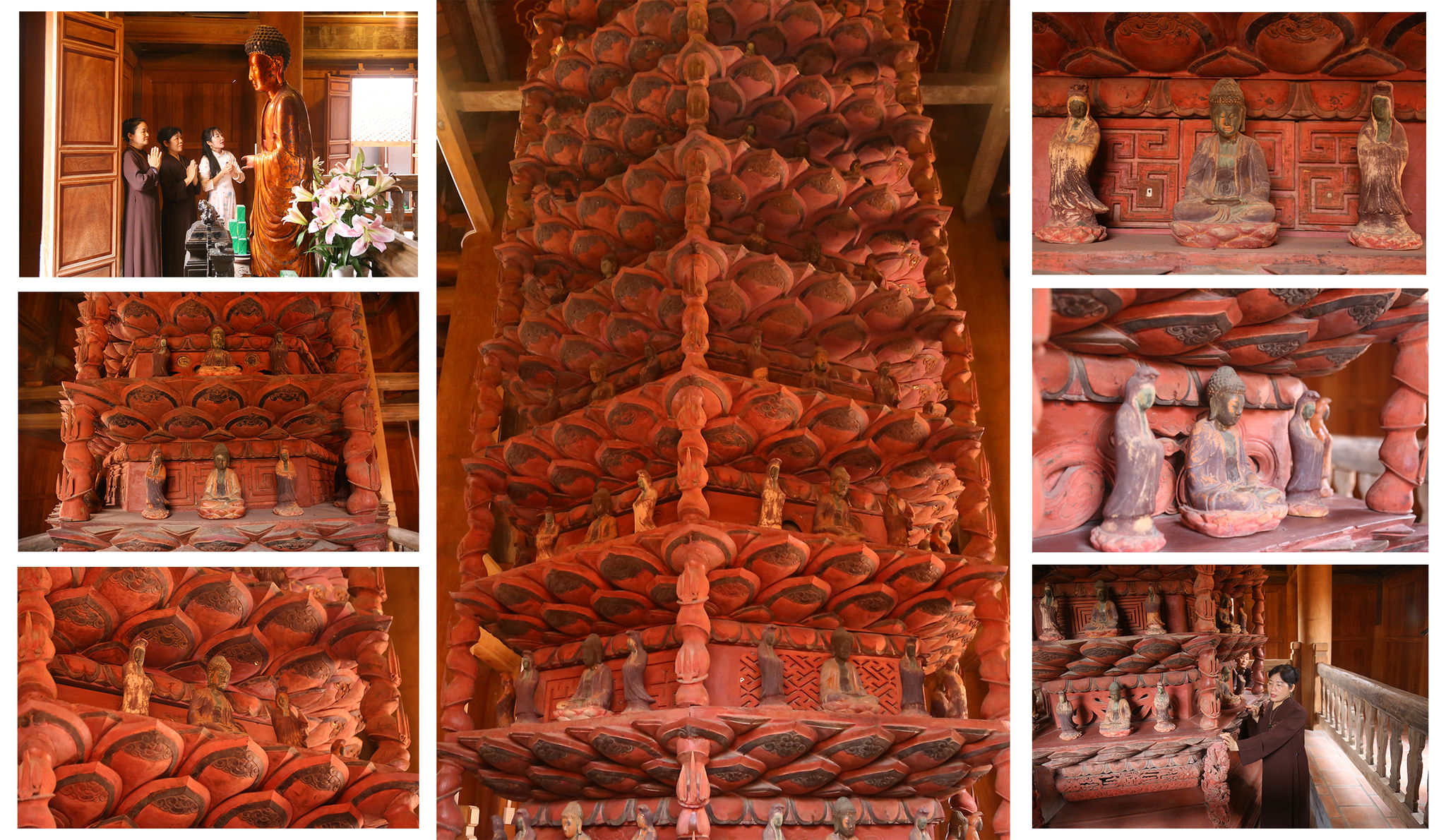
The cuu pham lien hoa (nine-tier lotus-shaped tower) At Giam Pagoda in Cam Giang Commune is a unique wooden architectural structure dating back to the 17th century. It consists of multiple tiers adorned with lotus petal patterns and an elaborate system of carved Buddha statues.
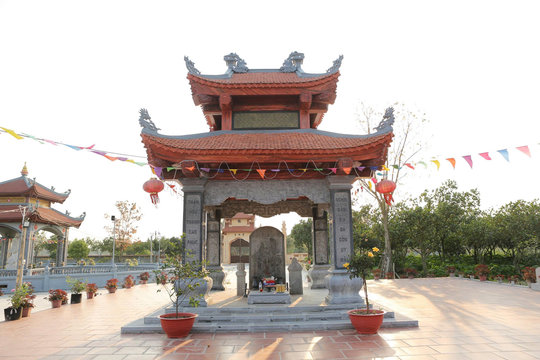
In 1974, due to flooding and changes in administrative boundaries, Giam Pagoda was relocated from an area along the Thai Binh River to its present site. The relocation took seven months to complete, involving more than 7,000 workdays and 511 ox-cart trips over a distance of approximately 7 km.
In November 2023, as part of a VND 31.2 billion project to restore and embellish Giam Pagoda, a special national relic site, the cuu pham lien hoa was dismantled for further restoration. Some structural components, including pillars, beams and platform boards, were replaced with ironwood. The lotus petals, Buddha statues and other carved decorative patterns were cleaned, with care taken to preserve their original architecture and colors.
The cuu pham lien hoa at Giam Pagoda is one of Hai Phong's 33 national treasures. These treasures span various categories, including Sino-Nom documents, Buddhist artifacts, objects associated with Mother Goddess worship, ritual objects, metal artifacts and antique collections, reflecting the rich cultural heritage of this coastal region.
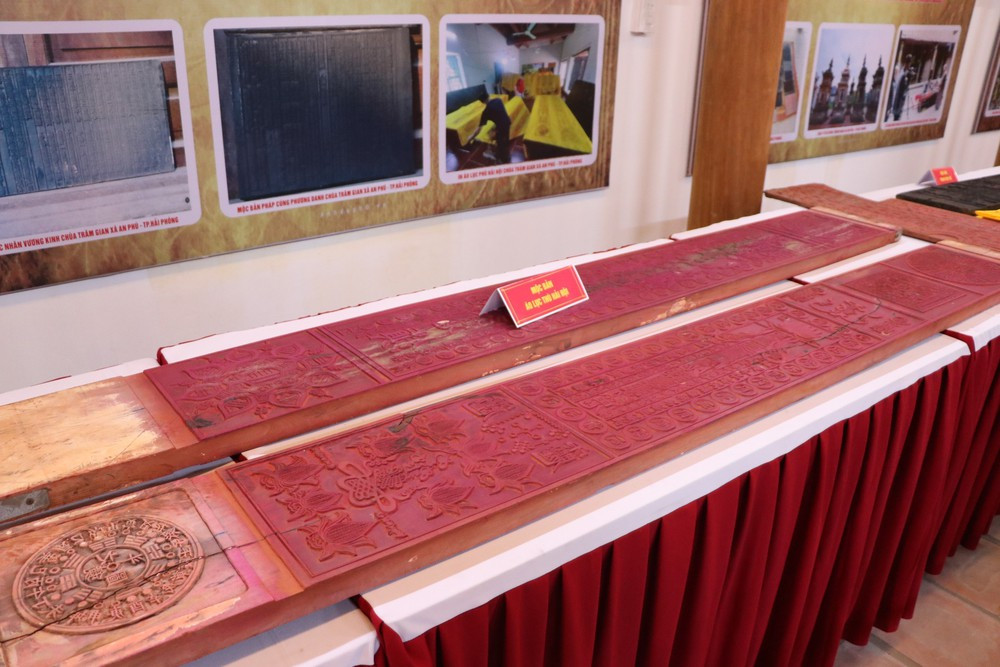
At Tram Gian Pagoda in An Phu Commune, 864 woodblocks preserve various types of texts, including Buddhist scriptures, books and legal texts. The woodblocks were produced over several periods, mainly under the Nguyen Dynasty, with a smaller number dating from the Le Dynasty in the 17th and 18th centuries.
These woodblocks are a valuable source of historical information on printing and engraving, the dissemination of Buddhist scriptures and books, and Buddhist life throughout history. In 2023 and 2024, local authorities invested more than VND 29 billion in renovating the pagoda and building a woodblock preservation house, a meditation hall and other auxiliary facilities. In October 2025, the Tram Gian Pagoda woodblocks were officially recognized as national treasures.
Hai Phong is also home to valuable private antique collections. A notable example is the An Bien Collection, owned by businessman Tran Dinh Thang, which comprises nearly 500 artifacts made of ceramics, stone, wood and metal. Of these, 18 antiques have been recognized as national treasures by the Prime Minister.

To gain a more comprehensive understanding of the collection's value, the Hai Phong Department of Culture, Sports and Tourism has organized a scientific seminar on the An Bien private collection. According to Vu Dinh Tien, Deputy Director of the department, comprehensive research and assessment of the collection would provide a scientific basis for the city to develop policies and solutions to promote its heritage value. This could help turn the collection into a resource for the development of Hai Phong's culture and cultural industries.
Bringing national treasures closer to the public
Hai Phong Museum's second facility houses Huu Chung bronze drum and Hiep An brown-patterned ceramic jar. Meanwhile, Con Son relic site preserves three national treasures: a set of past, present, and future Buddha statues and two steles.
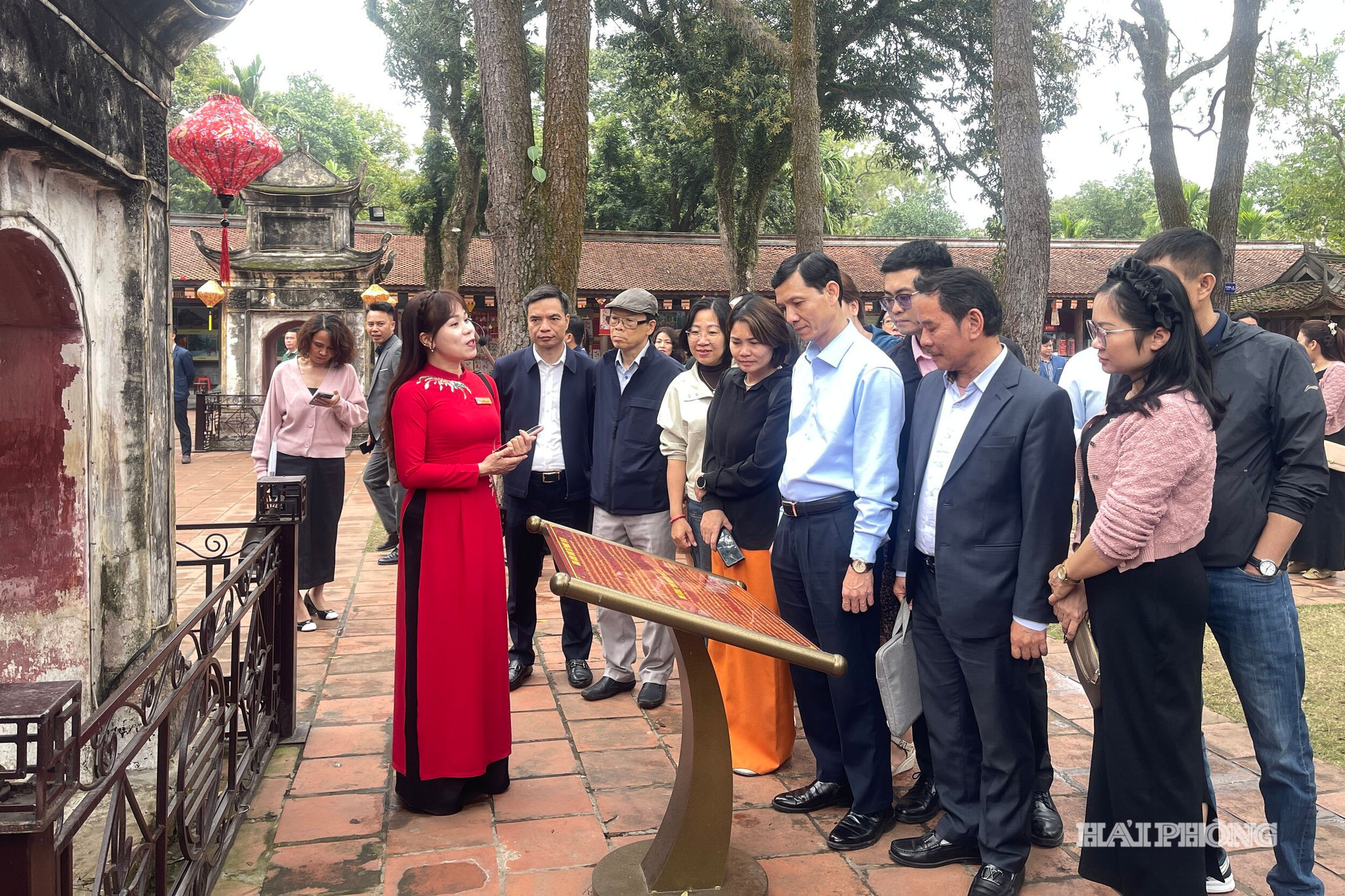
The artifacts have scientific records, undergo regular condition assessments and are preserved under conditions suited to their respective materials. Hai Phong Museum is stepping up the digitization of heritage materials and developing virtual exhibition spaces, enabling residents and visitors to explore and admire the treasures online. This approach broadens public access to heritage while reducing direct physical impact on the original artifacts.
Attention is also paid to thematic exhibitions and educational visits. By observing artifacts and learning about their origins, dates and historical significance, students have more opportunities to explore heritage in a vivid, hands-on way.
As Hai Phong focuses on developing cultural industries, the national treasures also hold potential to become highlights of cultural tourism products, educational activities and scientific research.
Each national treasure preserves a part of Hai Phong's history and culture. Safeguarding these artifacts is not only the responsibility of management agencies and collectors but also requires the joint efforts of the community so that these heritage values will continue to be passed down to future generations.
PHUONG LINH