


Gửi bình luận
Hai Phong is accelerating the expansion of its development space by simultaneously implementing industrial parks, economic zones and strategic infrastructure projects in 2026.
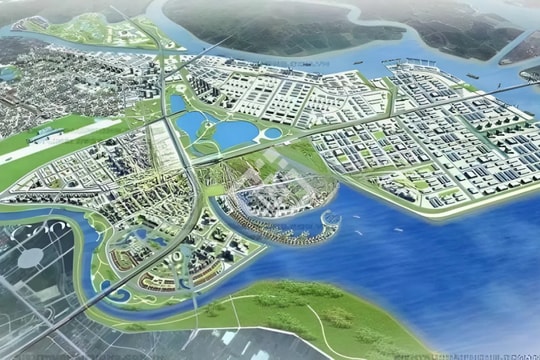
Hai Phong’s growth momentum over recent years has been closely tied to the development of industrial parks and economic zones. With three economic zones and one free trade zone currently in operation, covering a total area of about 47,840 hectares, along with 45 industrial parks spanning nearly 13,000 hectares, Hai Phong is gradually becoming a major industrial hub in northern Vietnam, attracting an increasing number of leading global corporations in technology, electronics, mechanical engineering and supporting industries.
According to the city’s socio-economic report for the first four months of 2026, total foreign direct investment (FDI) attracted by Hai Phong as of April 20 reached approximately USD 1.298 billion, up 76.26% compared to the same period last year and exceeding the city’s growth scenario targets. Of this amount, industrial parks and economic zones alone attracted around USD 1.242 billion, accounting for 95.7% of total FDI inflows into the city. The industrial production index (IIP) rose 15% during the first four months, while total export turnover reached approximately USD 18.3 billion, up 26.2% year-on-year.
These figures continue to demonstrate that industry in general, and industrial parks and economic zones in particular, remain the city’s primary growth drivers. However, as occupancy rates at many existing industrial parks rise rapidly, the need to expand development space and prepare clean land for new projects has become increasingly urgent.
.jpg)
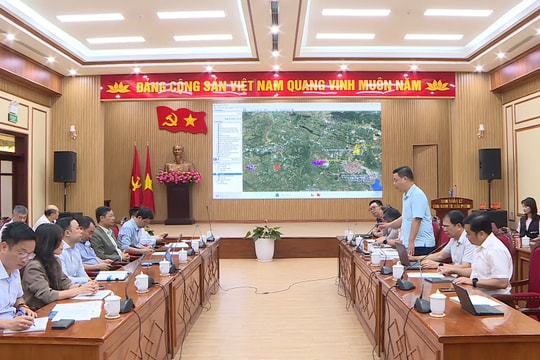
According to the Hai Phong Economic Zone Authority, the city is currently accelerating procedures to launch nine new industrial parks while simultaneously investing in infrastructure for 11 industrial parks that have already broken ground. Among them, many large-scale projects are being prioritized for site clearance, investment procedures and technical infrastructure completion to ensure progress in line with the city’s 2026 growth targets.
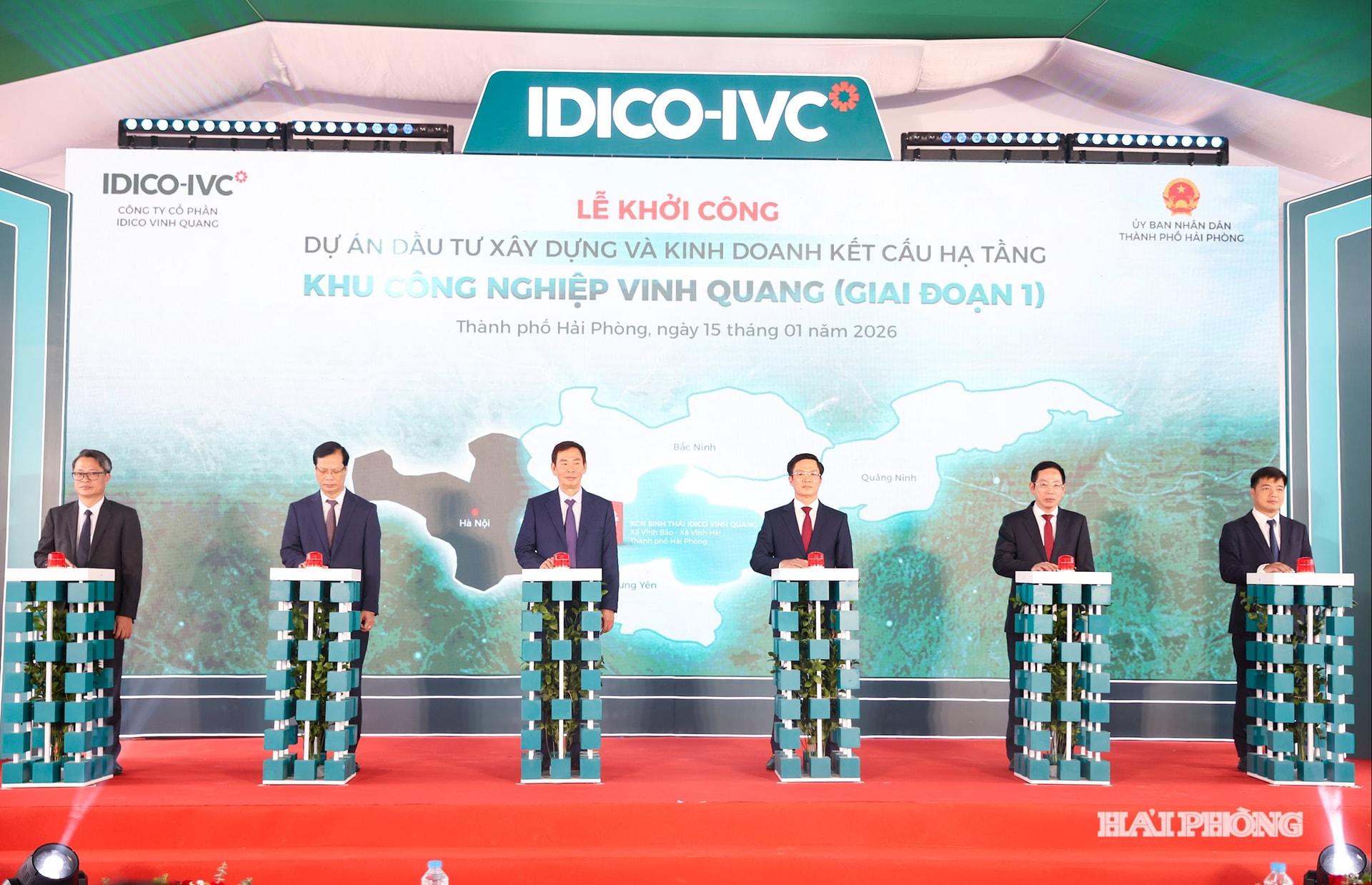
Alongside projects preparing for groundbreaking, infrastructure development is also being accelerated at other industrial parks such as Trang Due 3, Tien Thanh, Xuan Cau, Vinh Quang, Tan Trao, Kim Thanh and Tien Lang 1. This demonstrates that Hai Phong is entering a new phase of large-scale industrial expansion, forming a broader ecosystem of manufacturing, logistics and industrial services than ever before.
Beyond existing industrial parks, the Hai Phong Economic Zone Authority is also promoting planning for additional western industrial parks including Binh Giang 2, Binh Giang 3, Thanh Ha, Thanh Mien 2 and Tu Ky 1. These projects are considered an important preparation step to create medium- and long-term industrial land reserves, while also expanding industrial development space into new areas following administrative boundary adjustments.
A notable aspect of Hai Phong’s current industrial development orientation is the shift away from extensive growth toward next-generation industrial park models centered on high technology, supporting industries, logistics and green production.
Le Hiep