.jpeg "Focusing on growth targets and successfully organizing the election")

Gửi bình luận
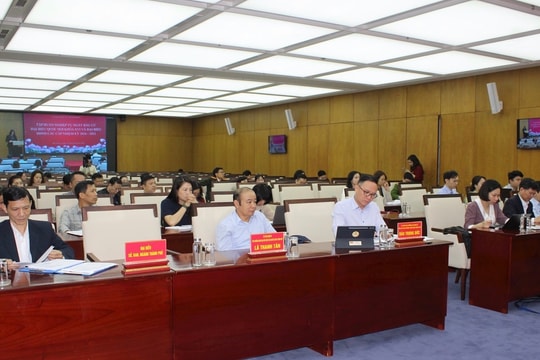
At this peak period, communication efforts, application of technology, and provision of organizational conditions are being implemented in a coordinated manner, creating favorable conditions for voters to exercise their rights and fulfill their civic duties.
The election of deputies to the 16th National Assembly and the People’s Councils at all levels for the 2026–2031 term is entering a crucial stage. This period is considered decisive to the overall success of the election, in which communication work encouraging voters to actively participate in voting, elect the full number of deputies, and ensure the required structure has been identified as a key task.
According to Ms. Ta Thi Yen, Deputy Head of the Committee for Deputy Affairs and Deputy Chief of the Standing Office of the National Election Council, a notable feature of this election is the application of information technology in many stages of the election process.
Technological applications are being used in managing voter lists, monitoring the progress of election preparations, and compiling and reporting election results. The application of technology helps improve data accuracy while reducing pressure on grassroots election personnel.
One of the highlights is that the Ministry of Public Security has issued guidelines on exploiting the National Population Database and using the VNeID national electronic identification application in the process of compiling voter lists and printing voter cards for the election.
Accordingly, voters can open the VNeID application to look up information about candidates in their place of residence, instead of searching for such information through traditional methods as before. In addition, data on voter turnout will be regularly updated on the system—expected to be updated about every two hours—helping polling teams keep track of voting progress in a timely manner.
The application of information technology not only improves management efficiency but also contributes to ensuring timeliness and transparency in the election process. However, it also requires strict measures to guarantee information security, cybersecurity, and the protection of election-related data.
In several localities with difficult geographical conditions, authorities at all levels have proactively developed appropriate election organization plans to ensure the voting rights of residents.
For example, in Doc May hamlet, Truong Son commune (Quang Tri province), voters must walk through forest paths for six to nine hours to reach the center. Similarly, in Hoi Ray and Nuoc Dang hamlets, residents must travel by motorboat for two to three hours to reach the central area.
Under such conditions, if polling teams were required to complete all procedures in a single day to compile and report results, they would face significant difficulties that could affect the overall progress. Therefore, local authorities have proactively designed election plans suited to their real conditions.
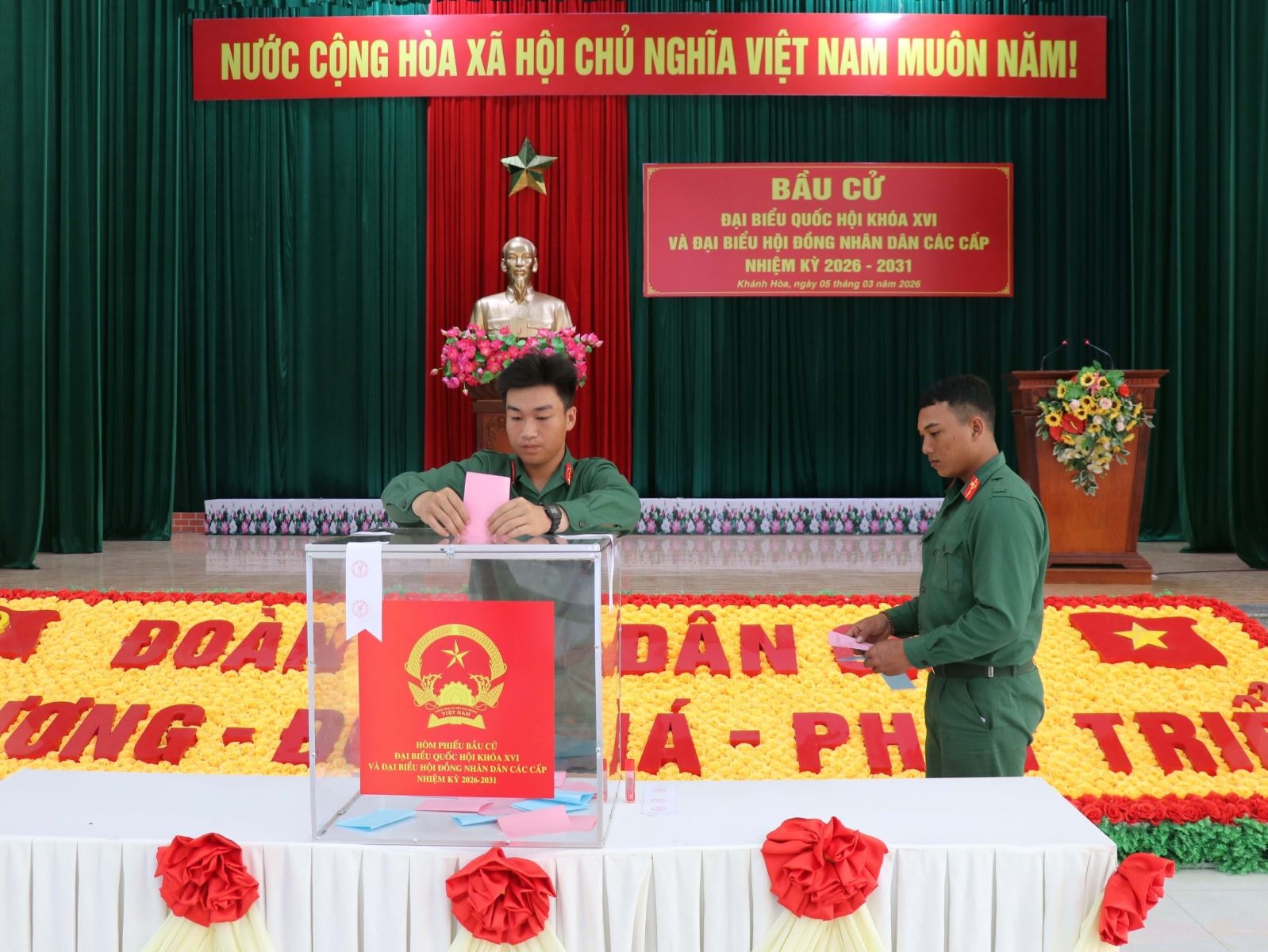
In Ho Chi Minh City, the Long Son Commune Election Committee coordinated with the Naval Region 2 Commandto organize early voting at the port for forces performing duties at sea. At the same time, two delegations were sent to carry out early voting for personnel at DK1 offshore platforms, ships on duty, and fishermen operating at sea.
The early voting process was conducted strictly, democratically, objectively, and in accordance with legal regulations. Voter lists were carefully verified case by case, and voter cards, seals, and official records were thoroughly checked before voting began.
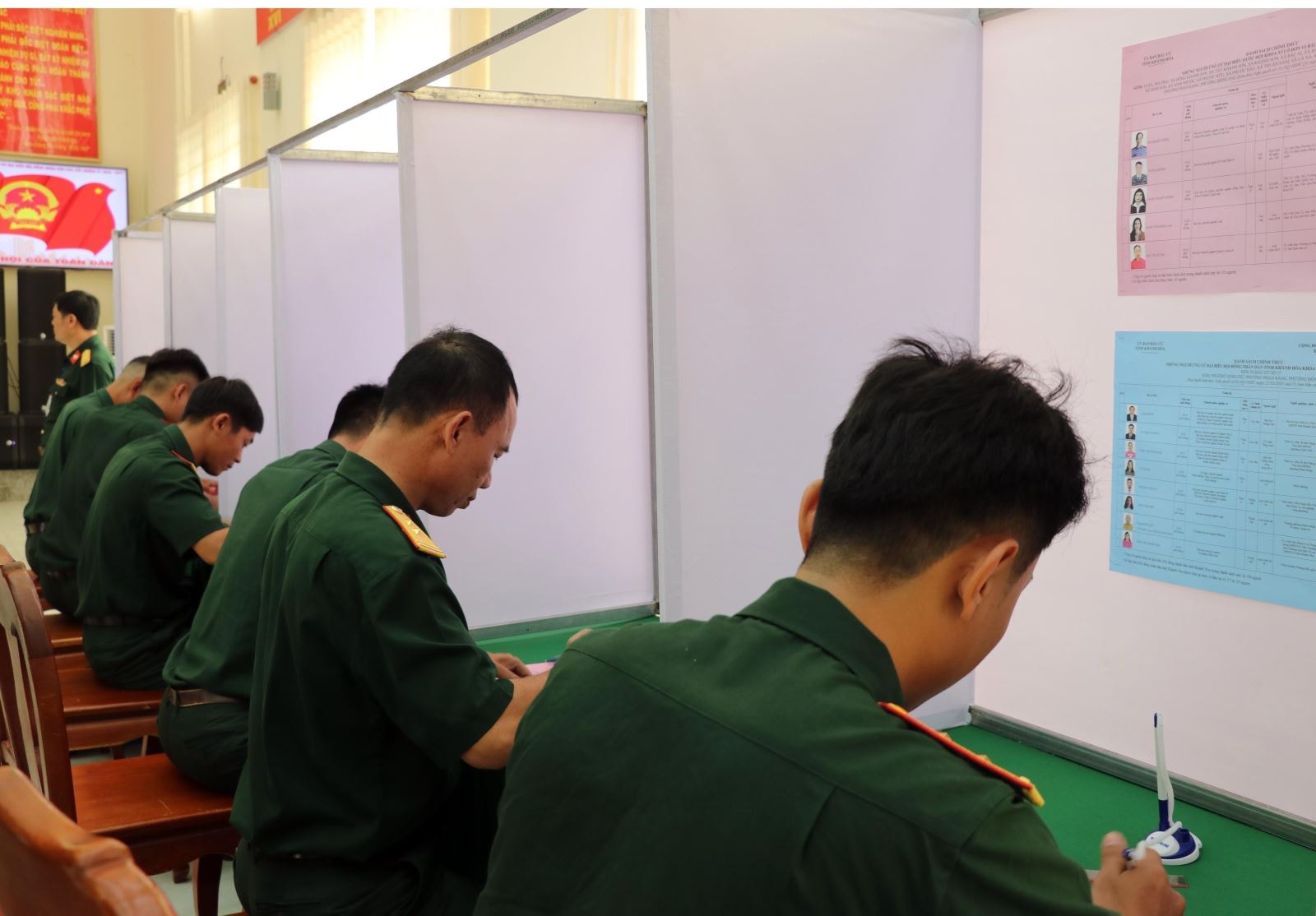
Both main ballot boxes and mobile ballot boxes were inspected to ensure proper sealing in accordance with regulations. The polling station rules, along with the list and biographies of candidates, were publicly posted and clearly displayed for voters to follow. The polling space was also arranged neatly and scientifically, creating favorable conditions for voters to exercise their civic rights.
According to Ms. Ta Thi Yen, the election of deputies to the 16th National Assembly and the People’s Councils at all levels for the 2026–2031 term is taking place about two months earlier than in previous terms.
At the same time, the timeline for implementing steps in the election process has also been shortened. The period from the end of the candidate nomination deadline to Election Day has been reduced from 70 days to 42 days. Other milestones related to consultative meetings, the announcement of the list of candidates, and the settlement of complaints and denunciations have also been adjusted accordingly.
Although the preparation period is shorter and takes place close to the Lunar New Year, personnel preparation for the three consultative conferences has been carefully organized, ensuring the required structure, composition, and standards in accordance with regulations.
As National Assembly Chairman Tran Thanh Man affirmed at the nationwide online conference on election preparations on February 26, preparations from the central to local levels have so far been implemented systematically, on schedule, in accordance with the law, and in a synchronized and well-coordinated manner.
Reports from many localities indicate that funding, facilities, and resources for the election have been prepared and allocated in a timely manner. Communication and information activities have also been organized seriously and vividly, closely following the orientation and leadership of the central authorities.
In addition, ensuring security and public order for the election has been closely directed by local authorities. Many localities have proactively developed response plans and scenarios, especially regarding network systems and the compilation of voter lists, to ensure the election process proceeds smoothly.
According to a Resolution of the Standing Committee of the National Assembly, compared with the previous term, the structure and composition of nominees for deputies to the 16th National Assembly have been adjusted to align with the recent restructuring of the organizational system.
Specifically, the number of deputies from central agencies and full-time deputies at the central level has increased by about 10 seats, from 207 to 217, accounting for 43.4% of the total number of deputies. Correspondingly, the number of deputies from localities has decreased from 293 to 283, accounting for 56.6%.
Notably, the allocation of deputies representing research institutes, universities, and academies, as well as those representing enterprises, associations, and professional unions in production and business sectors, has increased to 10 deputies for each group, whereas in the previous term each group had only about six to seven deputies.
In addition, the new structure also includes reasonable proportions of young deputies, intellectuals, scientists, artists, ethnic minority representatives, and religious dignitaries.
The determination of the structure, composition, and allocation of candidates is carried out through a multi-step consultative process, ensuring strict procedures, democratic principles, and high consensus among relevant agencies, organizations, and units.
This demonstrates that preparations for the election of deputies to the 16th National Assembly and the People’s Councils at all levels for the 2026–2031 term are being implemented seriously and rigorously, ensuring broad representation of all sectors of society in the state’s governing bodies.
Hai Phong News