


Gửi bình luận
In response to development needs in industry, logistics, urban management and environmental protection, Hai Phong is identifying key challenges and mobilizing scientists and businesses to research, develop and apply technological solutions in practice.
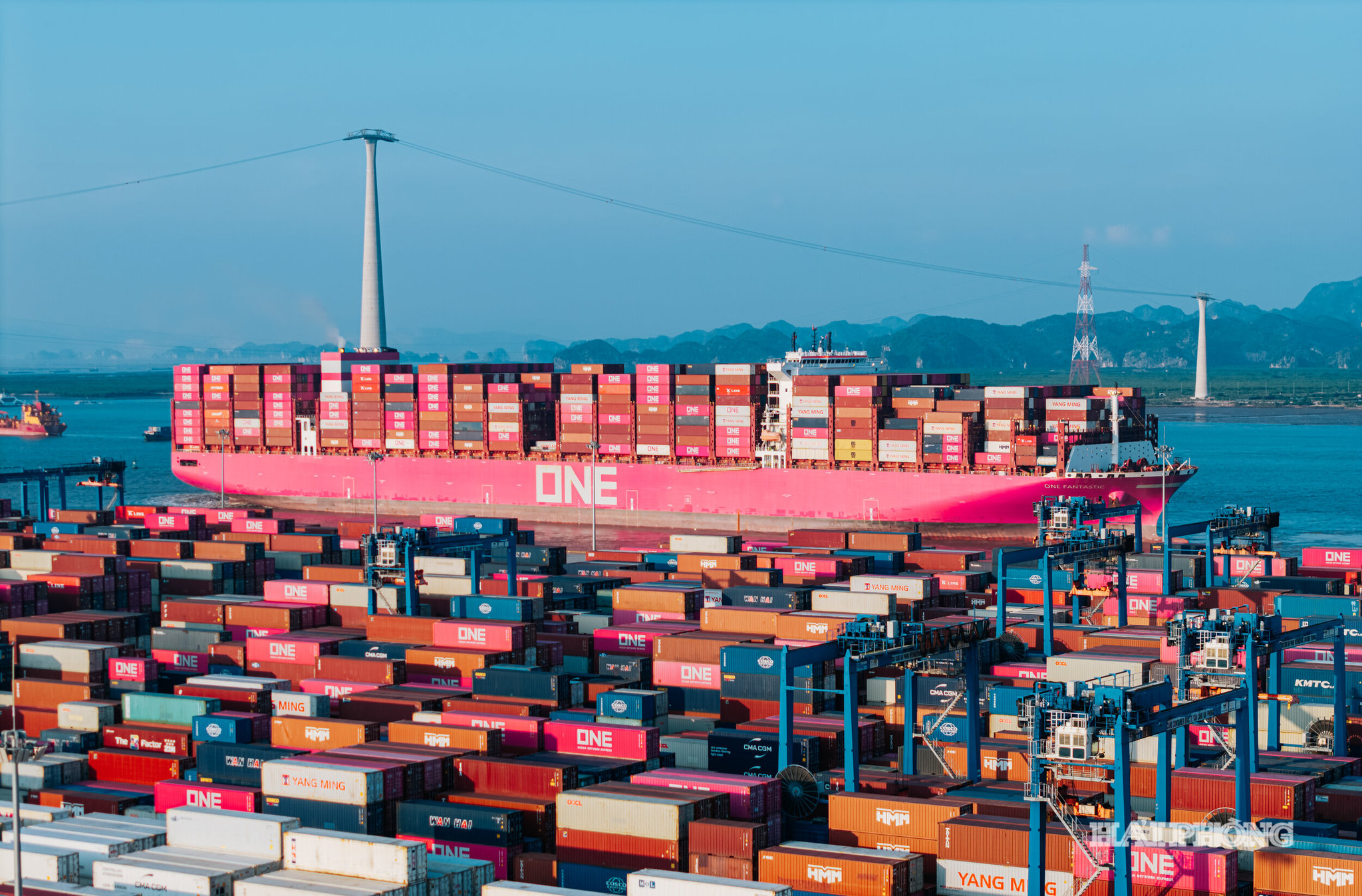
Defining challenges based on practical needs
The development of high-tech industries, more efficient seaport and logistics operations, solutions to urban flooding and pollution control all require appropriate scientific and technological solutions. Hai Phong is translating these demands into research tasks with clearly defined objectives and practical deliverables.
According to Nguyen Cao Thang, Director of the Department of Science and Technology, to sustain high growth, Hai Phong needs to harness new drivers from knowledge, data and technology alongside land and traditional investment. Identifying major challenges helps concentrate research resources on urgent issues.
One specific task is to develop a smart port and logistics community platform. According to a list circulated by the Department of Science and Technology for consultation, the proposed deliverables include a multimodal transport connectivity system, cargo flow forecasting, real-time logistics performance indicators and a pilot paperless documentation system linked to the Hai Phong Free Trade Zone, with the aim of improving infrastructure utilization and reducing costs.
Le Hong Quan, General Director of Hai Phong Port JSC, said the company was modernizing its management and operational processes, digitizing cargo delivery and receipt through ePort and Smart Gate, and applying technology to berth, container yard and equipment management and coordination. Technology adoption at individual ports needs to go hand in hand with data connectivity among port operators, transport companies and warehouses to improve efficiency across the entire logistics chain.
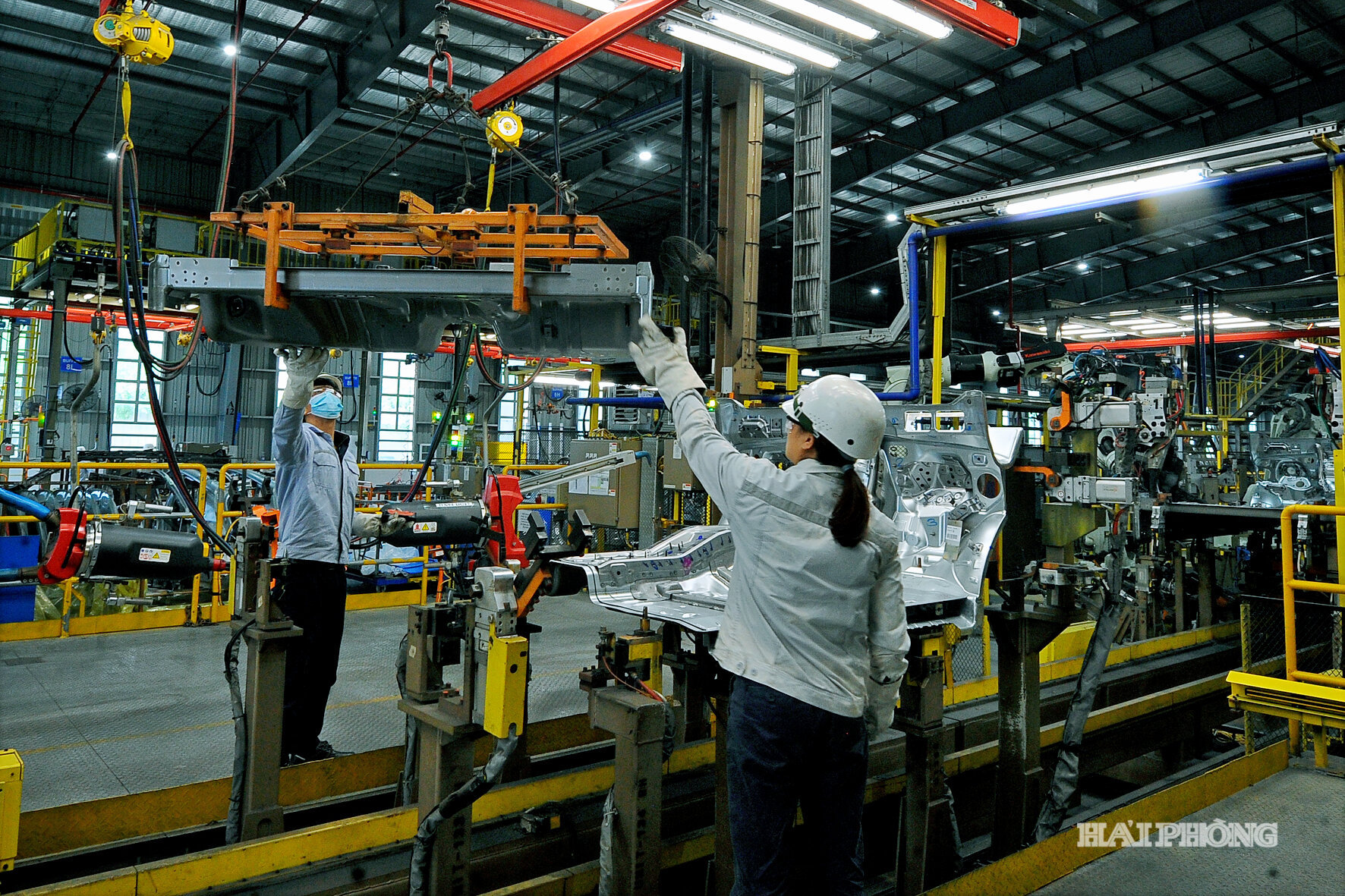
In industry, the issue of developing supply chains in support of electronics, semiconductors and shipbuilding aims to strengthen domestic businesses' capabilities and help them meet the technical standards of major corporations. In the environmental and urban sectors, monitoring, forecasting and flood-control solutions need to directly support management and residents' lives.
Commissioning research with a focus on practical outcomes
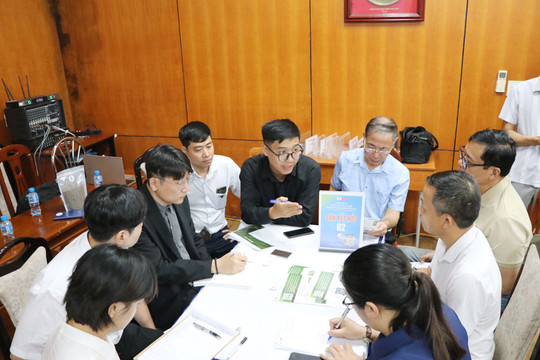
At a working session with leaders of VNPT Group on the afternoon of October 30, Chairman of the Hai Phong People's Committee Do Thanh Trung emphasized that cooperation must be practical, with clearly defined priorities, specific challenges and outputs. Solutions must be practical and feasible, serving management and operational needs as well as those of residents and businesses. Each party's responsibilities, designated focal points and implementation timelines must also be clearly established.
The key is not merely to assign research tasks, but also to identify the end users, testing conditions and operational resources required after acceptance. For example, an urban flood warning system needs to connect monitoring data with forecasting capabilities to support traffic management and emergency response plans.
In industry and logistics, businesses need to help define technical requirements, costs and expected benefits. Research institutes and universities can develop solutions, while businesses provide opportunities for real-world testing, increasing the potential for commercialization.
In late October 2026, Hai Phong launched its Network of Science, Technology and Innovation Intellectuals, along with the "One Hour for Hai Phong" initiative, creating an additional channel for connecting domestic and international experts. The city also established an advisory council on science and technology development, innovation and digital transformation, comprising 46 experts. These resources need to be linked to specific tasks and clearly identified end users.
Resolution No. 57-NQ/TW of the Politburo identifies science, technology, innovation and digital transformation as top-priority breakthroughs. For Hai Phong, major challenges must be translated into specific tasks, with designated implementing units, deliverables that are put to use and measurable results, making practical contributions to the quality of economic growth and the city's sustainable development.
NAM KHANH