

Gửi bình luận
From plastic bottles and aluminum cans to scrap paper, women's unions across Hai Phong are setting up ‘green houses’ to raise funds for charitable activities, helping protect the environment while supporting people in difficult circumstances.
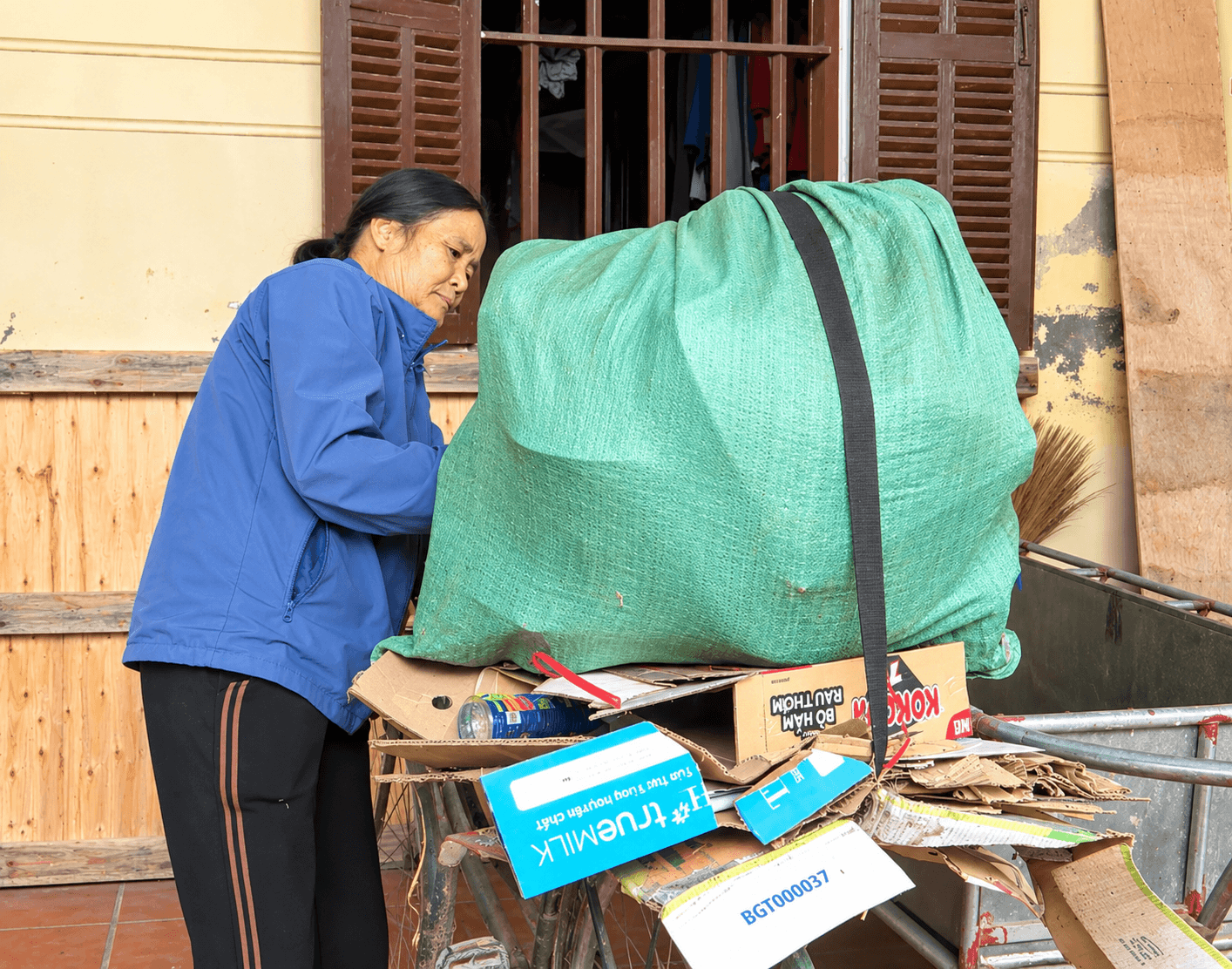
Collecting recyclables, sharing love
For Nguyen Thi Lau, a member of the Women's Union of An Nhan Dong Village in Tu Ky Commune, collecting plastic bottles, aluminum cans and cardboard to contribute to a “green house” set up by the Commune Women's Union near her home has become a daily habit.
“What makes me happiest is that items no longer useful in our house can still help people in need, including union members who have unfortunately suffered accidents or unexpected misfortunes. I find this small act meaningful, so it has gradually become a habit for my whole family,” said Lau.
The Commune Women's Union is currently maintaining 20 “green houses” across 15 villages, providing collection points where members and local residents can deposit recyclable materials. Since the beginning of 2026, proceeds from selling these materials have totaled VND 21 million, enabling the union to present 95 gift packages to people facing hardship.
Since 2025, the Hai Duong Ward Women's Union has introduced the “green house” model to raise funds for charitable activities across its local branches. To date, all 18 branches have established 20 collection points in residential neighborhoods. According to Nguyen Thi Huong, Chairwoman of the Ward Women's Union, the initiative has raised more than VND 30 million and provided over 50 gift packages to members, families and children in difficult circumstances.
Through these recyclable-material collection points, women's unions have gained additional resources to proactively support members, children and disadvantaged families in their localities. Assistance is not limited to holidays and the New Year but is also provided promptly to those facing unexpected hardships and needing encouragement in their daily lives.
From changing habits to connecting communities
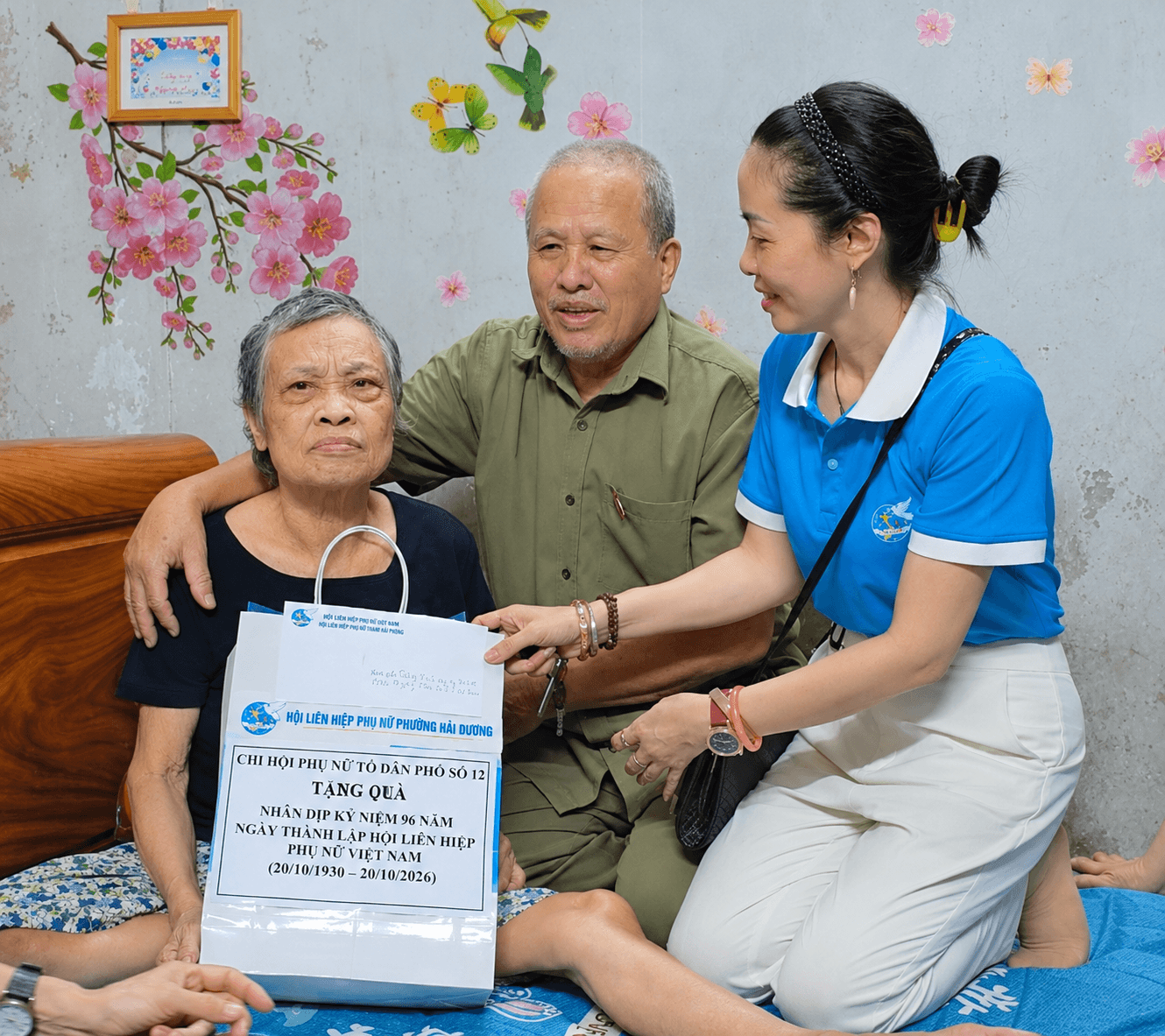
One of the most valuable aspects of the “green house” model is that what began as an initiative launched by the Women's Union has now become a regular activity, attracting participation from numerous families and various community groups.
In Residential Group 12, Hai Duong Ward, the initiative is sustained thanks to the active involvement of women's union members and the enthusiastic support of local residents. According to Dang Van Huy, Head of Residential Group 12, the model not only helps raise environmental awareness but also generates funds to support people in difficult circumstances. Its practical benefits have earned strong public support and participation.
In Nam Dong Ward, the model has also been implemented in coordination with local Party committees and authorities. In addition to providing guidance and facilitating its implementation, local authorities encourage the Women's Union to work with residential groups and mass organizations to raise public awareness, mobilize residents, arrange collection points, maintain operations and monitor the use of the funds. Coordination among these groups helps ensure the model operates consistently and effectively.
According to Le Thi My Phuong, Standing Deputy Secretary of the Ward Party Committee, the locality will continue expanding such initiatives to further enhance their effectiveness. This will also contribute to the effective implementation of the Law on Environmental Protection and raise public awareness of waste sorting and treatment at source.
As waste sorting becomes a habit and charitable giving turns into a voluntary, self-motivated activity, the “green houses” will not only help protect the environment but also spread a spirit of compassion and strengthen bonds among neighbors in residential communities.
TAM PHUC