.png "Expanding unemployment insurance to seasonal workers")
.jpg "Hai Phong firms step up heat protection for workers")


Gửi bình luận
Building a strong and modern working class is key to Hai Phong’s rapid development in the coming period.
Increasingly practical care and protection for workers
Following administrative consolidation, in 2025 Hai Phong’s economy continued its impressive growth momentum, with around 7,200 newly established enterprises—an increase of more than 33% year-on-year. This strong growth has driven a rapid rise in labor demand, especially in industrial parks and economic zones. According to the Hai Phong Economic Zone Authority, the workforce in industrial parks increased from 188,000 in 2022 to 360,000. This is a crucial labor force directly engaged in key sectors such as electronics, mechanical manufacturing, logistics, and port services.
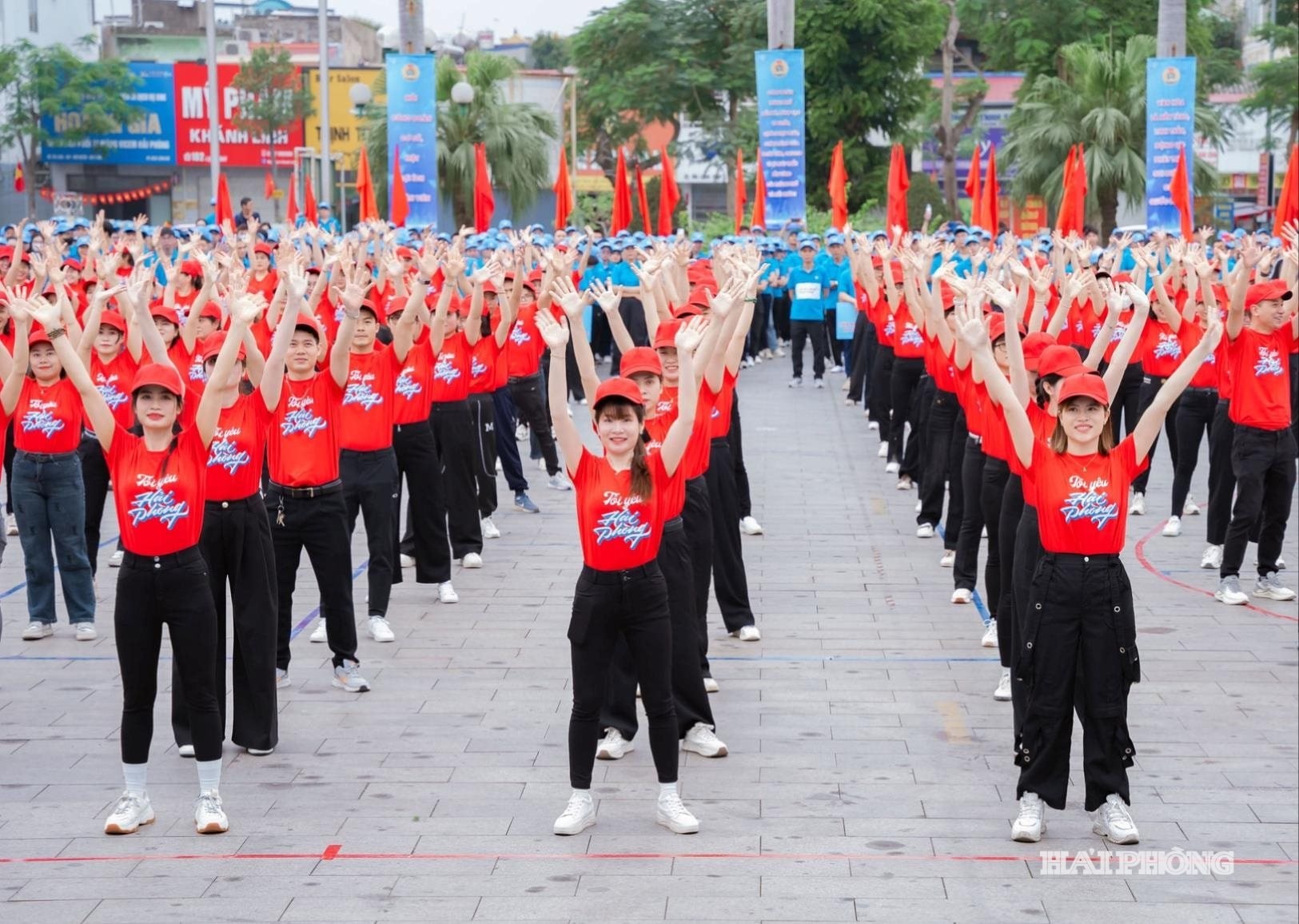
During the 2021–2025 period, to build the working class in industrial parks, the City Party Committee’s Department for Communication and Mass Mobilization, the Economic Zone Authority, and the City Labor Federation have coordinated to implement comprehensive measures to improve living standards and protect the legitimate rights and interests of workers. One highlight is the strong innovation in legal communication and awareness programs. The three units have actively coordinated to disseminate information on labor law, social insurance, social housing, and related policies to more than 10,000 workers, while expanding digital communication through social media, attracting tens of thousands of followers.
Notably, issues related to wages, bonuses, working conditions, living standards, and labor relations have been regularly monitored and promptly addressed, preventing prolonged or complex labor disputes. Trade unions at all levels have proactively advised employers to organize more than 1,400 dialogues, resolving numerous worker concerns. The city currently has 1,682 valid collective labor agreements, with over 70% rated Grade B or higher.
In addition, trade unions have organized the “Tet Reunion" program, distributing over 341,500 gift packages with a total budget exceeding VND 120.6 billion, and supporting 2,900 train and bus tickets for workers to return home for Tet. The “Union Shelter” program has supported the construction and repair of 448 houses with total funding of more than VND 25.3 billion. More than 2,300 workers in difficult circumstances or suffering from serious illnesses have received emergency assistance totaling VND 11.4 billion.
Enhancing policies to attract and retain workers
Rising demand, growing challenges
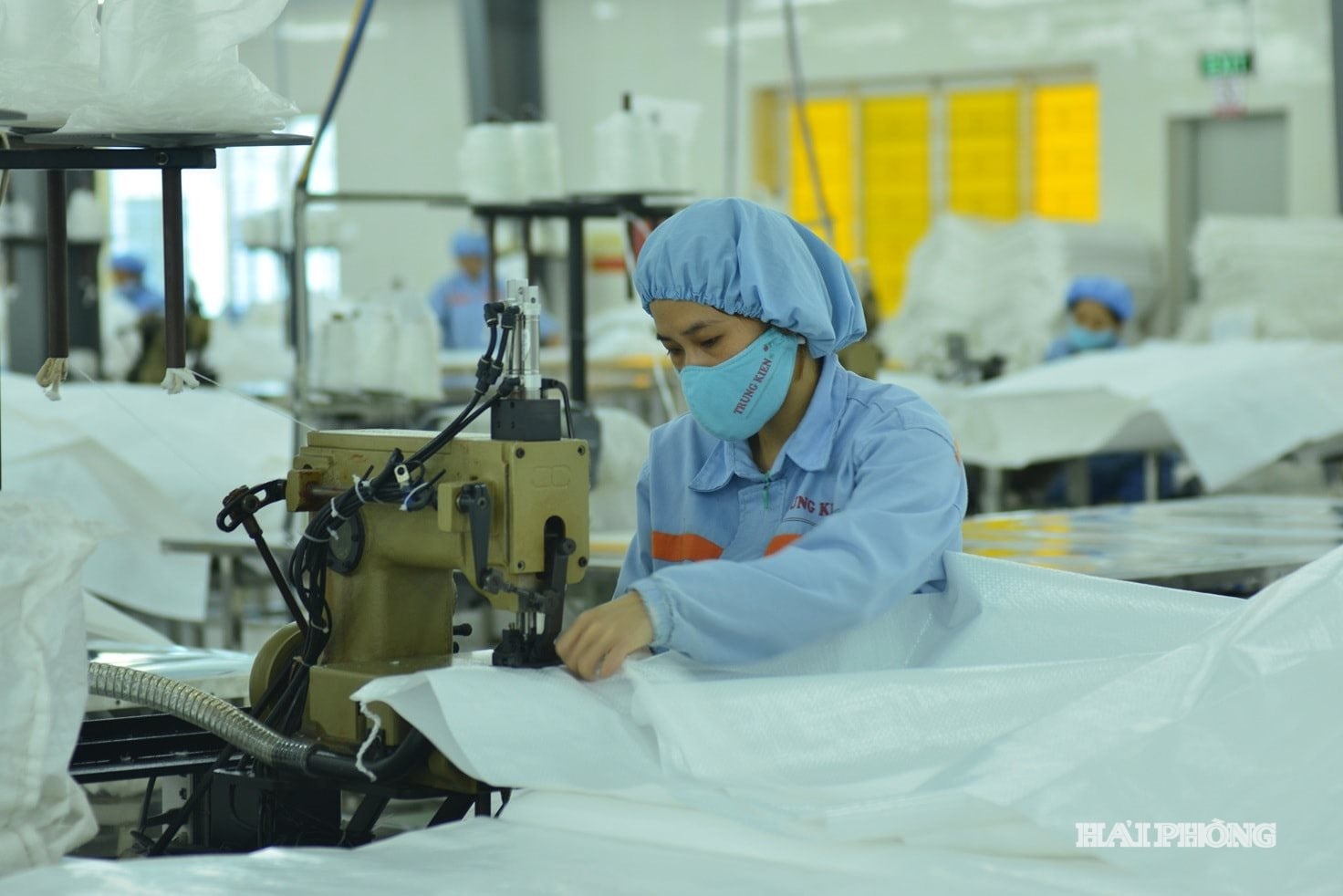
In the 2026–2030 period, Hai Phong is poised for breakthrough development with increasingly complete infrastructure and expanded industrial planning. The city currently has 45 industrial parks and economic zones, and plans to establish up to 82 industrial parks along with new economic zones in the coming years. As a result, labor demand is expected to surge, with an estimated need for 90,000–100,000 workers in 2026 alone. This means the working class will grow rapidly in both size and sectoral structure.
However, this growth also brings significant challenges related to employment, income, and living conditions. The average income of workers in Hai Phong currently ranges from VND 8.7 to 9 million per month. Although improved, it remains at a moderate level, with many workers relying on overtime to make ends meet. Housing costs, childcare, and healthcare continue to be major burdens for a considerable number of workers.
Strengthening policies to attract and retain workers
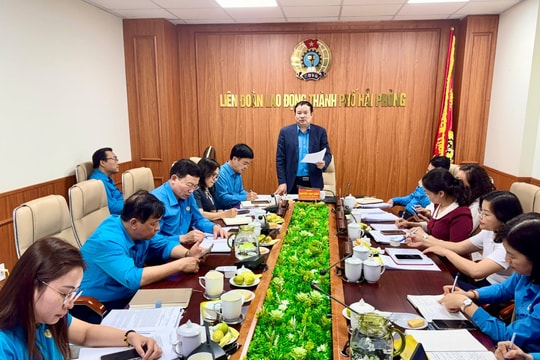
In this context, the coordinated program among three key agencies for the 2026–2030 period sets a core objective: building a strong, modern working class in Hai Phong with high qualifications, skills, and industrial discipline to meet the city’s rapid and sustainable development needs. Strengthening dialogue, collective bargaining, and building harmonious, stable, and progressive labor relations remain central tasks. Efforts will also focus on improving workers’ cultural and spiritual life, accelerating the construction of worker housing and dormitories in industrial parks, and facilitating access to social housing.
According to Mr. Pham Van Thep, Member of the Standing Committee of the City Party Committee and Head of the Hai Phong Economic Zone Authority, proposals are being developed to introduce practical and synchronized policies to help workers access social housing. This is seen as a key step in addressing housing stability—one of the most critical factors for retaining a long-term workforce.
Meanwhile, Mr. Nguyen Quang Phuc, Member of the Standing Committee of the City Party Committee and Head of the Department for Communication and Mass Mobilization, emphasized that housing policies must be implemented decisively to attract and retain workers from other provinces. At the same time, efforts should focus on identifying and nurturing outstanding union members from the workforce for Party admission, while strengthening the development of Party and trade union organizations within enterprises to provide reliable support for workers.
Additionally, workforce training and high-quality human resource development are being accelerated through stronger links between businesses and educational and vocational training institutions, enhancing labor capacity in the context of international integration and digital transformation.
With clear orientations and concrete solutions, Hai Phong is steadily building a modern, skilled, disciplined, and resilient workforce—laying the foundation for sustained high growth and reinforcing its position as a leading industrial and logistics hub in Vietnam.
Nguyen Nguyen