
Gửi bình luận
The shifting flow of investment is bringing a new “wave” of industrial and infrastructure development in Hai Phong to the An Duong Urban Area, which is emerging as a new growth pole and the “heart” of the core region, seizing breakthrough opportunities through rapidly improving infrastructure.
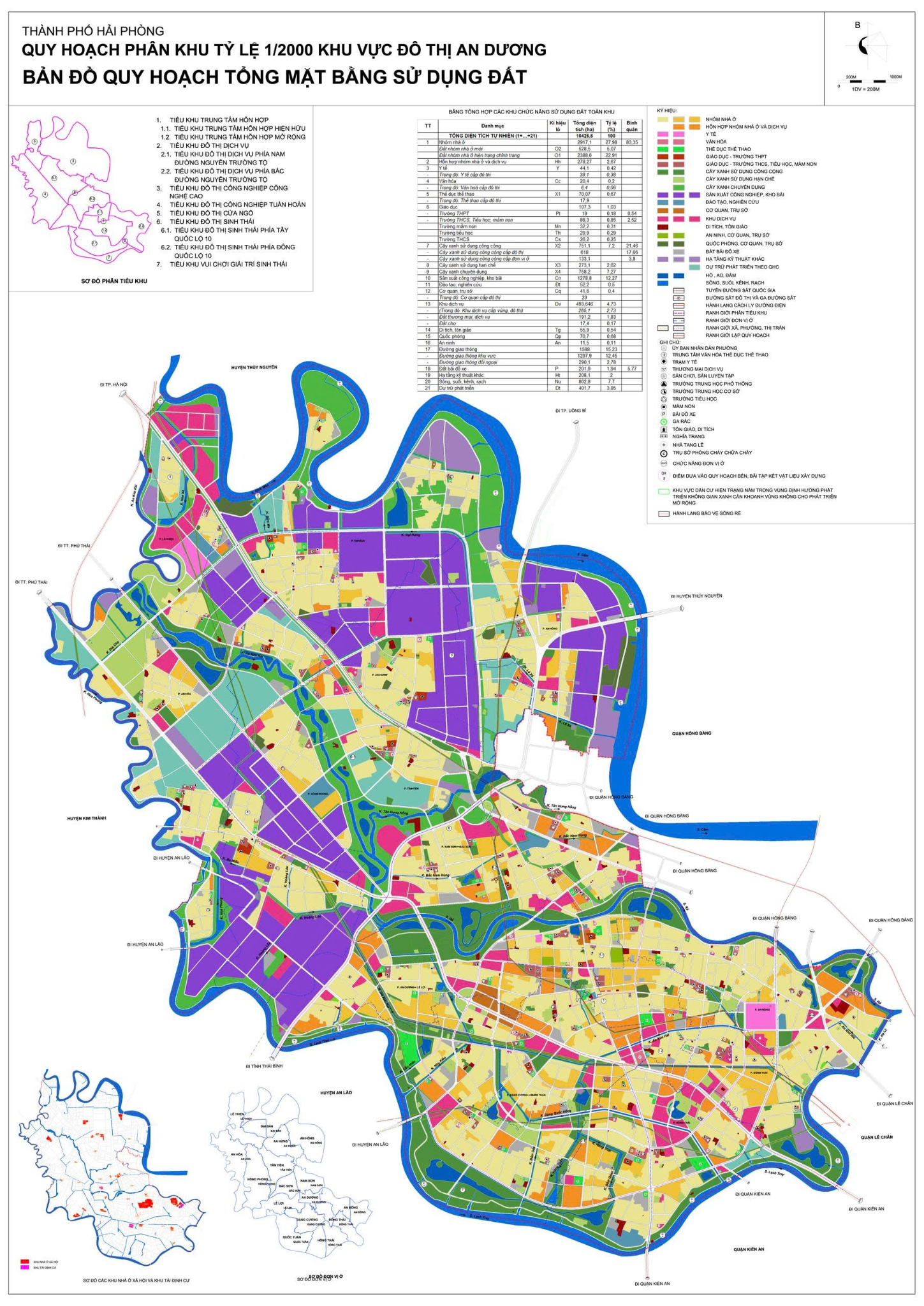
Hai Phong is reinforcing its role as a key industrial and logistics hub in northern Vietnam, driven by large-scale FDI inflows, an international seaport system, and increasingly well-developed regional infrastructure. The expansion of industrial parks, along with a new wave of investment from global manufacturing corporations, is creating room for the city to develop new growth poles.
This growth momentum is clearly reflected in the city’s economic indicators in recent years. Hai Phong is currently one of the fastest-growing localities in the country, with its GRDP increasing by 11.81% in 2025 and its economic scale reaching nearly USD 30 billion, ranking third nationwide. In the first quarter of 2026, the city maintained growth of more than 11%, placing it among the centrally governed cities with the highest growth rates.
Beyond growth in scale, Hai Phong has also demonstrated strong appeal in the quality of its investment inflows. For many consecutive years, the city has remained among the leading localities nationwide in attracting FDI.
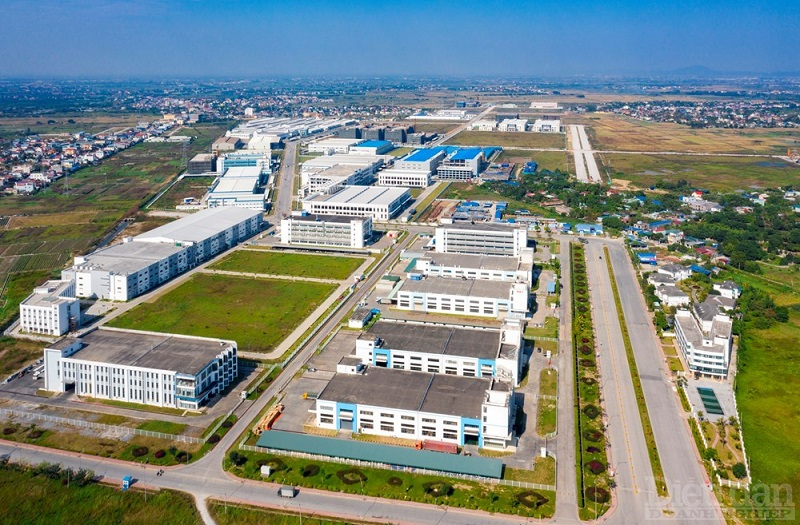
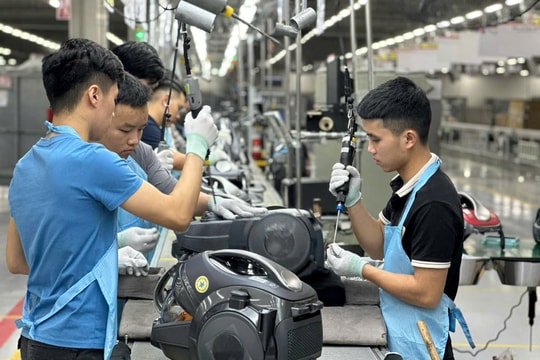
Large-scale investment inflows are not only accelerating manufacturing activities, but also driving demand for workers, experts, services, and residential spaces surrounding industrial parks. This has become a foundation for areas across Hai Phong, particularly the former Hai Duong province, to gradually establish new development momentum associated with industry, infrastructure, and expanding urbanization.
Viewed from today’s industrial and infrastructure map, An Duong is one of the areas that most clearly reflects this transformation. It sits at the convergence of multiple development drivers: industrial parks, regional transportation networks, and the outward urban expansion from the city center.
Among them, Trang Due Industrial Park continues to serve as a major growth engine for surrounding localities. The presence of high-tech manufacturing corporations, together with plans to expand the industrial park, is gradually shaping a new “industrial belt” in Hai Phong. As industrial development reaches a certain scale, urban growth typically follows — not only to meet housing demand, but also to support the broader ecosystem of commerce, services, and accommodation.
Alongside Trang Due, An Duong Industrial Park plays the role of a transitional hub between industrial production and emerging urban spaces. The area no longer resembles a standalone industrial suburb; instead, it is increasingly becoming a crossroads for the flow of goods, labor, and new residents.
What sets An Duong apart is its connectivity. Major transportation corridors such as National Highway 10, the 68-meter high-speed arterial road, and the 43-meter internal road within An Duong Industrial Park are creating a direct network linking industrial zones, residential areas, and neighboring growth regions. In particular, the 68-meter high-speed route is regarded as a new strategic artery for logistics and industrial transportation in Hai Phong. Once completed, it is expected to significantly shorten connectivity between industrial parks, seaports, and residential areas, while opening further opportunities for commercial and urban development along both sides of the corridor.
More importantly, An Duong is not a greenfield development area. It already has an established residential community, local commercial activities, and a stable daily rhythm of life. As industrial expansion and transportation infrastructure continue to improve, the area is expected to be among the first to benefit from rising real housing demand and accompanying services.
In many industrial cities, when employment growth reaches a critical scale, the market typically begins to demand more well-planned living spaces — places where residents can maintain quick access to industrial zones while also enjoying commercial amenities and urban infrastructure. This is often the stage when areas located between major transportation corridors and industrial hubs enter a new growth cycle.
As Hai Phong continues to strengthen its role as northern Vietnam’s industrial and logistics center, the western part of the city is gradually taking shape as a new development pole. Amid this transformation, the An Duong urban area may become one of the places most clearly experiencing the expanding growth momentum — from industry to urbanization, and from infrastructure development to rising demand for housing and commercial services.
Hai Phong News