
Gửi bình luận
Order-based training helps vocational education institutions in Hai Phong align graduate outcomes with the actual needs of the labor market.
Placing orders early
One of the reasons new graduates often lack experience is that training programs remain heavily focused on theory, while opportunities for practical training, internships and real-world experience are limited. The gap between classroom knowledge and workplace requirements means businesses must spend additional time and money on retraining.
The model in which businesses commission training programs from educational institutions is beginning to help narrow the gap between academic knowledge and practical job requirements.
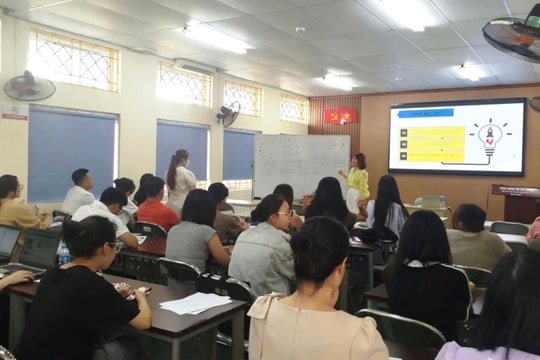
Logistics is one of the sectors facing a shortage of workers with vocational skills, foreign language proficiency, digital technology capabilities and professional working practices. Anticipating this trend, vocational training institutions have developed programs with more time allocated to practical training while expanding partnerships with businesses in seaports, transportation and logistics for students to gain early exposure to real working environments.
Master’s degree holder Le Thi Linh of the Faculty of Economics and Technology at the College of Maritime and Inland Waterway Transport I said classroom theory alone was insufficient for logistics students. The college is therefore shifting strongly toward learning through work and real-life scenarios.
Students practice preparing documents, processing orders and organizing warehouse operations at enterprises. The faculty also regularly updates and adjusts its training programs in accordance with government regulations, consulting businesses in the process.
Strengthening partnerships
According to Dr. La Dinh Ke, Rector of Hai Phong Technical College, the college has established partnerships with more than 30 enterprises and organizations in industries including electronics and technology. Some businesses commission comprehensive training programs for students in welding, metal cutting and related fields, ensuring that all students secure jobs while still studying.
Survey results for the 2023 – 2026 period show that more than 80% of graduates found jobs in fields directly or closely related to their training, while 85% of surveyed enterprises were satisfied with the quality of the workforce trained by the college.
Most vocational education institutions in the city cooperate with enterprises in various forms and to varying degrees, ranging from accepting interns and recruiting graduates to commissioning training programs. Among these arrangements, commissioned training is considered a way to encourage deeper business participation in vocational education.
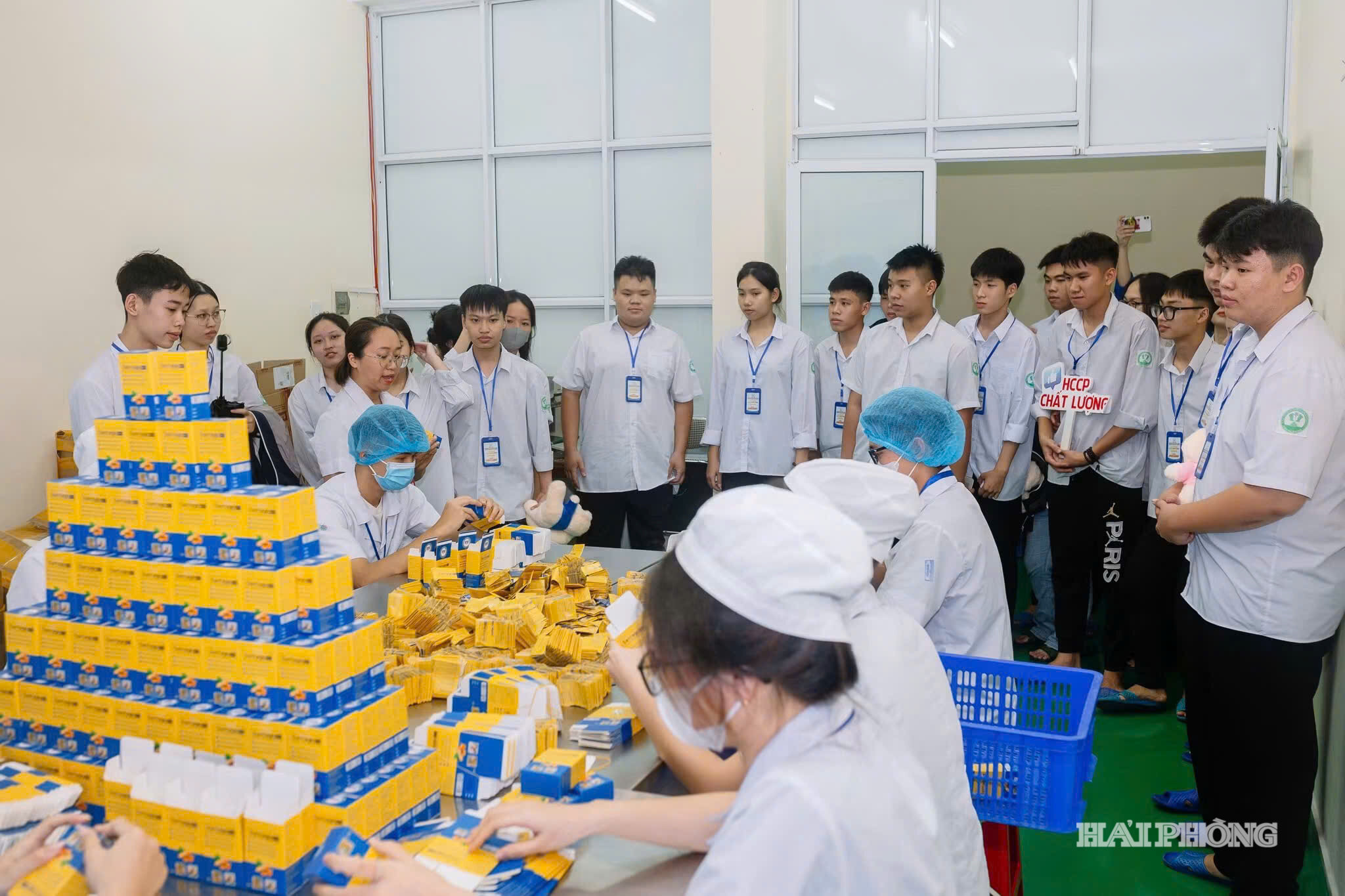
Master’s degree holder and Specialist Level II Pharmacist Nguyen Thi Thanh Nhai, Vice Rector of Hai Duong Central College of Pharmacy, said the college was promoting cooperation with numerous domestic and international businesses. Partnerships cover joint training, workforce recruitment, scientific research, research technology transfer, and support for student internships and practical experience at businesses.
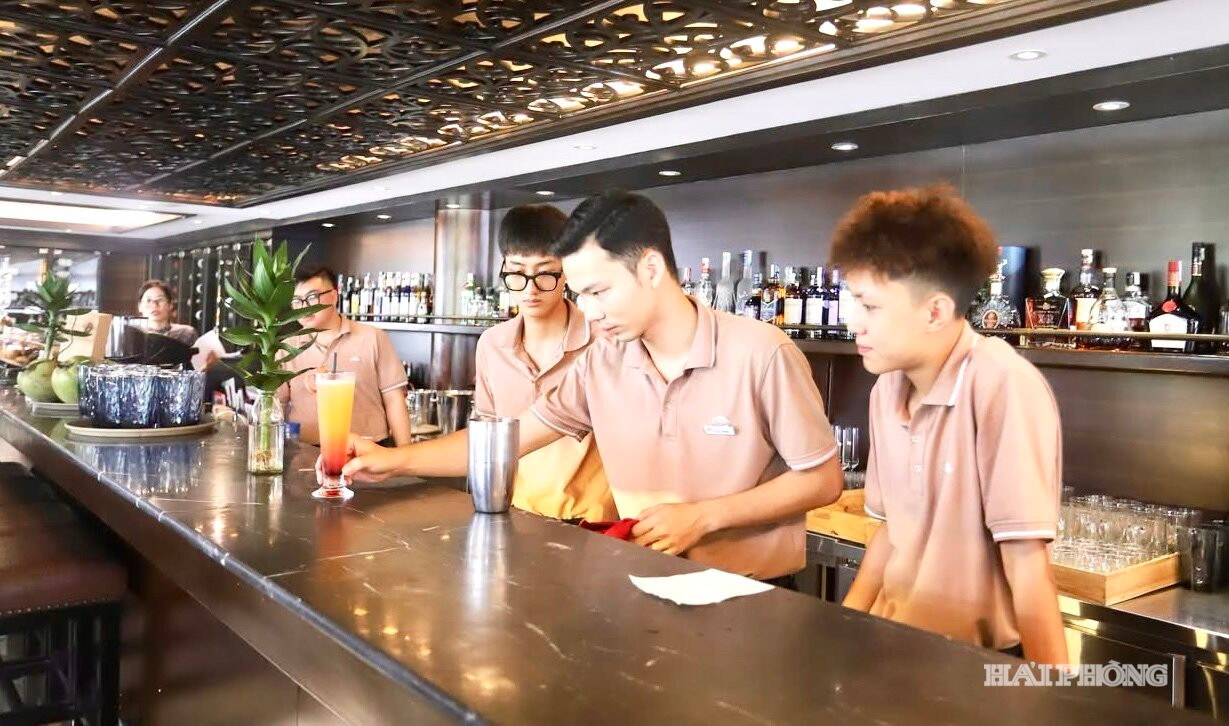
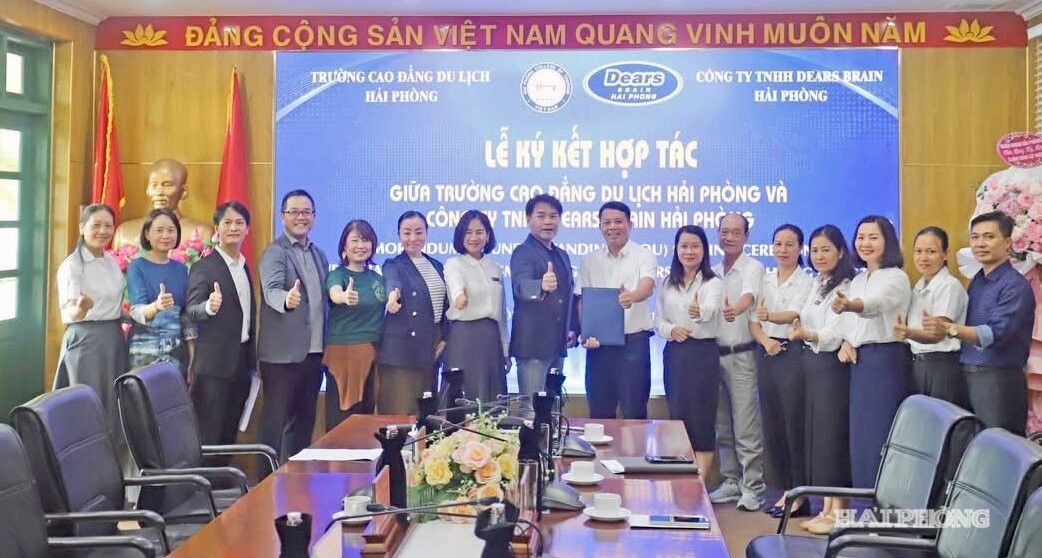
Hai Phong College of Tourism has signed a memorandum of understanding with Vinpearl JSC, part of Vingroup, focusing on tourism, hospitality and foreign languages. The two sides cooperate on training linked to real business operations, transferring professional procedures in line with hotel and resort standards, expanding internship and employment opportunities, and organizing career-oriented workshops and talk shows for students.
Enterprises' responsibility for training quality needs to be strengthened. Workforce commissioning should not stop at memorandums of cooperation between businesses and educational institutions. Instead, it should include specific commitments regarding the number of students accepted for internships, practical training conditions, assessment standards and employment opportunities after graduation.
MAI LE