



-8288cd875487df702230f1e34f4f2031.jpg "National scientific conference on private sector development in Hai Phong")
.jpg "Hai Phong taps youth potential to boost private sector growth")

Gửi bình luận
More than a year after the implementation of Resolution No. 68-NQ/TW, the results achieved show that the private sector continues to play an important role in Hai Phong’s economic development.
After one year of implementing Action Plan No. 07-KH/TU of the Standing Committee of the Hai Phong Party Committee and Plan No. 173/KH-UBND of the Hai Phong People’s Committee to implement Resolution No. 68-NQ/TW on private sector development, the results achieved show that the sector continues to play an important role in the city’s economic development.
In the first eight months of 2026, the city saw 5,373 newly established enterprises, up more than 4.4% year on year from 2025, exceeding the eight-month scenario and reaching 71.64% of the annual target.
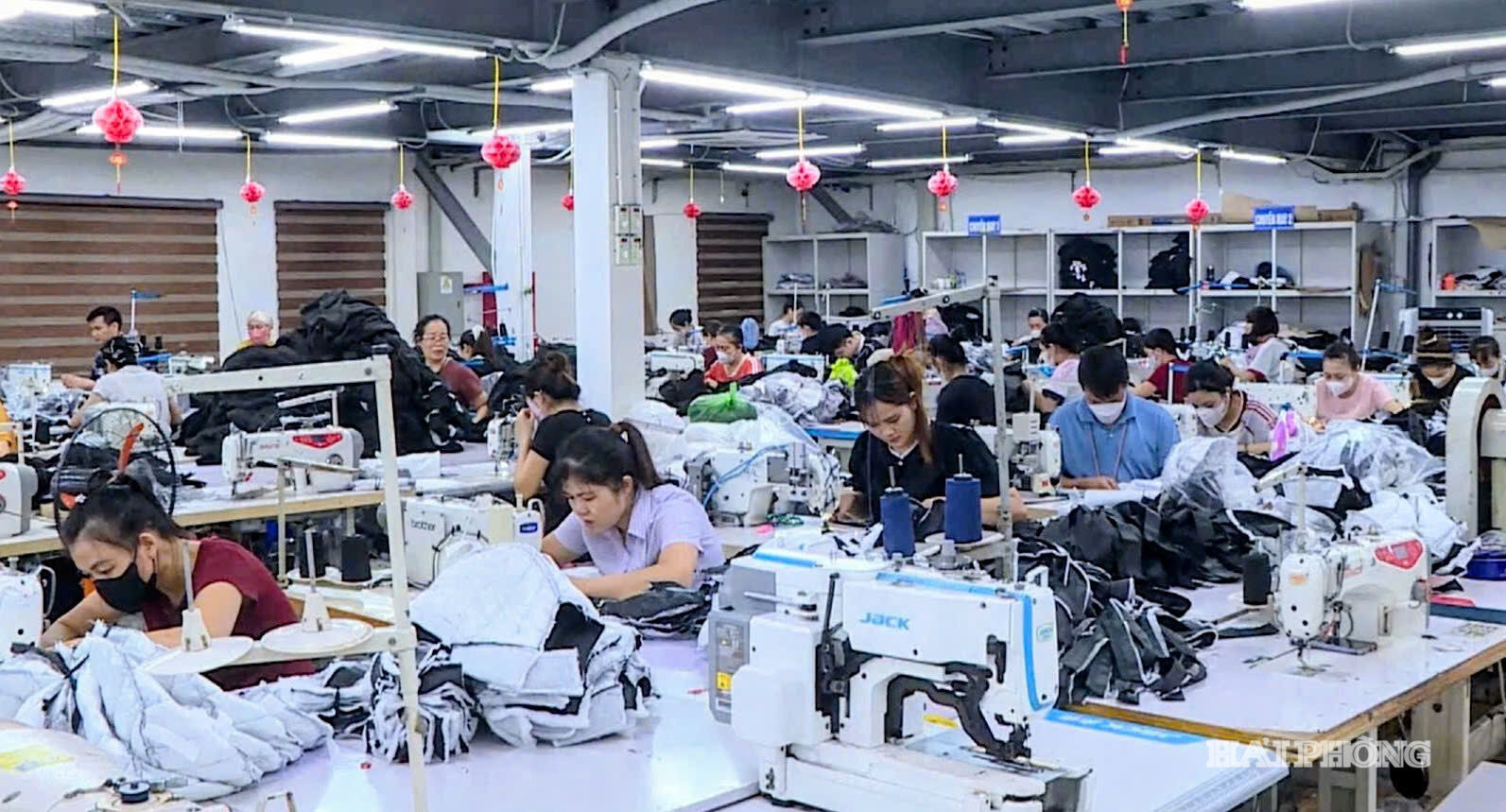
As of the end of August, the city had 54,549 active enterprises, up 17.06% year on year, equivalent to 13.14 enterprises per 1,000 people. The private sector contributed 63.4% of total domestic budget revenue in the first eight months of 2026. It provided jobs for more than 64.3% of the labor force and contributed nearly 42% of the city’s GRDP.
To achieve these results, the city clearly identified 63 tasks to implement Resolution No. 68-NQ/TW and assigned specific responsibilities to each department, agency, unit and locality, along with requirements and deadlines.
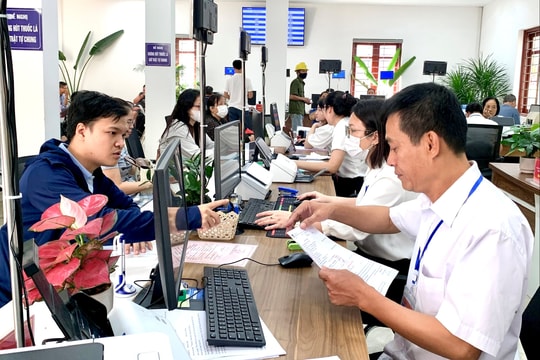
Departments, agencies, localities and units have proactively carried out the tasks within their respective functions, strengthened coordination and promptly addressed difficulties and obstacles, particularly issues directly related to business operations.
The city’s assessment, along with feedback from the business community, shows that the implementation of Resolution No. 68-NQ/TW still faces shortcomings that need to be addressed, including private sector development falling short of expectations and several support mechanisms, such as access to land, reductions in land rents and interest-rate support, not yet producing substantive results.
This situation requires the implementation of Resolution No. 68-NQ/TW to go beyond continuing to concretize mechanisms and policies. More importantly, policies must deliver results, and support for businesses must be substantive.
In response to these issues, the city’s tasks for the coming period will focus on businesses’ practical needs: supporting access to production premises; connecting FDI enterprises with domestic businesses and creating conditions for them to participate more deeply in supply chains; expanding links between schools and businesses to improve the quality of the workforce; supporting access to preferential sources of capital; and promoting innovation.
Notably, tax policies are a concern for many businesses. To help address their difficulties, the Hai Phong People’s Committee has asked the City Tax Office to urgently direct efforts to completely address prolonged delays in tax finalization procedures for closed enterprises and business households that have ceased operations or have not yet commenced operations and to study, develop and operate a system to alert enterprises to technical errors in tax and invoice declarations and to remind them of tax filing deadlines.
Alongside specific policies, the city has asked departments, agencies, localities and units to resolve businesses’ recommendations to the end, rather than considering the transfer of a recommendation to another agency as a resolution of the issue.
The city has also called on the business community to strengthen linkages, with large enterprises supporting small businesses and established enterprises supporting newly established ones; share data, expand cooperation and increase their ability to participate in supply chains. Such linkages also provide a resource for businesses to improve their capacity, expand their markets and participate more deeply in value chains.
After one year of implementing plans to carry out Resolution No. 68-NQ/TW, the results achieved and the issues that have emerged provide a basis for the city to continue improving the investment and business environment, unlocking resources and creating additional momentum for business development. This will help build and develop a strong private sector that makes an increasingly larger contribution to the city’s growth.
NGUYEN HA