Timeless imprints on ancient stone bridges of Xu Dong
Do Tuan•22/05/2026 22:45
The ancient stone bridges in Xu Dong not only connect riverbanks but also preserve historical and cultural imprints, as well as the craftsmanship and ingenuity of generations past over hundreds of years.
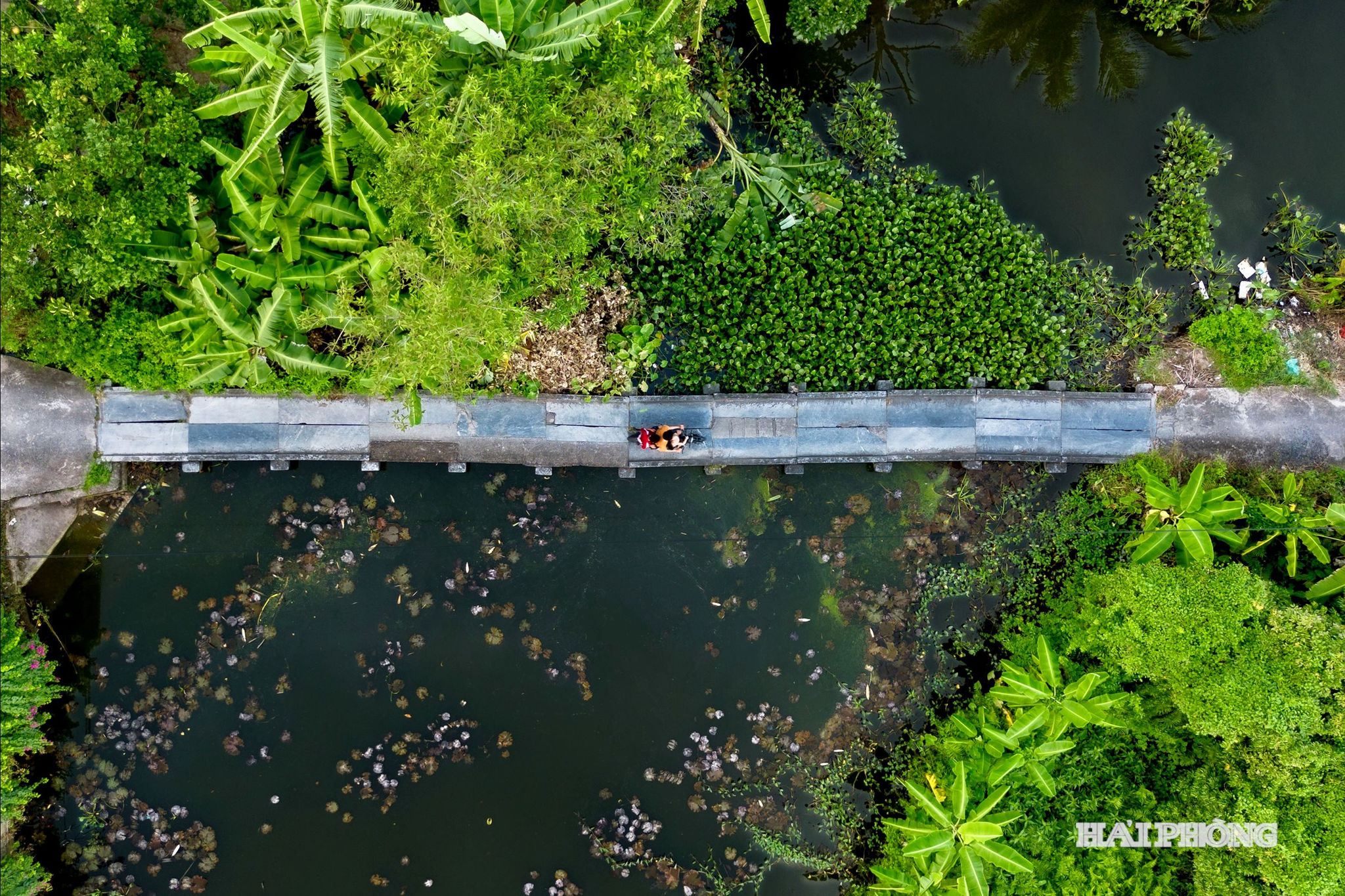
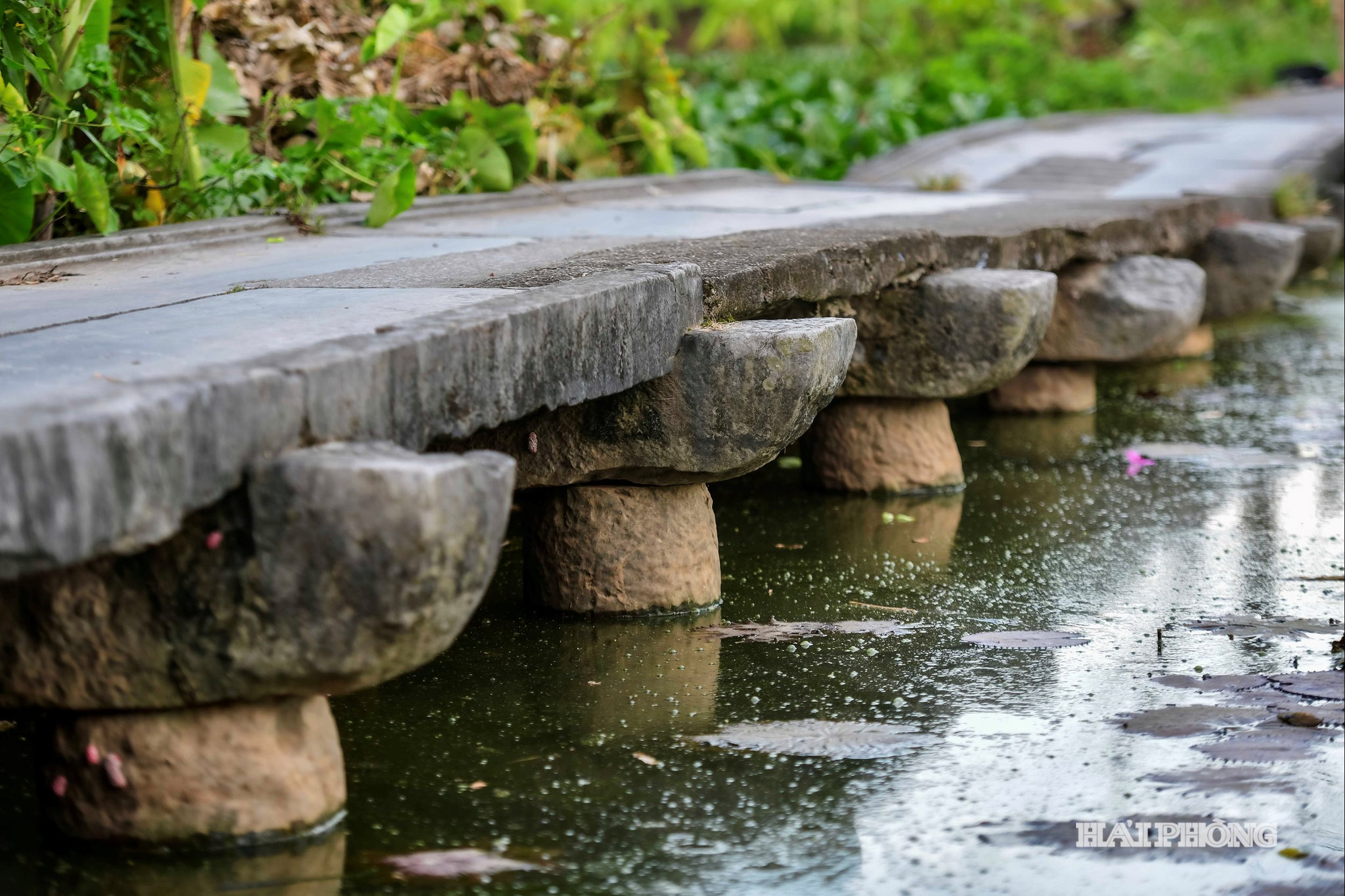
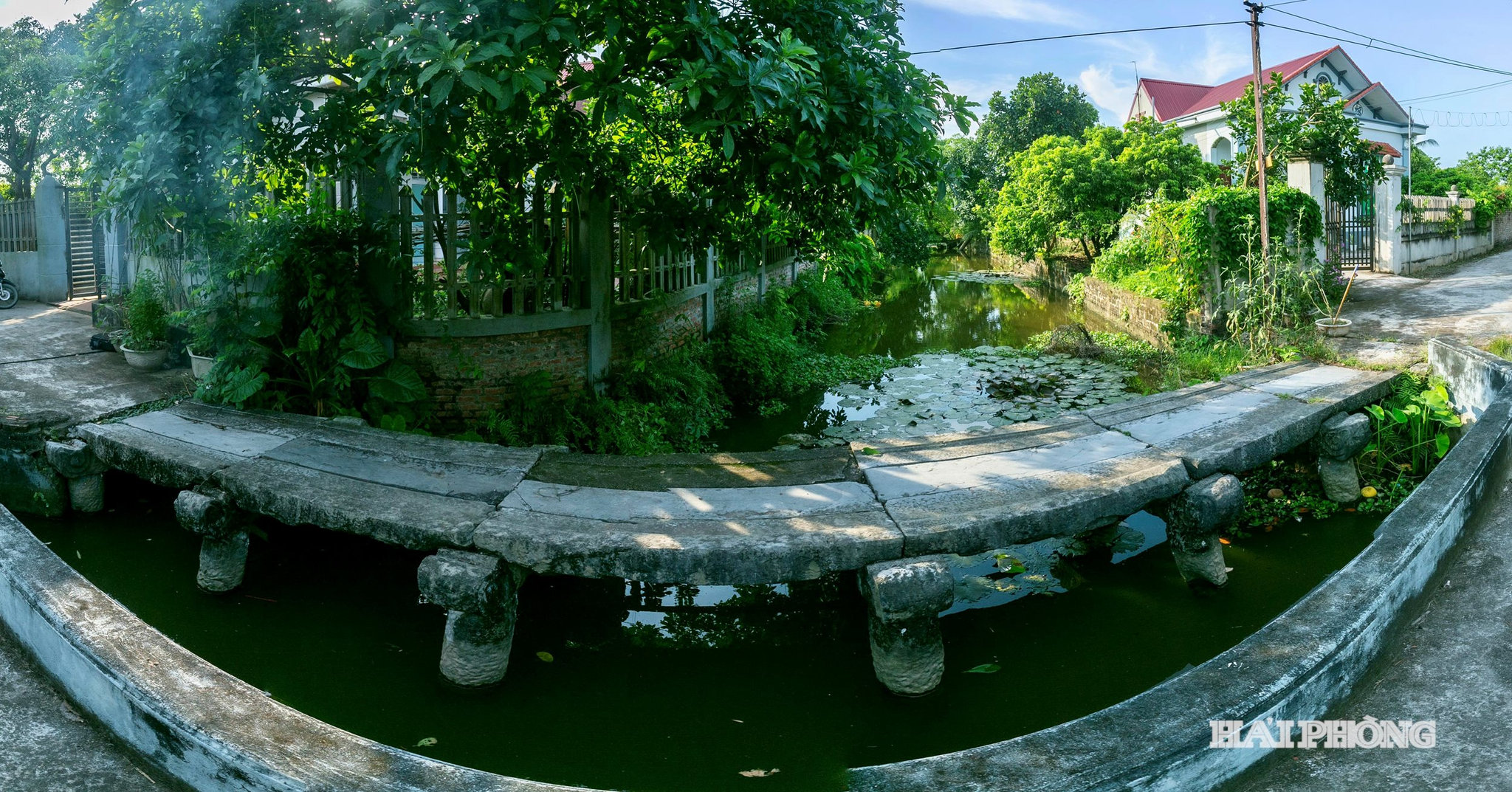
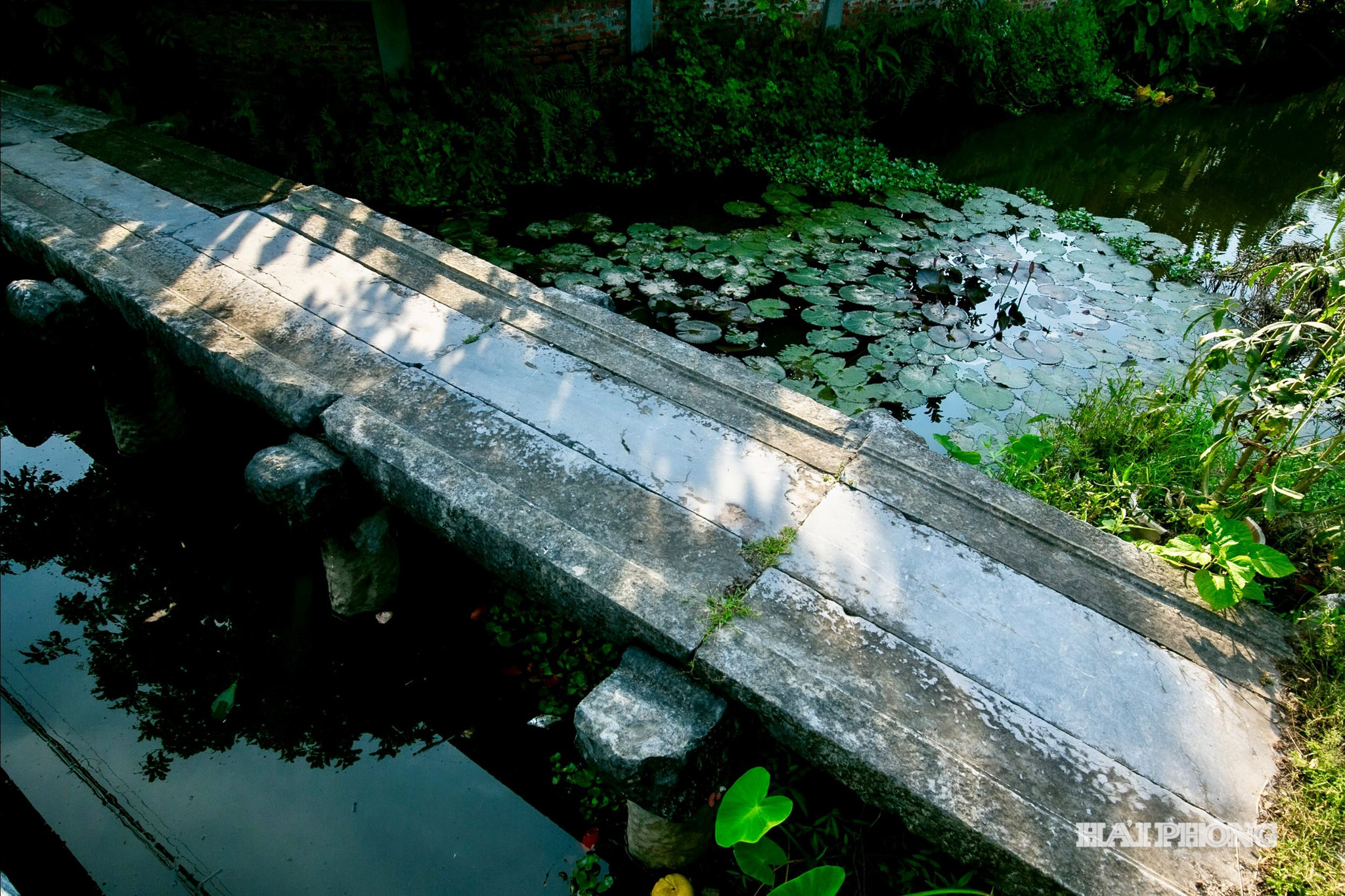
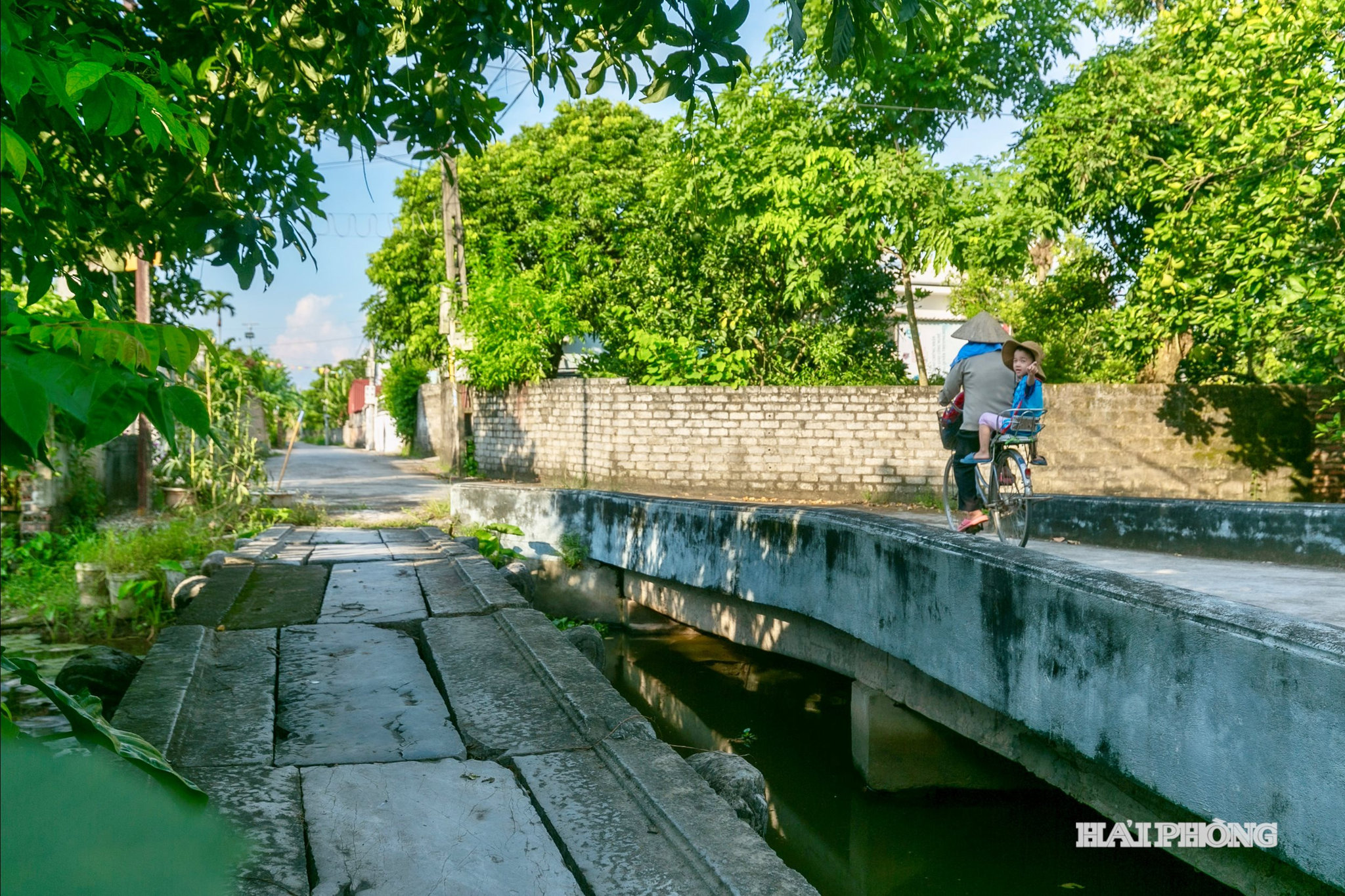
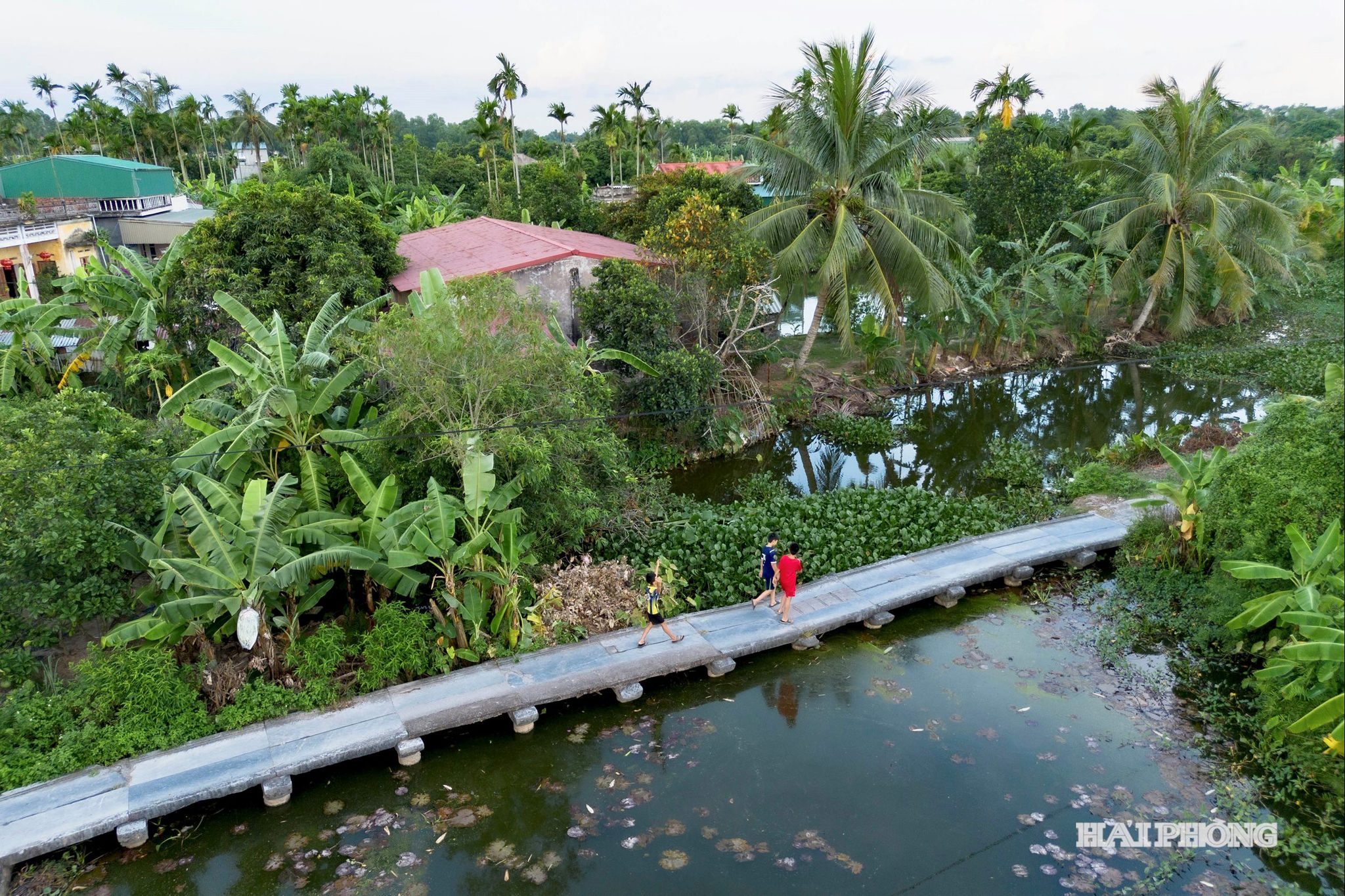
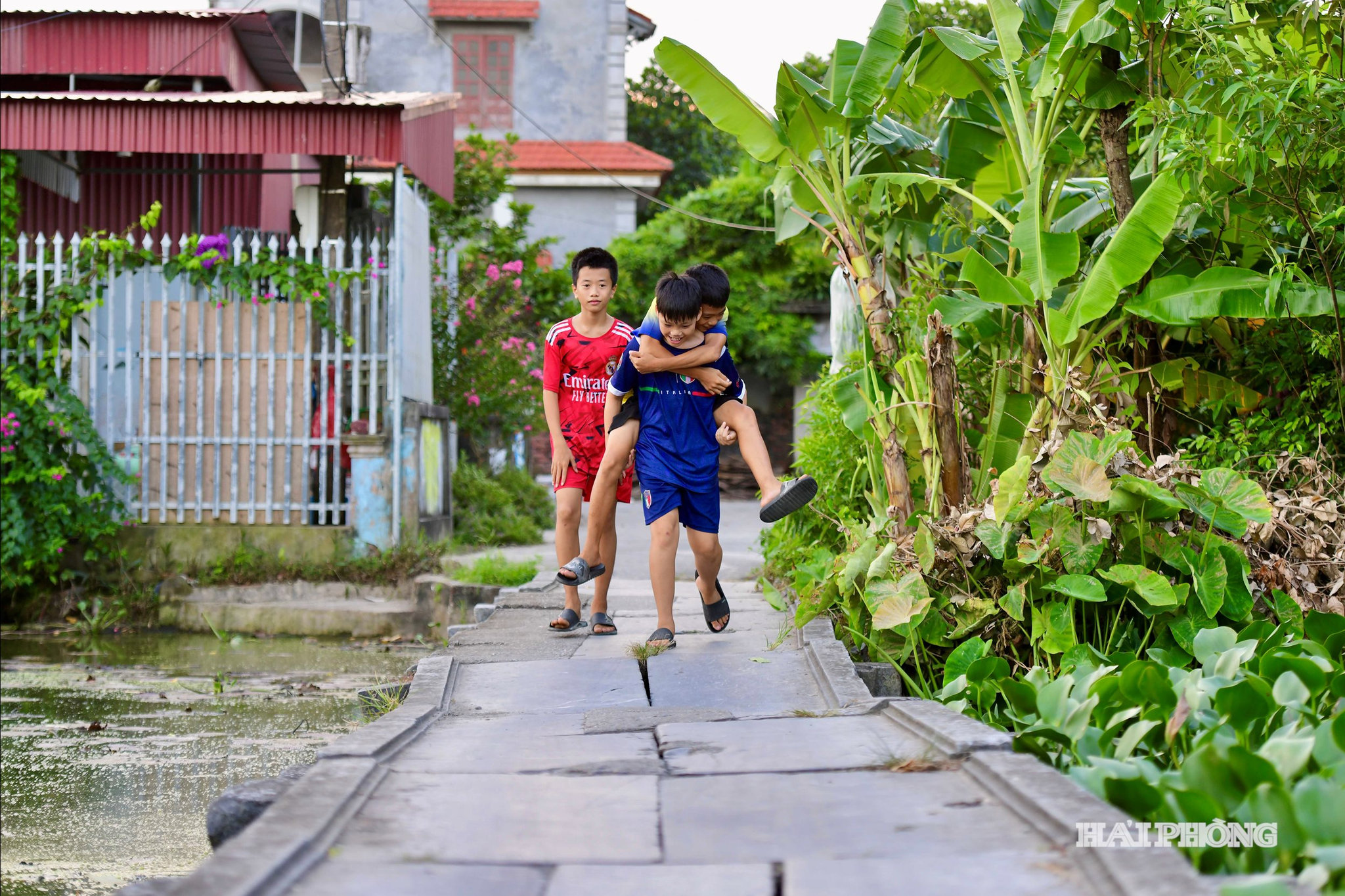
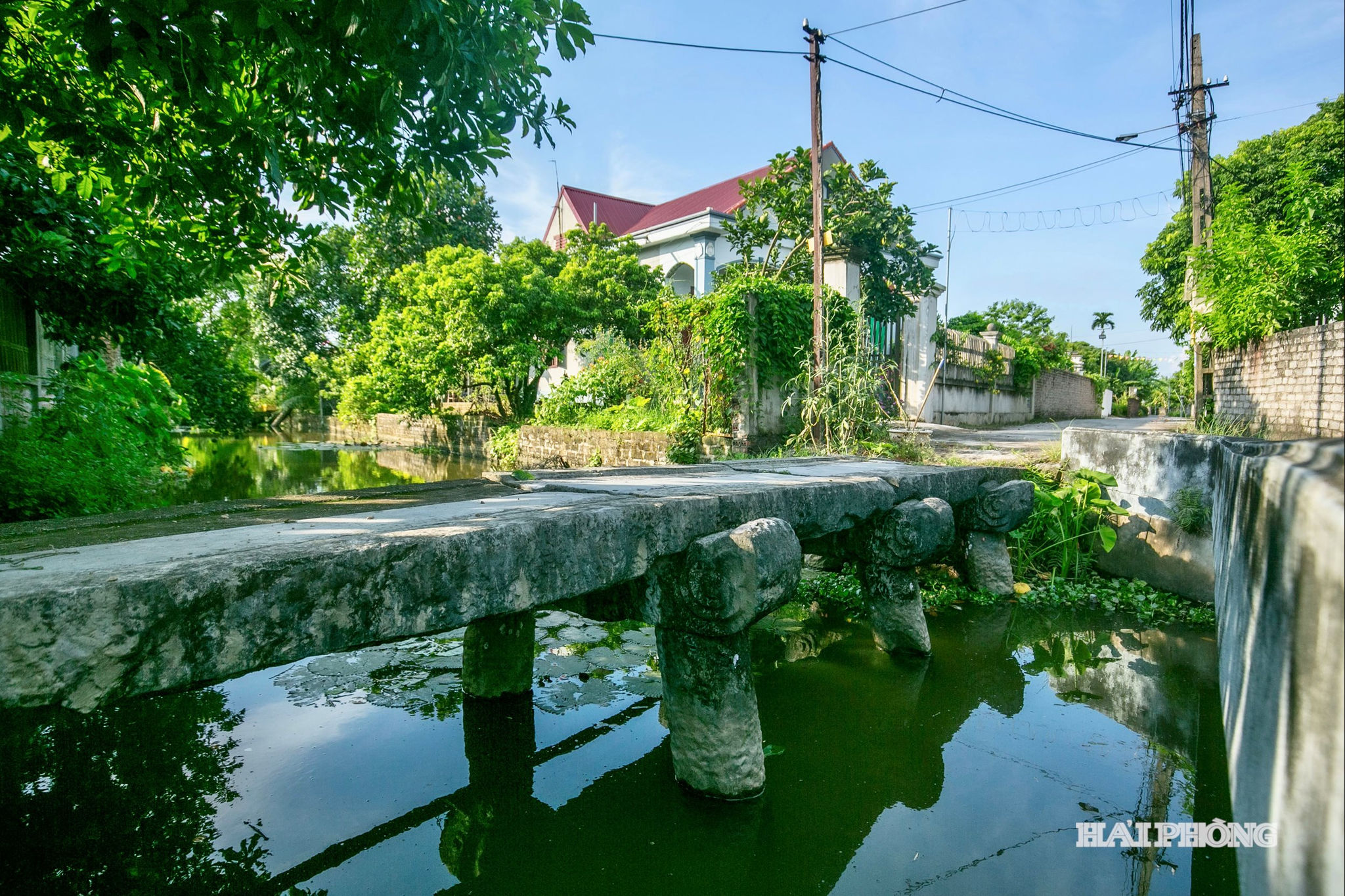
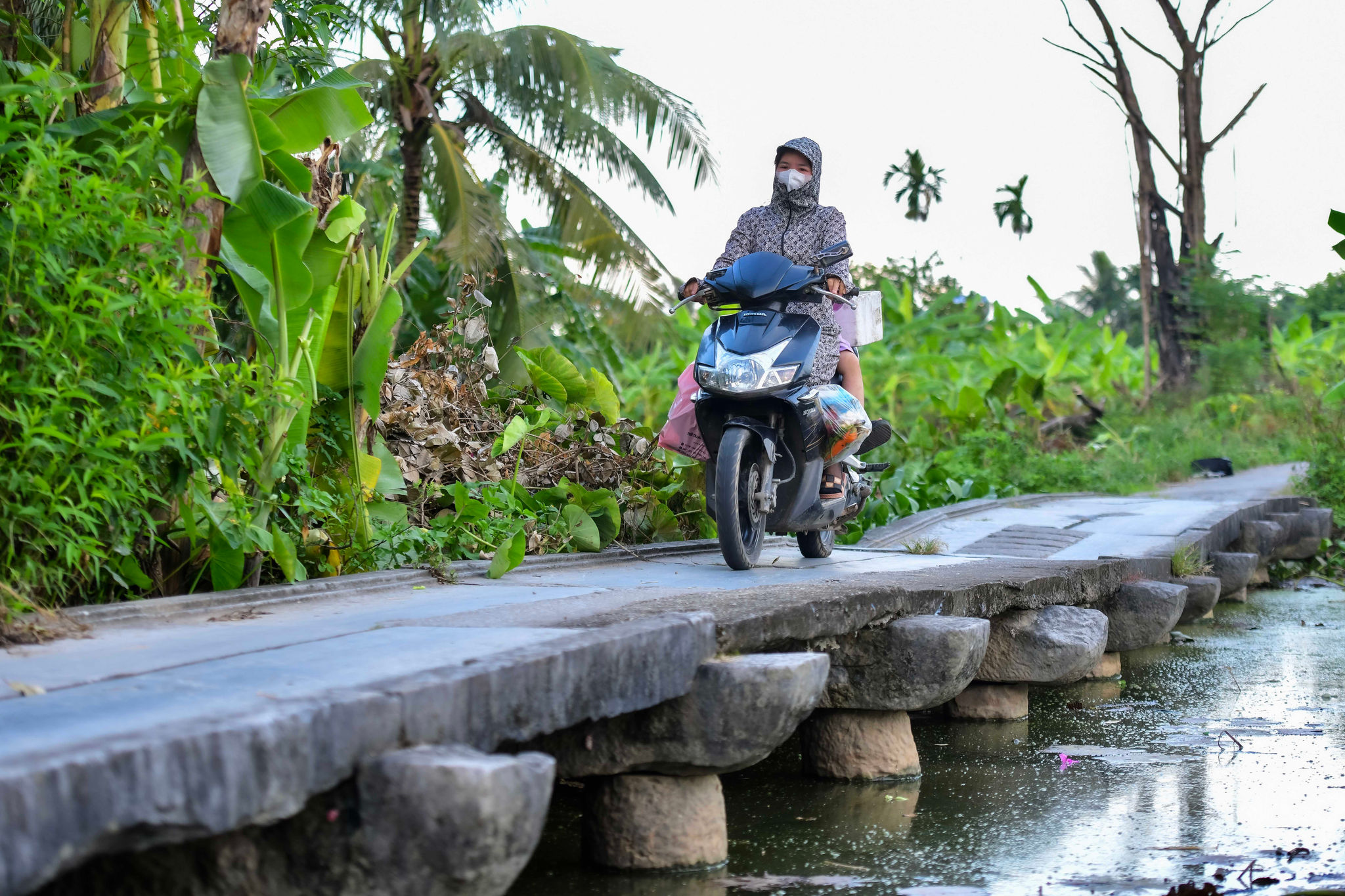
In Chi Minh Commune, a stone bridge more than 10 meters long and about 1.2 meters wide, made entirely of natural green stone, still connects Hien Sy Village and Lang Vuc Village. Local residents continue to preserve it as an ancient historical relic.The communes of Chi Minh Commune, Tu Ky Commune, Tan Ky Commune, Dai Son Commune, Lac Phuong Commune and Nguyen Giap Commune still retain 17 ancient stone bridges. Although some spans have been lost over time, these bridges remain remarkable evidence of the once-thriving prosperity of the region.Many of the stone bridges in the Tu Ky area are associated with the contributions of Mrs. Boi Lang, a wealthy businesswoman during the reign of Lord Trinh Sam who was honored with the title “Phu gia dich quoc” (a family as wealthy as a nation).The stone bridge in Thai An Village, Tu Ky Commune, was built around the 18th century. Measuring 11.5 meters in length and 1.2 meters in width, the bridge is entirely assembled from massive blocks of green stone fitted tightly together without any binding materials, demonstrating the sophisticated construction techniques of ancient craftsmen.Today, a concrete bridge has been built alongside it to serve the daily travel needs of local residents, while the ancient stone bridge has been preserved almost intact.The former districts of Tu Ky and Thanh Ha were once riverine regions with dense waterways. To facilitate travel, local residents initially built bamboo and wooden bridges, which were later replaced with stone bridges for greater durability.Over time, hundreds of large and small stone bridges were constructed, creating a distinctive cultural identity for the region.In the former Thanh Ha and Tu Ky areas alone, the number of ancient stone bridges once reached into the hundreds. Though many were lost due to wars, natural disasters, and infrastructure expansion, around 30 stone bridges still remain today, including 13 in Thanh Ha and approximately 17 in Tu Ky.Most of these stone bridges were built through the collective efforts and contributions of local residents. Stone materials were purchased from Kinh Mon or Thanh Hoa and transported by river to the villages, where artisans carefully crafted and assembled them. Many decorative motifs on the bridge structures were carved directly at the stone quarries, while local craftsmen completed the remaining details, creating structures that are both durable and artistically valuable.These bridges were not only transportation routes of the past but also precious historical traces reflecting construction techniques, community contributions, and the unique cultural beauty of Northern Vietnam’s rural delta villages over many centuries.