.jpg "FDI inflows define Hai Phong’s position in global value chain")
.jpg "Hai Phong strengthens links between FDI and domestic supporting enterprises")

Gửi bình luận
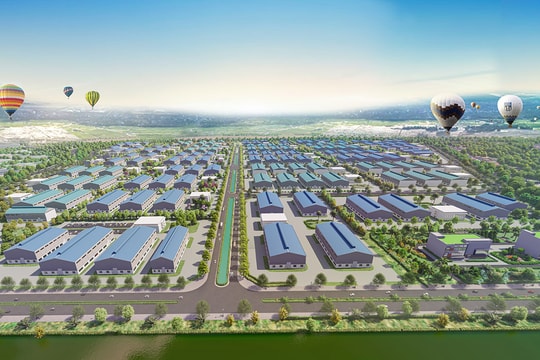
If coastal economic zones leverage their strengths in seaport infrastructure and global trade, specialized economic zones are strategically designed to focus on high-tech industries, supporting industries, and domestic logistics.
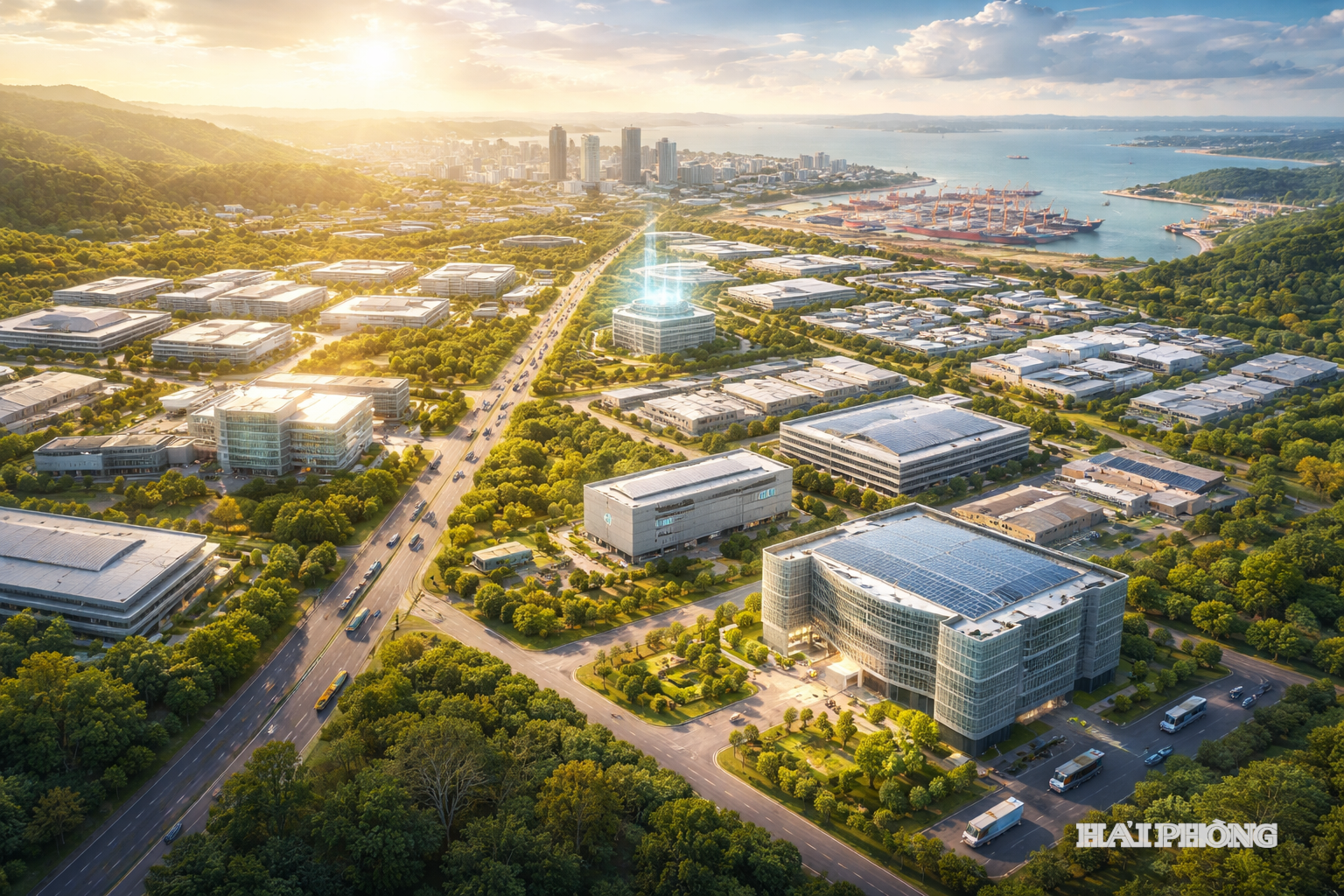
On February 12, 2026, Deputy Prime Minister Tran Hong Ha signed Decision No. 288 of the Prime Minister, officially establishing the Hai Phong Specialized Economic Zone with a total area of more than 5,300 hectares. This marks an important legal milestone, opening up a new growth structure for the city’s next stage of development.
Looking back on the recent period, Hai Phong stands on a remarkably strong growth foundation. In 2025, the city’s GRDP increased by 11.81%, ranking second nationwide and extending its streak of multiple consecutive years of double-digit growth. The size of the economy reached over VND 734.4 trillion at current prices, equivalent to approximately USD 29.3 billion, placing it among the largest local economies in the country. Foreign direct investment (FDI) attraction remains a bright spot, with cumulative valid projects exceeding USD 50 billion.
Entering 2026, capital inflows continue to show strong momentum. In January 2026 alone, Hai Phong attracted USD 412.6 million in FDI, up 69% year-on-year and reaching 101% of the monthly target. Of this total, economic zones and industrial parks accounted for approximately 97% of registered capital. The city has set a target of attracting between USD 3.8 billion and USD 4.3 billion in FDI for the whole of 2026.
These figures underscore the strong appeal of Hai Phong’s investment environment. However, this very success also presents new challenges. Coastal industrial land is gradually becoming scarce. Pressure on infrastructure, population, and services is increasingly concentrated in one part of the city. Although the industrial structure has developed rapidly, it still relies heavily on processing and assembly. Without expanding development space, the risk of stagnation in growth potential is entirely foreseeable.
The Hai Phong Specialized Economic Zone was established in that context. This is not a mechanical expansion of the coastal model, but rather a restructuring of development space. The western part of the city — where land reserves remain available and where urban–industrial reorganization is feasible — has been selected as a new growth pole. The formation of this western pole enables Hai Phong to shift from a single-direction growth model to a more balanced and sustainable multi-polar structure.
The core lies in the word “specialized.” While coastal economic zones capitalize on advantages in seaports and international trade, the specialized economic zone is oriented toward high technology, supporting industries, domestic logistics, innovation, and value-added services. This represents a move to upgrade the quality of growth, increase technological content, and raise the level of domestic value added in each investment project.
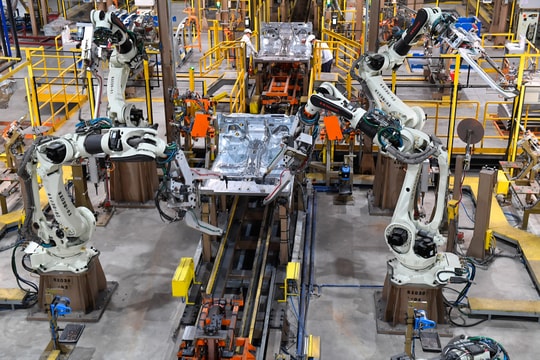
If properly organized, a specialized economic zone can become a space where more complete production chains are formed — from research and design to component manufacturing, assembly, logistics, and distribution services. In that scenario, the city’s economy would participate more deeply in value creation, rather than remaining primarily at the processing and assembly stage. This is particularly significant as Hai Phong aims to attract not only more FDI, but higher-quality FDI.
The spillover effects of the zone extend beyond land area or project numbers. A new production space with synchronized infrastructure will create quality jobs, expand budget revenues, and stimulate the development of housing, education, healthcare, and services in the western area. At the same time, it will help ease infrastructure and population pressure in the coastal areas that have experienced rapid growth in recent years.
However, the establishment decision is only the starting point. The key challenges now lie in the speed of implementation and the quality of governance.
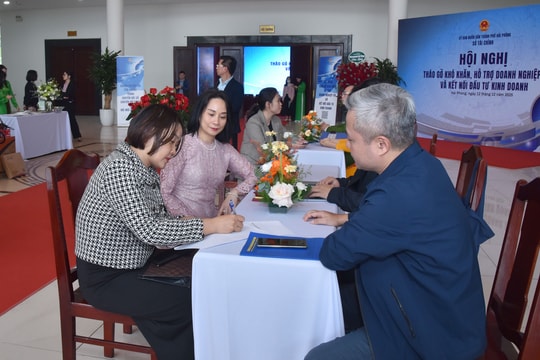
For the city authorities, the immediate requirements are speed and coordination. The master plan and detailed zoning plans must be finalized promptly, ensuring transparency and feasibility. Transport infrastructure connecting the specialized economic zone with expressways, seaports, and the airport must be prioritized to create genuine competitive advantages. Administrative reform should move ahead of demand, enabling investors to access land, construction permits, environmental procedures, and labor resources in a transparent and efficient manner.
More importantly, investor selection strategy will be decisive. As the city targets between USD 3.8 and 4.3 billion in FDI in 2026, the specialized economic zone cannot merely be a space to fill with projects. It must be reserved for high-tech industries, supporting industries, research and development centers, and high value-added sectors. Consistency in strategic orientation will determine the quality of this new growth pole.
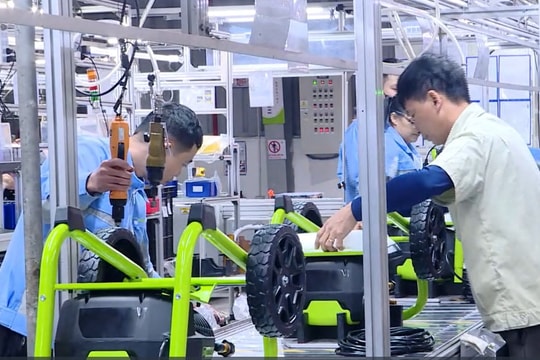
The local business community also stands before a clear opportunity. With steadily rising FDI inflows, demand for components, materials, technical services, and logistics will continue to grow. If Hai Phong enterprises proactively upgrade technology, standardize governance, and strengthen linkages, they can integrate more deeply into supply chains.
Human resources will be the decisive factor. High-tech development requires a skilled workforce of engineers, technicians, and capable managers. The city must link the specialized economic zone with vocational training institutions, universities, and research centers to form a corresponding human resource ecosystem. A specialized economic zone can only succeed when supported by a sufficiently strong human capital foundation.
From a broader perspective, the specialized economic zone reflects the city’s determination not to rest on its achievements. With an economy exceeding USD 29 billion and maintaining double-digit growth, seeking new development space is an inevitable requirement. Hai Phong is proactively reorganizing its development landscape to ensure that growth momentum does not slow as existing space gradually narrows.
Ha Kien