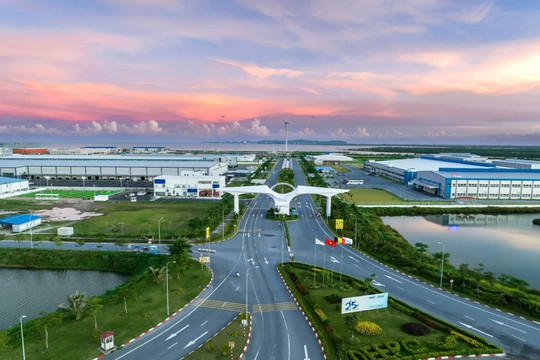
-48e47f7bce10a2b9ed7ebfecf6e2356b.jpg "Hai Phong accelerates industrial park land clearance")

Gửi bình luận
Implementing Resolution No. 21-NQ/TW, Hai Phong aims to make every square meter of land count toward economic growth and sustainable development.
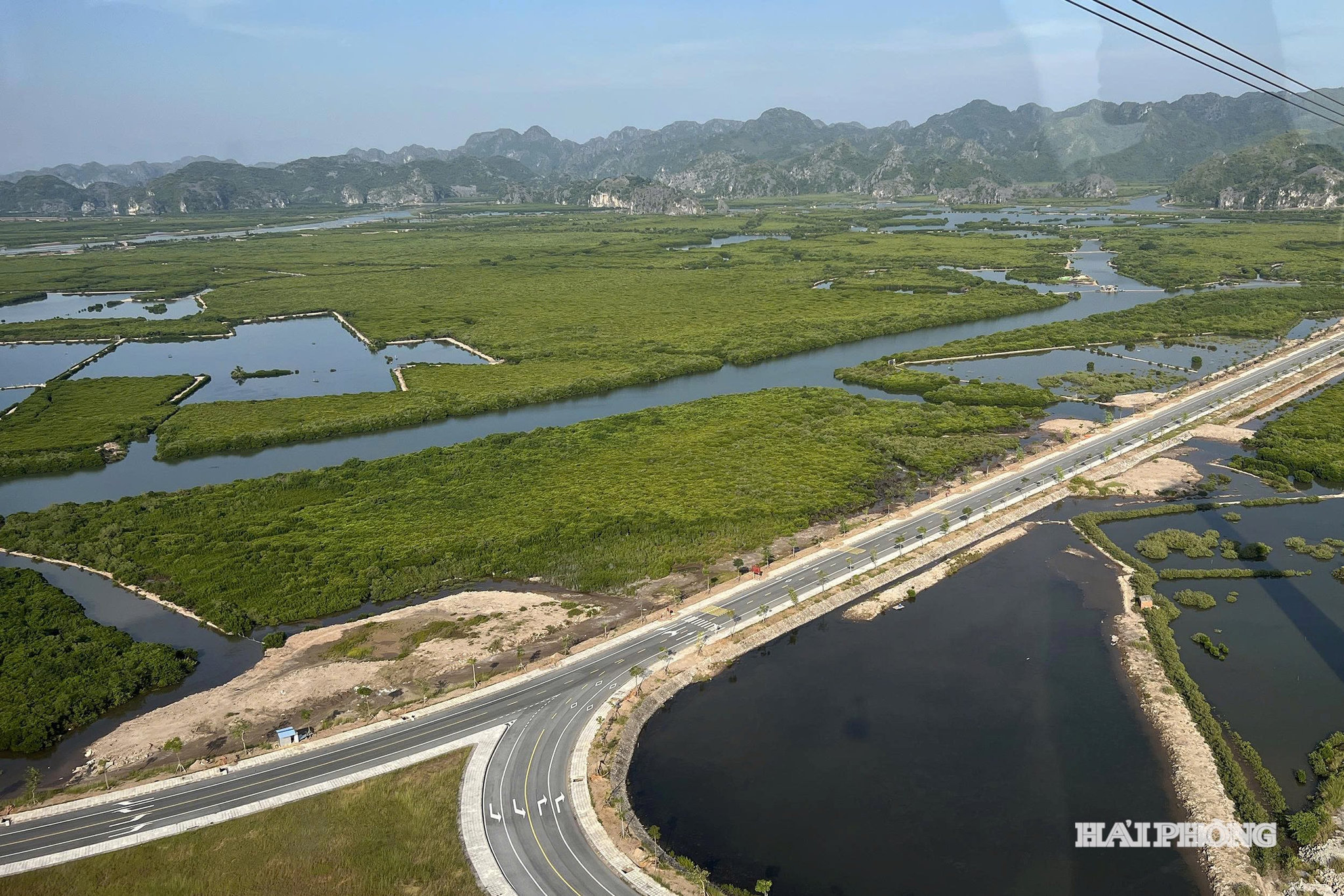
The 3rd session of the 14th Party Central Committee adopted Resolution No. 21-NQ/TW, setting out the guiding principles and directions for revising the Land Law and other related legislation.
The resolution calls for a fundamental shift in thinking, from administrative management to effective land governance; from focusing on input procedures to evaluating outcomes; and from managing individual stages separately to overseeing the entire land use lifecycle.
Hai Phong has a total natural land area of 318,449 hectares, of which agricultural land accounts for 57.53%, non-agricultural land for 40.72%, and unused land for 1.74%.
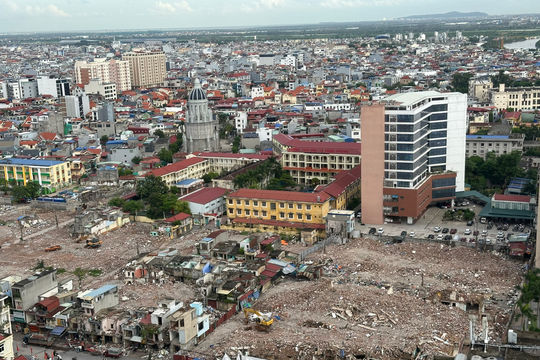
In recent years, the city has worked to capitalize on its land resources to increase budget revenue and create space for infrastructure and urban development. However, land use has still faced limitations. Many projects registered for land use have exceeded implementation capacity or been delayed after land allocation, leaving land idle and causing public concern. In addition, land demand registrations in some sectors have not accurately reflected actual needs, resulting in implementation rates falling short of planning targets.
To improve socio-economic efficiency, Hai Phong needs to continue restructuring land use by prioritizing land resources for high-value sectors such as industry, commerce, transportation, and logistics. The city should also allocate more land to underdeveloped infrastructure sectors, including information technology, culture, healthcare, education, and training.
This is a key prerequisite for building Hai Phong into a civilized and modern city, a northern hub for industry, commerce, services, and tourism, with synchronized infrastructure, a modern economy, and strong national defense and security.
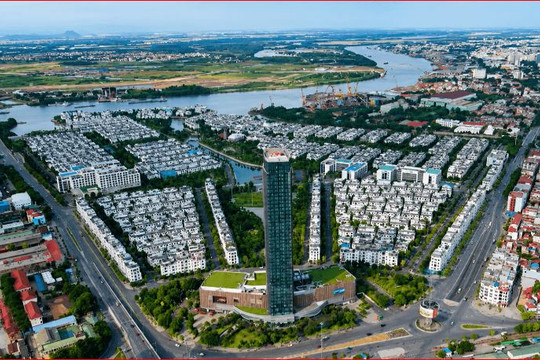
In line with Resolution No. 21-NQ/TW, the city will continue reforming its land governance mode by converting land from lower-efficiency uses to sectors with higher added value. The goal is not to expand the amount of land in use, but to maximize the value generated by every square meter.
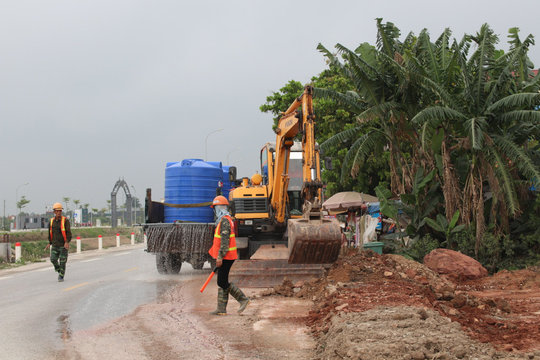
Every efficiently used land parcel should contribute to creating products, jobs, budget revenue, infrastructure, and social welfare. Every land recovery decision should create new opportunities for development and improve residents' quality of life.
The added value generated through planning and public investment should be distributed fairly for the benefit of the community. The land use structure must reflect the city's long-term development strategy by gradually reducing the share of agricultural land while focusing on three key pillars: high-tech industry, seaport and logistics, and tourism and commerce.
BAO CHAU