.jpg "Basically completing site clearance for Trang Due supporting industrial cluster")
.jpg "Speeding up site clearance for industrial park projects")

Gửi bình luận
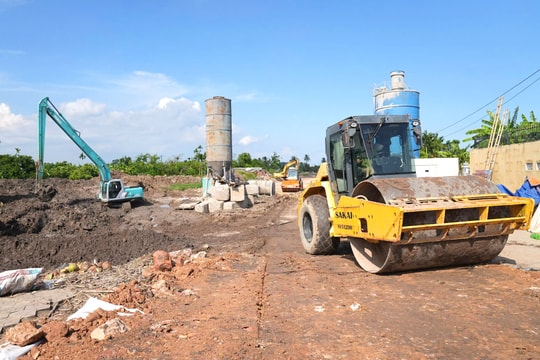
More than 12 hectares of land designated for infrastructure connectivity have yet to meet the legal requirements for land acquisition, causing prolonged site clearance delays at Thang Long Industrial Cluster and affecting the project’s overall progress.
Bottlenecks
According to Decision No. 3179 dated October 22, 2020, issued by the former Hai Duong Provincial People’s Committee, Thang Long Industrial Cluster in Nam An Phu Commune has a total planned research area of more than 61.8 hectares located in Trung Hoa Village. Of this, nearly 49.7 hectares are allocated for the industrial cluster itself, while the remaining more than 12 hectares are reserved for transportation connectivity and adjacent areas to ensure synchronized infrastructure for the entire project.
The project is expected to create industrial land reserves to attract investment, generate employment, and promote economic restructuring in the locality. However, for many years, site clearance work has not been carried out comprehensively due to legal obstacles and difficulties related to land management and land use.
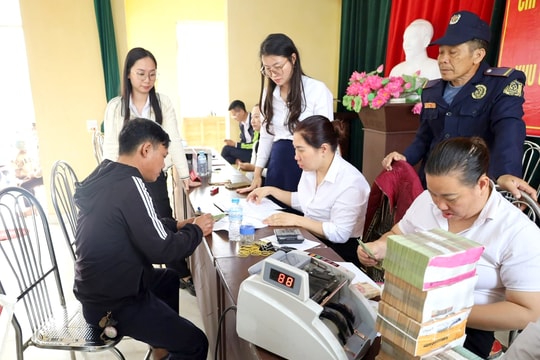
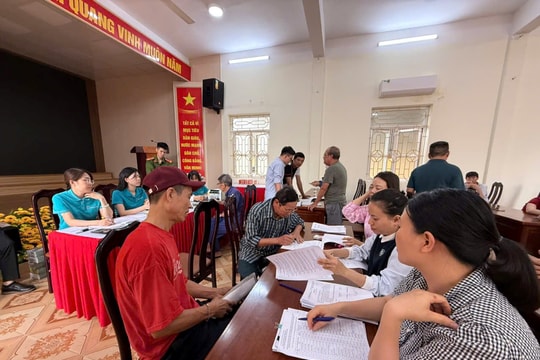
After the establishment of the new Nam An Phu Commune, local authorities reorganized the Compensation, Support, and Resettlement Council to focus on land inventory and site clearance activities.
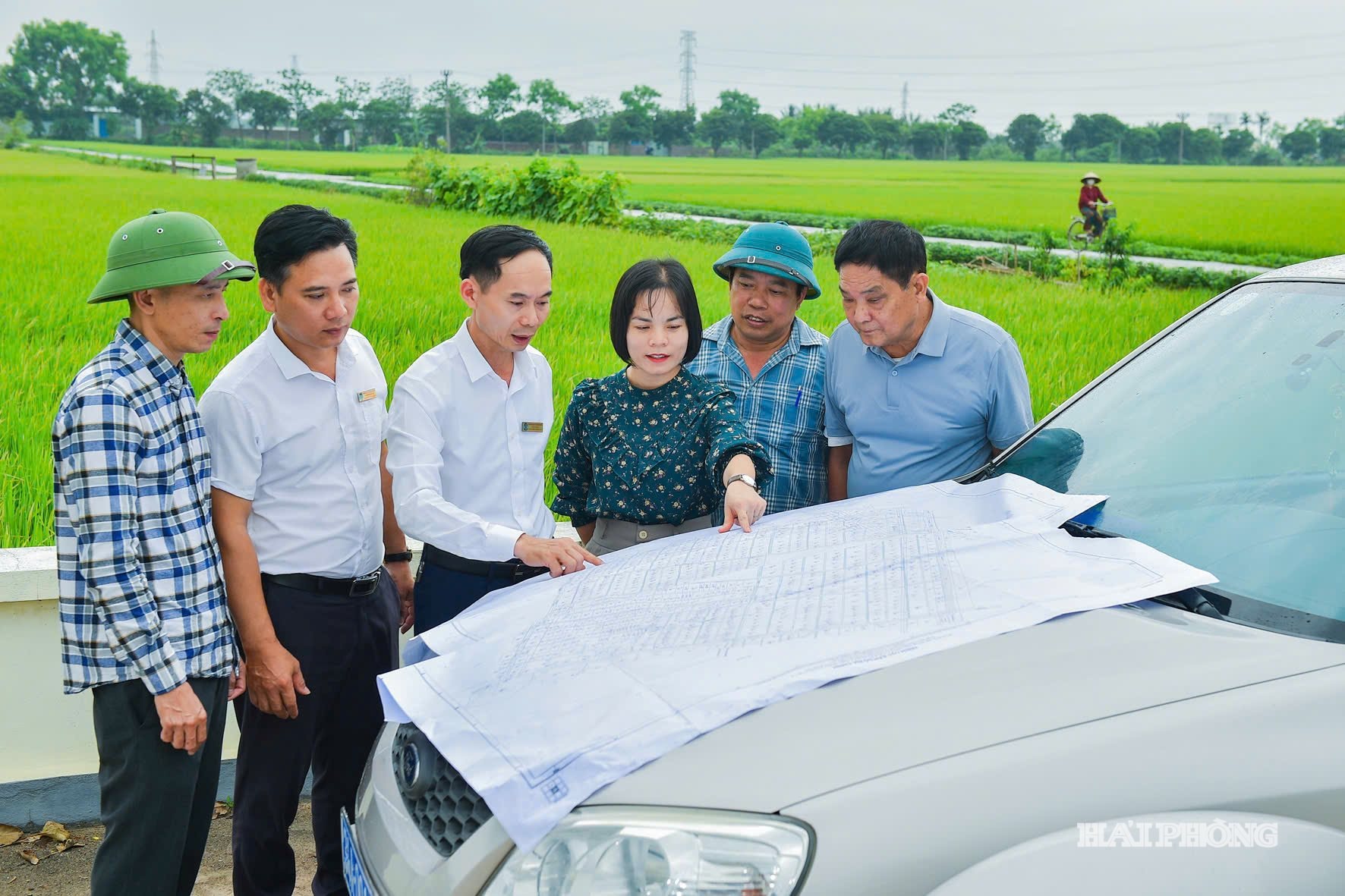
The project affects more than 500 households, and to date, approximately 80% of the land subject to acquisition has been surveyed and inventoried. Most residents in the affected area generally support the land recovery policy and have cooperated in the inventory process for land and assets.
However, the biggest challenge currently lies in the more than 12 hectares designated for transportation connectivity and surrounding infrastructure. According to the land acquisition extract issued by the relevant authorities, the approved recovery area currently only covers nearly 49.7 hectares within the main functional zone of the industrial cluster and does not yet include the additional infrastructure connectivity area.
Under Document No. 1178 dated December 20, 2022, issued by the Prime Minister regarding the conversion of rice cultivation land use in the former Hai Duong Province, only around 45 hectares of rice-growing land were approved for conversion to serve the project.
As a result, the remaining more than 12 hectares have not yet received approval from competent authorities for land-use conversion, meaning there is still no sufficient legal basis for synchronized land recovery. This includes approximately 5.2 hectares of agricultural land currently cultivated by local households and about 6.9 hectares of transportation and irrigation land.
This is also the main reason why local authorities have been unable to implement site clearance across the entire area, despite repeated requests from residents for synchronized implementation to ensure infrastructure connectivity once the project becomes operational.
Mr. Vu Ngoc Trai, Secretary of the Party Cell and Head of Trung Hoa Village, stated: “Residents hope that the authorities will soon resolve the obstacles related to the more than 12 hectares designated for infrastructure connectivity in order to ensure synchronized planning and avoid affecting the project’s progress and operational efficiency after completion. Without synchronized land recovery, agricultural production in some areas will face difficulties, directly impacting the livelihoods and incomes of local people.”
A driving force for development
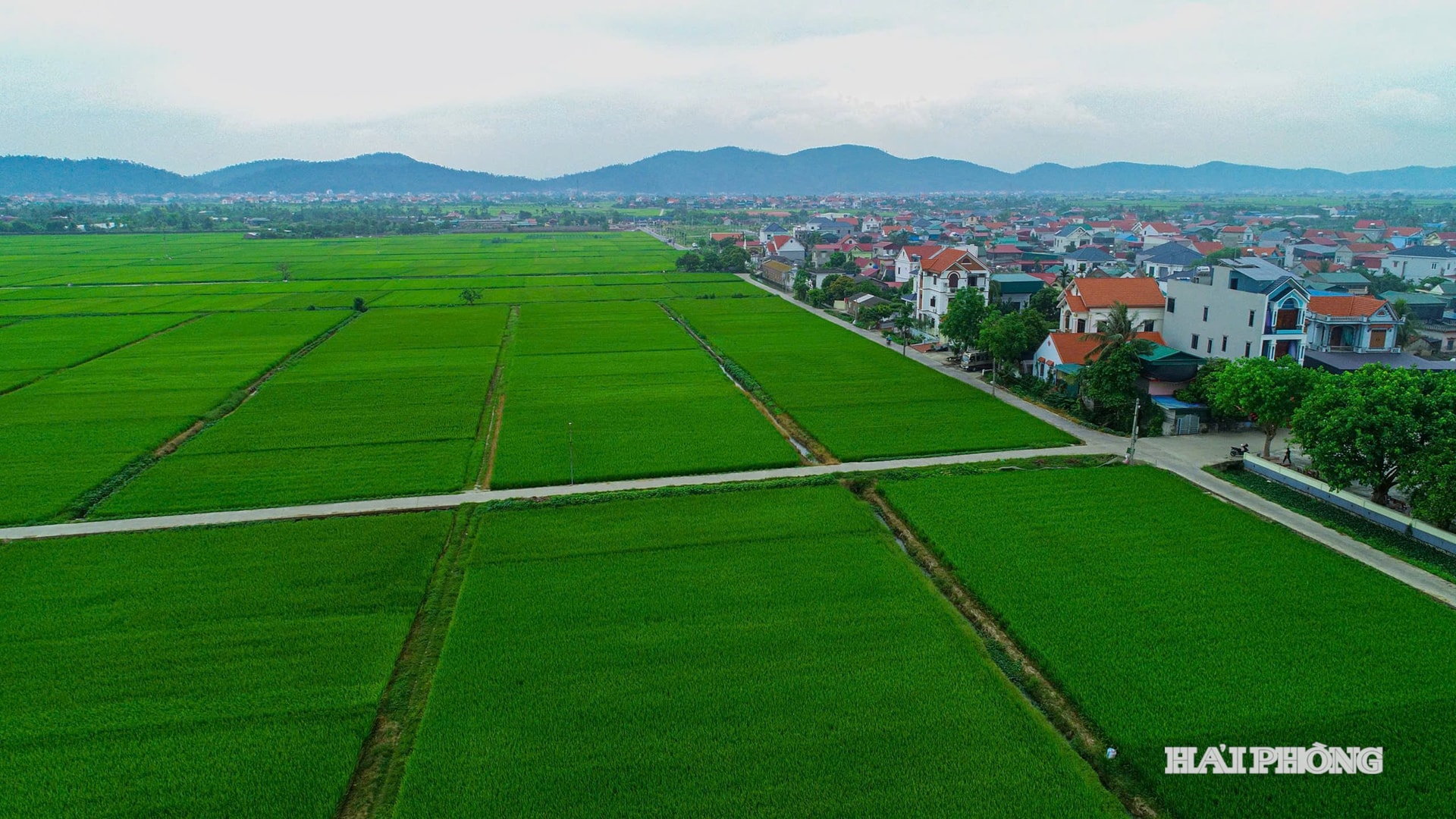
Thang Long Industrial Cluster is considered a project of significant importance to the locality’s socio-economic development strategy.
According to the approved investment policy decision, the project is being developed by Thuan An Phat Infrastructure Co., Ltd. with a total investment of more than VND 532 billion.
The industrial cluster is planned to attract sectors including agricultural and food processing, handicraft production, mechanical engineering, consumer goods manufacturing, and supporting industries.
These industries are considered well-suited to local advantages, with strong potential to create employment opportunities and promote the transition of the labor structure from agriculture to industry and services. In particular, the project prioritizes businesses applying modern, environmentally friendly technologies linked to agricultural production chains.
Currently, the planned area mainly consists of agricultural land used for two rice crops and one vegetable crop annually, providing stable production efficiency. However, through communication and mobilization efforts by the authorities of the newly established Nam An Phu Commune, local residents have shown strong consensus and willingness to cooperate in land inventory and site clearance activities.
Ms. Nguyen Thi Thanh Nhan, Vice Chairwoman of the People’s Committee of Nam An Phu Commune, stated: “The locality is continuing to coordinate with specialized agencies to review and complete dossiers and procedures related to the project’s site clearance work. Regarding the more than 12 hectares designated for transportation connectivity and surrounding areas — including more than 5 hectares of rice cultivation land, while the remaining area consists of transportation and irrigation land — the locality hopes relevant authorities will soon provide specific guidance and advise the People’s Committee of Hai Phong to consider a synchronized land recovery policy for the entire area.”
According to local authorities, once the project becomes operational, the rice cultivation land will no longer have stable farming conditions and production efficiency will decline, while transportation and irrigation land also falls within the project’s overall planning scope. Therefore, residents in the area also hope for the prompt recovery of the entire land area to ensure synchronized infrastructure development and avoid prolonged impacts on daily life and agricultural production.
At the same time, the formation of the industrial cluster is expected to stimulate the development of transportation infrastructure, commercial services, and public welfare facilities, contributing to a new appearance for the locality.
Resolving the remaining site clearance obstacles at an early stage will not only help the project be implemented in a synchronized manner, but also create opportunities to attract investment and promote local socio-economic development in the coming years.
Tran Hien