
Gửi bình luận
Remittances sent by Hai Phong natives living and working abroad have contributed to the continuous development of their hometown.
Maximizing the value of remittances
According to Le Van Quy, Chairman of the Hai Phong Overseas Vietnamese Liaison Association, aside from spending on daily needs, savings, and healthcare, it is encouraging that many families now use remittances for investment in production and business. This steady inflow not only helps improve the living standards of relatives at home but also expands local production, creates jobs, and drives sustainable economic growth for both the city and Vietnam.
Expanding his woodworking workshop and business has been a major success for Bui Doan Hao, who lives in alley 5B, Pham Phu Thu street, Hong Bang ward, thanks to remittances sent by his sister from the Netherlands.
“Thanks to that money, I was able to invest in modern machinery to improve product quality, expand the market, and secure stable income for my family,” Hao said. “This expansion has increased both our family’s income and the number of workers at my workshop. With the profit earned, we’ve been able to buy new furniture, land, and houses. Our living conditions have clearly improved.”
Beyond business, many families consider remittances a “ticket” for their children to access global knowledge.
Vu Thi Nguyet, a resident of Thuy Nguyen ward, said her family has used most of the money their relatives sent over the years to support her daughter’s study in Germany.
“Without this financial support, my daughter would not have been able to study abroad, as tuition and living costs in Germany are high. Studying in such a modern educational environment helps her gain new knowledge and skills, opening up job opportunities both in Vietnam and internationally,” said Nguyet.
The positive shift in how remittances are used in recent years stems from the city’s and the country’s strong economic growth. A more open business environment and simplified investment procedures have boosted overseas Vietnamese’s confidence in sending money back home.
Continuing to attract remittances
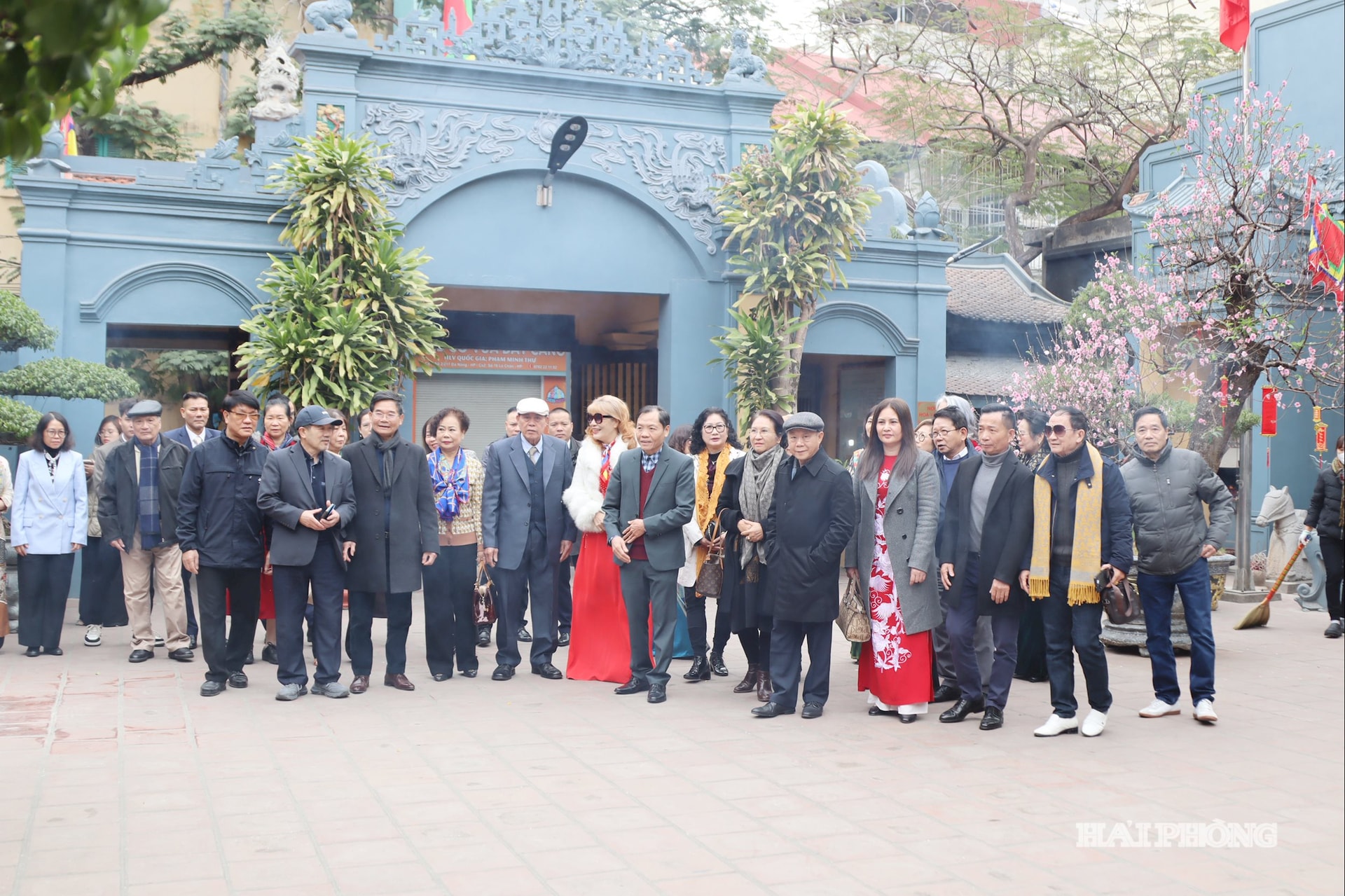
After the merger of Hai Phong city and Hai Duong province, there are around 130,000 Hai Phong natives living in more than 50 countries and territories. Despite challenges caused by pandemics and global economic fluctuations, the Hai Phong overseas community has remained closely connected to their homeland, showing deep affection and responsibility toward their city.
According to Nguyen Thi Thanh Huong, Deputy Director of the Department of Foreign Affairs, remittances to Hai Phong over the past five years are estimated at more than 1.4 billion USD, a substantial contribution to the city’s construction, development, and social welfare.
Over the past time, Hai Phong has implemented a wide range of consistent and effective measures for overseas Vietnamese affairs. Many specific policies were introduced to strengthen ties with the overseas community and to tap into their financial resources, intellect, management experience, and modern technology.
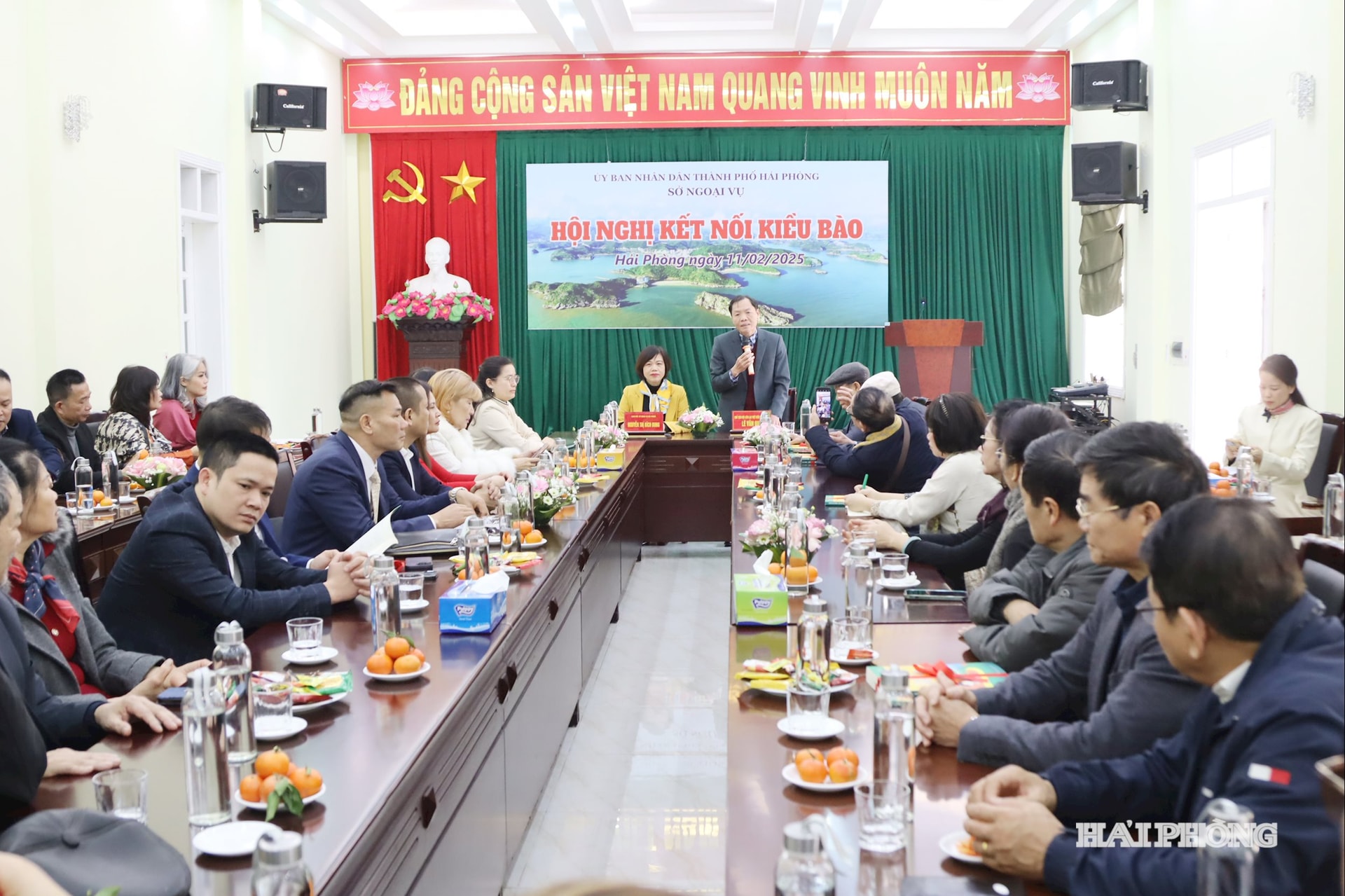
During every Lunar New Year, the city organizes meetings with overseas Vietnamese to foster connection and solidarity. These gatherings also provide an opportunity for the city leaders to listen to their aspirations and encourage them to actively contribute to Hai Phong’s socio-economic development.
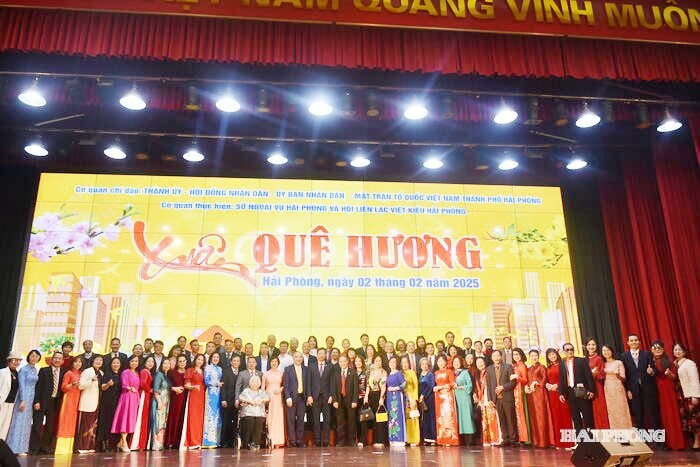
At the “Spring in the Homeland 2025” program, Vice Chairman of the city People’s Committee Hoang Minh Cuong expressed his hope that Hai Phong expatriates would continue to contribute within their means to the city’s development and assist local agencies and unit in organizing trade promotion conferences and linking overseas and local enterprises.
The city also encourages younger generations of overseas Hai Phong natives to maintain fine values of their nation and contribute to Hai Phong’s progress. Local authorities remain committed to listening to the community’s feedback to further improve overseas Vietnamese affairs.
Hai Phong will continue directing relevant agencies to propose necessary recommendations to ministries and Central sectors on policies directly related to overseas Vietnamese’s interests, while strengthening connections with Hai Phong associations abroad and promoting their role as bridges between international organizations and the city.
BUI HANH