


Gửi bình luận
Real estate supply in Vietnam is increasing rapidly while demand is declining, creating a supply–demand imbalance and pushing the market into a phase of 'selection and adaptation.'

Rising supply
According to a recent report on Vietnam’s residential real estate market released by Dat Xanh Services – FERI, in Q1 2026, housing supply increased sharply, while liquidity showed signs of slowing.
Specifically, total primary supply reached 77,912 units, up 65% year-on-year, including more than 13,600 new units, up 70%. However, absorption volume was only 14,616 units, down 46% compared to Q4 2025; the absorption rate commonly ranged from 15% to 25% depending on the region.
In terms of pricing, primary apartment prices in both Northern and Southern regions rose slightly by 1%–2% quarter-on-quarter. In particular, apartment prices in the North ranged from VND 45–170 million per square meter, while in the South they were commonly between VND 35–150 million per square meter. Prices in the Central and Mekong Delta regions remained stable, ranging from VND 32–115 million and VND 30–60 million per square meter, respectively.
For townhouses, villas, and shophouses, prices were largely flat compared to the previous quarter. Townhouse prices in the North ranged from VND 80–250 million per square meter, and in the South from VND 50–250 million per square meter. Villas and shophouses recorded a wide price range, with the South seeing the highest levels—up to VND 320 million per square meter for villas and VND 350 million per square meter for shophouses.
According to the analysis, most supply came from large-scale projects developed by financially strong and legally transparent developers such as Vinhomes, Sun Group, Ecopark, Masterise Homes, Dat Xanh Group, MIK Group, and CapitaLand, concentrated in major cities like Hanoi, Ho Chi Minh City, Hai Phong, Dong Nai, Khanh Hoa, and Da Nang.
Although construction activities and project marketing were intensified, the number of sales launch events declined significantly. In Q1 2026, the market recorded 21 project groundbreakings and 28 kick-off events, but only 20 sales launches, a sharp drop from 40 in Q4 2025. This reflects the cautious sentiment among developers amid an uncertain market outlook.
Enhancing market transparency
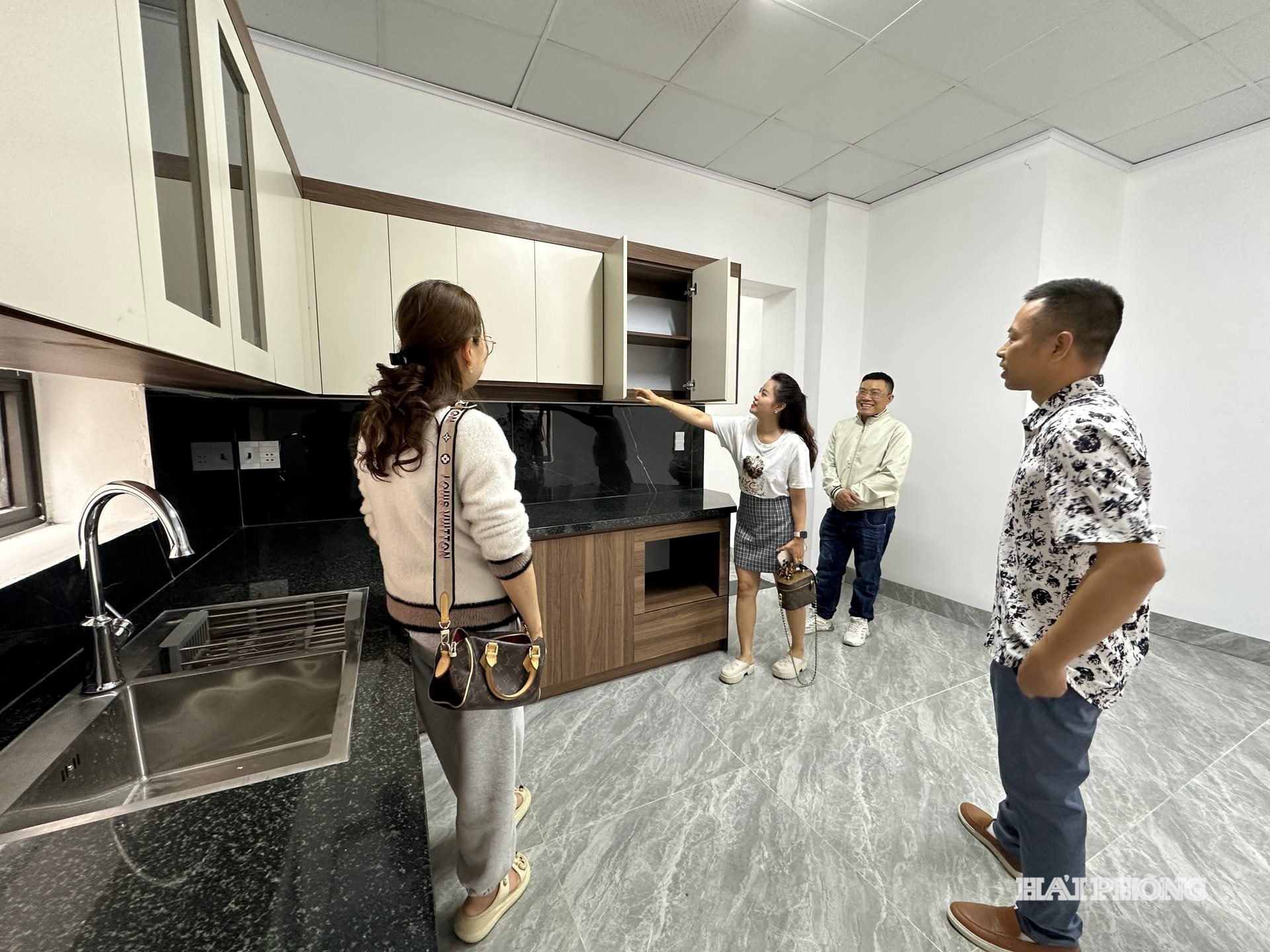
Notably, new policies such as the land price framework applied from January 2026 and the implementation of real estate identification codes from March 1, 2026, along with the enforcement of the 2024 Land Law and related amendments, have contributed to improving market transparency. However, these factors have also increased input costs for businesses.
According to DXS – FERI experts, the market is entering a clear phase of selection, with buyers becoming more cautious and prioritizing projects with complete legal status, real value, and stable cash flow potential. Investment trends are also shifting from short-term to medium- and long-term strategies, while limiting the use of financial leverage.
From the business side, many developers are focusing on completing legal procedures, improving product quality, and implementing flexible sales policies such as interest rate support and extended payment schedules to stimulate demand. Brokerage firms are also shifting from pure sales to in-depth consulting to meet increasingly sophisticated customer expectations.
In Q2 2026, the market is forecast to continue operating cautiously. Supply is expected to increase by around 22,000 units, bringing total primary supply to nearly 100,000 units. The absorption rate is projected to range from 20% to 30%, mainly driven by real housing demand and long-term investment.
Real estate experts believe that in 2026, Vietnam’s property market will not return to a phase of rapid growth, but will instead transition to a more stable, transparent, and sustainable development cycle, with strong screening of both products and market participants.
Hai Phong News