.jpg "Hai Phong real estate market booms with strong prospects")
.jpg "Industrial real estate and logistics forecast to lead Hai Phong’s market in 2026")

Gửi bình luận
Resort real estate in Hai Phong is entering a phase of strong growth.
Resort real estate establishes its position
According to the 2025 market report and Q1/2026 data from the Hai Phong Real Estate Association (HPREA), the city’s real estate market recorded a 25% increase in transactions compared to the same period last year.
Notably, the low-rise commercial housing segment (villas and resort shophouses) witnessed a “boom,” with the number of newly launched projects tripling.
A report from the Vietnam Real Estate Association (VNREA) also indicates that the absorption rate at integrated urban resort projects in Hai Phong has reached 55–60%, higher than the national average.
In terms of tourism, in 2025, Hai Phong welcomed and served approximately 14.45 million visitors, with total revenue estimated at over VND 15.2 trillion. This serves as direct “fuel” driving investment into high-end accommodation products.
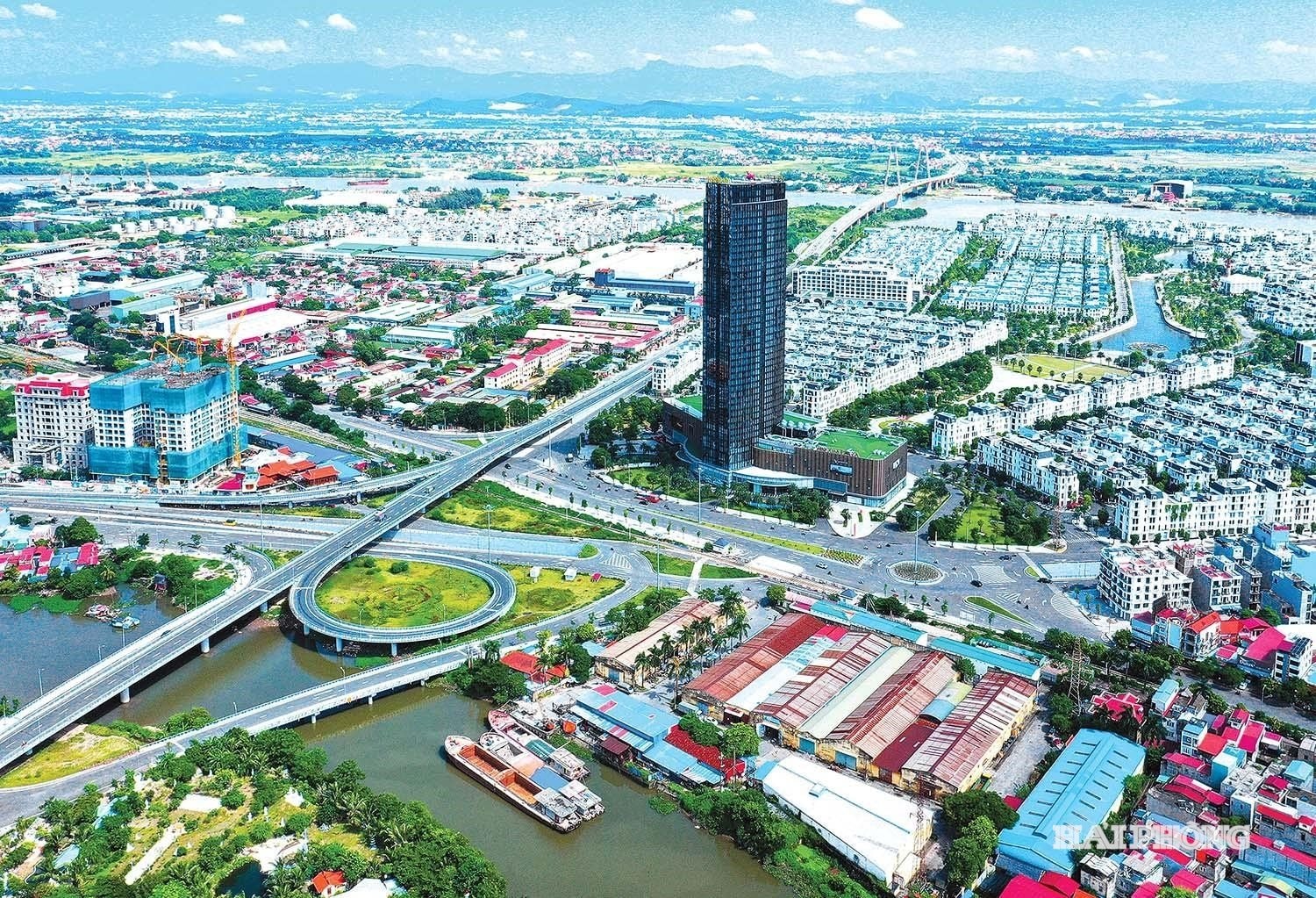
Hai Phong’s momentum does not come from speculative “hype waves,” but is built on a solid infrastructure foundation. Mr. Trung Tin, Director of Trung Tin Land Real Estate Company, noted that urban expansion along with the completion of the East–West boulevard axis, Nguyen Trai Bridge, and May Chai Bridge has completely transformed accessibility to resort spaces. This has created strong momentum for resort real estate, with a series of projects developed by investors in recent years.
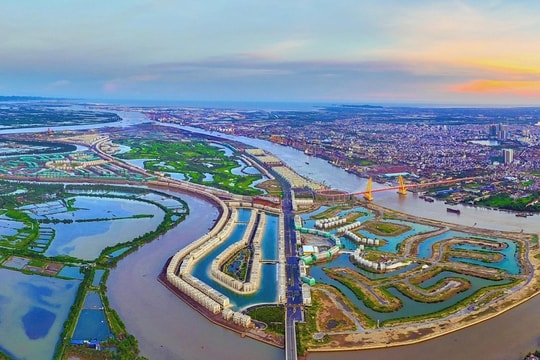
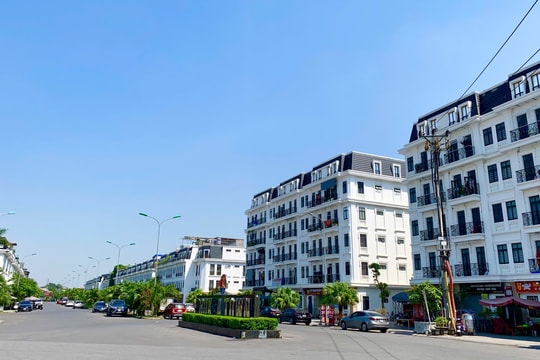
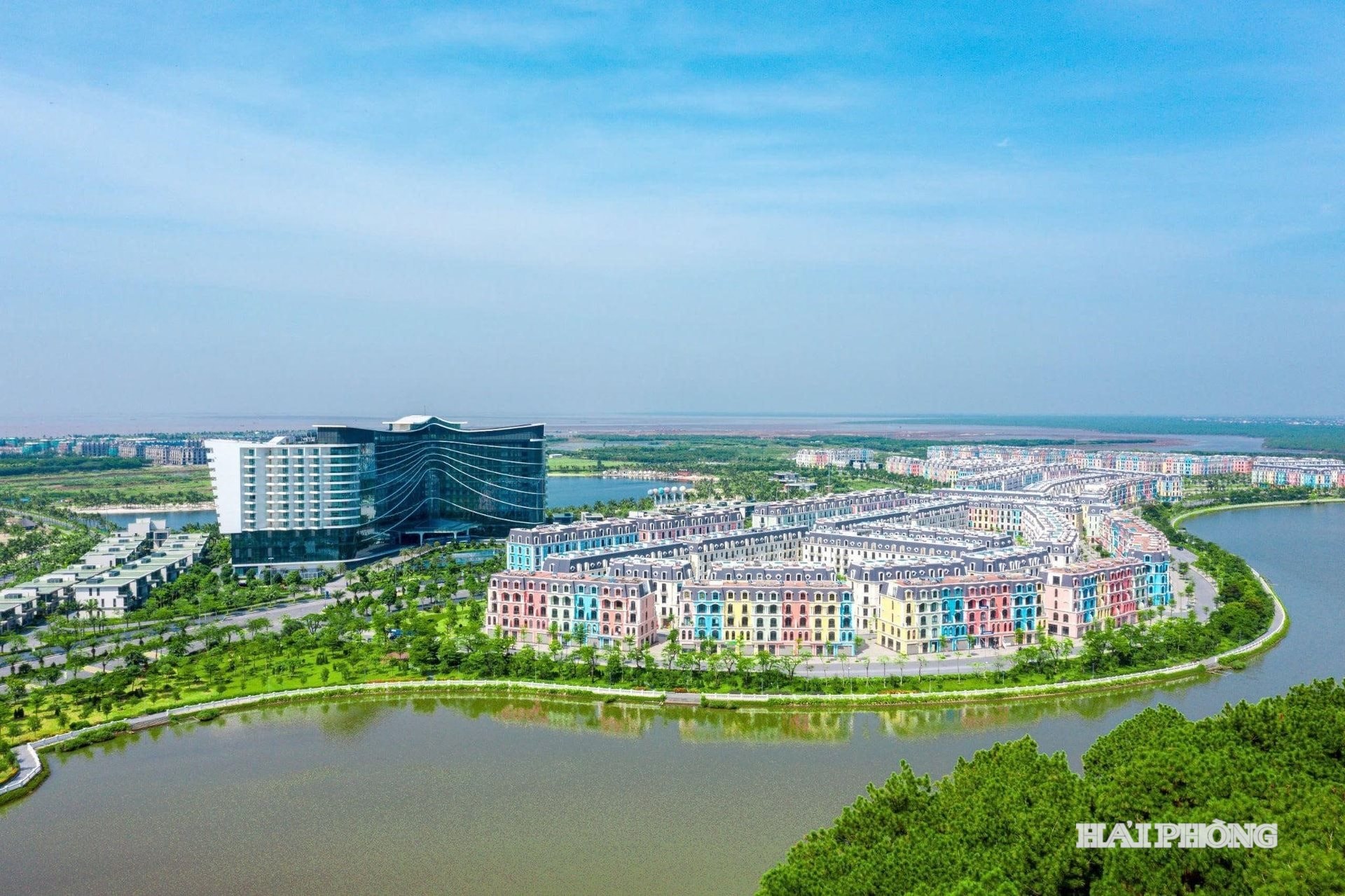
Vinhomes Royal Island (Vu Yen) is one of the largest projects in Northern Vietnam. According to a field survey in April 2026, prices for townhouses/shophouses here range from VND 8–15 billion per unit, while semi-detached sea-view villas reach VND 15–20 billion per unit.
Notably, products featuring private saltwater beaches behind the house have recorded extremely fast liquidity thanks to their uniqueness and long-term ownership certificates.
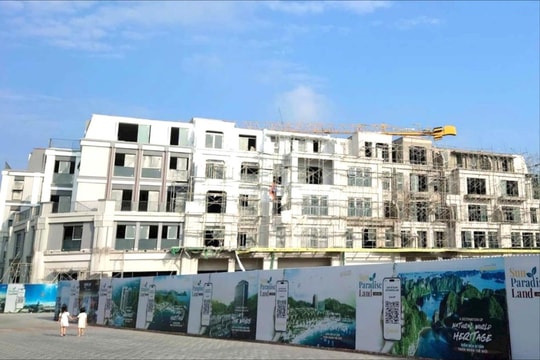
At the Dragon Ocean Do Son project in the Do Son area, sea-view dual-frontage shophouses are currently traded at around VND 14–17 billion.
The introduction of a 27-hole seaside golf course system and the Legend Park theme park has transformed Do Son from a “seasonal” destination into a year-round tourism hub.
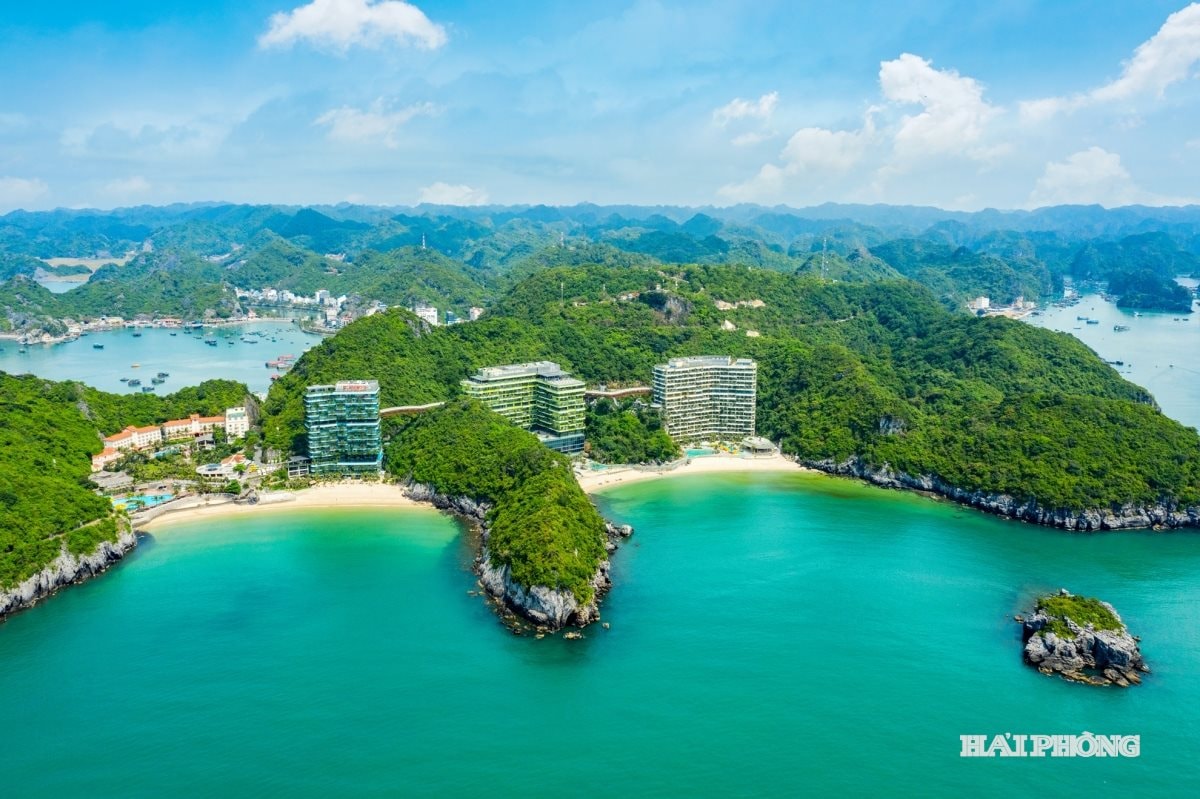
In Cat Ba, the “green hotspot,” although supply is limited due to UNESCO world heritage conservation factors, high-end resort apartments still maintain prices ranging from VND 2–5 billion per unit, while detached resort villas can reach VND 50–70 billion, targeting high-end buyers.
“Previously, I chose Quang Ninh because of its strong tourism infrastructure. However, now Hai Phong is a safer investment zone. With the expressway, travel takes just over an hour. Most importantly, long-term ownership legality (pink book) gives me confidence in asset value and price appreciation potential aligned with infrastructure development,” said Mr. Hoang Nam, an investor from Hanoi, while completing procedures for a project in Thuy Nguyen.
Not only domestic buyers, but also rental demand from more than 20,000 international experts (LG, Pegatron, Bridgestone, etc.) working in industrial zones has pushed rental yields to a stable 6–8% per year, creating sustainable cash flow for investors.
Vinhomes Royal Island (Vu Yen) is one of the largest projects in Northern Vietnam. According to a field survey in April 2026, prices for townhouses/shophouses here range from VND 8–15 billion per unit, while semi-detached sea-view villas reach VND 15–20 billion per unit.
Notably, products featuring private saltwater beaches behind the house have recorded extremely fast liquidity thanks to their uniqueness and long-term ownership certificates.
At the Dragon Ocean Do Son (Doi Rong) project in the Do Son area, sea-view dual-frontage shophouses are currently traded at around VND 14–17 billion.
The introduction of a 27-hole seaside golf course system and the Legend Park theme park has transformed Do Son from a “seasonal” destination into a year-round tourism hub.
In Cat Ba, the “green hotspot,” although supply is limited due to UNESCO world heritage conservation factors, high-end resort apartments still maintain prices ranging from VND 2–5 billion per unit, while detached resort villas can reach VND 50–70 billion, targeting high-end buyers.
“Previously, I chose Quang Ninh because of its strong tourism infrastructure. However, now Hai Phong is a safer investment zone. With the expressway, travel takes just over an hour. Most importantly, long-term ownership legality (pink book) gives me confidence in asset value and price appreciation potential aligned with infrastructure development,” said Hoang Nam, an investor from Hanoi, while completing procedures for a project in Thuy Nguyen.
Not only domestic buyers, but also rental demand from more than 20,000 international experts (LG, Pegatron, Bridgestone, etc.) working in industrial zones has pushed rental yields to a stable 6–8% per year, creating sustainable cash flow for investors.
Strategic orientation: marine urban development as a key pillar
These achievements are closely tied to the city’s strategic direction. Hai Phong has identified tourism and resort real estate as one of its three key economic pillars (alongside high-tech industry and seaport–logistics).
According to the city’s master plan to 2040, with a vision to 2050, Hai Phong aims to develop its urban space toward the sea. Focusing resources on Thuy Nguyen and Do Son is not merely about expanding administrative boundaries, but about creating smart resort urban areas.
The city is determined to say “no” to fragmented development, instead prioritizing major corporations such as Vingroup, Sun Group, and Geleximco to form synchronized “all-in-one” ecosystems.
To prevent localized “land fever” and ensure a healthy market, the city’s People’s Committee has implemented strict management measures. Planning transparency has been enhanced, with all land-use plans and eligible projects for capital mobilization publicly available on official portals, helping investors avoid “ghost projects.”
Legal control has also been tightened through comprehensive reviews of resort projects, ensuring consistency between the 2024 Land Law and the new Real Estate Business Law.
The issuance of long-term ownership certificates (“pink books”) for mixed-use products (residential and commercial) is a key factor helping Hai Phong’s market remain more stable than others.
Particularly in the Cat Ba area, the city applies “green resort” standards, limiting construction density to preserve the heritage landscape, thereby enhancing Hai Phong’s international tourism brand value.
Mr. Nguyen Van Dinh, Vice Chairman of VNREA, commented that Hai Phong is demonstrating a sharp and proactive governance mindset. The combination of industrial development and resort real estate creates real demand for the market. This is not temporary growth, but an inevitable transformation of a modern urban area.
The combined impact of modern infrastructure, investor-friendly policies, and firm governance continues to drive the growth of Hai Phong’s resort real estate sector.
With a sustainable development orientation centered on a marine urban model, Hai Phong is not only a destination for tourists but also a “golden coordinate” for smart and responsible investment flows in the new era.
Thu Hang