.jpg "‘Following footsteps of Trang Trinh’ famtrip links key heritage sites")

Gửi bình luận
Thirty- five years is a lifetime for a person to reflect, and for a traditional martial art like Nhat Nam Hai Duong, it is a period long enough to affirm its lasting heritage.
The roots of a Vietnamese martial art
In Hai Duong, Nhat Nam did more than just remain—it took root, spread, and became part of the collective memory of generations, from evening training sessions under the yellow glow of schoolyard lights to performances in sacred festivals. For the past 35 years, this legacy has been closely associated with the name Ngo Manh Hung, a martial artist and painter who devoted his youth and middle age to keeping the flame of Nhat Nam alive in Xu Dong.
Nhat Nam is not a martial art designed merely to display brute strength, nor is it a hybrid of foreign fighting styles. Its deepest roots lie in Het martial art (Hec martial art), an ancient martial tradition.
The ‘shout’ in Het martial art is not merely a sound; it is the simultaneous release of energy, force, and intent, used both to subdue the opponent and to regulate the practitioner’s internal energy. From this foundation, Nhat Nam has developed a very Vietnamese system of techniques: compact, flexible, enduring, using softness to overcome hardness, intelligence to control force, and understanding of one’s own body to defeat the opponent’s brute strength.
The core of Nhat Nam’s identity lies in its bio-inspired approach. Practitioners do not imitate the shapes of animals, but absorb the optimal movement principles of nature: sliding to neutralize force, closing in to nullify attacks, alternating motion and stillness to control rhythm. Nhat Nam martial arts is therefore very ‘authentic’: true to the Vietnamese body, true to breathing, true to the flow of energy, and true to the structure of muscles, bones, and joints.
One person – one land – one persistent mission
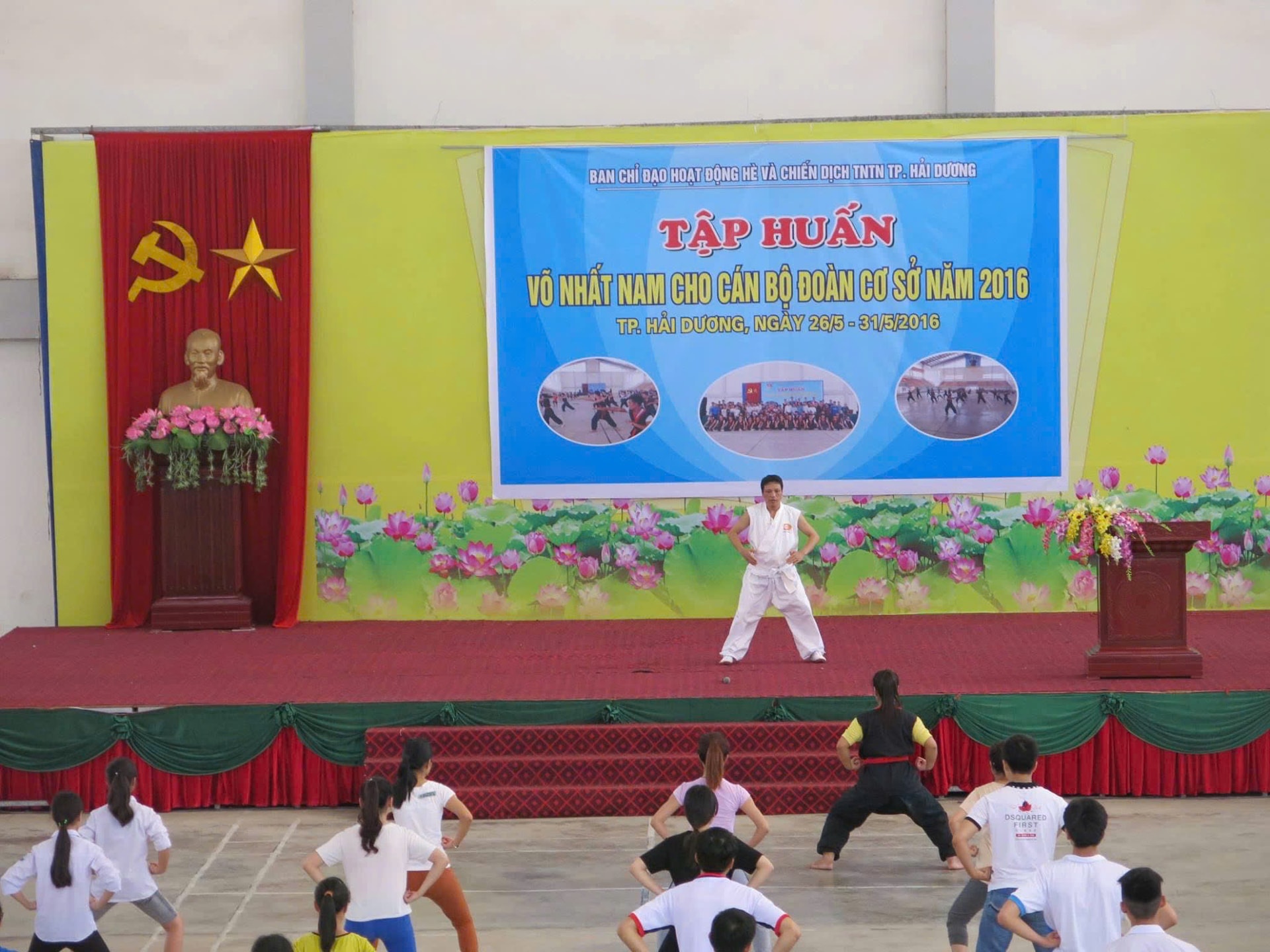
In the early 1990s, when traditional martial arts had not yet secured a firm place in urban life, Ngo Manh Hung brought Nhat Nam to Hai Duong with all the confidence of his 25 years. At that time, he was a member of the Executive Committee of the Vietnam Traditional Martial Arts Federation, a student of the first generation under Grandmaster Ngo Xuan Binh, and was entrusted with the mission to develop Nhat Nam in Xu Dong.
The path of spreading martial arts was not paved with roses. Lacking training venues, material conditions, and social understanding of a Vietnamese martial art that was not focused on competitive achievements, Ngo Manh Hung chose a quiet path: teaching with virtue, transmitting with heart. Classes were gradually opened, groups of young people were drawn not only by techniques but by discipline, etiquette, and the family-like atmosphere of the dojo.
Martial Arts in Schools and the Community
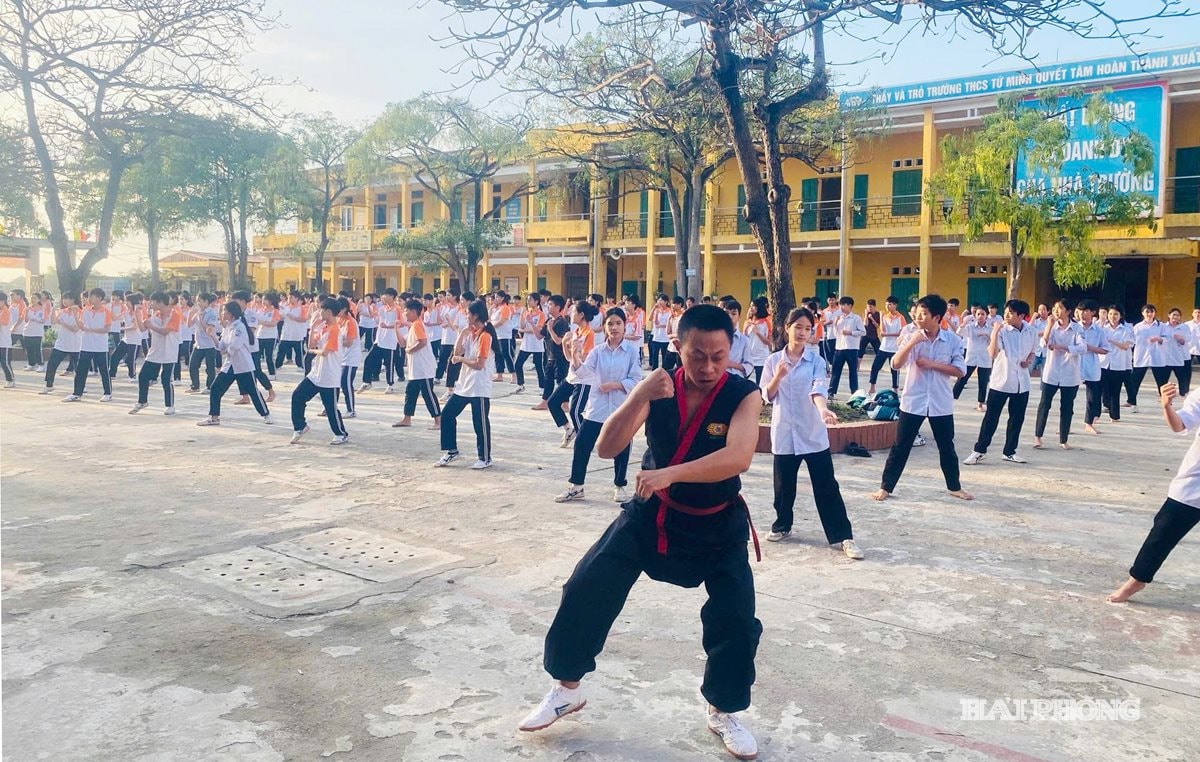
A distinctive feature of Nhat Nam Hai Duong is integrating martial arts into the educational environment. With the belief that martial arts is the shortest path to character education, Nhat Nam has been implemented as an extracurricular activity in many primary and secondary schools. There, students not only learn techniques and forms, but also how to bow to their teachers, line up properly, and control their emotions and behavior.
The initial programs quickly showed results: students became healthier, more disciplined, and more confident. Activities linking martial arts with tradition, such as the “Respect for Teachers Ceremony” at Mao Dien Temple of Literature, created a natural connection between martial arts and local culture, combining physical training with mental cultivation.
Alongside schools, large-scale community activities were organized. Hundreds of free classes for children and teenagers, dozens of regularly maintained clubs, and thousands of students participated each year. After the Covid-19 pandemic, Nhat Nam Hai Duong expanded to wellness and internal energy practices, especially suitable for the elderly, helping to promote the spirit of “living happily, living healthily, and living meaningfully.
Martial Arts in Festivals, Spirit in Heritage
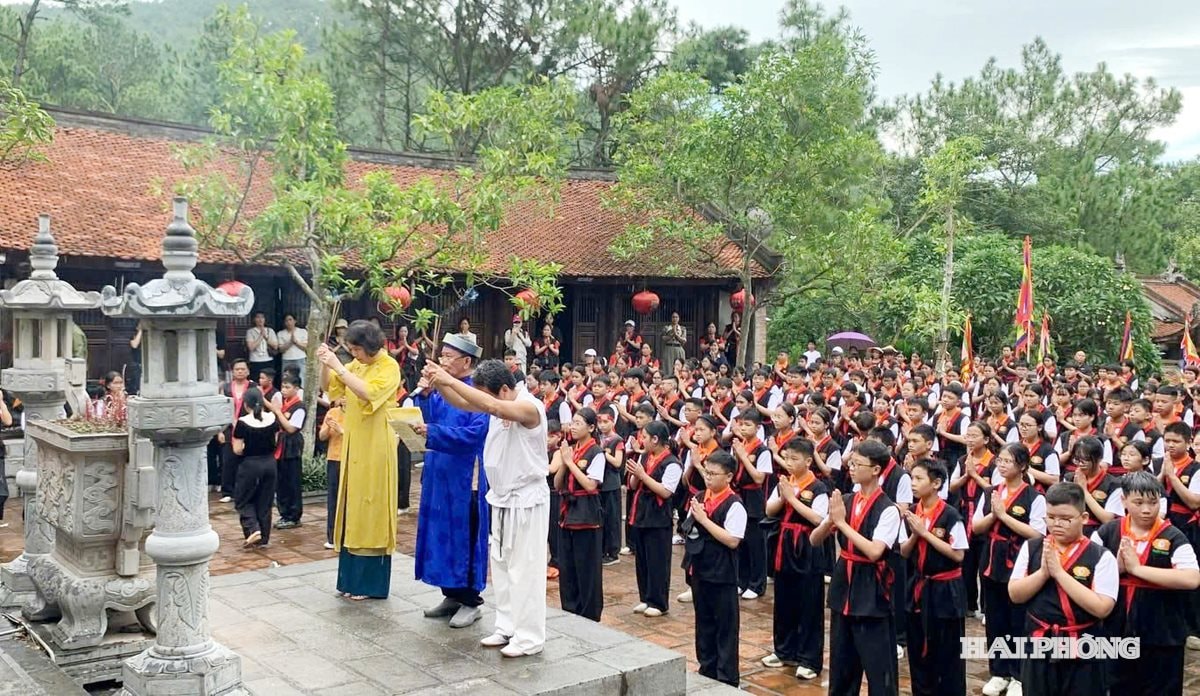
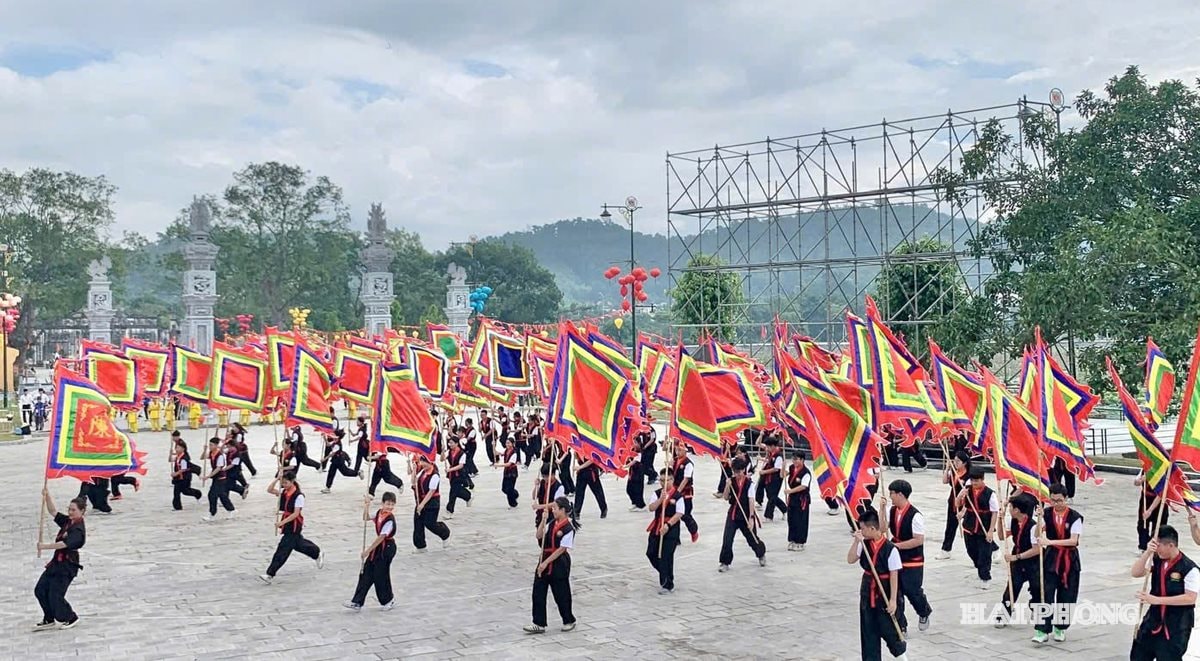
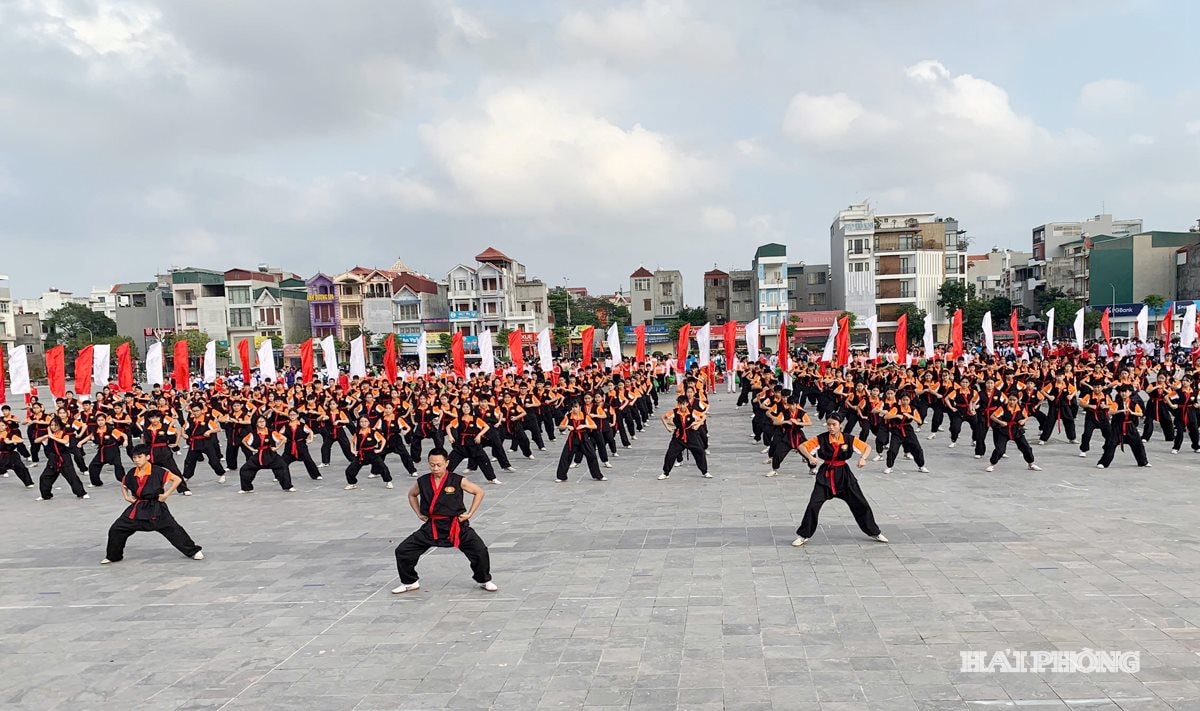
Festival spaces are where Nhat Nam Hai Duong most clearly demonstrates its role in preserving heritage. From the grand Autumn Ceremony at Con Son – Kiep Bac, the military festival on Luc Dau River, to the opening of the Hai Duong City Sports Games, hundreds of martial arts students have appeared together in performances that are both majestic and solemn.
These are not merely martial arts demonstrations but cultural stories told through the body, breath, and the spirit of martial excellence. The VTV2 channel of Vietnam Television produced the report “Returning to the Roots,” which is a well-deserved recognition of these persistent efforts.
Thirty-five years – a lifetime with martial arts
Looking back on the period from 1990 to 2025, Nhat Nam Hai Duong has never been an easy path. Challenges in funding, organization, and human resources were always present. Most masters and instructors taught with dedication, without focusing on material gain. But it is precisely this that creates sustainable value: a community bonded by loyalty, discipline, and shared ideals.
For master Ngo Manh Hung, those 35 years represent a whole lifetime. A life of evenings spent teaching after work, of trips to promote the martial art, of sweat and quiet worries. But it is also a life of joy in seeing students grow, in seeing Nhat Nam firmly established in society.
Today, Nhat Nam Hai Duong is not just a martial art school. It is part of the collective memory and identity of Xu Dong. And the 35-year journey shows a simple yet enduring truth: when a martial art is passed on with dedication and wisdom, it will not only survive but continue to thrive, spread, and endure over time – just like the noble martial spirit of the Vietnamese people.
Hai Phong News