.jpg "Behind Hai Phong’s top ranking in PAR INDEX and SIPAS")


Gửi bình luận
Hai Phong ranked first nationwide in the 2025 Free Trade Agreement Index and was the only locality to receive the ‘Excellent’ rating.
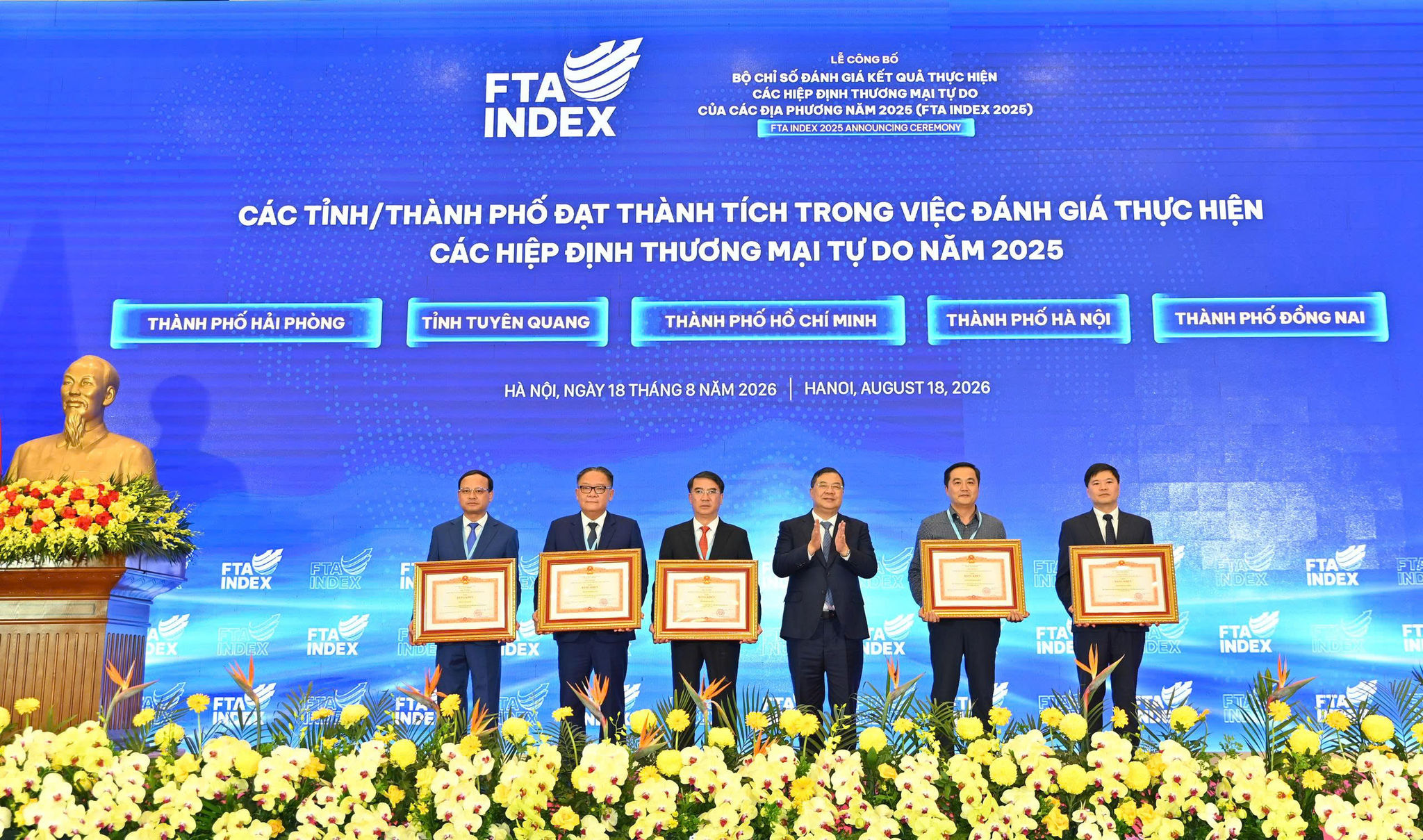
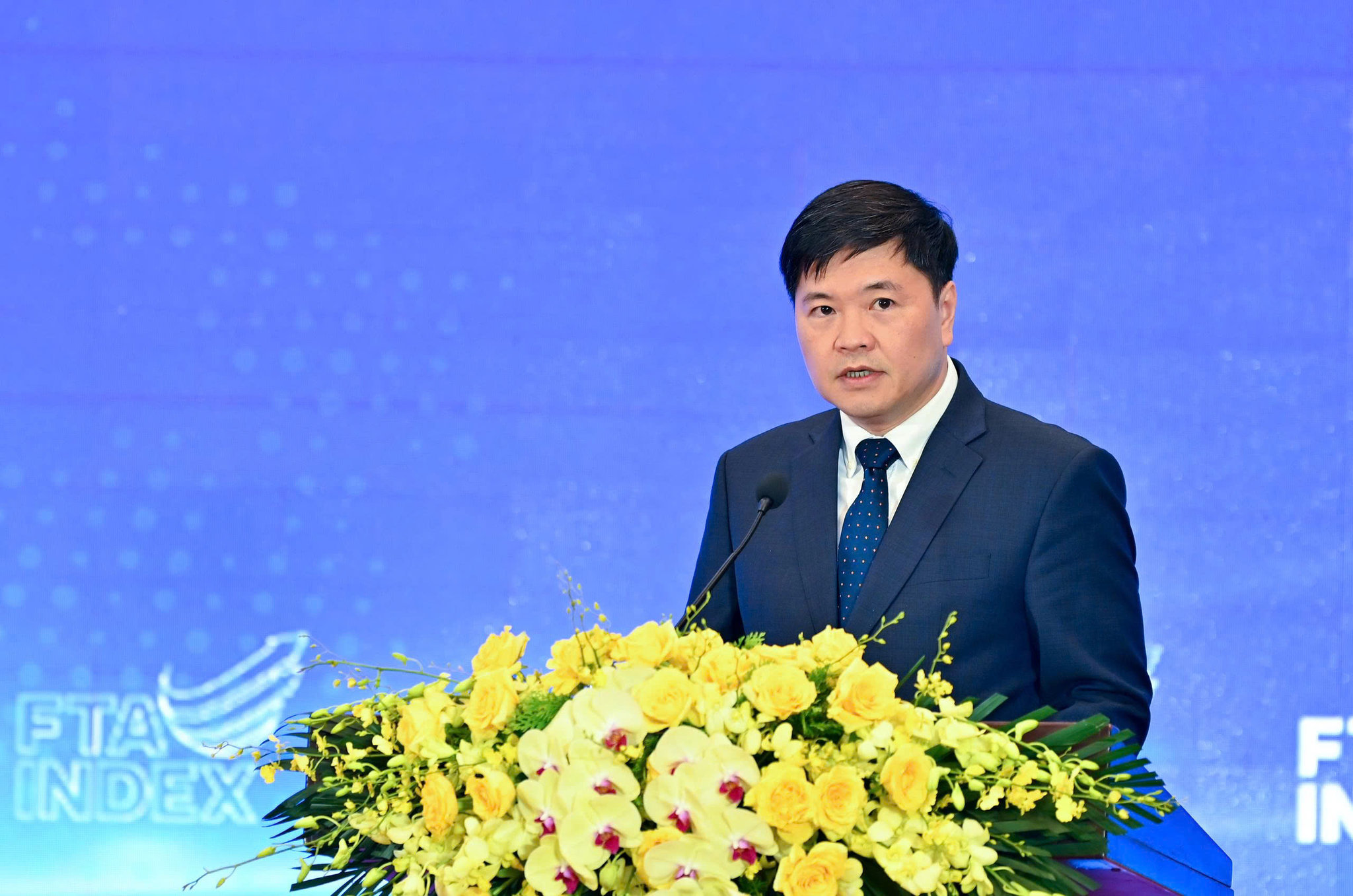
The Ministry of Industry and Trade held a ceremony in Ha Noi on August 18 to announce the 2025 Free Trade Agreement Index (FTA Index 2025), which evaluates localities’ implementation of FTAs.
According to the results, Hai Phong scored 35.62 out of 40 points, ranking first among Vietnam’s 34 provinces and cities. It was also the only locality to receive the “Excellent” rating.
The city led two of the four component indices: access to information with 9.85 points and implementation of FTA-related legal regulations with 9.4 points.
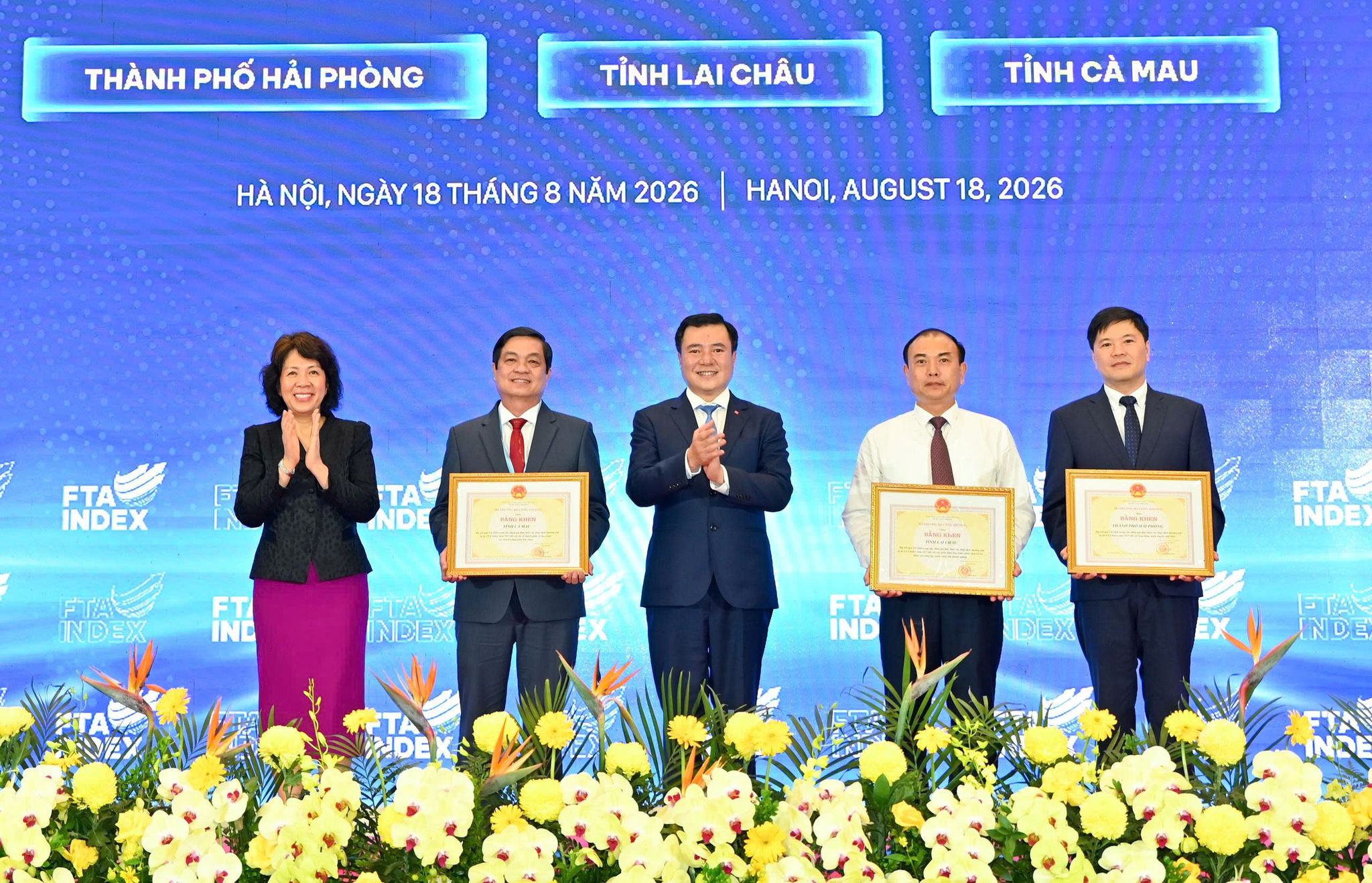
Speaking at the ceremony, Vice Chairman of the Hai Phong People's Committee Hoang Minh Cuong said the achievement reflected the joint efforts of the city Party organization, government, and business community. He added that it also brought greater responsibility to continue improving the effective use of FTAs.
Looking ahead, Hai Phong views the FTA Index as a governance and reform tool rather than simply a ranking. The city will analyze each component index and develop annual improvement plans with clear targets, responsibilities, and implementation timelines, aiming to maintain its position among the country’s top-performing localities.
Hai Phong will continue improving the quality of information tailored to specific industries and markets, particularly for small- and medium-sized enterprises. The city will also streamline administrative procedures, digitize processes, issue electronic certificates of origin under the “five on-site” model, and strengthen dialogue and early warning mechanisms on rules of origin, trade remedies, and emerging standards.
The city will further support businesses in diversifying markets, products, and supply chains while enhancing links between domestic enterprises and the FDI sector. It also plans to leverage the advantages of Lach Huyen deep-water port, economic zones, industrial parks, the logistics network, and the new-generation Free Trade Zone to increase localization and value-added production.
FTA implementation will also be closely integrated with green transition, digital transformation, and sustainable development. Hai Phong aims to help businesses adopt new technologies, improve energy efficiency, reduce emissions, develop a circular economy, and meet labor, environmental, and social responsibility standards, thereby turning FTA preferences into tangible markets, orders, and growth momentum.
LE HIEP