-8288cd875487df702230f1e34f4f2031.jpg "National scientific conference on private sector development in Hai Phong")


Gửi bình luận
The city of Hai Phong proposes completing the regional development coordination model to help create a clear shift from a mindset of “coordination” to “substantive governance.”
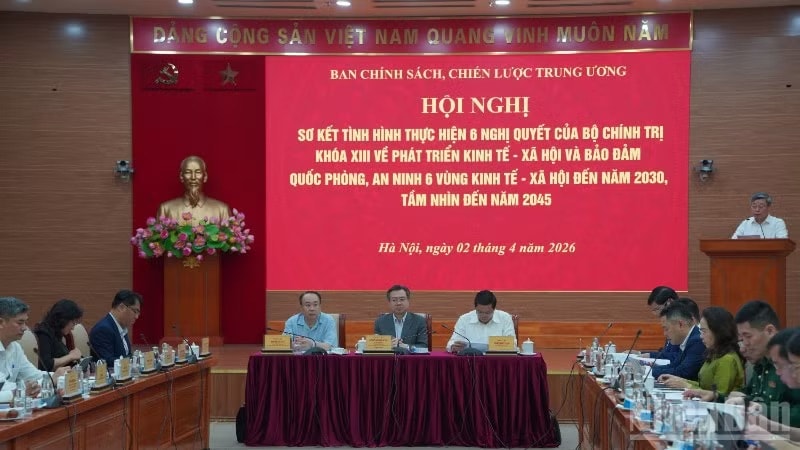
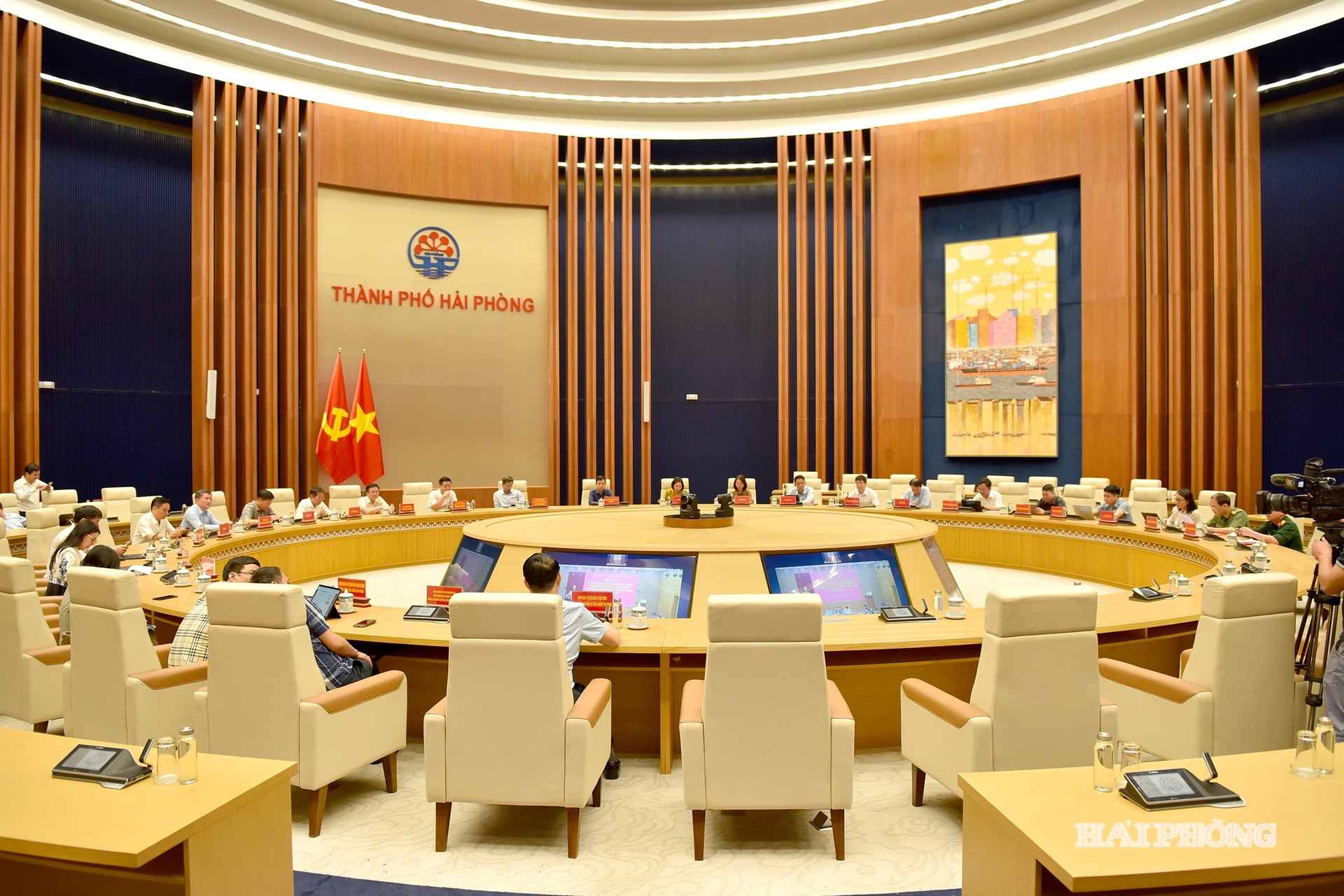
On the morning of April 2, the Central Policy and Strategy Commission held an online conference to review the implementation of the Politburo’s Resolution of the 13th tenure on socio-economic development and national defense and security for the six socio-economic regions through 2030, with a vision to 2045.
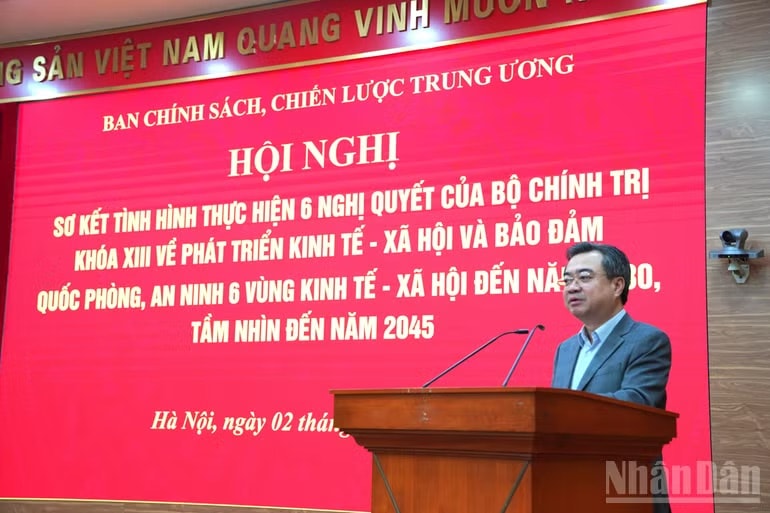
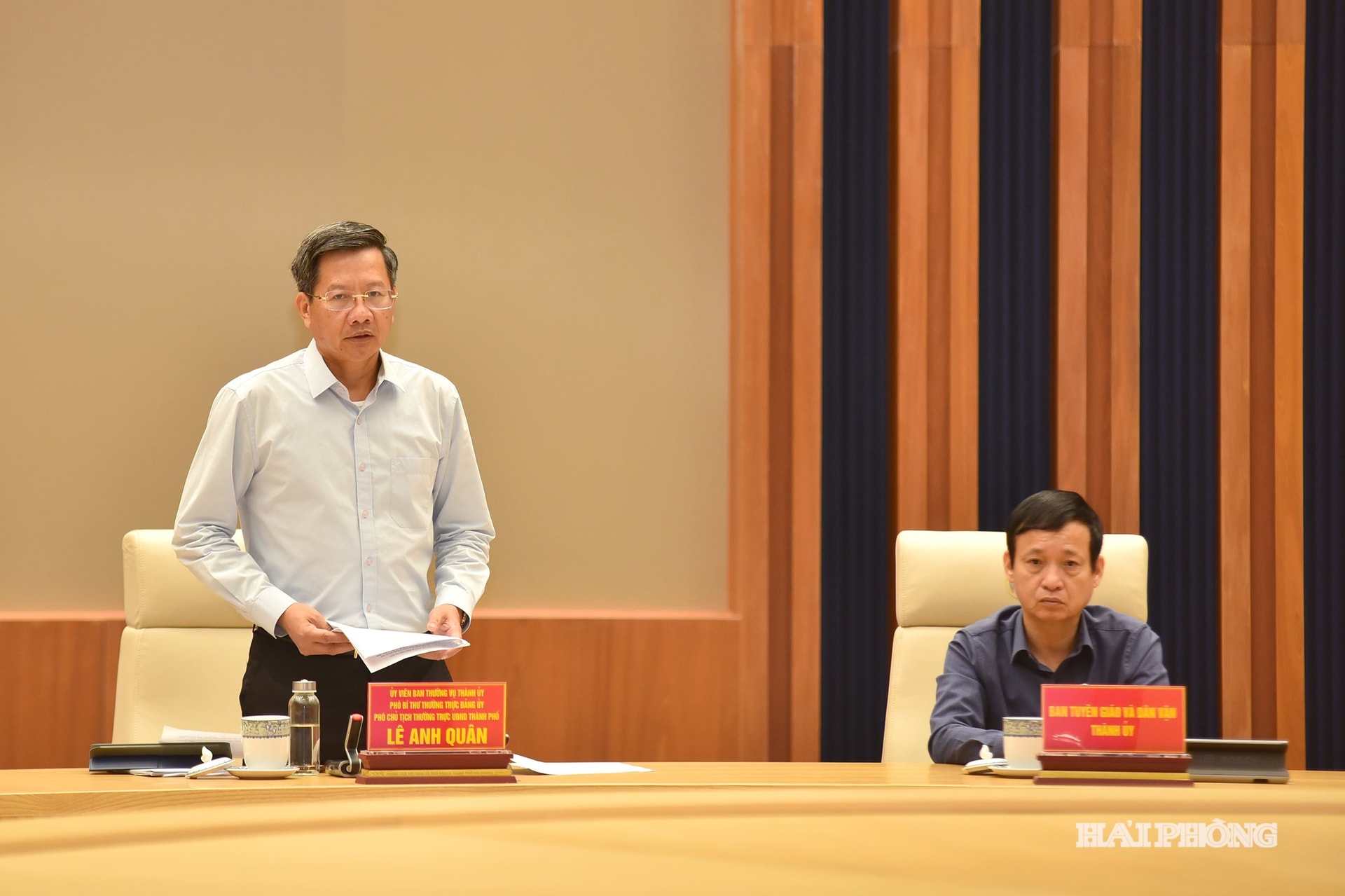
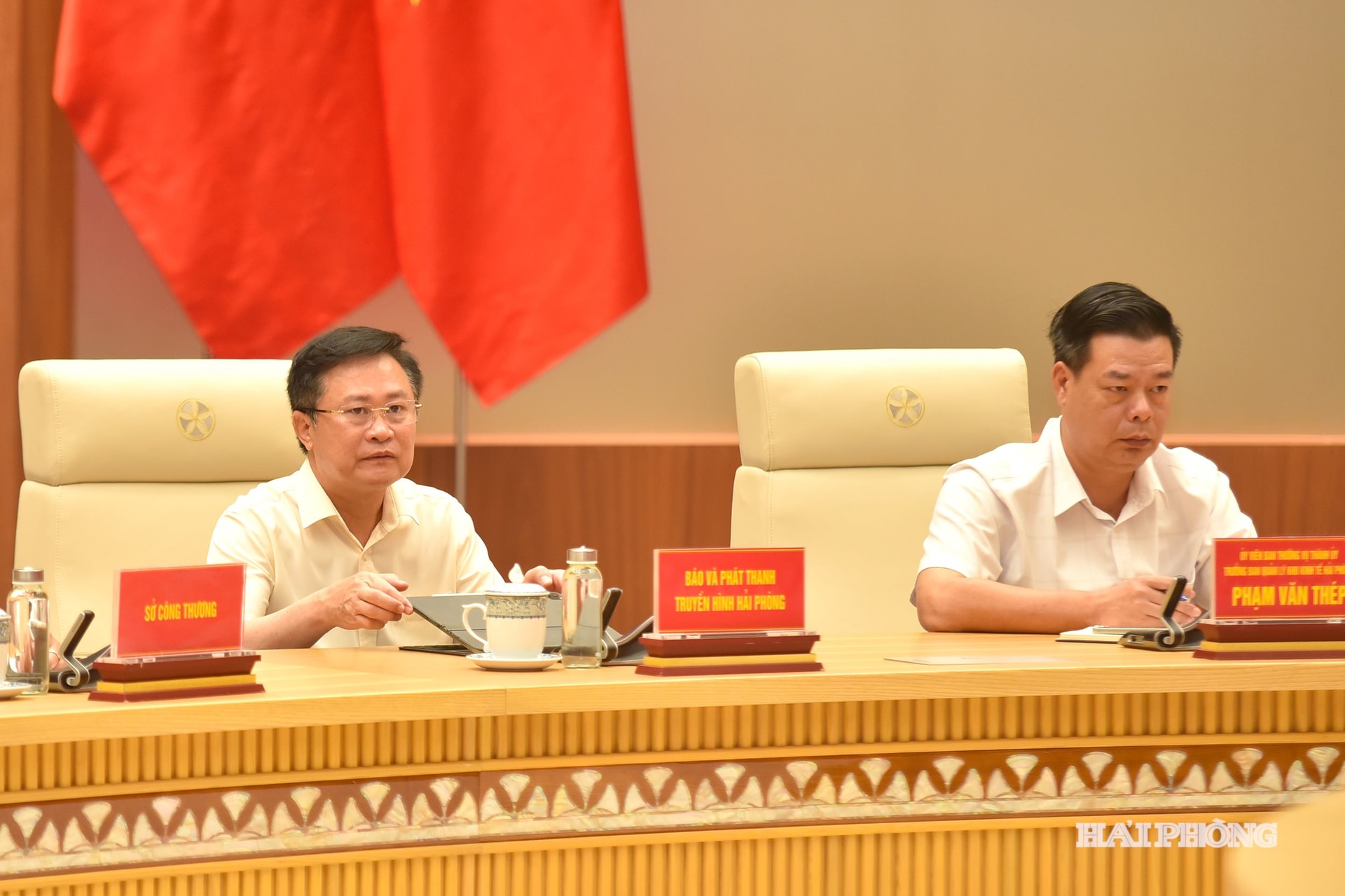
Mr. Nguyen Thanh Nghi, Member of the Politburo, Secretary of the Party Central Committee, and Head of the Central Policy and Strategy Commission, chaired the meeting at the central venue. Attending the conference at the Hai Phong venue were Mr. Le Anh Quan, Member of the Standing Committee of the Hai Phong Party Committee and Standing Vice Chairman of the City People’s Committee, along with leaders of city departments and agencies.
In 2022, the 13th-term Politburo issued six resolutions on socio-economic development and national defense and security through 2030, with a vision to 2045, for the six socio-economic regions across the country. Hai Phong belongs to the Red River Delta region, for which the Politburo issued Resolution No. 30 dated November 23, 2022.
However, following the reorganization of provincial-level administrative units in 2025, the number of provinces and centrally-run cities nationwide decreased from 63 to 34. Although the number of socio-economic regions remains six, the regional division and spatial development structure of each region have changed. This adjustment requires a comprehensive review and reassessment of the implementation of these resolutions to ensure they remain suitable for the new context.
Speaking at the conference, Mr. Le Anh Quan, Standing Vice Chairman of the Hai Phong People’s Committee, highlighted several notable achievements, while also pointing out certain limitations after three years of implementing Politburo Resolution No. 30 in Hai Phong.
Specifically, Hai Phong is a fast-growing city, with the second-largest economic scale in the region and the third-largest nationwide. The city has maintained double-digit economic growth for 11 consecutive years, and its development has created strong spillover effects, contributing significantly to the growth of both the region and the country.
The city has coordinated with neighboring localities to develop a number of transport infrastructure projects connecting the region, with a total investment of more than VND 32 trillion.
During the 2026–2030 period, Hai Phong plans to invest in six inter-provincial projects with a total capital of over VND 18 trillion. The city has also committed VND 11 trillion to support the implementation of the Lao Cai – Hanoi – Hai Phong railway project, a key transport corridor expected to enhance regional connectivity and logistics capacity.
To maximize the effectiveness of regional linkages and create new growth drivers, Hai Phong proposed that the Politburo, the Party Central Committee, the National Assembly, and the Government continue to direct efforts to improve institutional frameworks and mechanisms for regional cooperation.
Specifically, the city recommended: Accelerating the completion and approval of the adjusted planning for the Red River Delta region, as well as planning for other regions nationwide, to ensure synchronization and consistency in implementation; Refining the regional development coordination model, including granting greater authority for managing shared regional budgets and approving inter-provincial projects, thereby shifting from simple coordination to more substantive regional governance.
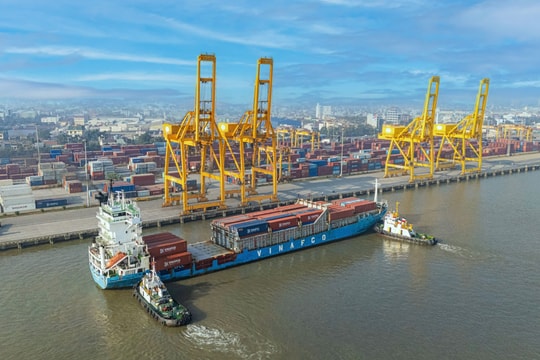
The city also proposed early approval of national sectoral master plans, incorporating Hai Phong’s recommendations to support its development goals as an international transshipment port, a national center for the marine economy, logistics and industry, and a renewable energy hub.
In addition, attention should be given to developing strategic infrastructure and strengthening regional connectivity, with a focus on several major projects related to Hai Phong, including ensuring the Lao Cai – Hanoi – Hai Phong railway line is implemented on schedule and advancing the Ninh Binh – Hai Phong expressway project.
After listening to presentations and discussions from representatives of local authorities and central ministries and agencies, Mr. Nguyen Thanh Nghi, Politburo Member, Secretary of the Party Central Committee, and Head of the Central Policy and Strategy Commission, delivered concluding remarks at the conference.
He acknowledged the in-depth assessments and contributions regarding the results of three years of implementing the Politburo’s resolutions. These inputs provide an important basis for the Steering Committee and the drafting team to review and finalize the preliminary report, ensuring it fully and objectively reflects the implementation of the resolutions.
The report will be submitted to the Politburo for consideration, serving as a foundation for adjusting and issuing new resolutions that align with the country’s socio-economic development in the new context and development space, expected to be completed in April 2026.
Pham Cuong - Trung Kien