


Gửi bình luận
In response to a tendency towards population ageing, Hai Phong is stepping up the development of geriatric medicine to improve healthcare for older people.
Comprehensive and specialized care
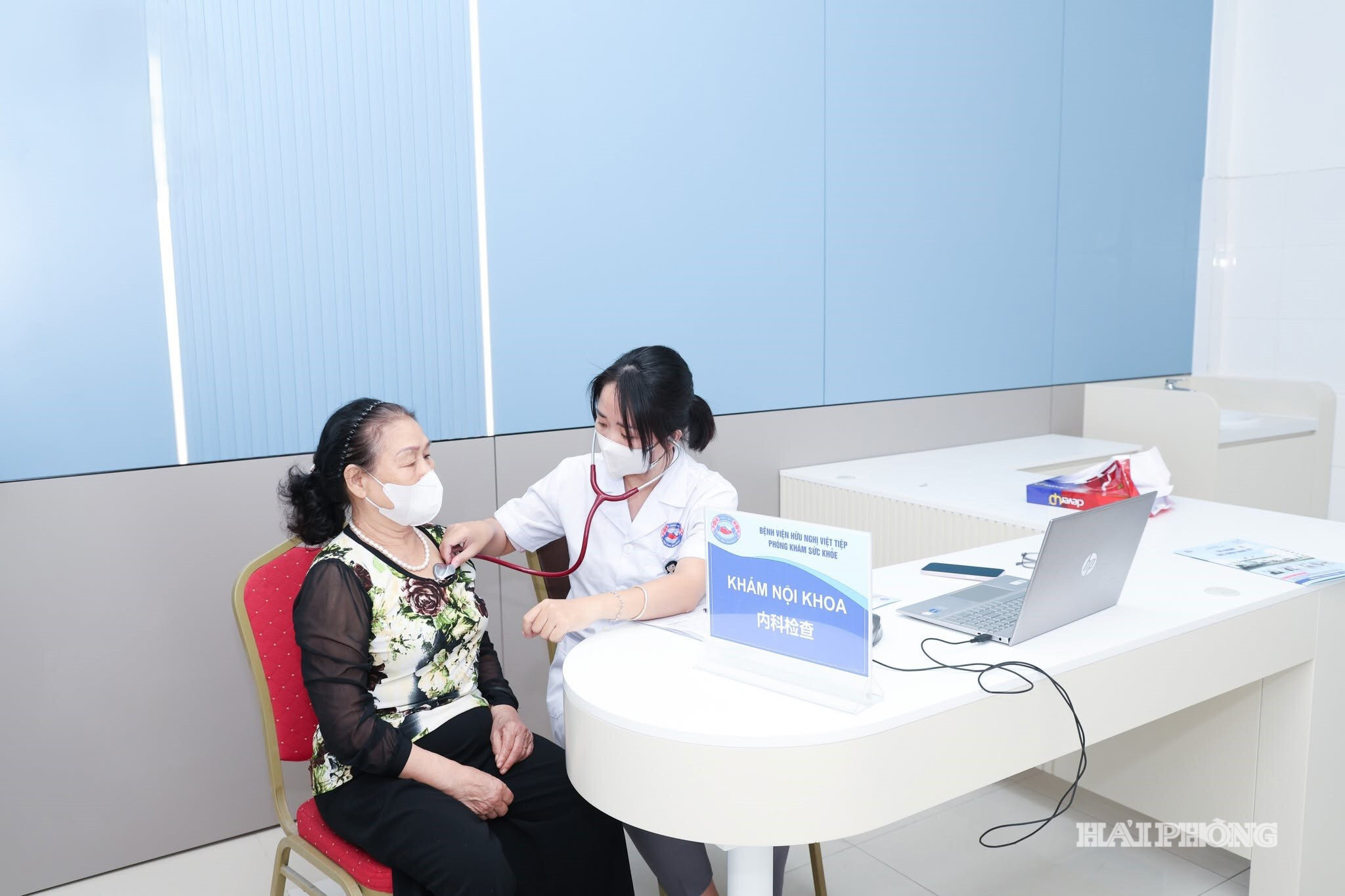
According to statistics from Hai Phong’s health sector, the city is home to more than 300,000 older people, accounting for over 15% of its total population. Hai Phong has officially entered a period of rapid population ageing. Notably, the disease patterns among older people are increasingly complex. On average, an older person suffers from five to seven chronic conditions simultaneously. The traditional treatment model of “one disease, one department” has revealed significant limitations, potentially leading to overlapping prescriptions, an increased risk of adverse drug interactions, or failure to detect underlying conditions.
Dr. Nguyen Tuan Luong, who is in charge of the Geriatrics Department at Viet Tiep Hospital, explained: “Geriatric examination and treatment are not simply about addressing individual acute symptoms. They require a comprehensive geriatric assessment (CGA).
We simultaneously evaluate patients' physical health, cognitive function, psychological well-being, mobility and living environment. Our core objective is to preserve their ability to perform daily activities as much as possible, limit complications associated with prolonged bed rest and improve their quality of life.”
From the perspectives of behavioral science and healthcare, the physical and mental health of older people are closely interconnected. Biological ageing, accompanied by declining social relationships, changes in living environments and persistent feelings of loneliness, can easily lead to psychological disorders such as anxiety and underlying depression.
Dr. Nguyen Thi Quynh Phuong, Head of the Faculty of Politics, Psychology and Physical Education at Hai Phong University, observed: “For older people, the fear of being abandoned and feelings of helplessness as their physical functions decline often have negative effects on the immune system and the body's recovery from illness.
“Effective treatment goes beyond medication and medical protocols. It also requires empathy, patient listening from healthcare workers and close support from family members.
“A friendly examination environment and timely words of encouragement can serve as an important form of ‘emotional medicine’, helping patients activate their own recovery mechanisms.”
The city's coordinated strategic direction
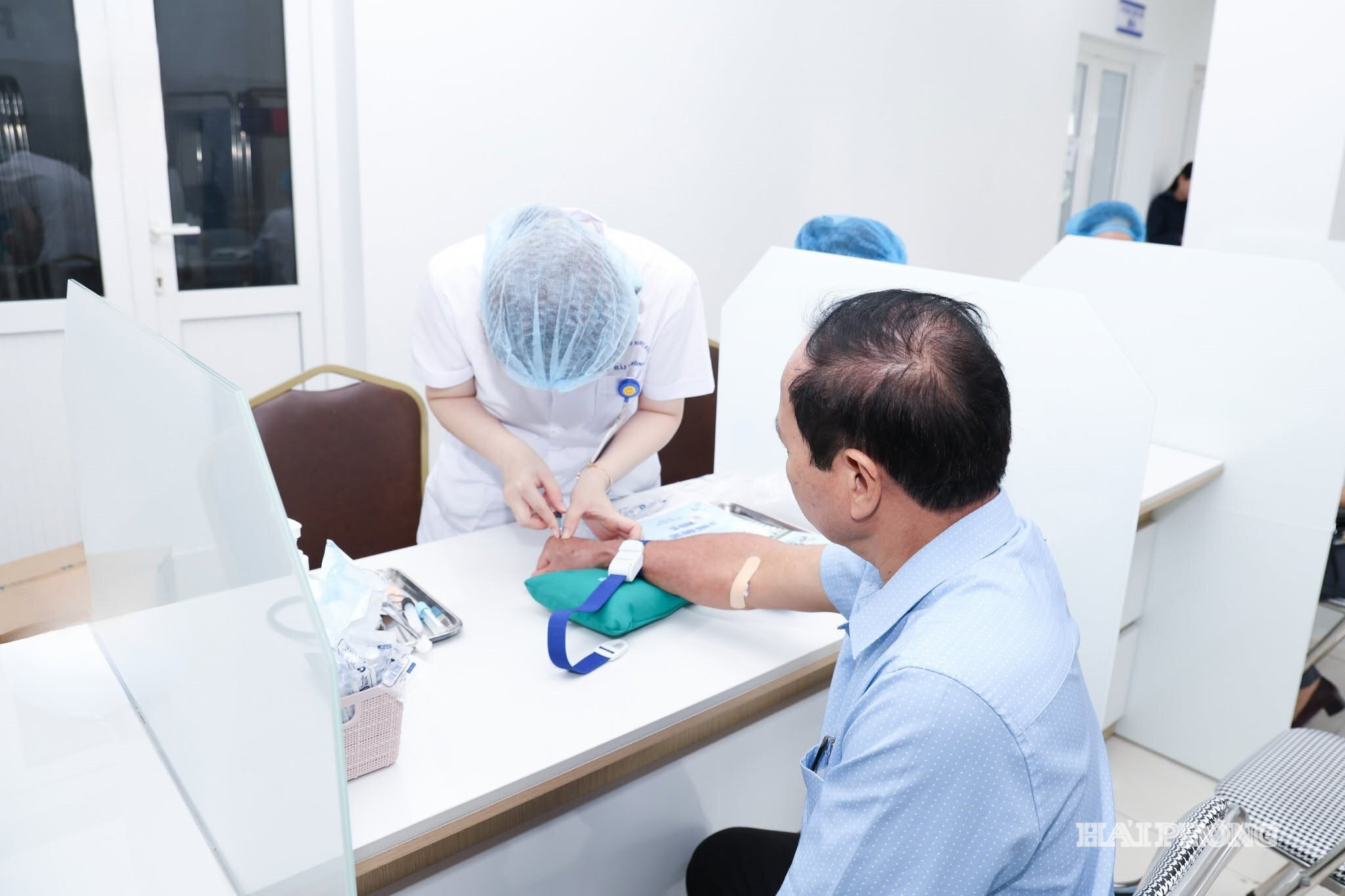
Recognizing the challenges posed by population ageing, the city and its departments and agencies have been implementing various policies and strategic orientations to improve the social welfare system and primary healthcare for older people.
The city is focusing on planning a network of specialized healthcare services extending from municipal to grassroots level. Major hospitals such as Viet Tiep Hospital and Hai Phong University of Medicine and Pharmacy Hospital are continuously strengthening and upgrading their geriatrics departments in terms of facilities, modern medical equipment and highly qualified personnel.
In addition, the strengthening of applying information technology, establishing electronic health records for the entire population, implementing chronic disease management models at commune and ward level, and developing home-care services are gradually creating a robust healthcare safety net.
To translate these objectives into action, on October 8, 2026, Dao Trong Duc, Vice Chairman of the Hai Phong People's Committee, signed Official Dispatch No. 13291/VP-VX on strengthening healthcare for older people across the city. Accordingly, the city assigned the Department of Health to take the lead, in coordination with relevant departments, agencies and local authorities, in effectively carrying out professional tasks and ensuring that all older people receive regular health check-ups and have health records established and managed.
Particular priority is given to poor and near-poor households, people facing difficult circumstances, those living alone and people with disabilities who have limited access to healthcare services.
Authorities at all levels and specialized agencies shall step up early detection and management of non-communicable diseases, provide nutritional counseling, guide physical activity, prevent falls and promote mental healthcare.
The coordinated development of geriatric medicine in Hai Phong not only reflects the profound humanitarian values of the public healthcare system but also demonstrates a strategic vision for building a sustainable society in which older people receive comprehensive care, enjoy healthy and fulfilling lives, and continue to contribute their wisdom and experience to the community.
THU HANG