

.jpg "Smart city training course deepens Hai Phong – Singapore cooperation")


Gửi bình luận
As Hai Phong enters a new phase of development, the early completion and implementation of the smart city project has become an urgent requirement.
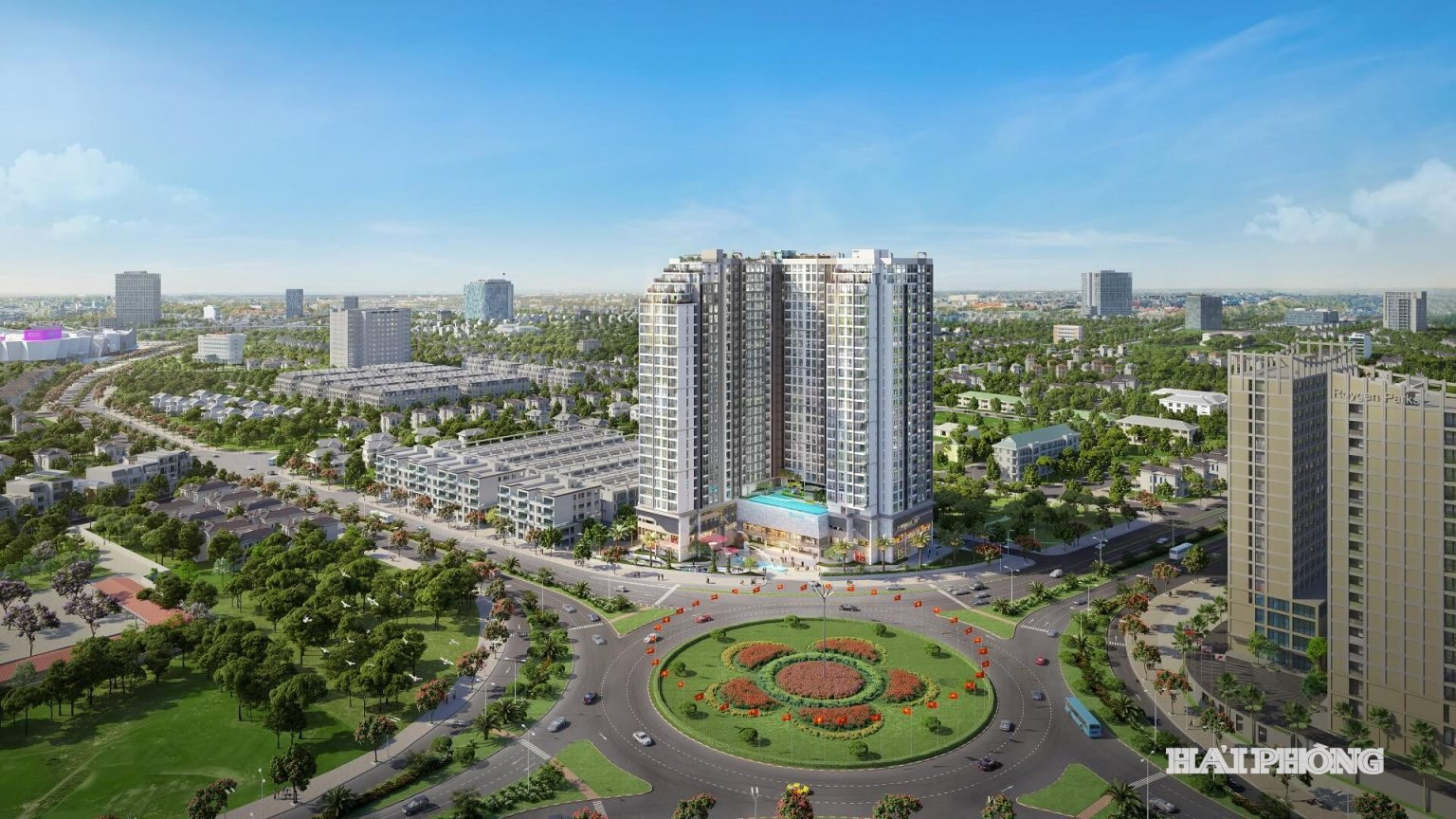
Amid the celebrations marking the 71st anniversary of Hai Phong’s Liberation Day (May 13, 1955 – May 13, 2026) and the Red Flamboyant Festival – Hai Phong 2026, the story of building a smart city has become more relevant and meaningful than ever.
More than seven decades after liberation, Hai Phong today has undergone remarkable transformation not only in its urban landscape, economic scale, and transport infrastructure, but is also entering a new stage of development — a comprehensive digital transformation aimed at becoming a modern, green, smart, and internationally integrated city.
According to the latest report from the city’s Department of Science and Technology, progress on the Smart City Project is gradually being finalized, with the goal of building a digital government, digital economy, and digital society centered around serving people and businesses.
What stands out in this direction is that Hai Phong is not approaching the smart city model as merely a “technology showcase,” but rather as a practical solution to the city’s real challenges. The project clearly defines its core objective as placing residents and businesses at the center, focusing on addressing bottlenecks in transportation, environment, and logistics, while striving to transform Hai Phong into a modern, internationally recognized smart port city.
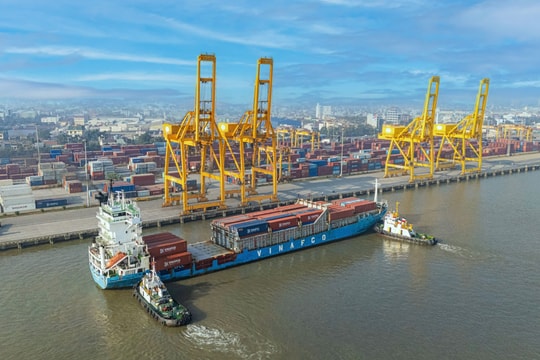
This direction aligns well with Hai Phong’s current development characteristics. With the largest seaport system in Northern Vietnam, rapid urbanization, increasing traffic density, and growing demands for large-scale urban governance following the expansion of development space, the city is facing significant pressure on infrastructure, the environment, and social administration. Without the early and effective application of digital technology, big data, and artificial intelligence in governance, the risks of infrastructure overload, congestion, pollution, and fragmented public services will become increasingly evident.
The “05-17-03” implementation model proposed in the project reflects a relatively comprehensive and modern development mindset. It includes five strategic pillars — digital infrastructure, public services, governance and operations, sustainable environment, and industrial-port economy; 17 architectural components ensuring a synchronized ecosystem from infrastructure, data, and AI to citizen-oriented applications; and a three-phase roadmap from building foundations to AI-powered smart operations. All of these demonstrate that a smart city is not merely an information technology initiative, but a comprehensive transformation in the way a city is governed and operated.
In particular, the inclusion of “Digital Twin” technology — a digital replica of the city — in the development orientation is a highly noteworthy approach. If implemented effectively, it could become a powerful tool supporting urban planning, traffic simulation, infrastructure management, and real-time risk forecasting. For a coastal city heavily affected by climate change like Hai Phong, this technology could also assist in managing flooding, erosion, environmental issues, and sustainable urban development in the long term.
However, building a smart city requires not only advanced technology and substantial investment, but more importantly, effective governance thinking and the ability to connect and share data. Experiences from many localities show that numerous digital transformation projects have been ineffective because each sector invested in separate systems with disconnected data, leading to waste and poor integration. Therefore, the project’s emphasis on avoiding dependence on proprietary technologies, while assigning the city’s Digital Transformation Steering Committee to directly oversee implementation in order to prevent fragmented investment, is both necessary and appropriate.
Another issue that must be addressed frankly is that building a smart city cannot be separated from its people. No matter how advanced the technology may be, if residents cannot easily access it, do not find it convenient, or do not benefit from it in meaningful ways, its effectiveness will remain limited. Therefore, alongside investing in digital infrastructure, Hai Phong needs to continue improving citizen-oriented platforms such as the Smart Hai Phong application, online public services, field reporting systems, digital payments, digital healthcare, and digital education in a more practical, user-friendly, and integrated manner.
As Hai Phong enters a new stage of development with a series of strategic infrastructure projects, ambitions to become an international logistics center, and the growth engine of the Northern coastal region, the early completion and implementation of the Smart City Project is an urgent necessity for the city to strengthen its competitiveness and governance efficiency.
Nguyen Duong