
Gửi bình luận
Vietnam is regarded by international experts as an economy with strong adaptability to global energy fluctuations, thanks to its consistent policies and stable macroeconomic fundamentals.
Mr. Shan Saeed, Chief Economist at Asia real estate technology group Juwai IQI, noted that the world today shares many similarities with the 1970s, when geopolitical risks coincided with oil price shocks, central banks increased gold reserves, and the US dollar weakened—resulting in high inflation but low growth.
According to Mr. Saeed, the global oil market has now become a strategic macro asset, influenced by multiple factors such as geopolitics, transportation costs, insurance premiums, and policies of major powers.
In a volatile macroeconomic environment, he emphasized that resilience no longer lies in avoiding shocks but in a government’s ability to respond flexibly—reflected in policy transparency, execution speed, and institutional credibility. Amid global challenges, Vietnam is viewed by international observers as a “success story” thanks to its policy consistency and effective implementation capacity.
Regarding ASEAN, Mr. Saeed described the region as having “asymmetric resilience,” where countries with strong fiscal foundations and stable policies hold an advantage. Malaysia and Indonesia are cited as examples of fiscal discipline, while Vietnam stands out for its macroeconomic stability and robust industrial growth.
He noted that Vietnam has maintained key indicators such as foreign exchange reserves, budget deficit control, debt-to-GDP ratio, and currency stability through flexible monetary and fiscal policies. These achievements are the result of decades of governance, effectively combining economic tools to drive growth.
Another notable factor is Vietnam’s consistency in development orientation—from industrialization and energy to education—helping build confidence among international investors.
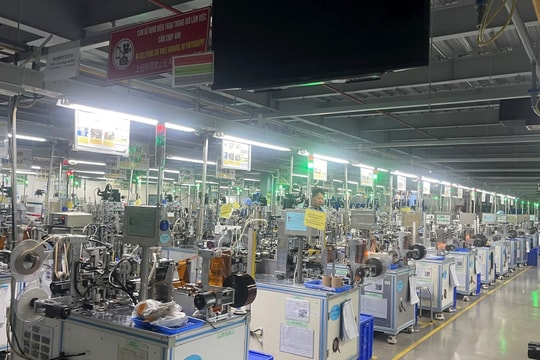
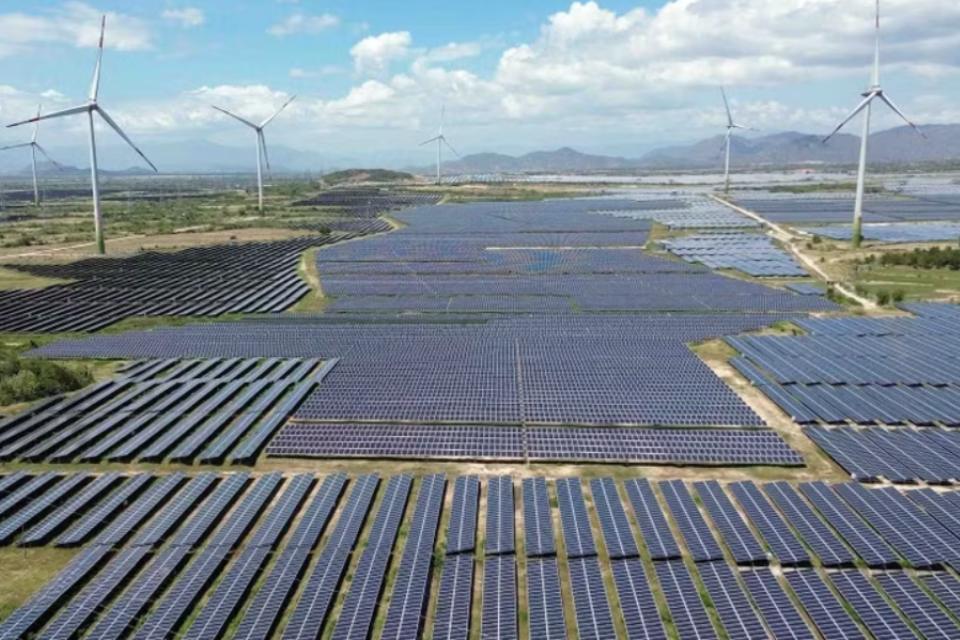
Entering a new phase of energy development, Vietnam is seen as having significant opportunities, with implementation capacity being the decisive factor. Under Power Development Plan VIII, the country aims to increase installed capacity from 84 GW to around 236 GW by 2030. With cumulative FDI exceeding USD 500 billion, Vietnam is transitioning toward a high-tech industrial production model.
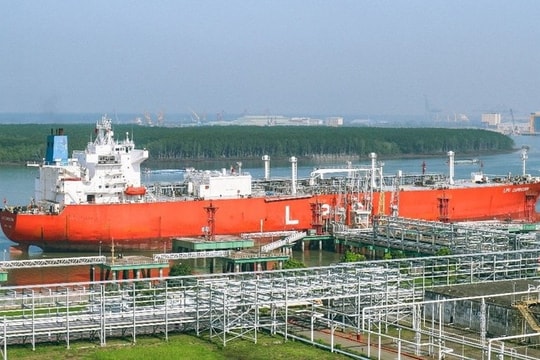
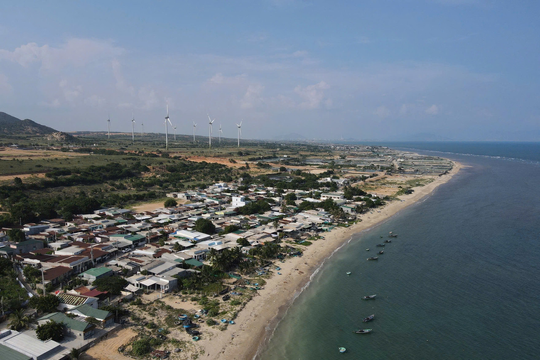
Key priorities such as modernizing the power grid, developing LNG infrastructure, and promoting renewable energy are expected to drive the next phase of growth. Mr. Saeed believes that Vietnam’s next growth cycle will depend heavily on the effective execution of its energy plans, thereby enhancing its industrial competitiveness.
According to international experts, Vietnam is not only adapting effectively to global energy market fluctuations but also proactively repositioning itself. The combination of political stability, fiscal discipline, and long-term vision is creating strong appeal.
Mr. Saeed forecasts that alongside the Gulf Cooperation Council (GCC) and Africa, ASEAN—with Vietnam as a key player—will maintain stable growth over the next 3 to 5 years. Recent achievements demonstrate that effective governance can turn challenges into opportunities, laying the foundation for long-term growth.
Hai Phong News