.jpg "Expanding sea access, Hai Phong sustains growth momentum")

Gửi bình luận
According to the city’s master plan to 2050, with a vision to 2075, becoming a marine economic center and an international trade gateway for the region is a key development orientation for Hai Phong.
Rich in potential and resources
Hai Phong covers an area of more than 3,194 km², of which 163.6 km² is made up of islands, including the Cat Ba and Long Chau archipelagos, as well as Bach Long Vi, Hon Dau, and Cat Hai islands. The city’s coastline stretches 125 km, with five main estuaries: Lach Huyen, Nam Trieu, Lach Tray, Van Uc, and Thai Binh.
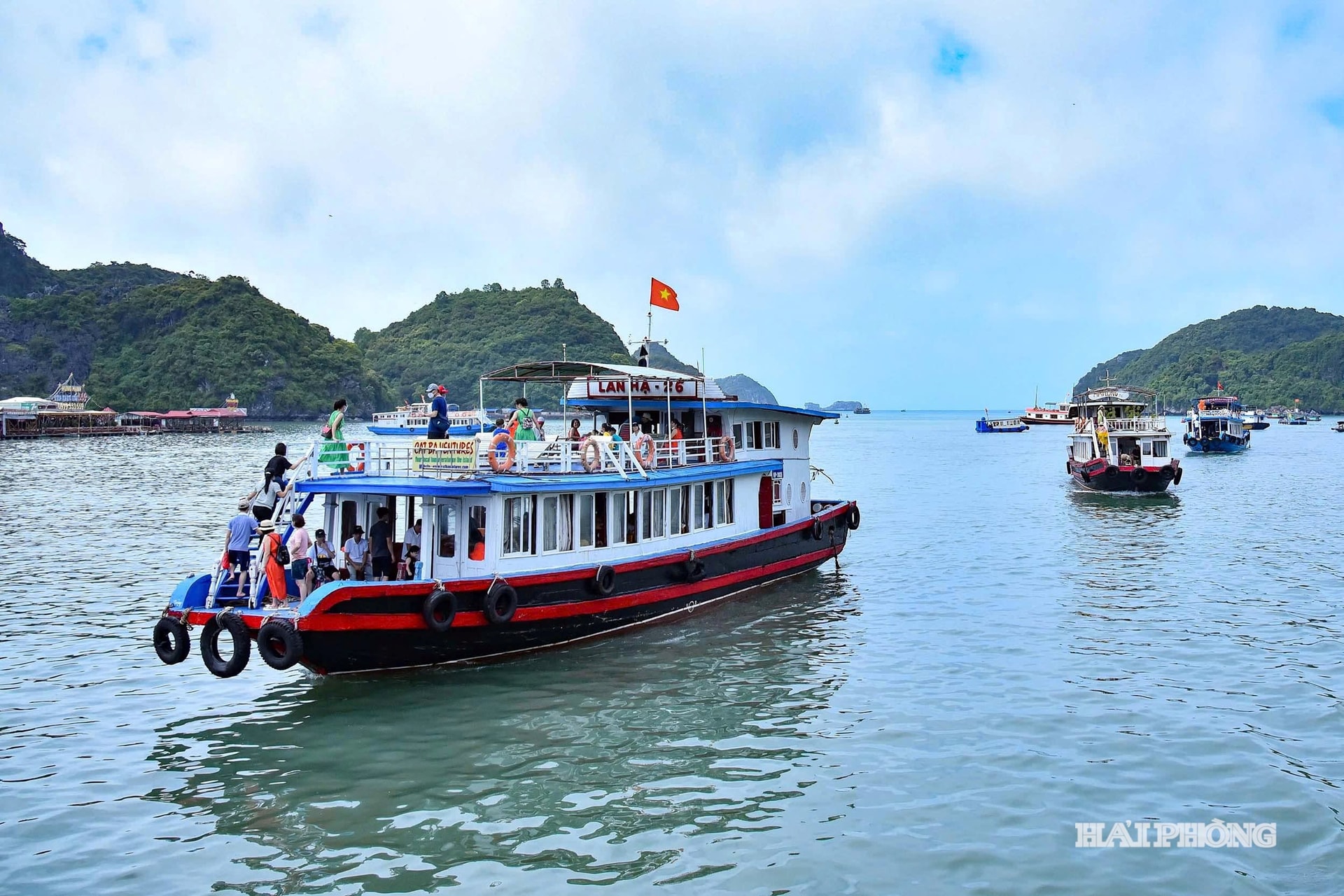
According to Associate Professor Dr. Tran Dinh Lan, former Director of the Institute of Marine Resources and Environment under the Vietnam Academy of Science and Technology, Hai Phong’s sea area holds strategic importance in terms of national defense, economy, politics, and culture. It is also notable for its exceptional biodiversity and high conservation value, encompassing all typical ecosystems of Vietnam—both marine and forest environments. Notably, it includes the Cat Ba Archipelago World Biosphere Reserve and the Bach Long Vi Marine Protected Area. The waters around Cat Ba, especially Lan Ha Bay, are considered the most biodiverse in the Gulf of Tonkin, featuring diverse ecosystems and many rare marine species.
Hai Phong’s coastal island system includes more than 300 islands of various sizes. Nationwide, it ranks third in the number of coastal islands, after Quang Ninh and An Giang provinces. In terms of area, Cat Ba Island is the third largest, after Phu Quoc Island (An Giang Province) and Cai Bau Island (Quang Ninh Province). Cat Ba is the largest limestone island along the western coast of the East Sea, playing a crucial role in shielding and protecting Hai Phong Port and Lach Huyen waters. It boasts stunning natural landscapes and unique geological and biodiversity values. The Cat Ba island area has been recognized as a World Biosphere Reserve and is also home to one of Vietnam’s first national parks.
Cat Hai Island is the only sandy island in Vietnam’s coastal and offshore regions. With favorable terrain and a strategic location between Nam Trieu and Lach Huyen channels—guarding the outer gateway of the Bach Dang estuary—it possesses exceptional resource value and strategic importance, rarely matched by other nearshore islands. This stands as one of the city’s key advantages compared to other localities.
Turning the sea into a defining brand
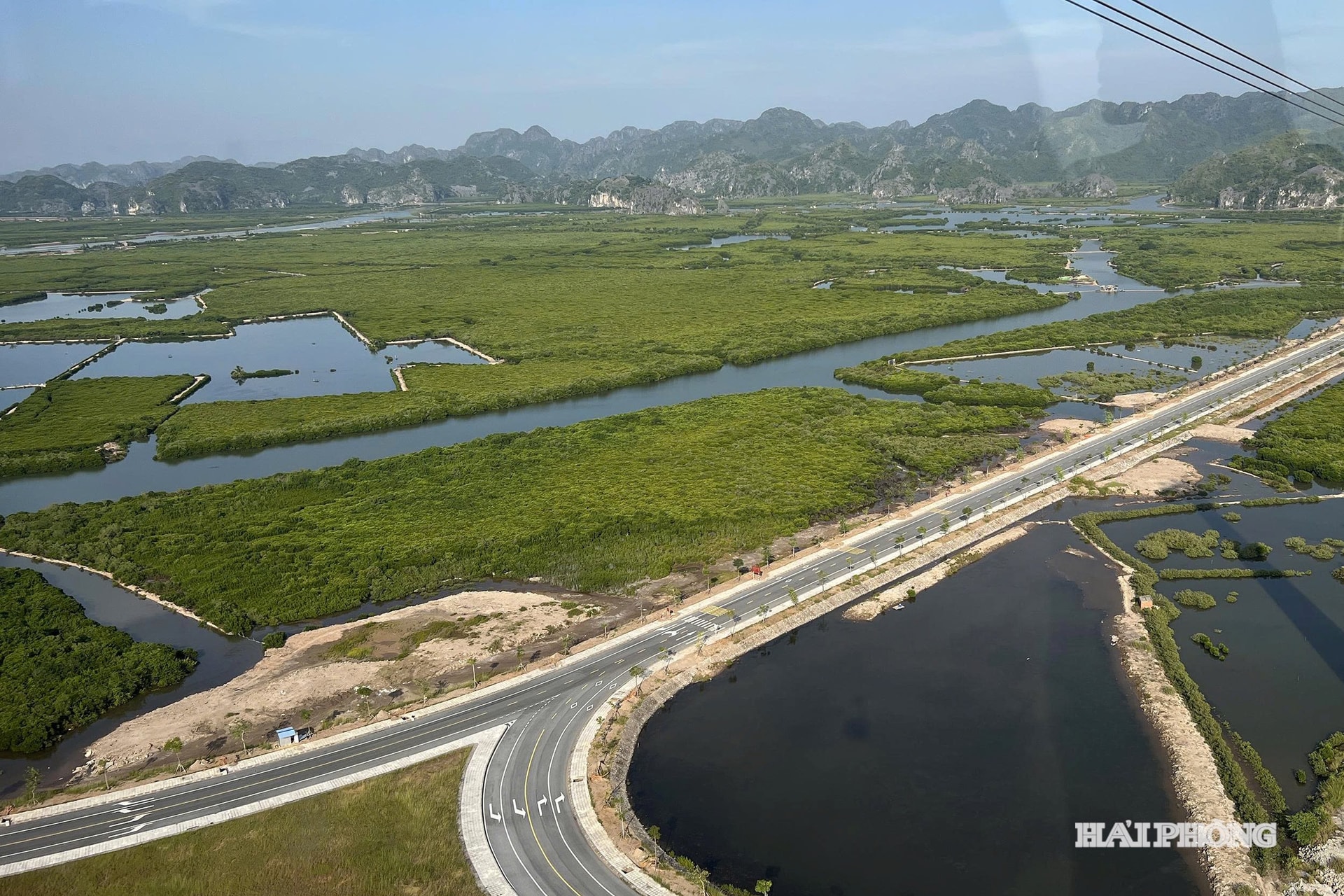
Under Decision No. 5455 dated December 31, 2025, approving adjustments to the city’s master plan for 2021–2030 with a vision to 2050, Hai Phong clearly defines its goal of proactively seizing opportunities and maximizing the potential and advantages of a port city and regional economic hub—serving as the “main gateway to the sea” of northern Vietnam. The city aims to become a modern marine economic center with international connectivity, a key growth driver for the Northern region and the country, and a leading hub in Southeast Asia.
Accordingly, Hai Phong’s marine space is planned into two zones: nearshore and offshore. The nearshore area includes three main sub-regions: the southern part of Do Son Peninsula, the northeastern part of Do Son Peninsula, and the Cat Ba – Long Chau area, serving marine economic activities, tourism, and conservation. The offshore zone, associated with Bach Long Vi Island, accounts for about 65% of the city’s total marine area and plays a central role in offshore fishing, fisheries logistics, national defense and security, and long-term marine economic development.
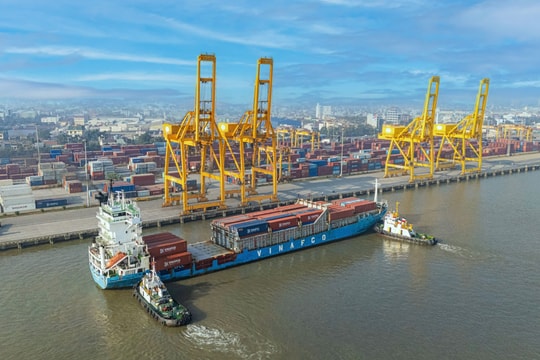
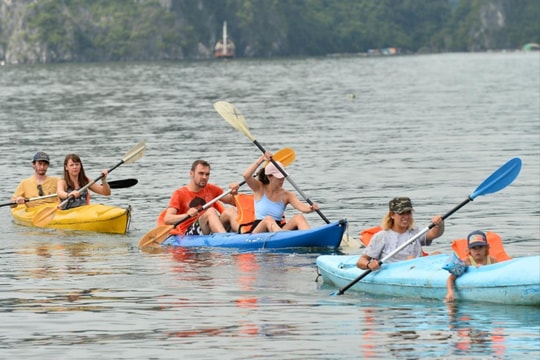
Hai Phong’s marine space is oriented toward integrated, multi-functional exploitation, with maritime transport and seaports playing a central role through the Lach Huyen – Dinh Vu – Nam Do Son port system, connecting the region and international markets. Marine industries focus on shipbuilding and repair, mechanics, steel, textiles, seafood processing, and coastal and island renewable energy. Marine services are developed comprehensively, including trade, finance, logistics, marine and island tourism, fisheries support services, search and rescue, healthcare, and marine environmental protection. Dedicated spaces are planned for sightseeing, beach activities, diving, passenger transport, and controlled land reclamation.
At the same time, fisheries, aquaculture, and seafood processing are promoted at estuarine fishing centers and Bach Long Vi, alongside marine ecosystem conservation, with a focus on the Cat Ba – Long Chau Marine Protected Area, Bach Long Vi, and coastal mangrove forests.
To develop the marine economy and build a sea-based brand, the city prioritizes investment in infrastructure, using coastal areas as the development pillar and coastal transport corridors as the main direction, reducing reliance on road transport. The goal is to develop a synchronized infrastructure system reflecting the characteristics of a modern port city.
In 2024, the plan for the city’s Southern Coastal Economic Zone was approved, providing a foundation for realizing the goal of building Hai Phong into a smart, modern, and sustainable port city of regional and international stature. Covering 20,000 hectares (including about 2,909 hectares of reclaimed land), the Southern Hai Phong Coastal Economic Zone is envisioned as a third-generation ecological economic zone, multi-sectoral, focusing on high-tech industries and modern logistics, and serving as a key node in regional and global value and supply chains.
According to Mr. Tran Van Phuong, Secretary of the Cat Hai Special Zone Party Committee, in implementing the resolution on green transformation on Cat Ba Island, local authorities are accelerating the preparation of a dossier to seek recognition of Cat Ba as a national tourist area, as well as completing procedures to designate eco-tourism, resort, and entertainment zones in the bays of the Cat Ba archipelago.
With the issuance and synchronized implementation of socio-economic development programs for coastal and island areas, from the city level to grassroots levels, the orientation to build a “marine brand” into a national brand will help fully tap marine potential and advantages—thereby realizing Hai Phong’s strategic goal of being strong at sea and prospering from the sea.
Huy Vu