
Gửi bình luận
The global shipping market fluctuation is piling pressure on logistics costs and delivery times for Hai Phong's key manufacturing sectors.
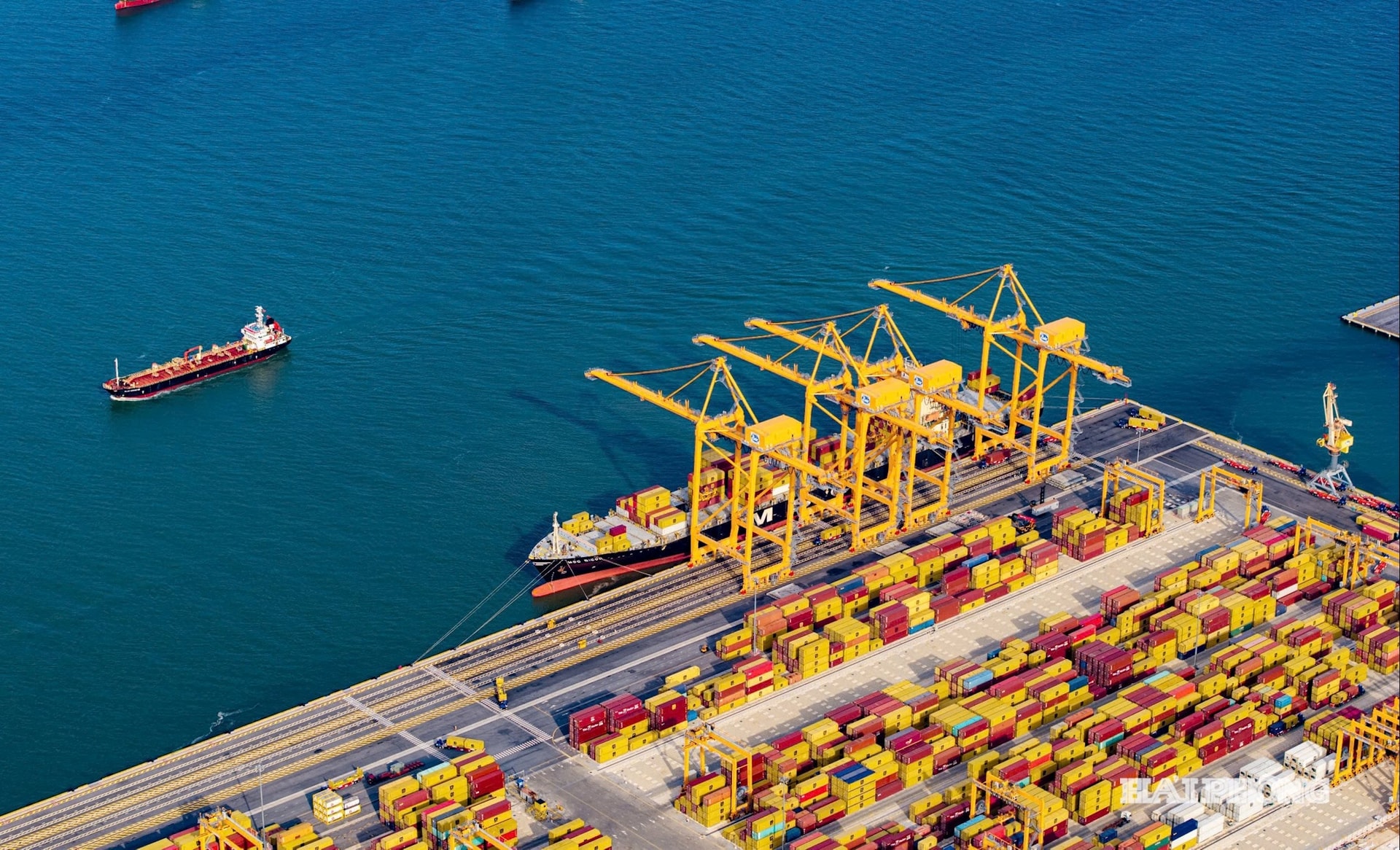
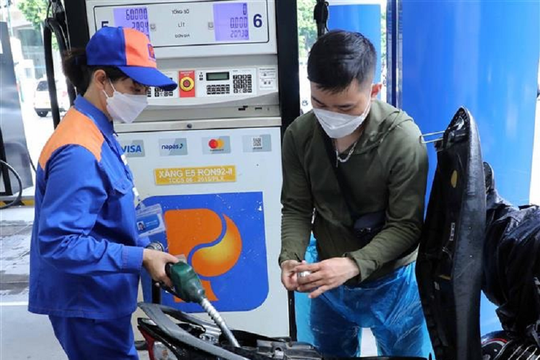
Last week, escalating tensions in the Middle East remained a top concern for the business community.
Many international shipping lines have suspended bookings on routes through the Middle East, while warning of potential risk surcharges or route changes. Meanwhile, global oil prices are rebounding, adding caution to the logistics sector. International economic organizations predict the Middle East conflict could drag on and risk spreading, disrupting global supply chains and freight costs in the coming period.
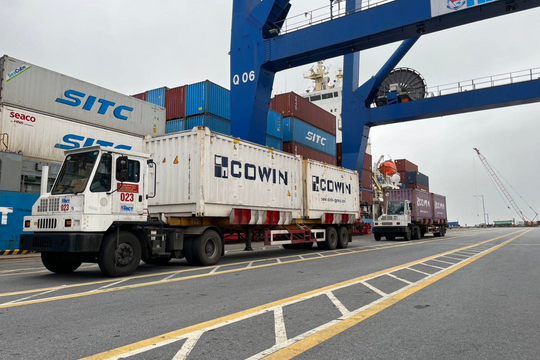
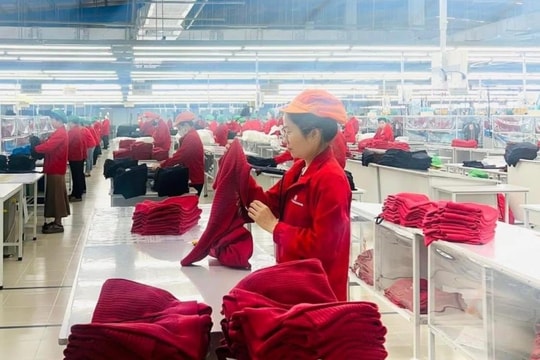
As Northern Vietnam's major industrial and port hub, Hai Phong faces quick ripple effects on production and exports. Key sectors like electronics, machinery, textiles, and footwear heavily rely on overseas markets, with most goods shipped by sea to Europe, the Middle East, and international transhipment hubs.
At the first signs of shipping instability, many enterprises have reviewed export contracts, focusing on logistics, transport, and insurance clauses. Early talks with importers about potential risks or delays minimize disputes and preserve long-term partnerships. Some are also crafting more flexible production and delivery plans to adapt to market swings.
City agencies are closely monitoring global shipping trends and maritime intelligence. Vessel traffic at Hai Phong ports remains normal, with no safety incidents tied to Middle East developments. This underscores the stability of the city's port system, ensuring smooth import-export flows.
Long-term, Hai Phong must roll out support measures for businesses to adapt to global trade flux. Priorities include expanding exports via free trade agreements, strengthening support industries to cut external dependencies, and enhancing logistics links between ports, industrial zones, and regional transportation. Promoting digitalization in trade, streamlining administrative procedures and swiftly resolving bottlenecks will cut costs and sharpen competitiveness.
Hai Phong News