.jpg "Hai Phong pushes to hit 13% GRDP growth target")

Gửi bình luận
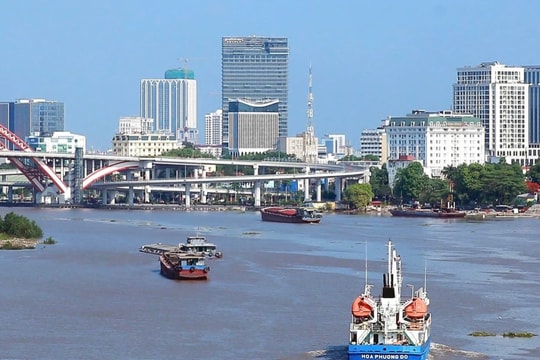
Resolution No. 11 of the Hai Phong Party Committee sets a target of at least 13% GRDP growth in 2026, with the city's average annual GRDP growth projected to reach 13–14% during the 2026–2030 period.
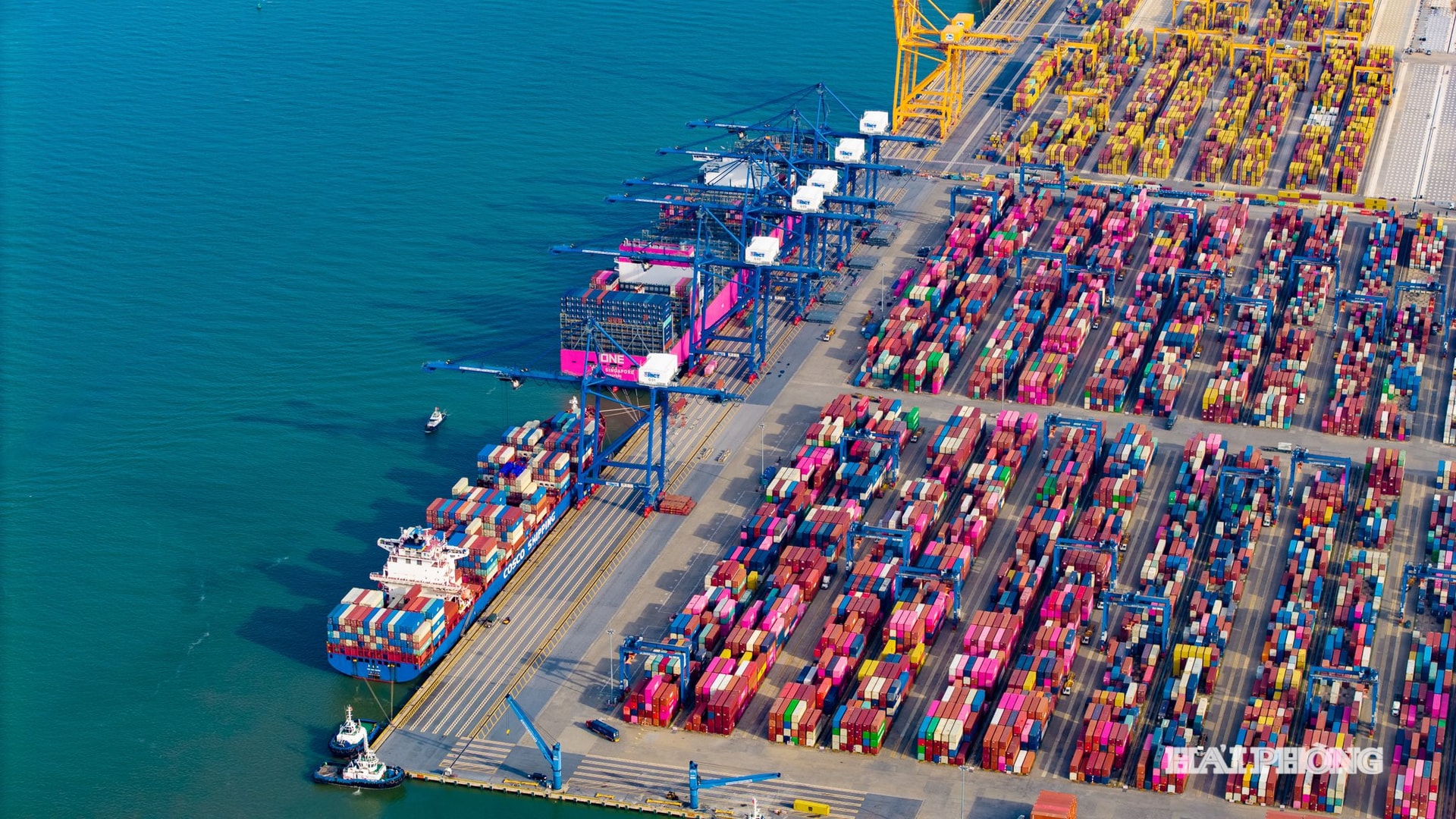
The Executive Committee of the Hai Phong Party Committee has issued Resolution No. 11 on strengthening leadership and direction to achieve the city's GRDP growth target in the second half of 2026 and maintain an average annual growth rate of at least 13% during the 2026–2030 period.
The resolution states that 2026 marks the first year of implementing the Resolution of the First Hai Phong Party Congress for the 2025–2030 term, as well as the Resolution of the 14th National Party Congress. The central government has tasked Hai Phong with achieving an average annual GRDP growth rate of 13–14%, while continuing to serve as one of the country's key growth poles.
According to the Executive Committee, Hai Phong's GRDP expanded by 11.33% in the first half of 2026, the highest first-half growth recorded in the past five years. The city ranked third nationwide and first among Vietnam's seven centrally-run cities. However, both GRDP growth and the Index of Industrial Production (IIP) fell short of the targets, while all four major economic sectors grew more slowly than planned, increasing pressure to meet the city's 2026 and 2026–2030 growth objectives.
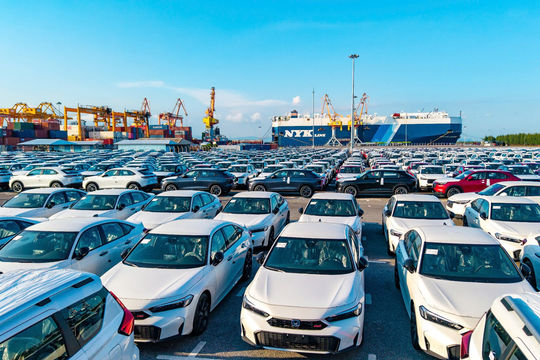
To achieve the growth targets, the resolution requires Party committees, government agencies, public institutions, and local authorities to implement a coordinated package of key measures. These include completing a review and adjustment of the city's growth scenario by July 2026, targeting annual IIP growth of 15.5–16.5%, raising total realized investment to at least VND 363 trillion, and increasing export turnover to USD 52 billion.
The resolution also calls for accelerating the implementation and disbursement of public investment projects, with a target of 100% disbursement of the 2026 public investment plan. At least 65% of allocated funds are to be disbursed by the end of the third quarter, with the full plan completed before December 15, 2026. In addition, the city is instructed to promptly issue its medium-term public investment plan for 2026–2030, prioritizing major infrastructure projects and growth-driving investments.
The resolution sets a target of completing the list of priority investment projects by September 2026, reviewing and preparing implementation plans for memoranda of understanding signed with investors during the third quarter, accelerating the development of industrial parks and industrial clusters, and issuing investor support and facilitation procedures in the fourth quarter. Hai Phong will also hold a conference in July 2026 to announce the Prime Minister's decisions and officially launch the operation of its Free Trade Zone, with the aim of promoting the city's investment environment and attracting new projects.
The resolution further requires completion of 100% of site clearance work for projects included in the 2026 plan, the establishment of the city's land database within 2026, and the completion of plans for handling public assets by the third quarter.
Hai Phong aims to complete 7,135 social housing units, develop at least 1,000 rental housing units, and issue its Housing Development Plan for the 2026–2030 period in July 2026.
Regarding fiscal targets, the resolution sets a goal of collecting at least VND 208 trillion in state budget revenue in 2026, including VND 91 trillion from import-export activities and VND 108.8 trillion in domestic revenue, of which VND 36.2 trillion is expected to come from land-use fees. The city also aims to complete land valuation for calculating land-use fees for 42 projects during the year.
For the 2026–2030 period, the resolution emphasizes improving institutional frameworks and policies to remove bottlenecks in investment, land management, and planning; advancing administrative reform and digital transformation; promoting high-tech manufacturing, logistics, and the marine economy; completing strategic infrastructure; and fostering private sector development. By 2030, Hai Phong aims to have approximately 87,000 operating enterprises, attract an average of USD 5–6 billion in investment annually, and sustain average annual GRDP growth of 13–14%.
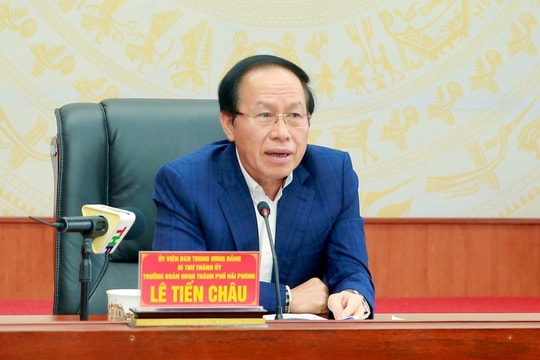
To ensure effective implementation, the Executive Committee assigned the Party Committee of the Hai Phong People's Committee to formulate an implementation plan, clearly define the responsibilities of each agency, unit, and leader, and strengthen monitoring and supervision. Performance in achieving growth targets and the progress of major projects will serve as key criteria in evaluating both organizations and individuals.
The Standing Committee of the City Party Committee will review implementation progress every month, while the Executive Committee will conduct quarterly and semiannual reviews to assess progress and promptly address any difficulties or obstacles arising during implementation.
Le Hiep