
Gửi bình luận
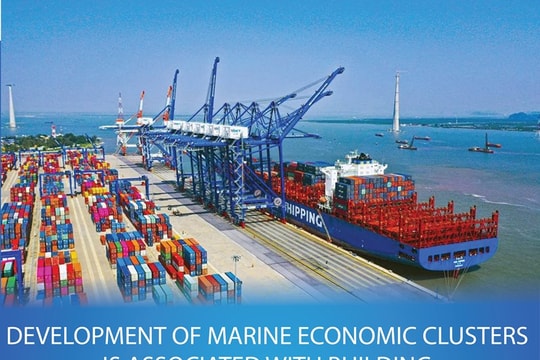
With its maritime advantages, developing marine science and technology has become the driving force for Hai Phong to realize its vision of becoming a modern, industrial port city.
Turning potential into advantage
Under its strategic vision, Hai Phong aims to become a national leader in marine economy, high-quality tourism, services, logistics, and clean energy and an international center for training, research, application, and development of marine science and technology by 2030.
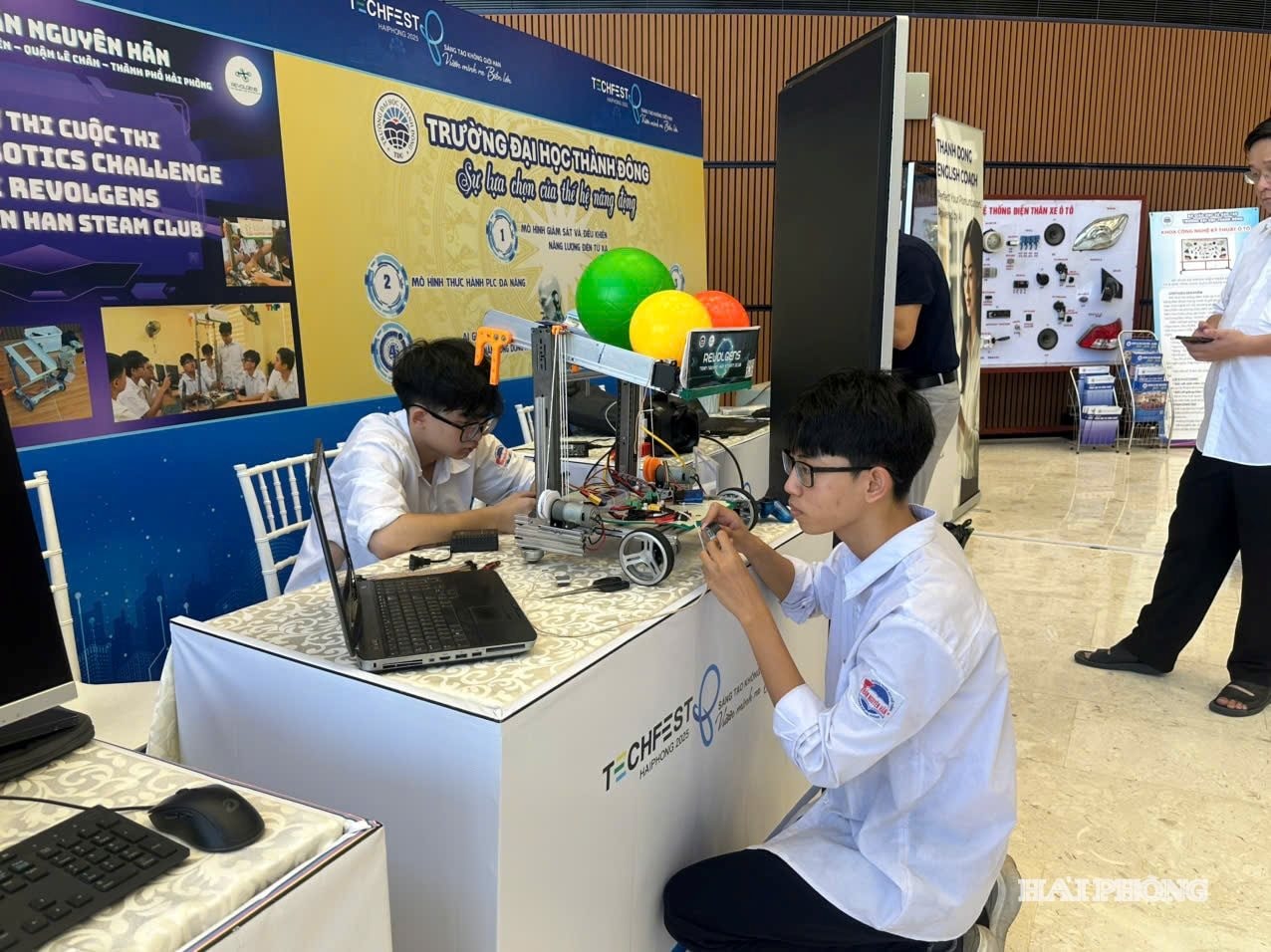
The city has initially built an innovation ecosystem with 76 science and technology enterprises and four startup and innovation support centers. Technology transfer has been promoted in several sectors such as shipbuilding, marine logistics, high-tech aquaculture, and research on conserving and developing marine species of high ecological and economic value.
High-quality human resources are another strength, with 4,801 professionals working in science and technology, equivalent to 11.3/ 10,000 people. The city’s scientific and technological capacity continues to grow, with 41 laboratories and testing facilities meeting national VILAS standards (ISO/IEC 17025).
According to Pham Thi Sen Quynh, Deputy Director of the Department of Science and Technology, Hai Phong has made great efforts to develop marine science and technology. Many organizations and units have implemented national- and city-level science and technology tasks related to the sea, including high-tech aquaculture, new technology applications in exploitation and protection of marine resources, studies on marine pharmaceuticals, and coastal environmental monitoring.
In addition, the city’s seaport system has been upgraded to international standards, gradually integrating digital technology and artificial intelligence in operations. Hai Phong has strengthened cooperation with numerous international organizations and countries to share experience and technology in developing the marine economy. Programs supported by the Japan International Cooperation Agency (JICA), the United Nations Development Programme (UNDP), and the World Bank (WB) have been implemented in this field.
Focusing on human resource attraction
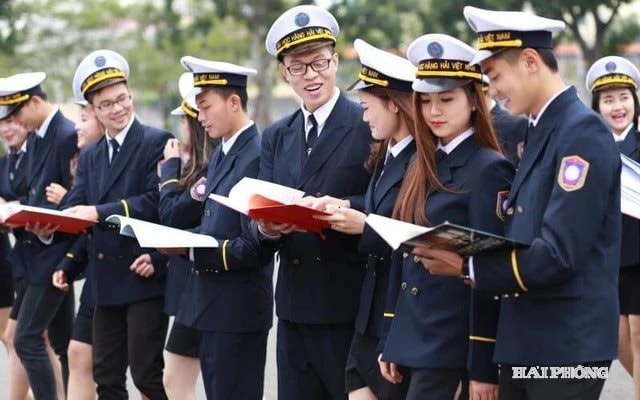
Associate Professor, Dr. Nguyen Minh Duc, Vice Rector of Vietnam Maritime University, emphasized that in the marine economy, science and technology personnel are the key factor for transforming from “traditional marine industry” to a “high-tech and sustainable marine industry.”
To attract scientific and technological talent, Dr. Duc suggested that the city improve its mechanisms, policies, and strategies for developing marine science and technology human resources; build a training, research, and innovation ecosystem for marine technology; and establish the Hai Phong Center for High-Tech Marine Training and Research.
He also noted that postgraduate and short-term training programs should be expanded for port managers, logistics enterprises, and engineers to help the workforce adapt quickly to new technologies.
The city needs institutional breakthroughs to create a superior legal framework for marine science and technology, fostering an innovation and startup ecosystem in this field. Investment in marine science and technology infrastructure must be modern, comprehensive, and synchronized. A crucial solution, and key factor, is to focus on developing high-quality marine human resources and forming an innovation ecosystem.
NGUYEN THAO