.jpg "Hai Phong aims for green, sustainable logistics development")
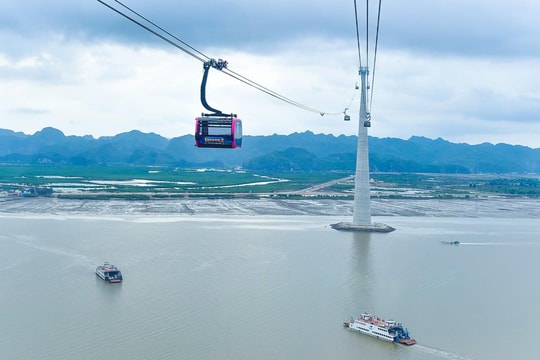
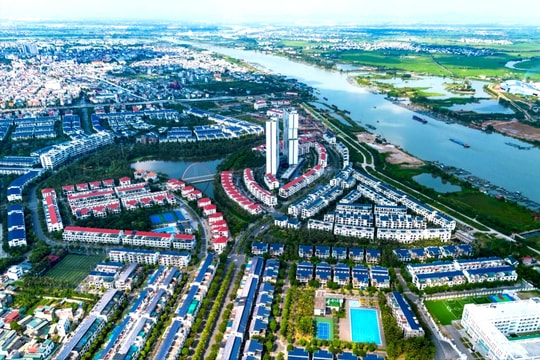
.jpg "Hai Phong builds 'green frontline'")

Gửi bình luận
Recognizing green growth as an inevitable trend, Hai Phong city has accelerated its roadmap for green transition across industrial parks and economic zones.
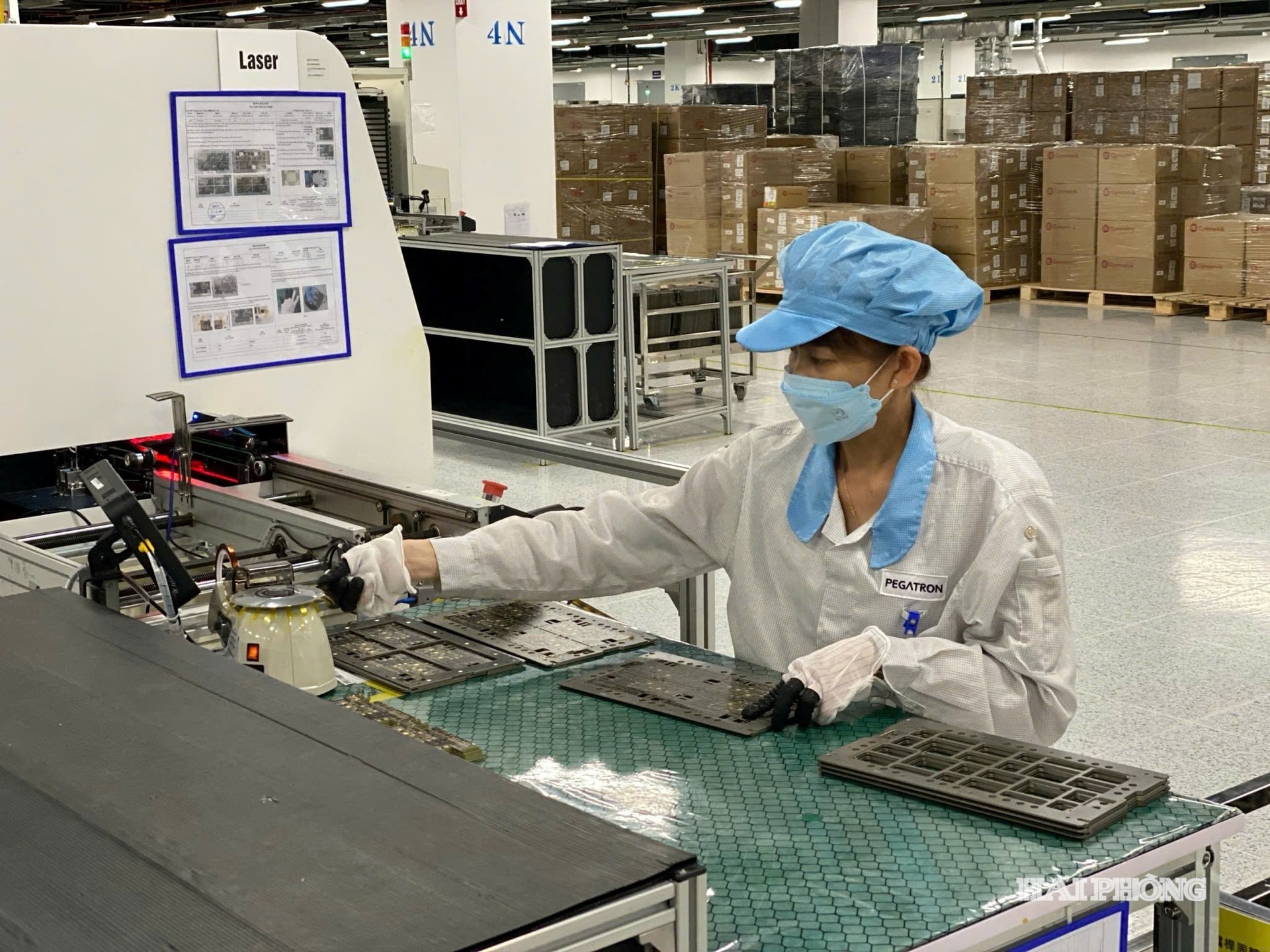
Enterprises take the initiative
Various clean production and energy measures have been taken in Nam Dinh Vu industrial park by Sao Do Group, its developer. From the planning stage, subzones were arranged in a closed supply chain, enabling enterprises to make use of each other’s outputs, thereby reducing production and transportation costs while minimizing waste.
According to Tran Thi To Loan, Deputy General Director of Sao Do Group, to realize emission reduction goals, the group has signed strategic cooperation agreements with European energy corporations and installed rooftop solar systems within the park, moving toward renewable energy use.
Businesses there have also agreed to prioritize environmentally friendly, energy-efficient technologies and gradually joined the green production network.
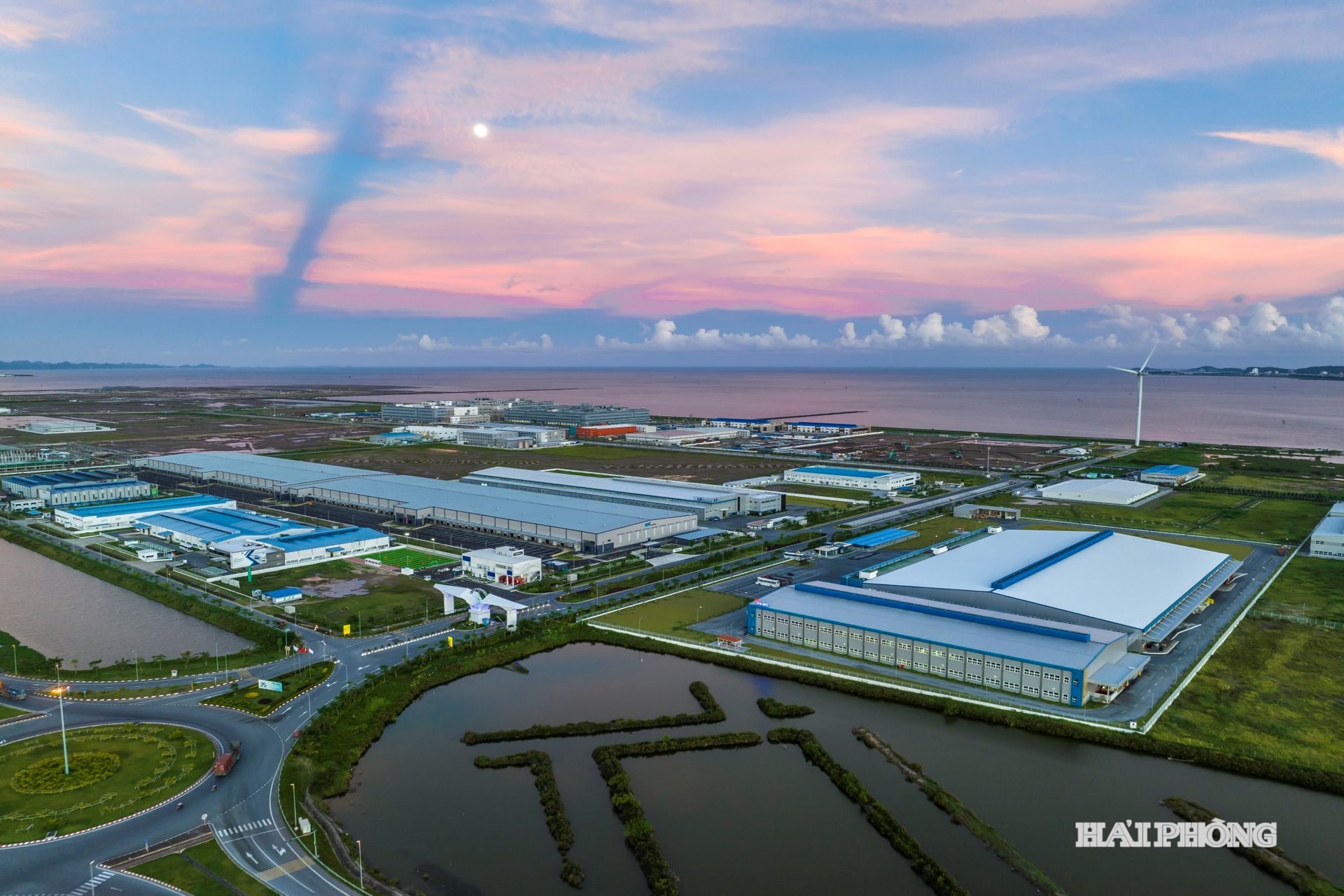
In DEEP C industrial complex, the sustainable development orientation has been concretized through numerous renewable energy projects. In addition to solar power, DEEP C is studying wind energy, waste-to-energy conversion, biomass, and green hydrogen. The enterprise also supports its tenants in accessing LNG sources to directly reduce emissions in production.
Koen Soenens, Sales and Marketing Director of DEEP C, said that the demand for clean energy is inevitable; however, for renewable energy projects to be effective, a clear and consistent legal framework from the Central to local levels is crucial. This is an important factor that gives enterprises confidence in long-term commitment.
These models demonstrate that Hai Phong’s industrial parks are strongly shifting toward green growth, forming energy-efficient, low-emission, and environmentally friendly production chains.
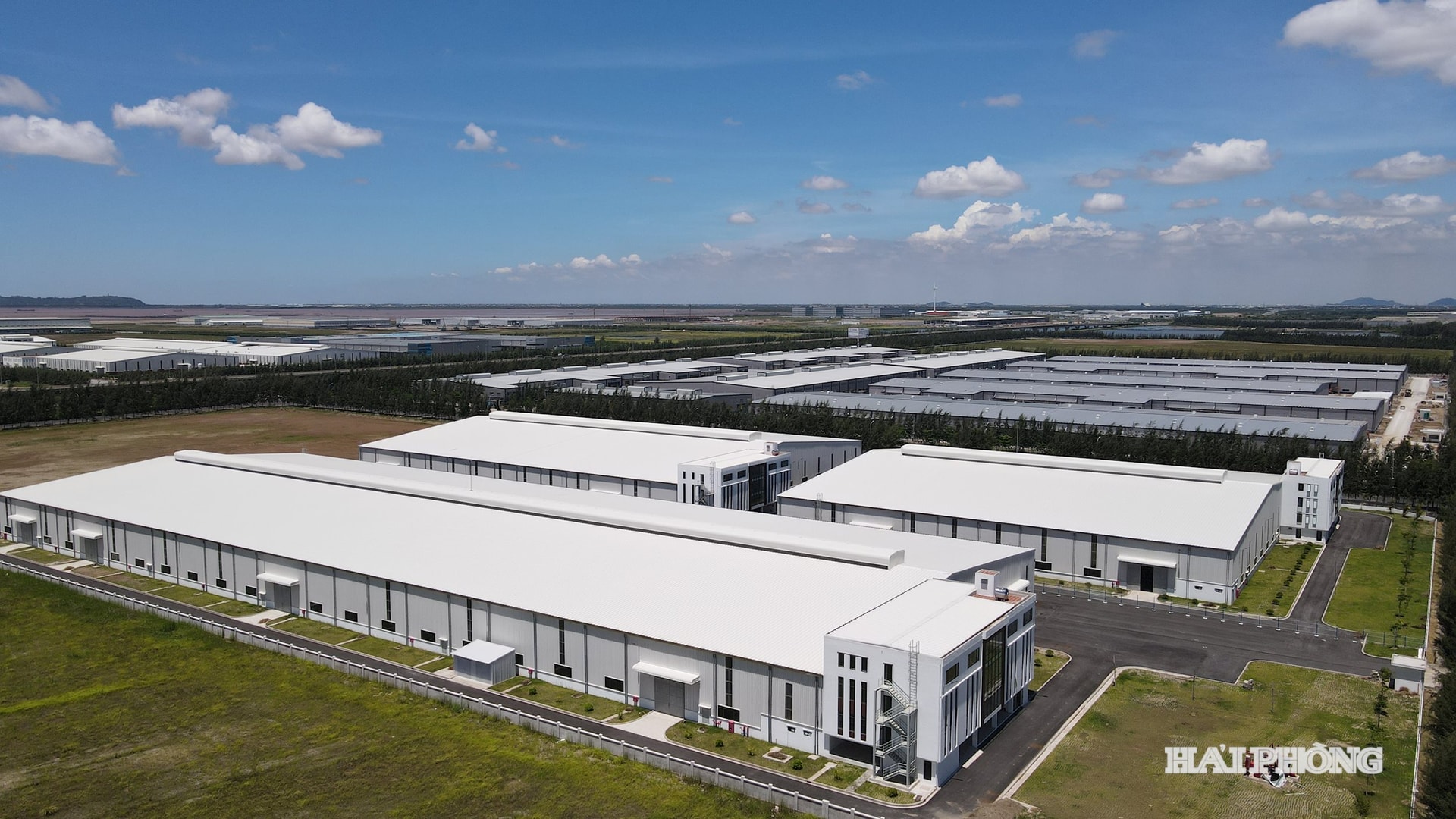
Green infrastructure creates new growth momentum
According to the Hai Phong Economic Zone Authority, the city has two industrial parks, Nam Cau Kien and DEEP C, among the five nationwide pioneering the transition to eco-industrial models, affirming the city’s orientation toward environmentally friendly industrial development. All newly planned industrial parks must meet green space, transport, and public works standards according to eco-industrial criteria.
The authority has issued a green transition plan for all industrial parks and economic zones in the area and has organized multiple seminars on green and energy transition, and reduction of carbon emissions in production.
In addition to the existing industrial parks, Hai Phong is implementing large-scale projects in the city’s southern area, the core of its industrial, energy, and modern seaport service development.
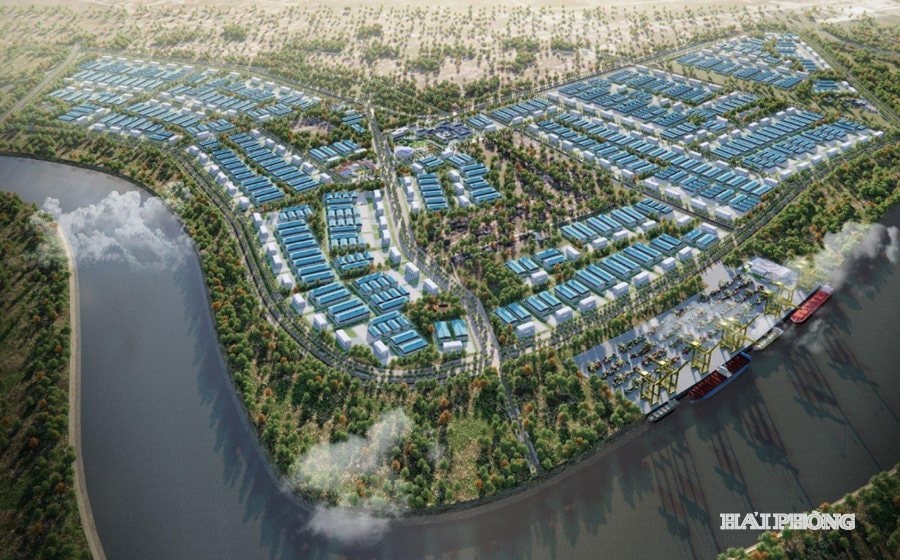
Vingroup has recently held a groundbreaking ceremony for phase 1 of its Tan Trao Industrial Park Infrastructure Development Project and Hai Phong LNG Thermal Power Plant Project. These two projects, located in the Southern Coastal Economic Zone, are considered crucial for restructuring the economy and renewing the growth model toward a green, digital, science-technology, and innovation-driven direction.
With the support of the business community and the city’s strategic vision, Hai Phong is steadily completing a modern, environmentally friendly system of industrial parks and economic zones. Hai Phong aims to become the country’s leading center for high-tech industry and green logistics by 2030 and realize the Net Zero 2050 target toward a modern, dynamic, and sustainable industrial city.
LE HIEP