-38cd0b99c32133847643dca53a0b88e9.jpg "From Hai Phong’s festival street art to international cultural exchange")

Gửi bình luận
Folk culture is not only as a legacy to be preserved but also as a valuable resource for developing cultural industries in the new era.
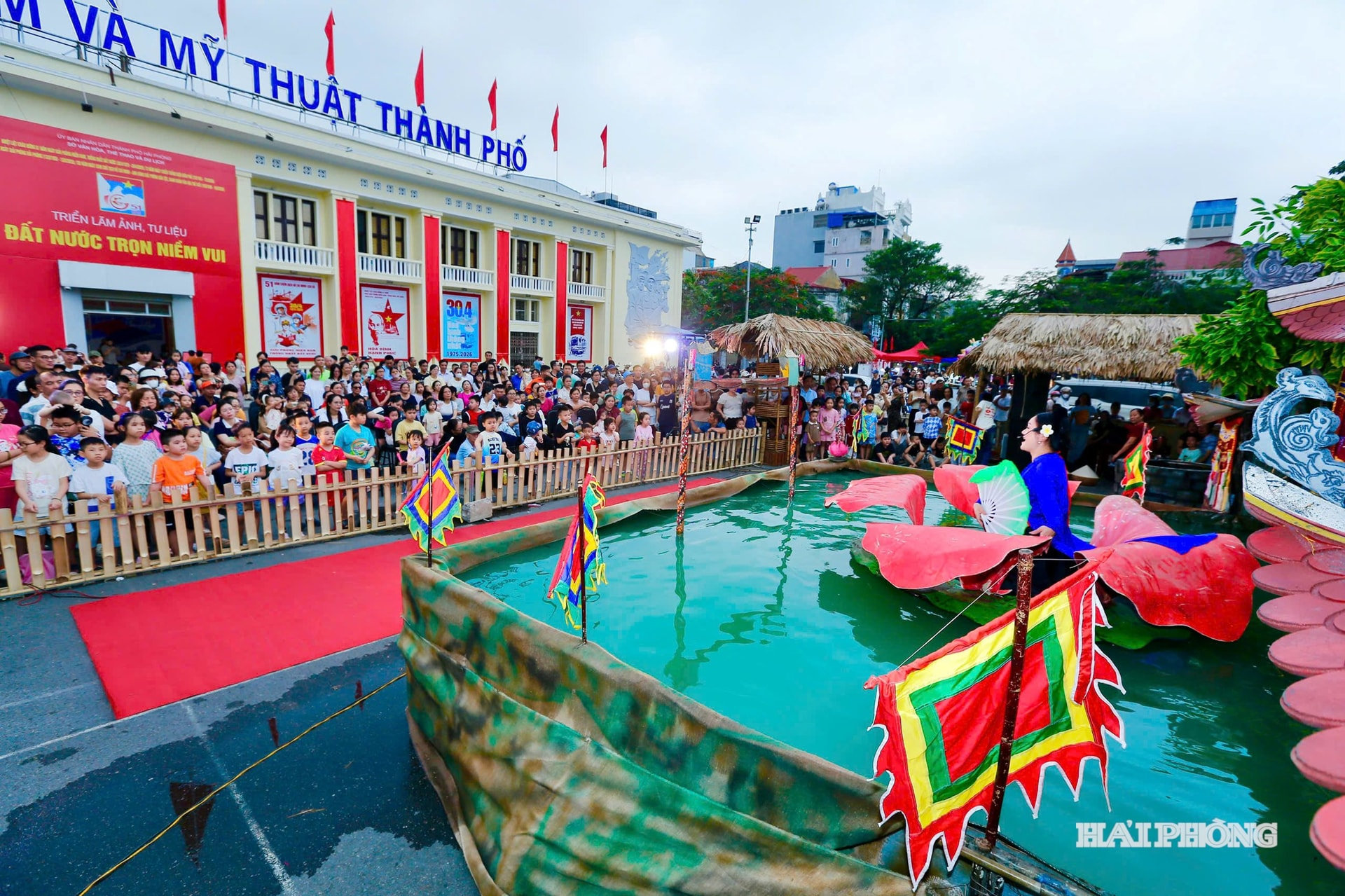
‘A gold mine’ for the cultural industries
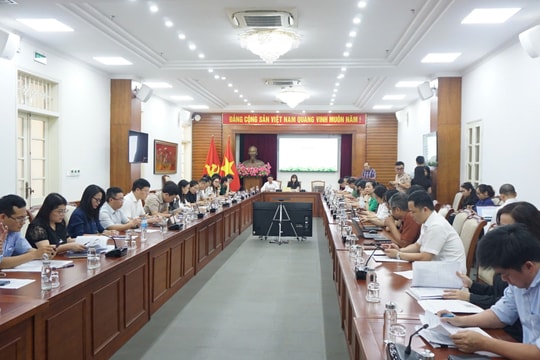
Prof. Dr Le Hong Ly, Chairman of the Vietnam Folk Arts Association, said folk culture has always held a central position in the spiritual and cultural life of Vietnamese people throughout history.
Before the August Revolution, when more than 90% of the population was illiterate, folk culture served as the primary means through which history, customs, beliefs and moral values were transmitted from one generation to another.
Legends of the Hung Kings, Saint Giong, the Trung Sisters, Ngo Quyen and Tran Hung Dao entered the public consciousness through oral storytelling, village festivals and community rituals. Folk songs, proverbs, ceremonies and traditional practices helped nurture patriotism, solidarity and the Vietnamese tradition of gratitude to ancestors.
Vietnam is home to more than 8,000 cultural and religious festivals, alongside a vast treasure of folk performing arts, rituals, handicrafts and traditional cuisine of the country’s 54 ethnic groups.
Cultural experts described this rich heritage as a huge “gold mine” for the development of cultural industries. However, they stressed that exploitation must strike a balance between economic value and cultural authenticity.
Toward sustainable development
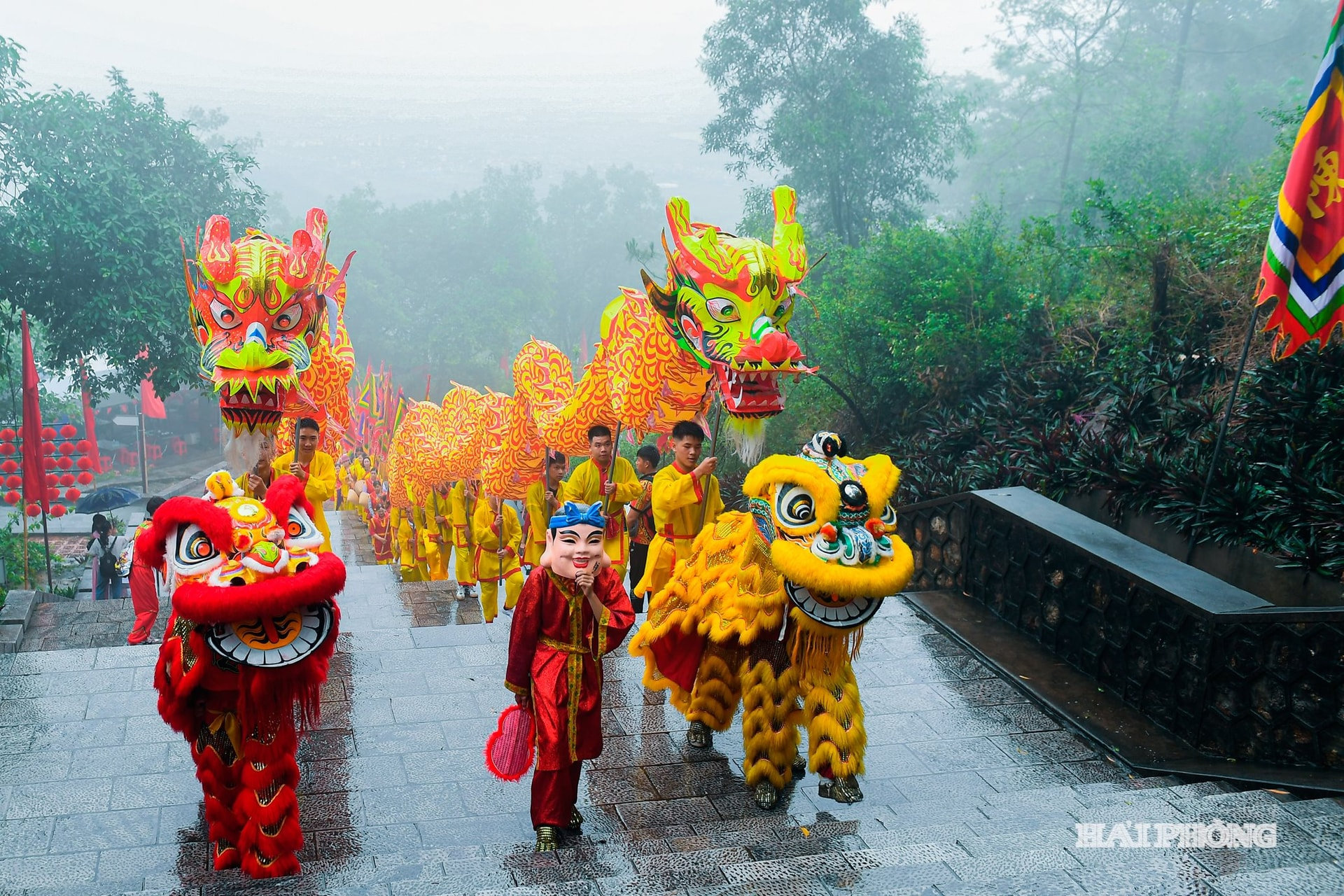
The Politburo’s Resolution No. 80-NQ/TW on the development of Vietnamese culture defines culture as a source of national soft power and a direct driver of socio-economic growth. Notably, it introduces a new approach to heritage, including folk culture, viewing it not only as a legacy to be preserved but also as a valuable resource for developing cultural industries in the new era.
Resolution No. 80 also highlights the need to fully identify and effectively utilize cultural resources, placing heritage at the center of sustainable cultural development. Experts believe this orientation is strategically important as global competition increasingly depends not only on economic or technological strength but also on cultural influence.
Experts stressed that Vietnam must combine folk culture with modern technology, creative storytelling and international promotion strategies. When revitalized through innovative formats and contemporary expression, folk culture can become both a sustainable economic resource and an effective channel for promoting Vietnam’s image worldwide./.
Hai Phong News