

Gửi bình luận
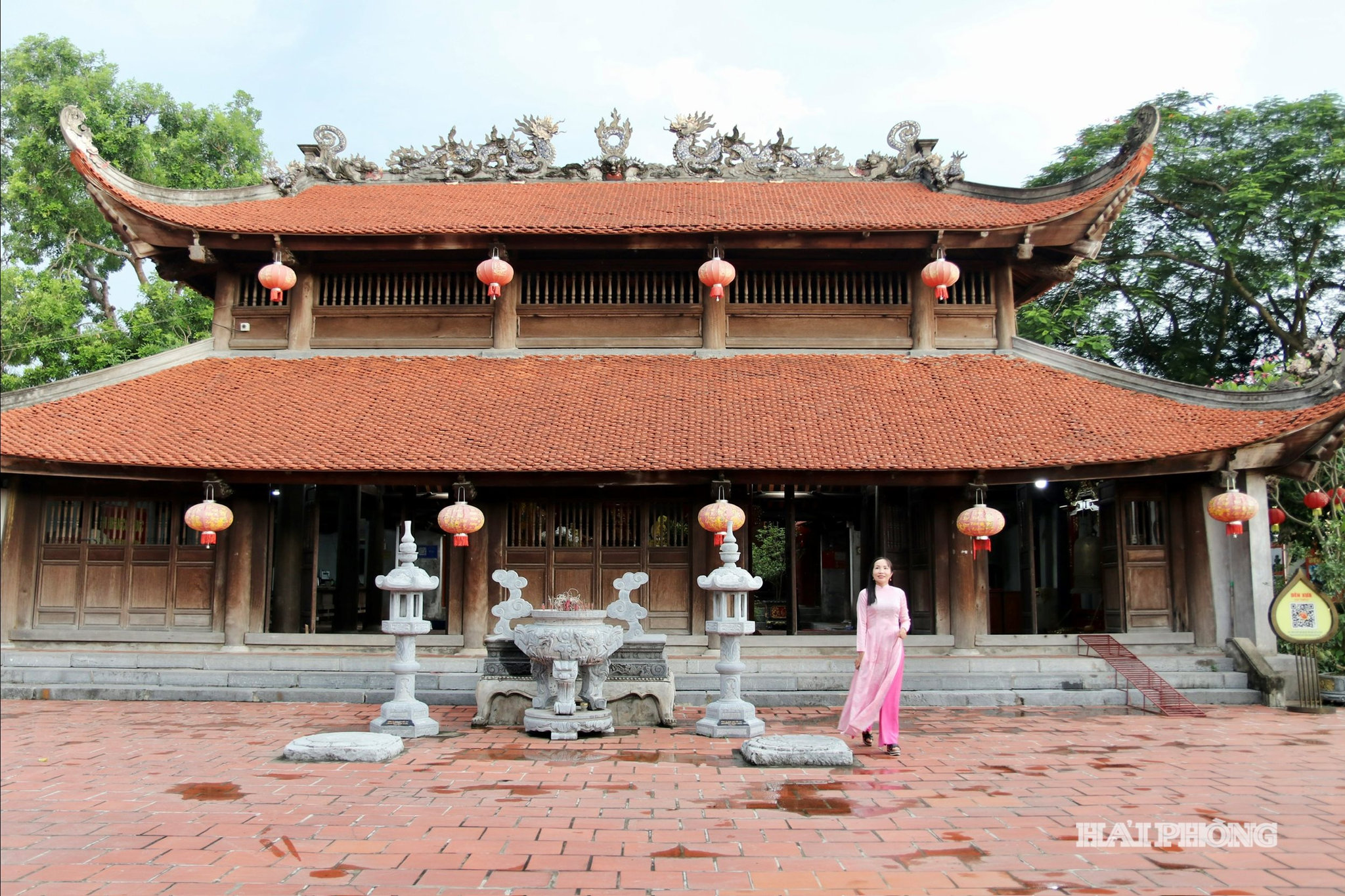
Xua temple in Tue Tinh Commune, Hai Phong City, preserves unique stone relics dating back to the Later Le Dynasty, with remarkable historical, cultural and artistic value.
Hallmarks of relics
Xua temple is part of a special national relic complex comprising the temple, Giam pagoda and Bia temple. Located at the center of Xua Village (now Nghia Phu Hamlet), the temple is dedicated to Great Physician and Zen Master Tue Tinh, who was renowned for his noble character and devoted his life to Buddhism and traditional Vietnamese medicine.
Based on its architectural structure, decorative motifs and surviving artifacts, the temple is believed to be built during the Later Le Dynasty, around the 17th century. Among the stone relics preserved at the site are altar tables, lotus-shaped pedestal bases and a nghe (a mythical animal in Vietnamese culture), unique artifacts that have survived to the present day.
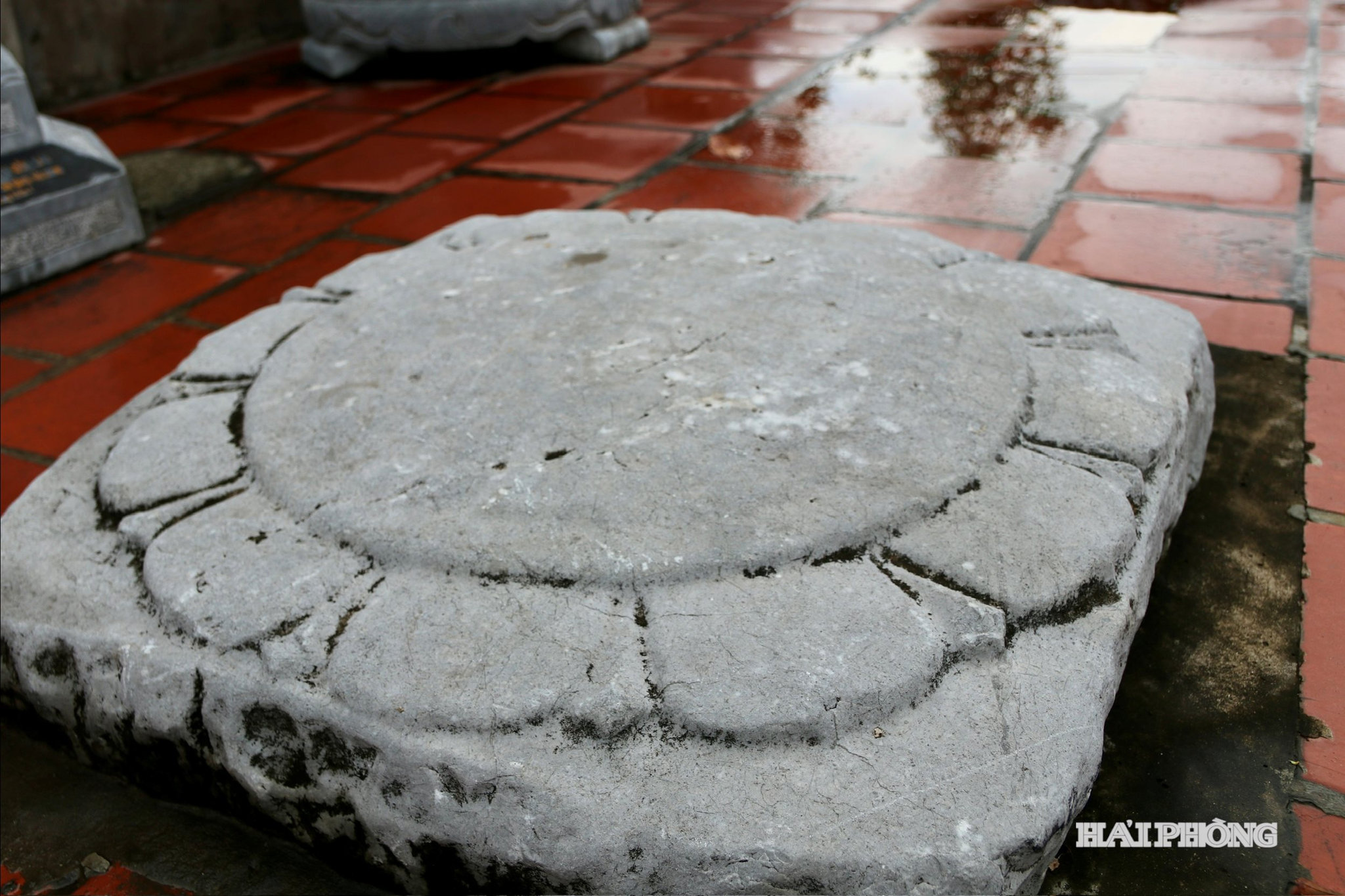
The two lotus-shaped stone pedestal bases in front of the front ceremonial hall are square in shape, measuring 84 cm on each side, with a lotus carving 60 cm in diameter. Each features 16 lotus petals carved in relief around its upper surface.
According to several studies, the 16-petal motif first appeared during the Ly Dynasty. However, unlike the sharp, angular lotus petals of that period, the petals at Xua temple are softer and more graceful. As a result, these lotus pedestal bases display decorative features more characteristic of the Later Le period.
Originally, Xua temple had two stone nghe, but one was stolen. The remaining stone nghe, measuring 64 cm long, 33 cm high and 17 cm wide, is consistent with the standard dimensions commonly seen in the 17th and 18th centuries.
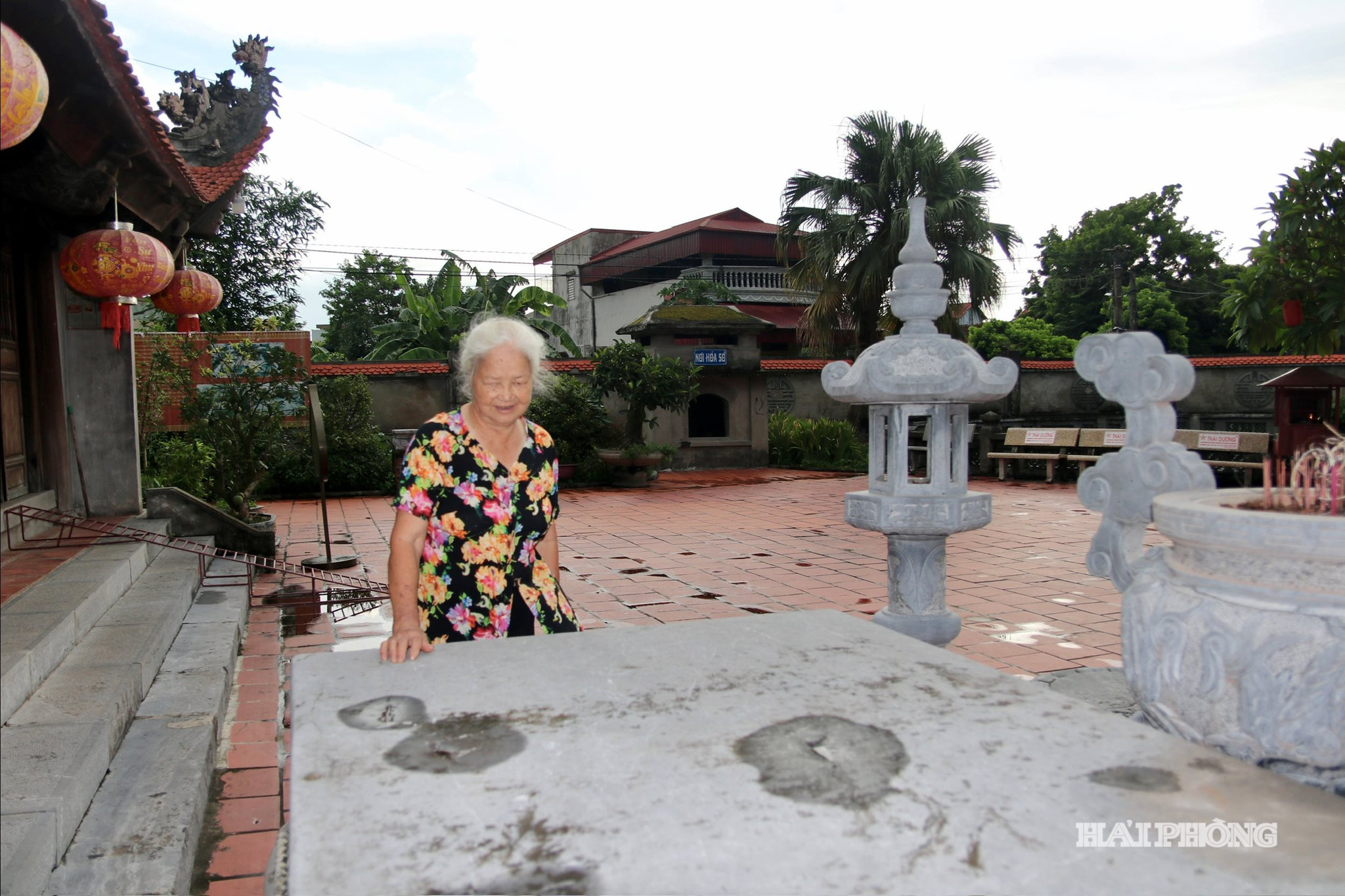
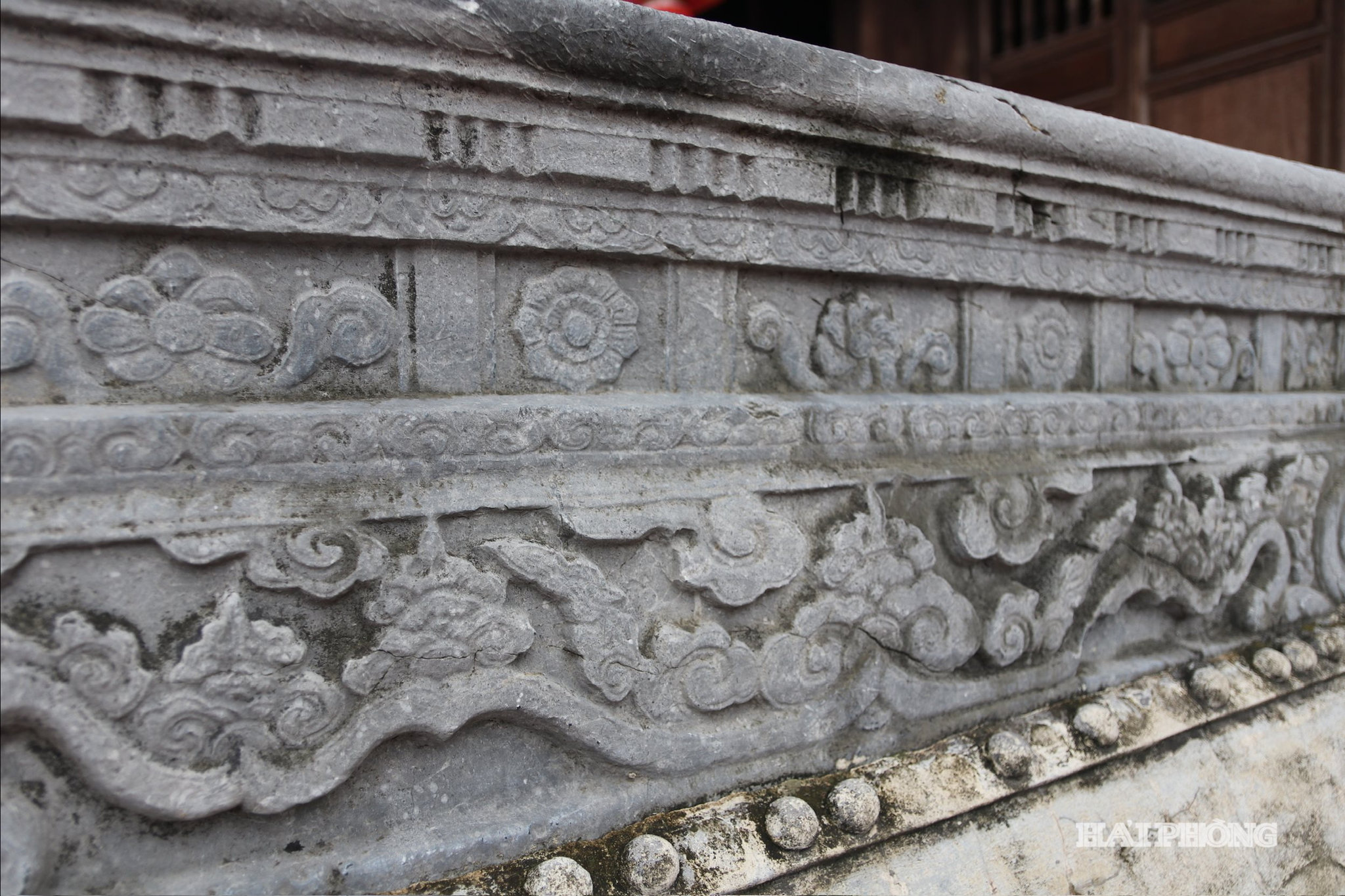
Among the temple's most remarkable stone relics are two ancient altar tables used for presenting offerings during festivals. Each altar table measures 30 cm high, 174 cm long and 110 cm wide. The tabletop is made from a single slab of green stone with a smooth surface. Its upper edge is carved with a curved bamboo-shoot motif, followed by a three-tiered decorative border. Beneath this is a frieze of leaf motifs with downward-pointing tips, bordered by several rounded curves and ending with paired spiral patterns.
Preservation and protection
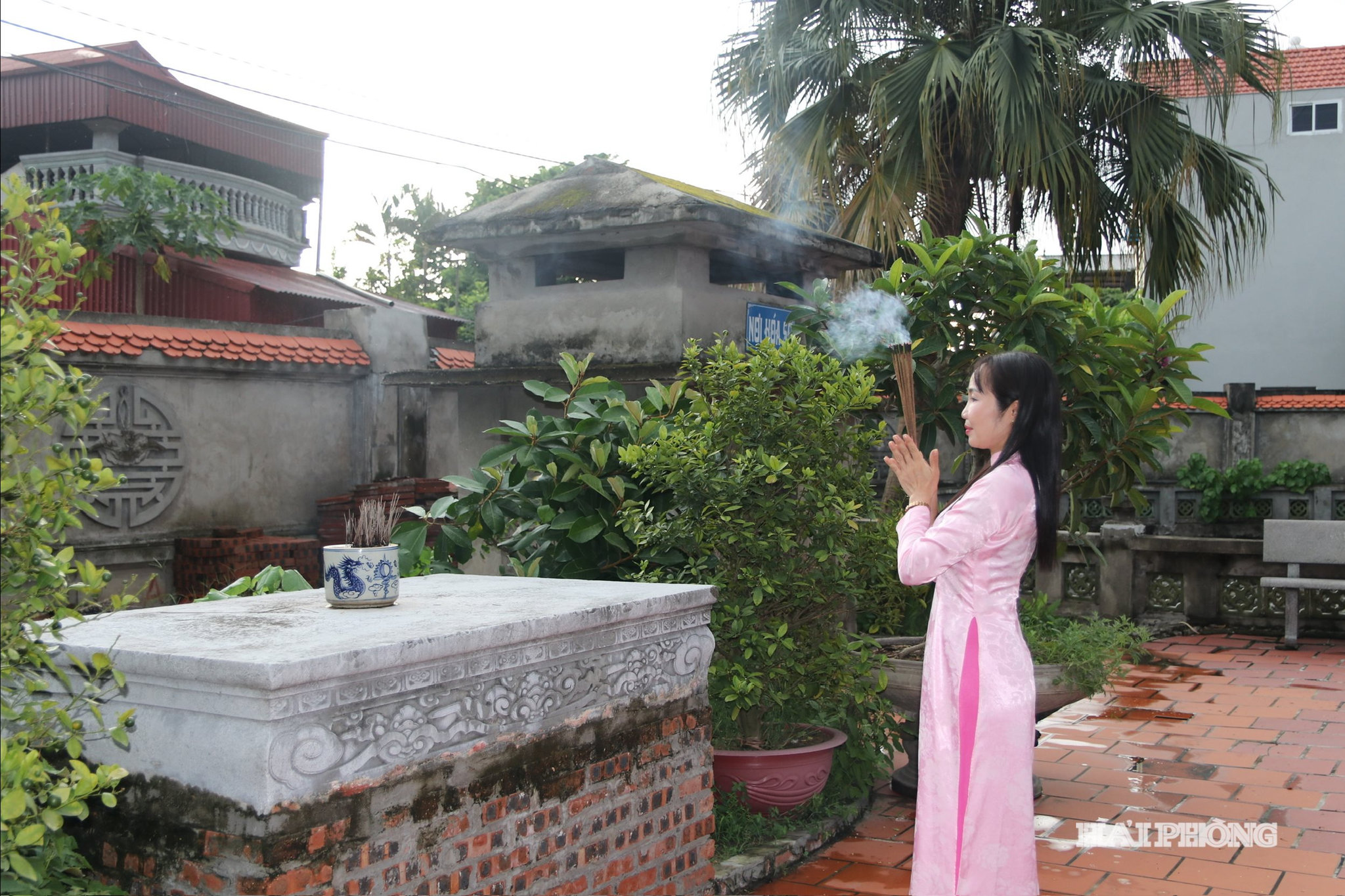
According to historian Tang Ba Hoanh, stone altar tables were traditionally associated with open-air sacrificial rituals conducted at ancient ceremonial altars and shrines. The ancient stone relics at Xua temple not only help determine when the monument was built but also embody significant value, reflecting the refined sculptural craftsmanship and distinctive stylistic features of the Later Le period. Today, these stone artifacts remain largely intact, giving Xua temple a unique identity among the city's religious sites.
Beyond their age of several hundred years, the temple's stone relics also reflect the stone-working techniques, aesthetic thinking and spiritual life of Vietnamese people during the Later Le Dynasty. Decorative motifs such as lotus flowers, chrysanthemums, leaves, the stone nghe, and fish-belly kneeling supports all embody beliefs rooted in the wet-rice civilization.
Pham Thi Dua, caretaker of Xua temple, said: "Visitors to Xua temple are particularly impressed by the stone altar tables and the lotus-shaped stone pedestal bases in front of the front ceremonial hall. After one of the ancient stone nghe was stolen, the remaining one has been carefully safeguarded. These relics have accompanied the temple through the centuries and further enrich its value."
The ancient stone relics at Xua temple are an important cultural resource for researchers to continue studying the art, architecture and culture of the Later Le Dynasty. Preserving and protecting them is both a responsibility and a reflection of respect for the heritage handed down by previous generations.
NGUYEN MO