
Gửi bình luận
Resolution No. 12-NQ/TU sets out a comprehensive development strategy for physical education and sports in Hai Phong through 2030, with a vision to 2045.
A new vision for comprehensive development
In recent years, Hai Phong’s high-performance sports sector has maintained its position among the country’s leading localities, supplying many athletes to national teams and achieving strong results at the SEA Games, ASIAD, and Asian and world championships. However, competition among localities has intensified, while shortcomings in facilities, resources, youth development, sports science and sports medicine remain to be addressed.
Resolution No. 12-NQ/TU sets out a sustainable, modern, professional and internationally integrated approach to physical education and sports development, with mass sports serving as the foundation for high-performance and professional sports.
By 2030, more than 45% of the city’s population is expected to engage in regular physical exercise and sports, while more than 35% of families are expected to qualify as sports families. Each year, the city will organise 10-15 city-level championships, along with dozens of mass sporting events and competitions. All commune-level administrative units will have sports facilities or cultural and sports facilities, while every school will have a multi-purpose physical education and sports hall.
At the grassroots level, the resolution also sets a target of organising 8-10 sports competitions annually, maintaining regular sporting events and expanding mass football tournaments for students, workers and the armed forces.
These targets will provide a broader foundation for the city’s sports sector, helping to identify and nurture talent. The resolution also calls for the development of sports clubs and teams, the preservation of traditional sports and folk games, closer links between sports, culture, tourism and festivals, and the expansion of sporting activities for different groups.
A boost for high-performance sports
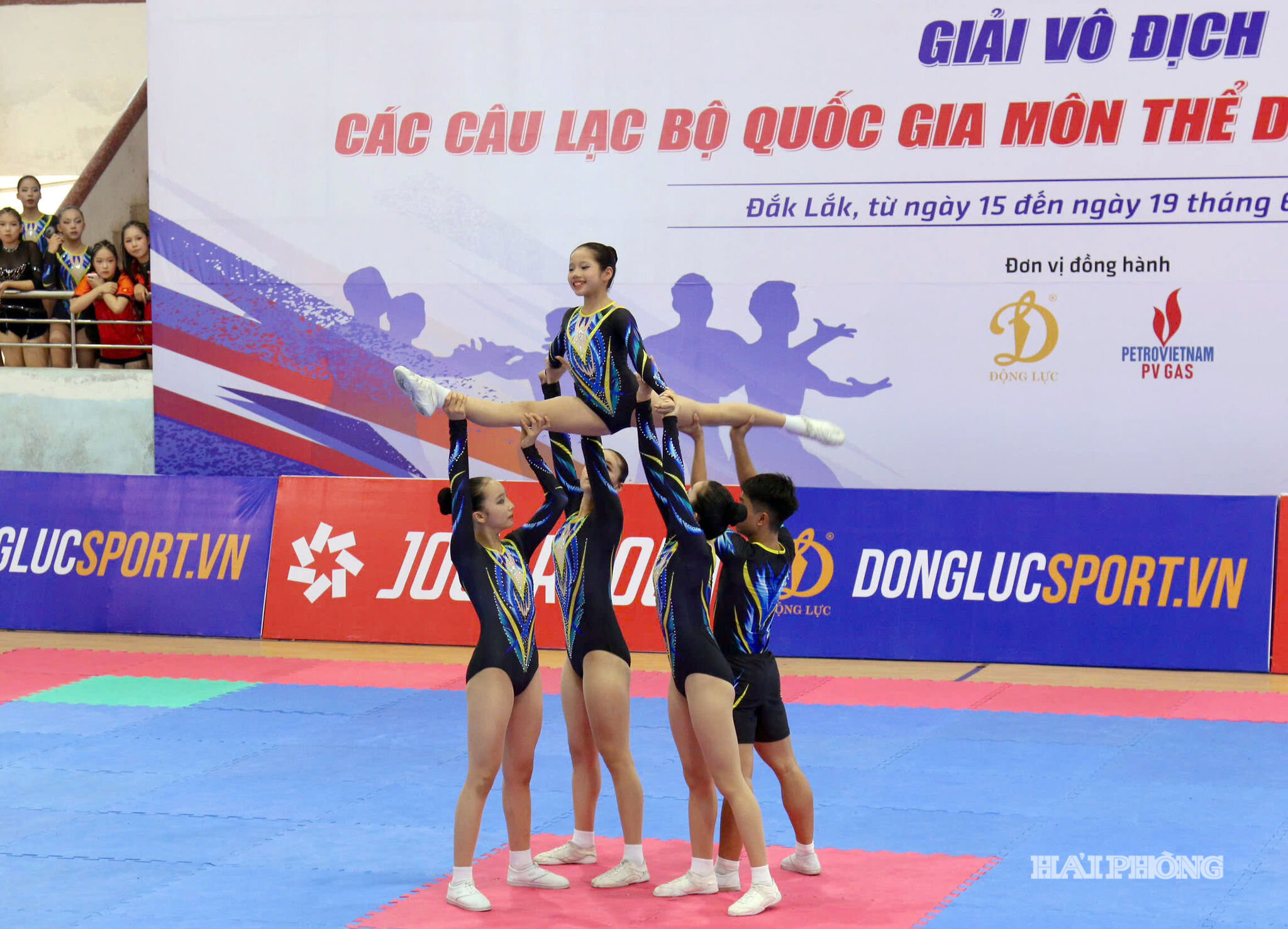
If mass sports provide the foundation, high-performance sports are expected to deliver a new breakthrough. The resolution identifies five priority sports — football, volleyball, table tennis, rowing and shooting — while selecting 10 key sports — athletics, swimming, wrestling, gymnastics, weightlifting, boxing, archery, fencing, chess and pencak silat — for concentrated investment and resources.
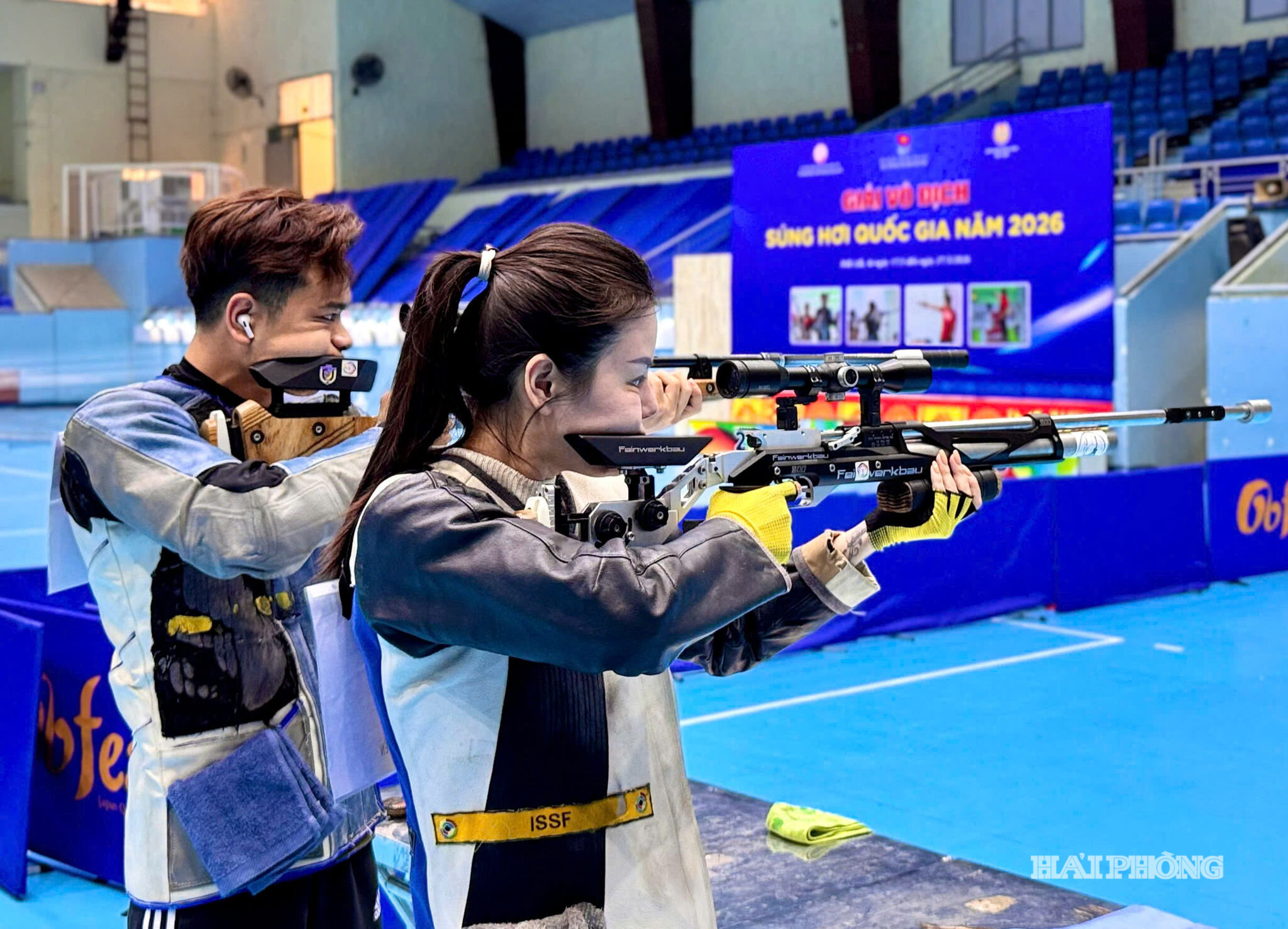
For the five priority sports, the city has set specific targets. In professional football, the goal is to compete consistently at a high level and finish among the top five teams in the national championship. In volleyball, the city aims to have a women’s team among the country’s leading sides and maintain a top-five national ranking. Table tennis is expected to remain in the national top three. Rowing is expected to maintain its position as the country’s No. 1, with athletes aiming to win ASIAD medals and qualify for the Olympics. Shooting is expected to remain in the national top three, win at least one ASIAD gold medal and meet Olympic qualification standards.
For the 10 key sports, the goal is to win 15-25 gold medals at the National Sports Games, have athletes compete at the ASIAD and Olympic Games, and send 20-30 athletes to the SEA Games.
The resolution also expands development opportunities by increasing the hiring of domestic and foreign experts, stepping up international training, and applying science and technology to athlete selection, training and care. It also calls for mechanisms to honour and provide better benefits for athletes, as well as career guidance and support after retirement.
Nguyen Dinh Nghia, Director of the Hai Phong Sports Training and Competition Center, said: "The resolution provides a strategic direction that creates new motivation, while addressing the key bottlenecks in mechanisms and policies, coordination, facilities, sports medicine and youth development in Hai Phong's sports sector.
Alongside investment in people, the resolution calls for greater investment in facilities. It requires existing facilities to be upgraded, new sports facilities meeting international standards to be built, and research into investment in a new stadium. It also calls for the application of digital transformation, science and technology, sports medicine and modern equipment in training.
Hai Phong News