
Gửi bình luận
From the coastal areas of Kien Hai and Vinh Quang to Do Son in Hai Phong city, mangrove forests are creating sustainable livelihoods and supporting the development of green tourism.
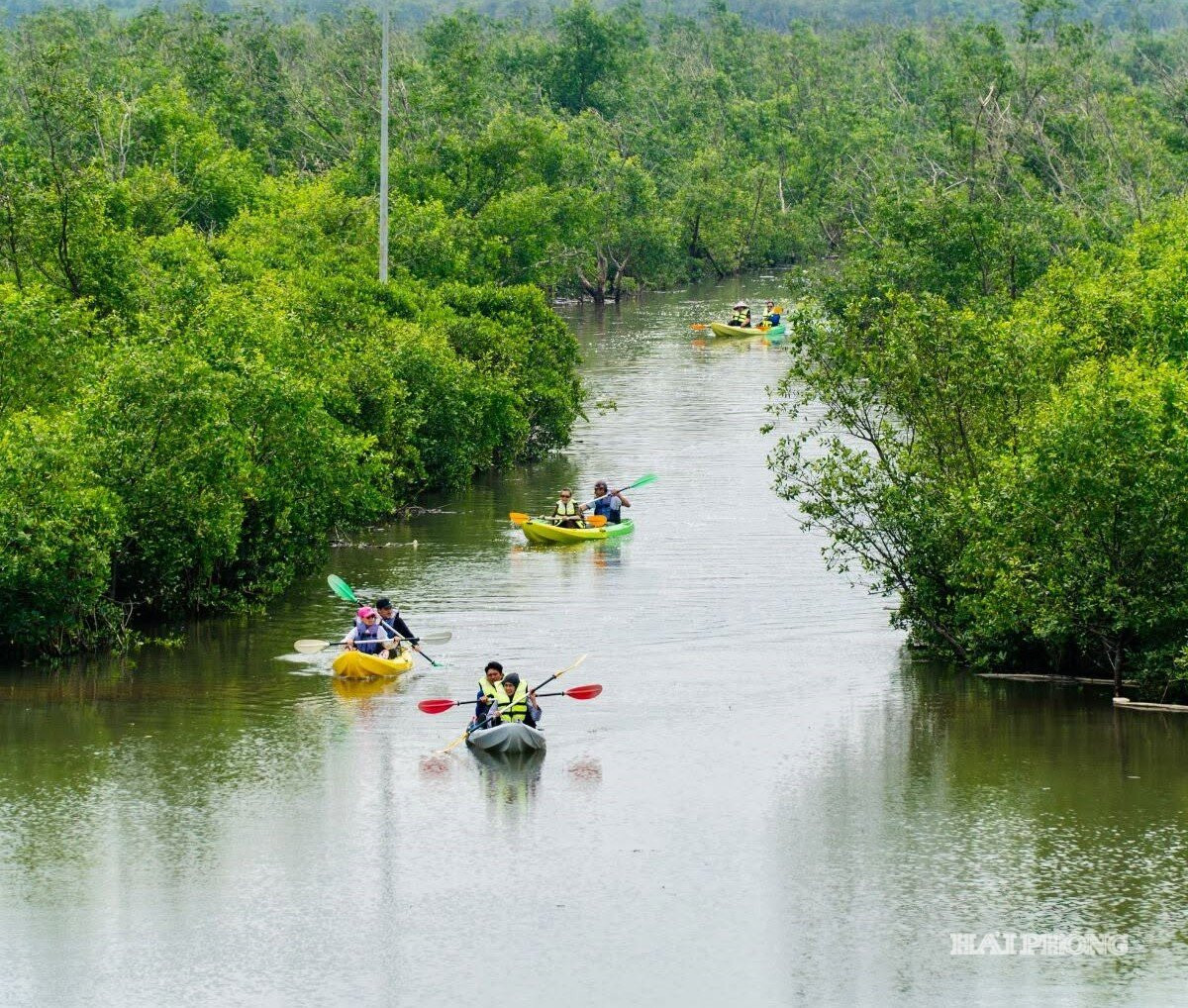
Sustainable livelihoods from forests and the sea
Hai Phong's coastal mangrove belt is often described as a natural ‘green wall’, protecting the shoreline by absorbing waves and wind, stabilizing the land, extending coastal areas through sediment accumulation, and safeguarding the city's dyke system.
Amid the impacts of climate change and the pressures of urbanization and industrialization, conserving and enhancing the value of mangrove forests not only helps protect the environment and strengthen livelihoods but also opens up opportunities for forest-based economic activities linked to sustainable ecotourism. This enables local residents to increase their incomes by making use of natural resources.
In the coastal area of Kien Hai Commune, formerly part of Dai Hop Commune, Kien Thuy District, mangrove trees thrive across the tidal flats. Here, beekeeping for honey production has become a prominent and sustainable path to prosperity for local residents.
Because mangrove forests are not treated with pesticides or chemical fertilizers, honey produced in this environment retains its natural purity, giving it a sustainable competitive advantage in the market.
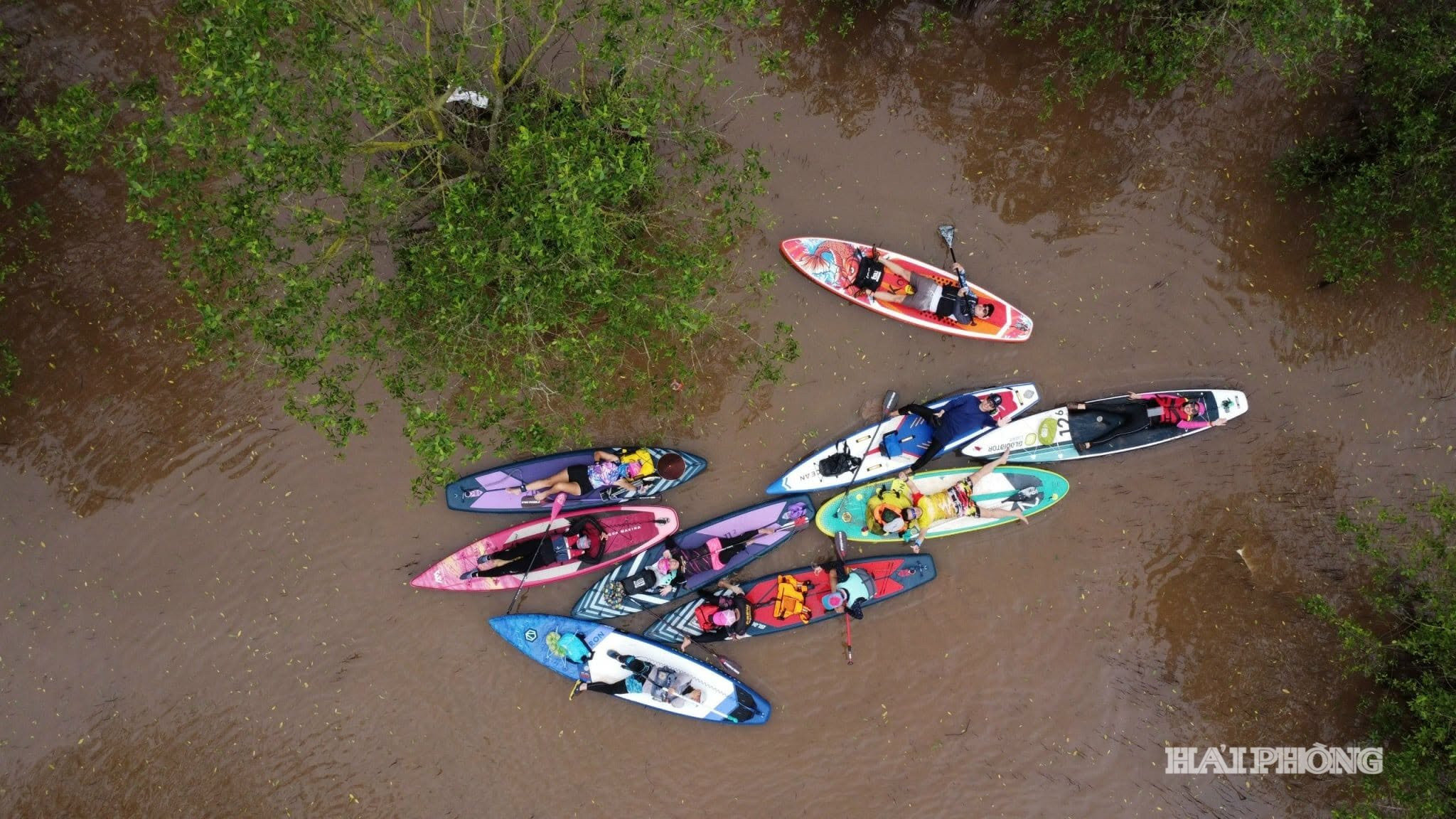
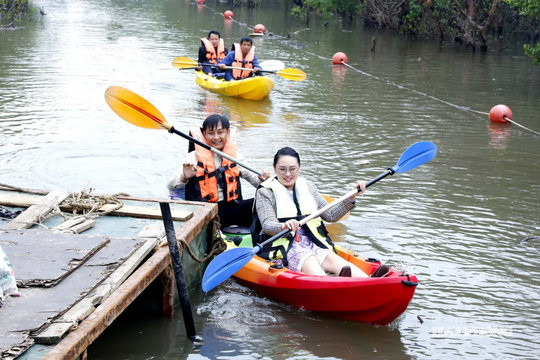
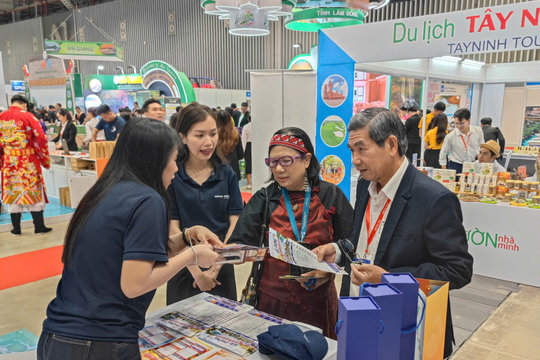
According to preliminary statistics from travel companies, the number of visitors seeking information about and booking tours to the coastal mangrove areas of Vinh Quang during the summer of 2026 increased by approximately 25% compared with the same period last year.
Setting new standards for green tourism
While cooperatives and local communities provide a strong foundation for sustainable local livelihoods, the involvement of professionally managed investment businesses is creating a breakthrough in the development of mangrove tourism in a more professional and modern direction.
In Do Son Ward, the Bang La mangrove area and the Dragon Mangrove Forest complex, located west of Dragon Ocean Do Son International Tourism Area, stand out as examples of how ecological conservation can be harmoniously combined with high-quality tourism development.
A range of measures has been implemented in a coordinated manner, including limiting single-use plastics, using recycled materials, applying solar-powered lighting systems and training staff in green management practices.
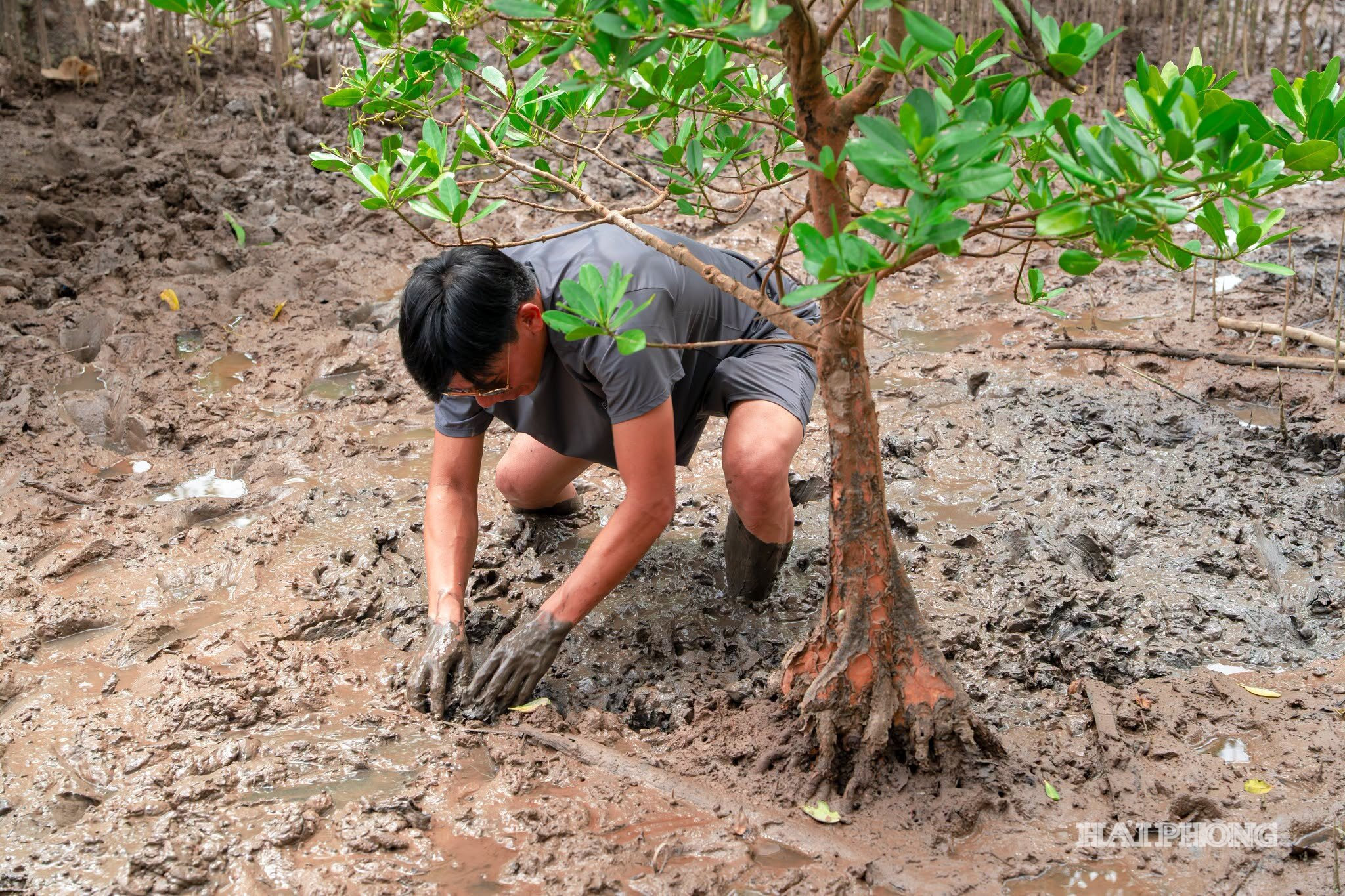
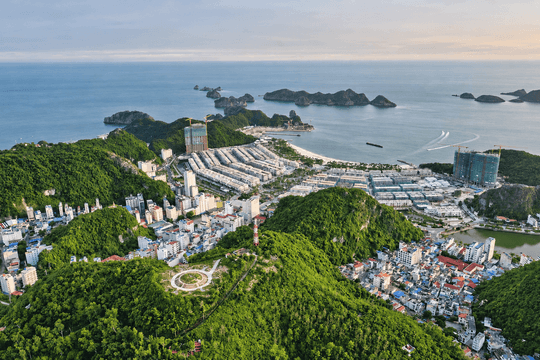
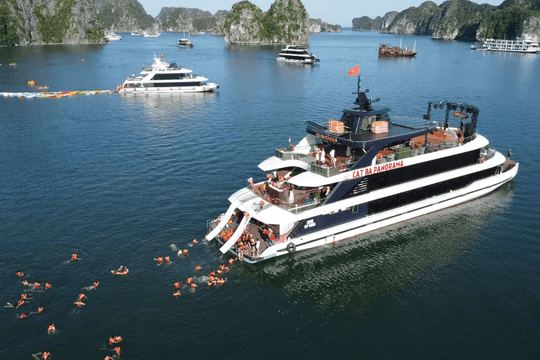
Models in Kien Hai, Vinh Quang and Do Son, as well as mangrove exploration routes in Ao Coi Hamlet, Phu Long Commune, Cat Hai Special Zone, are all part of Hai Phong's broader strategy to protect forests and develop a green economy.
Following the merger, Hai Phong's tourism sector has gained significant room for growth. As the city works to establish its tourism brand, ‘Impressive Hai Phong – Amazing Hai Phong: A Coastal City, a Land of Heritage, a Four-Season Destination’, the green economy and mangrove ecotourism play an important role in connecting the island and coastal destinations of Cat Ba and Do Son with the cultural and spiritual heritage of Con Son – Kiep Bac and traditional craft villages.
With coordinated investment in transport connectivity, signage, human resources and tourism promotion, the green mangrove forests along the city's coast will continue to thrive, serving as a long-term livelihood foundation for local residents and a driving force for green growth in the Port City.
Hai Phong News