


Gửi bình luận
From teaching heritage in English to innovating experiences and performances in heritage spaces, Hai Phong is exploring ways to spread the value of intangible cultural heritage.
Keeping cultural traditions alive
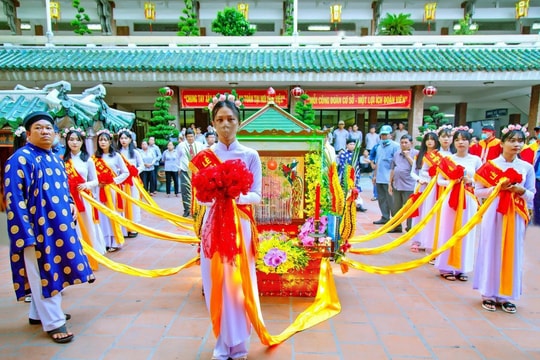
This year, the ancestor worship ceremony of the ca tru (ceremonial singing) profession at Ca Cong Temple, part of the Dong Mon communal house, temple and pagoda relic complex in Hoa Binh Ward, was organized in a well-structured manner, with many ancient rituals continuing to be revived.
In the solemn atmosphere, each song was more than an artistic performance; it was like an offering of incense to the founders of the art form, conveying the gratitude and respect that generations of artists have for their heritage.
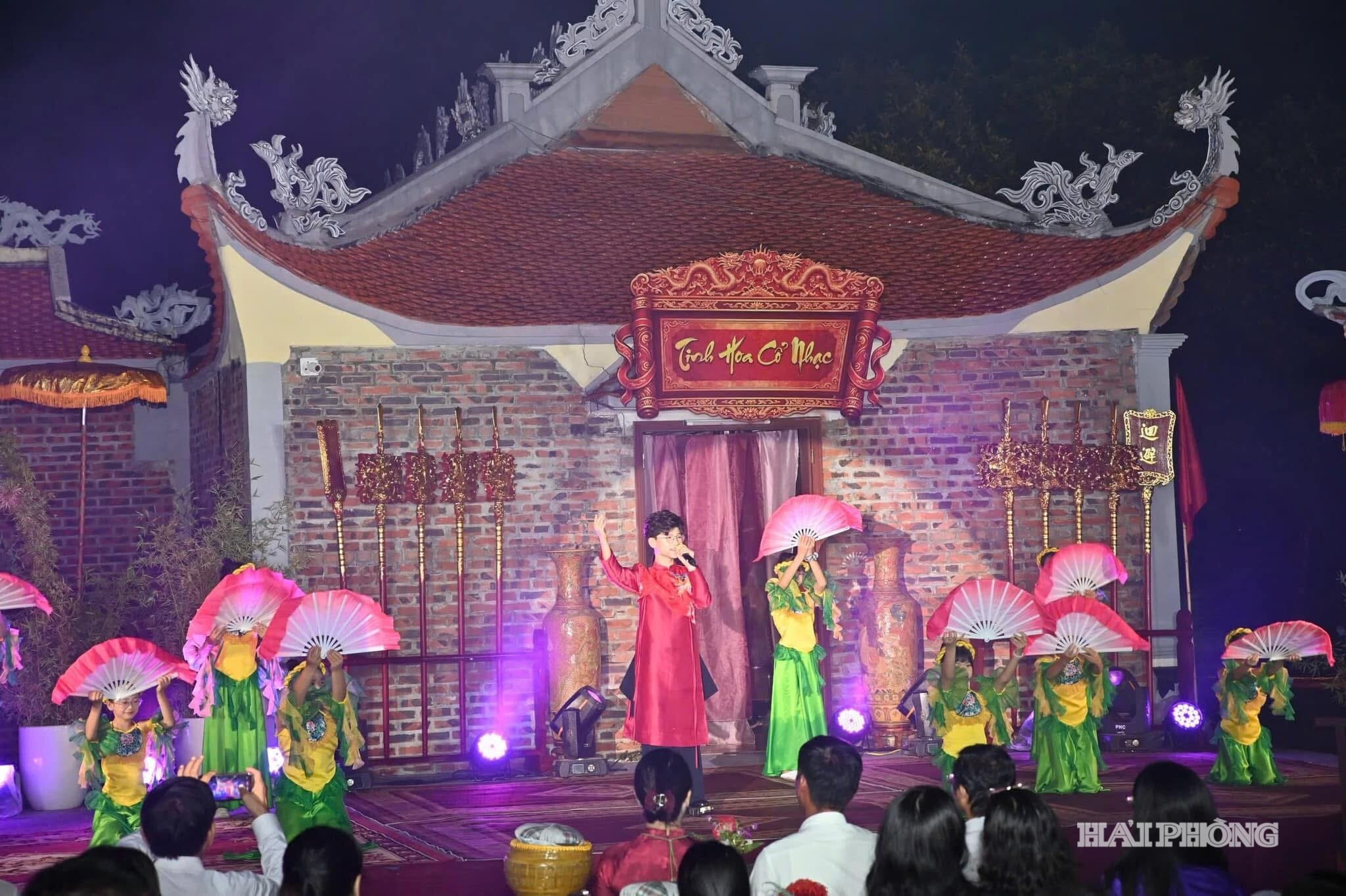
Through the worship of the founders, Hoa Binh Ward is gradually bringing ca tru back into community life. The Dong Mon Ca Tru Club remains active and passes the art form on to younger generations. Some schools have introduced lessons and established clubs to help students become familiar with traditional melodies. Performances and the reconstruction of traditional communal house singing spaces have also created more opportunities for the public to discover this heritage.
Hai Phong now has 24 intangible cultural heritage items officially recognized at the national level. These include traditional festivals such as Con Son-Kiep Bac, Tranh Temple, Cao An Phu Temple, Do Son Buffalo Fighting, Le Chan Female General and Minh The, as well as various forms of folk art.
The vitality of cultural heritage is sustained first and foremost by the people who practice and pass it on. Artisans patiently teach each melody and rhythm, elderly people recount the origins of festivals and guide younger generations in performing traditional rituals, and craft village artisans pass down their skills and secrets from one generation to the next.
Creating new spaces for heritage to reach wider audiences
Beyond preserving and promoting heritage through performances and festivals, intangible cultural values are also being brought closer to younger generations through innovative educational approaches. An English lesson can become a journey of discovery into local history when students have the opportunity to explore and tell stories about their heritage in a language of the modern world. One example was the city-level thematic lesson, “Exploring the Traditional Festival of Le Chan Female General Through an Eighth-Grade English Project-Based Lesson,” held on October 28 at Truong Cong Dinh Junior High School. The session made lively use of project-based learning.
Through a short play recreating historical stories, participation in festival rituals and presentations on heritage values in English, students not only developed their foreign language proficiency, communication and teamwork skills but also nurtured pride in their hometown and an awareness of the importance of preserving tradition.
In particular, when English becomes a tool for introducing cultural heritage, local historical stories are not only preserved in students' memories but also have greater opportunities to reach international audiences. This approach also makes heritage education more experiential, enabling students not only to understand and take pride in their heritage but also to become its successors, promoters and ambassadors of Hai Phong's cultural identity.
At festivals, more interactive experiences also help visitors gain a deeper understanding of relic sites and local cultural life. At Con Son-Kiep Bac relic site, cultural, craft village and culinary experiences are combined with introductions to traditional religious practices.
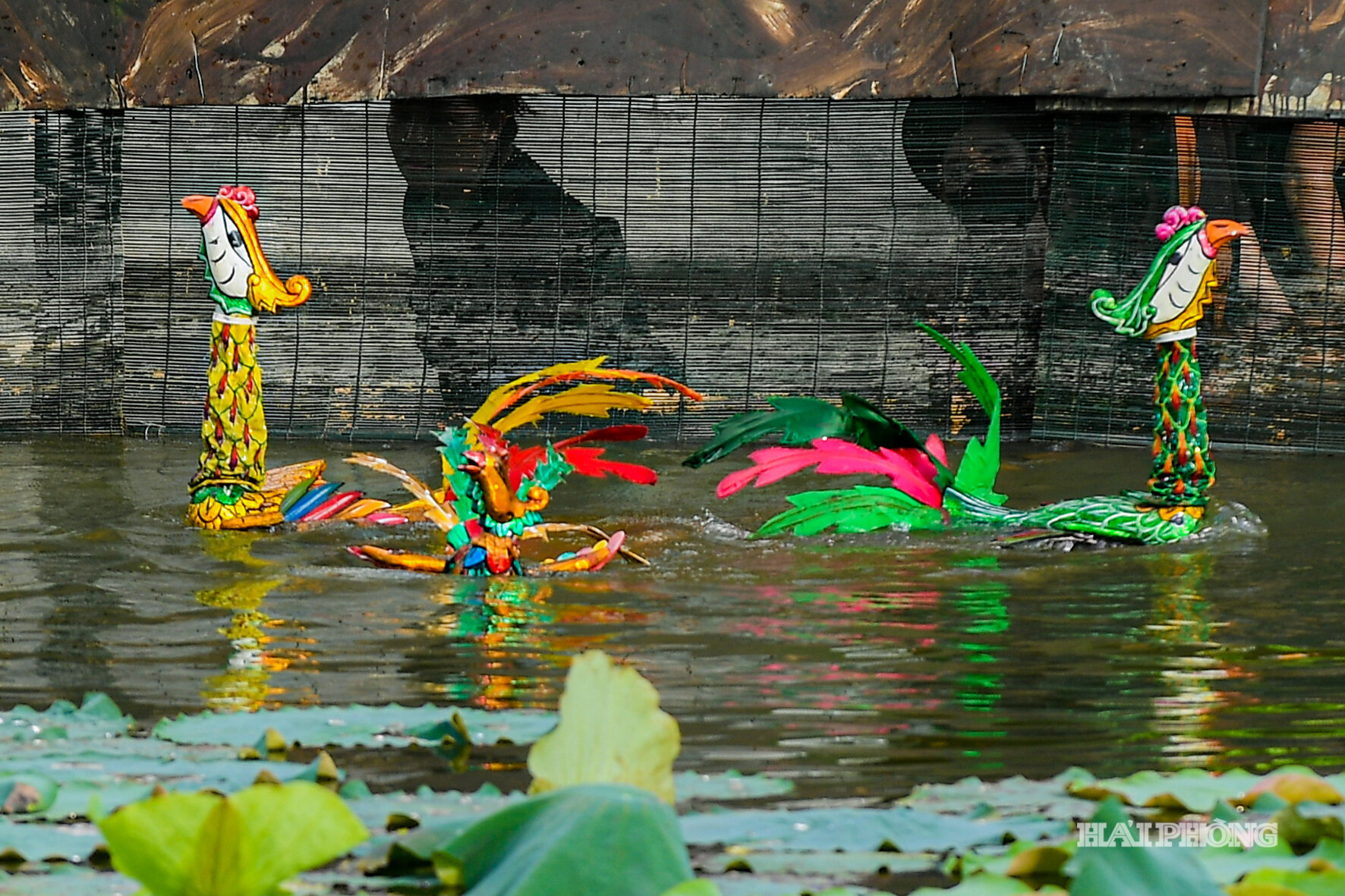
Le Duy Manh, Deputy Head of the Con Son-Kiep Bac Relic Management Board, said that preserving and promoting heritage values must go hand in hand with making them more accessible to the public. Cultural and artistic activities, craft villages, cuisine and tourism must all be rooted in heritage values. In addition, bringing traditional theater performances to the streets, organizing shows in public spaces and incorporating arts into city events help attract a wider audience.
The transition from preservation to promotion requires perseverance and coordinated efforts. Heritage can only thrive sustainably when artisans receive support, younger generations have opportunities to carry on traditions, the public can access heritage through appropriate means, and communities are able to maintain their cultural practices. These are also the foundations that allow traditional values to remain an integral part of modern life.
TAM PHUC