Nghi Duong ragworm rice achieves US organic certification
TRUNG KIEN•28/10/2026 15:08
With more than 40 hectares certified under the USDA Organic standard, a ragworm rice farming model in Nghi Duong Commune, Hai Phong City, has opened up a path toward green and sustainable agriculture.
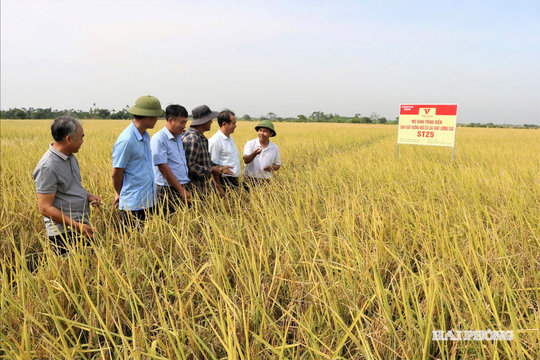
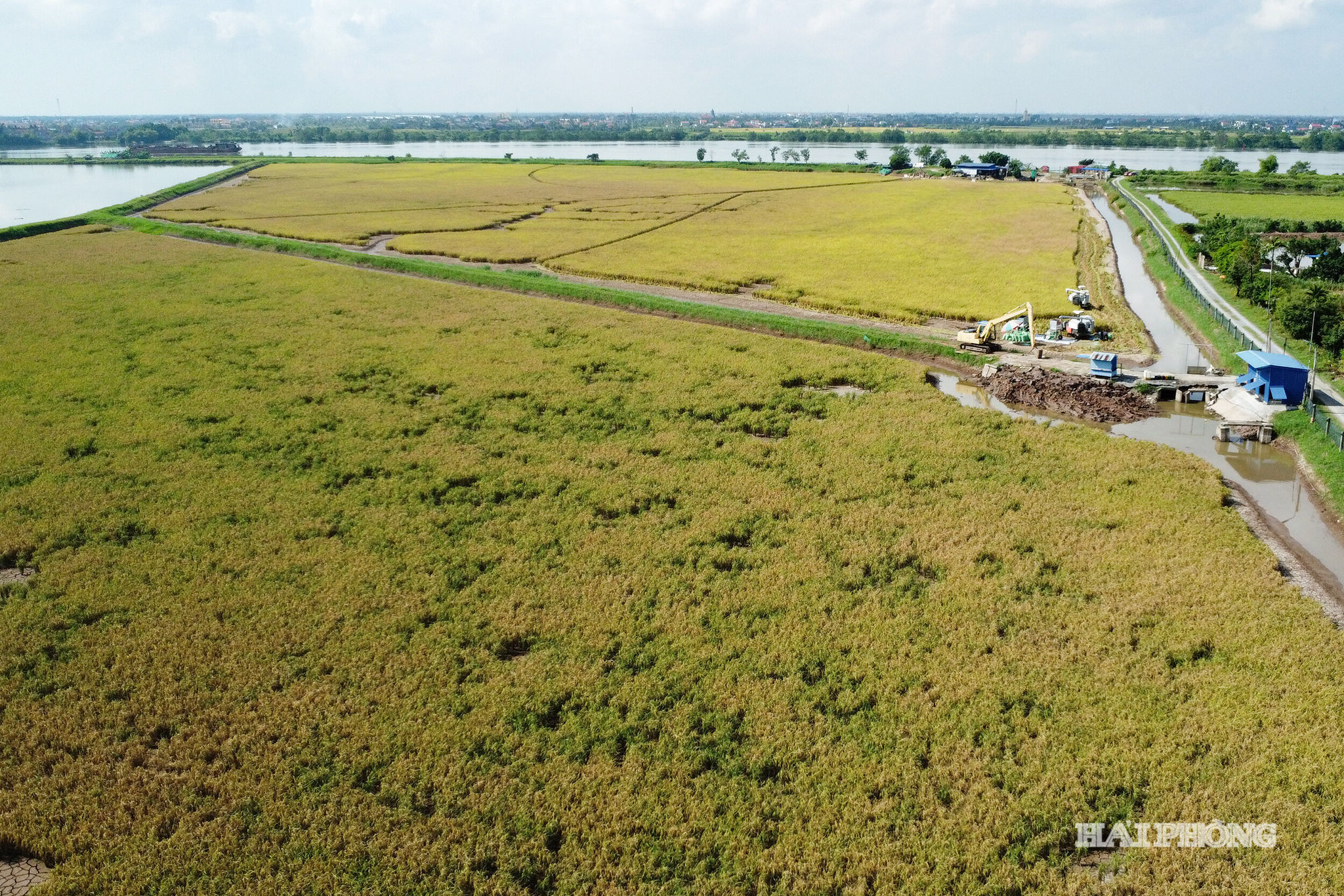
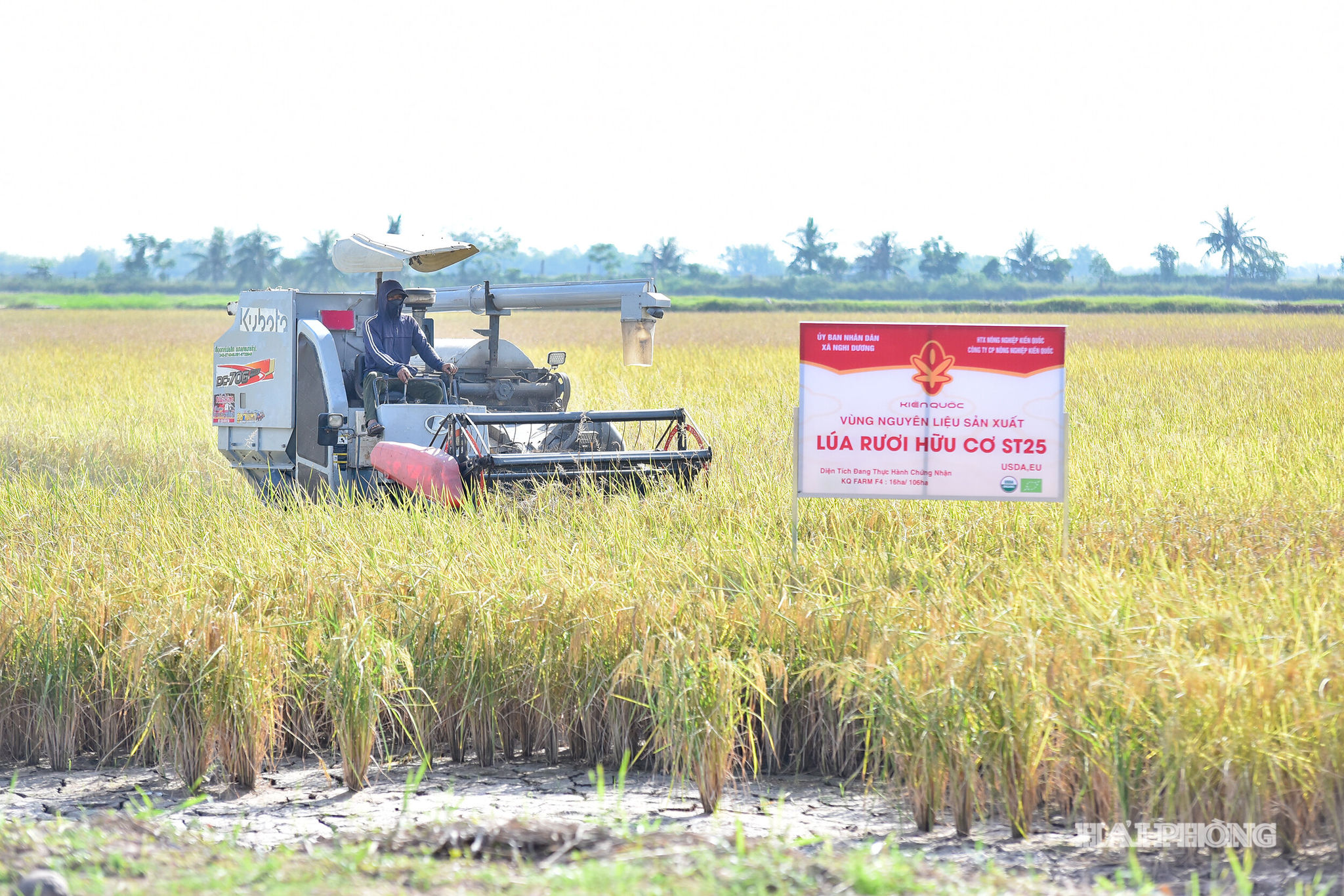
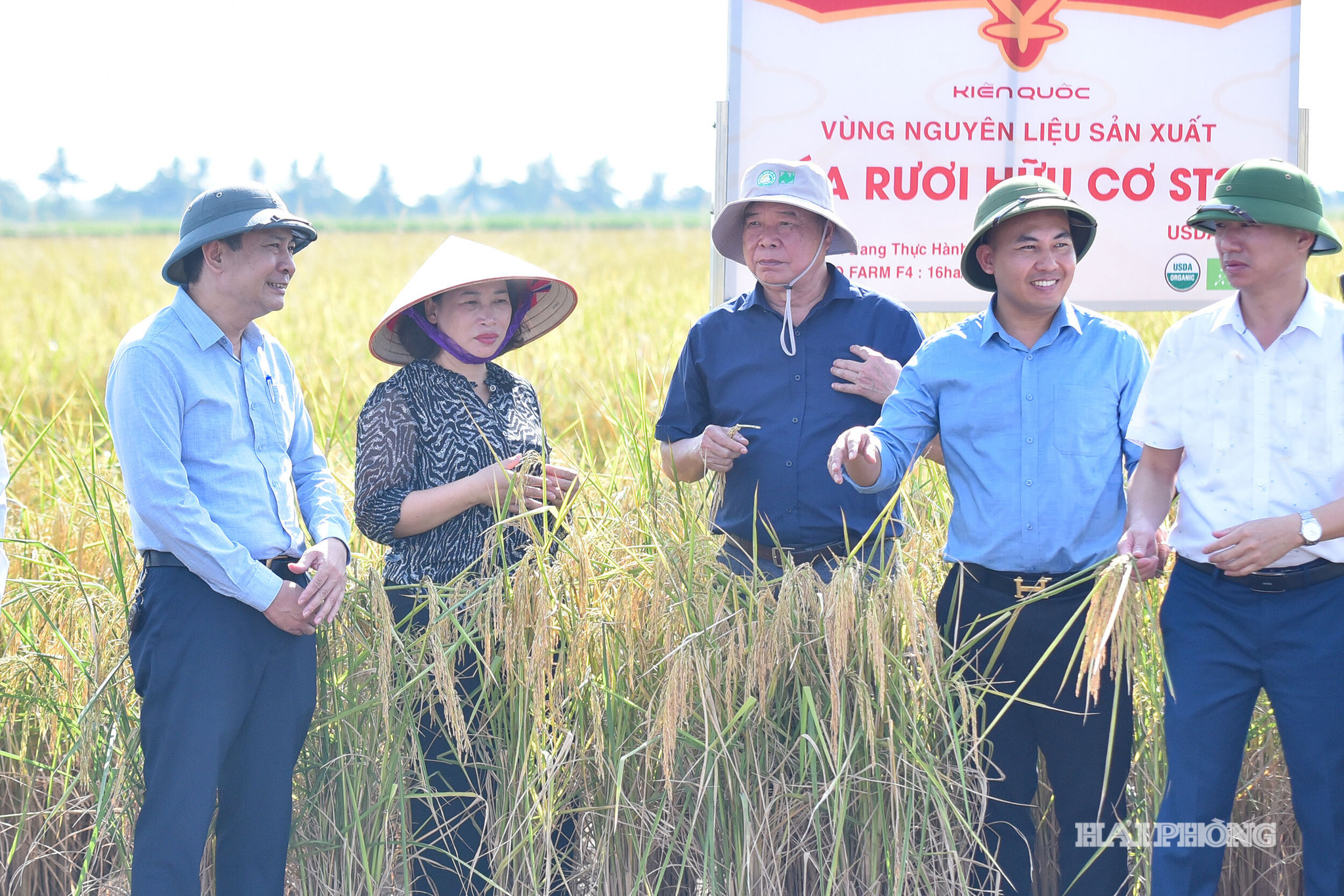
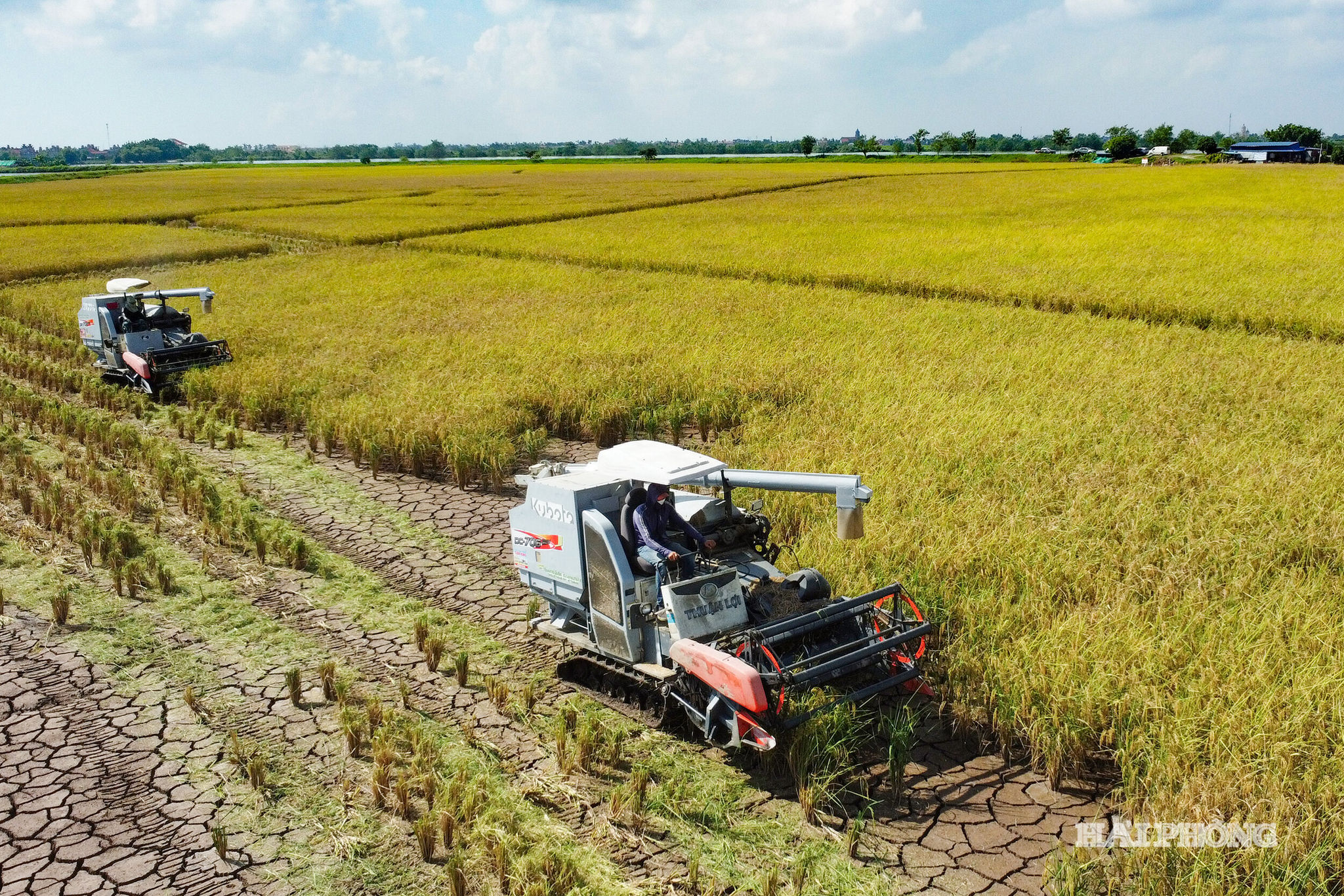
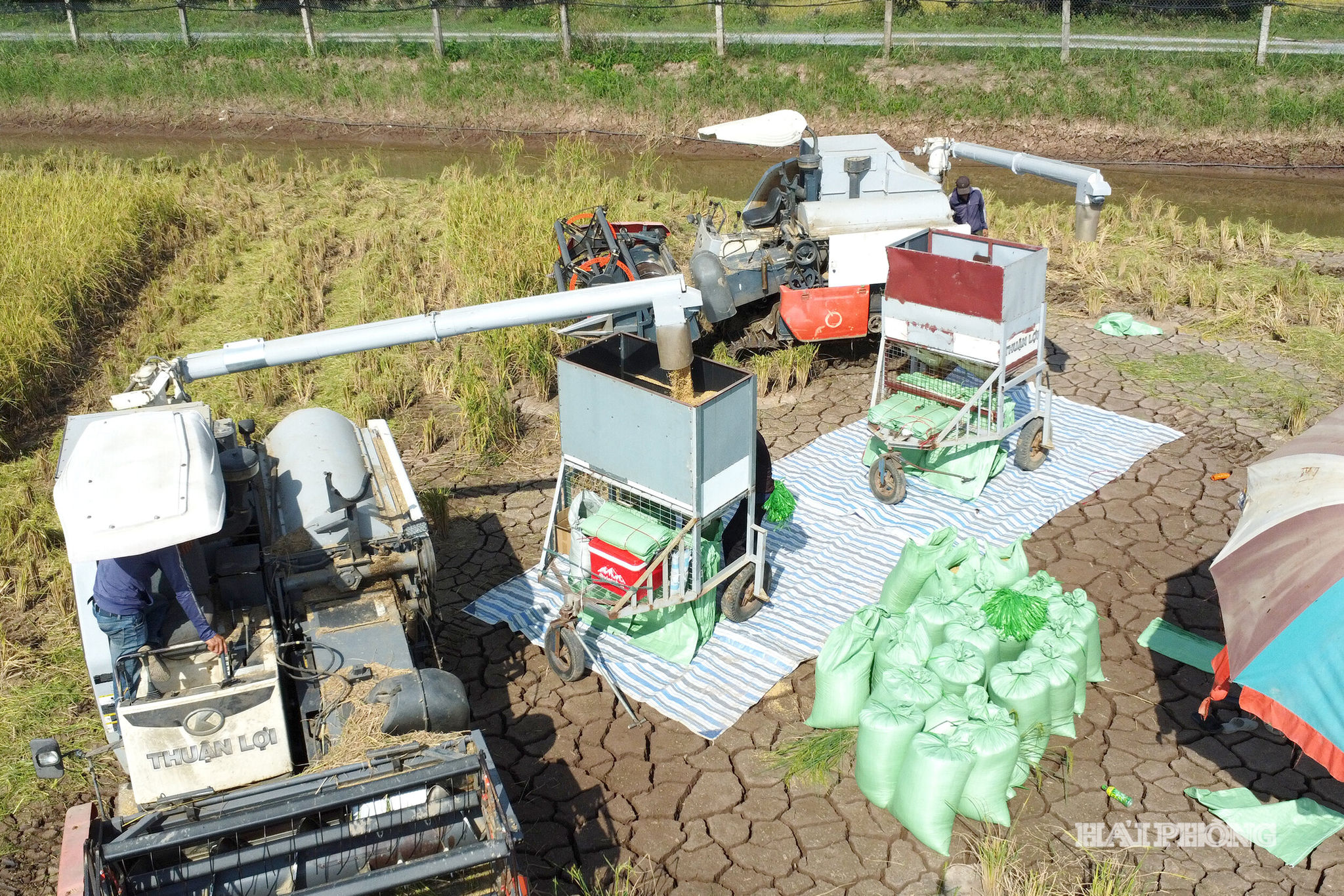
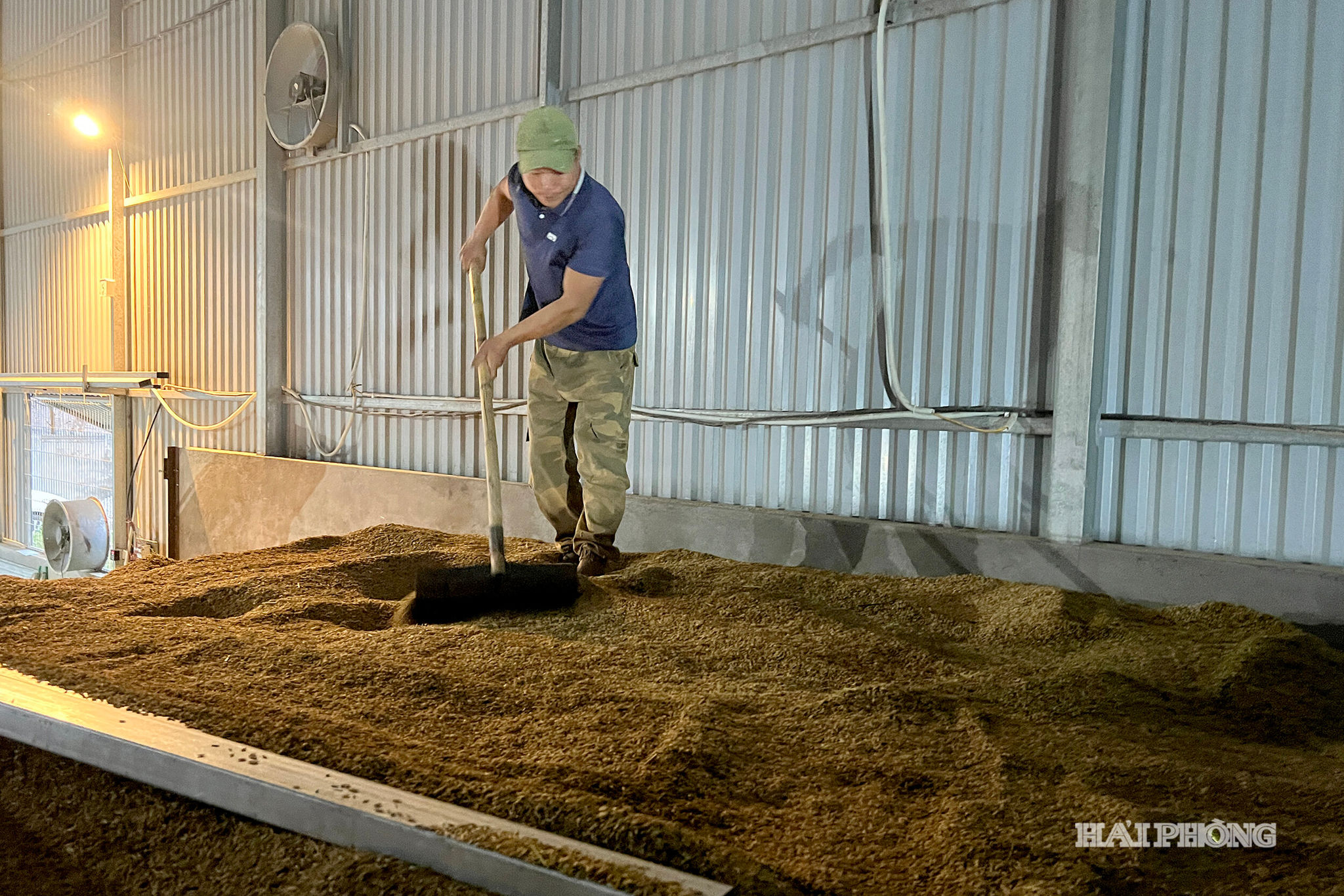
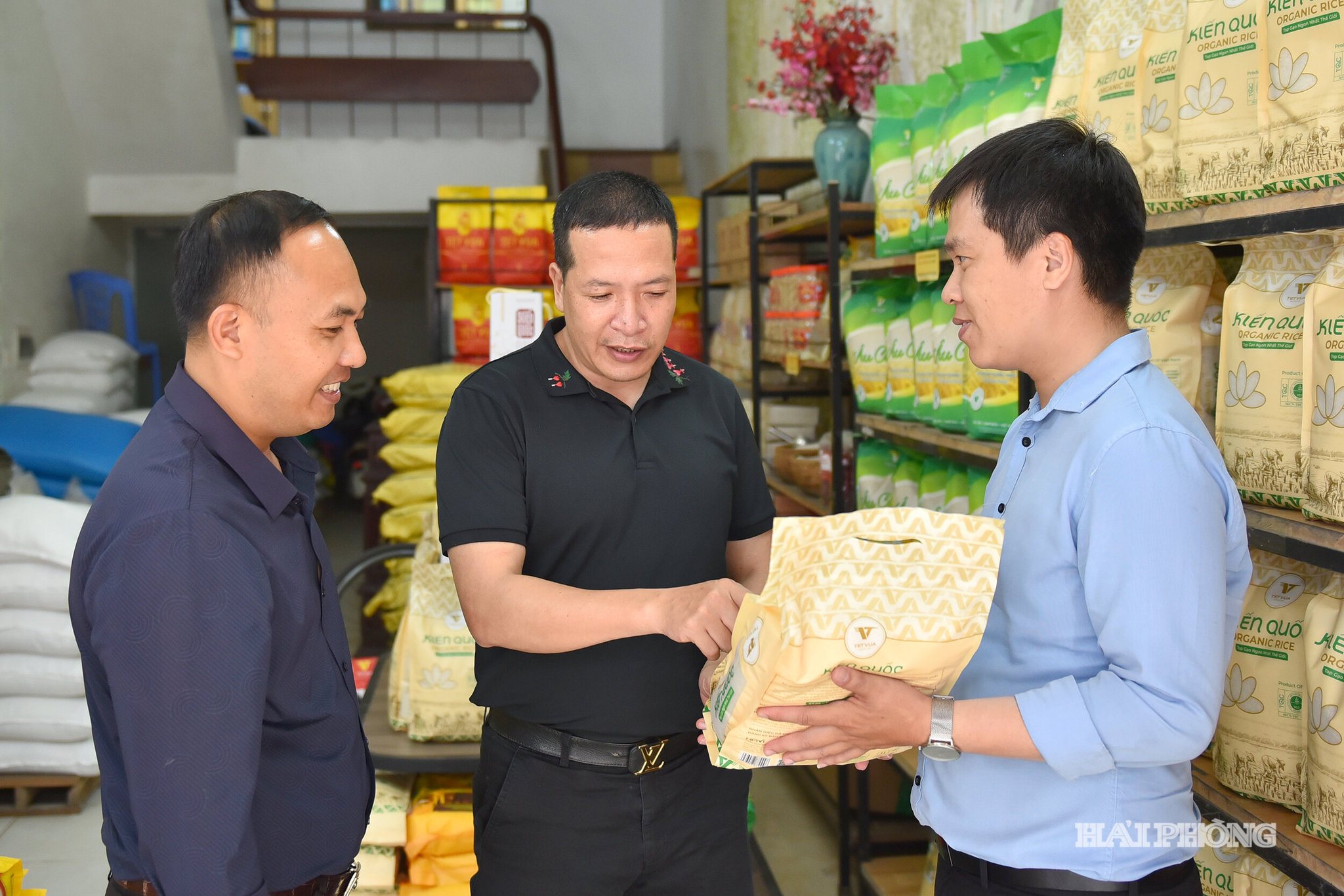
More than 40 hectares of ragworm rice farming in Nghi Duong Commune have received organic certification from the US Department of Agriculture (USDA), making the area one of the first large-scale organic production zones in Hai Phong to achieve this certification.Businesses work with farmers to grow and produce ST25 rice through a closed-loop process that meets strict organic standards. Products must contain more than 95% organic ingredients and be produced without harmful chemicals, synthetic fertilizers, and other such substances.Following surveys and assessments of the model, units under the Department of Agriculture and Environment concluded that organic production not only delivers economic benefits but also protects the environment and the health of producers and consumers. Sustainable development of the model requires coordinated support from local authorities, cooperatives, businesses, and residents.Hai Phong has considerable potential for organic agriculture. Building on the model in Nghi Duong Commune, the city is implementing policies to support farmers and businesses in expanding areas devoted to organic rice production.Areas with suitable natural conditions for harvesting ragworms and small crabs in Chi Minh and Thanh Ha communes have the potential to develop organic production across approximately 5,000 hectares, in which more than 2,000 hectares can be brought into production immediately without the need for land improvement.At this time of year, the organic ragworm rice fields in Nghi Duong Commune are entering the harvest season. After harvesting, paddy is quickly dried at an appropriate temperature to preserve grain quality.Building on the ragworm rice farming model in Nghi Duong Commune, Hai Phong is gradually developing agriculture based on ecological value and product quality, helping promote sustainable development of organic agriculture and rural economy.