Since President Ho Chi Minh’s visit in 1946, Hai Phong Port has ceaselessly upheld its traditions, modernized its technology, improved its operational capacity, and gradually affirmed its role as an international maritime gateway for northern Vietnam and the country as a whole.
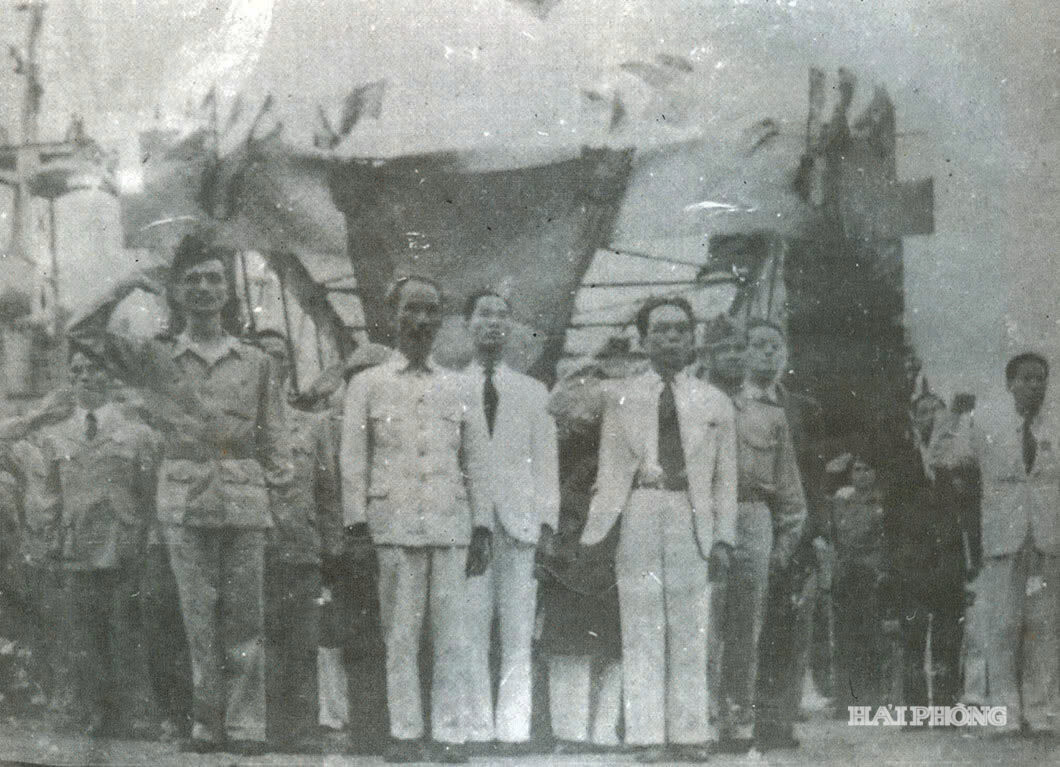
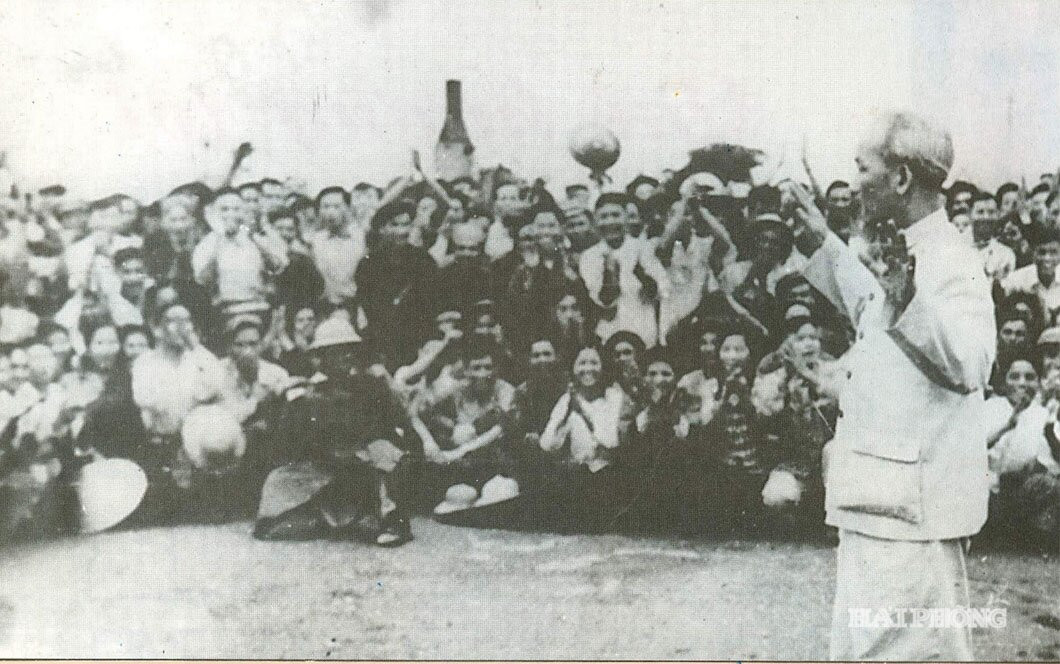
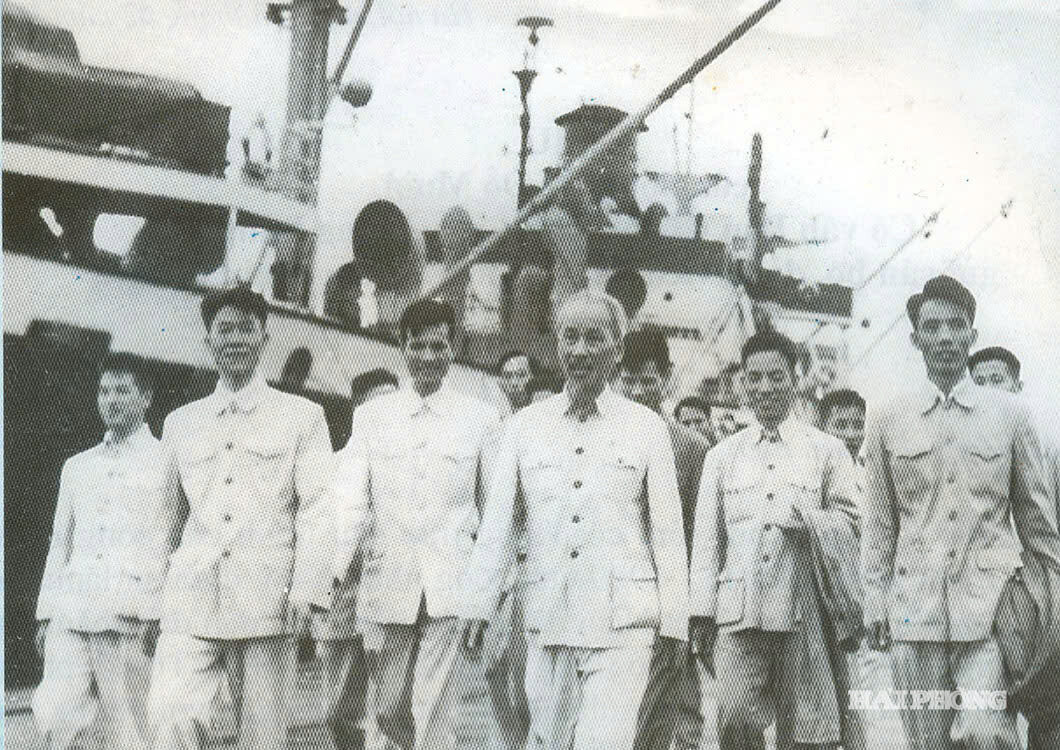
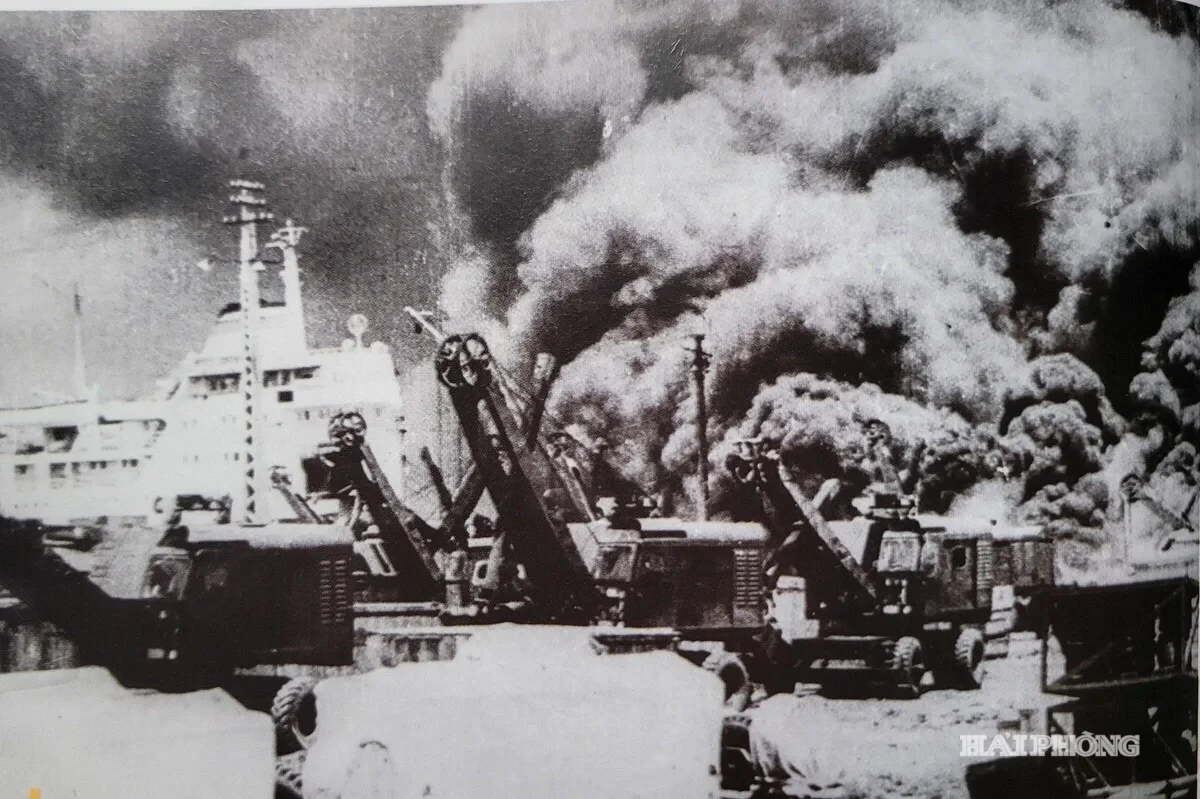
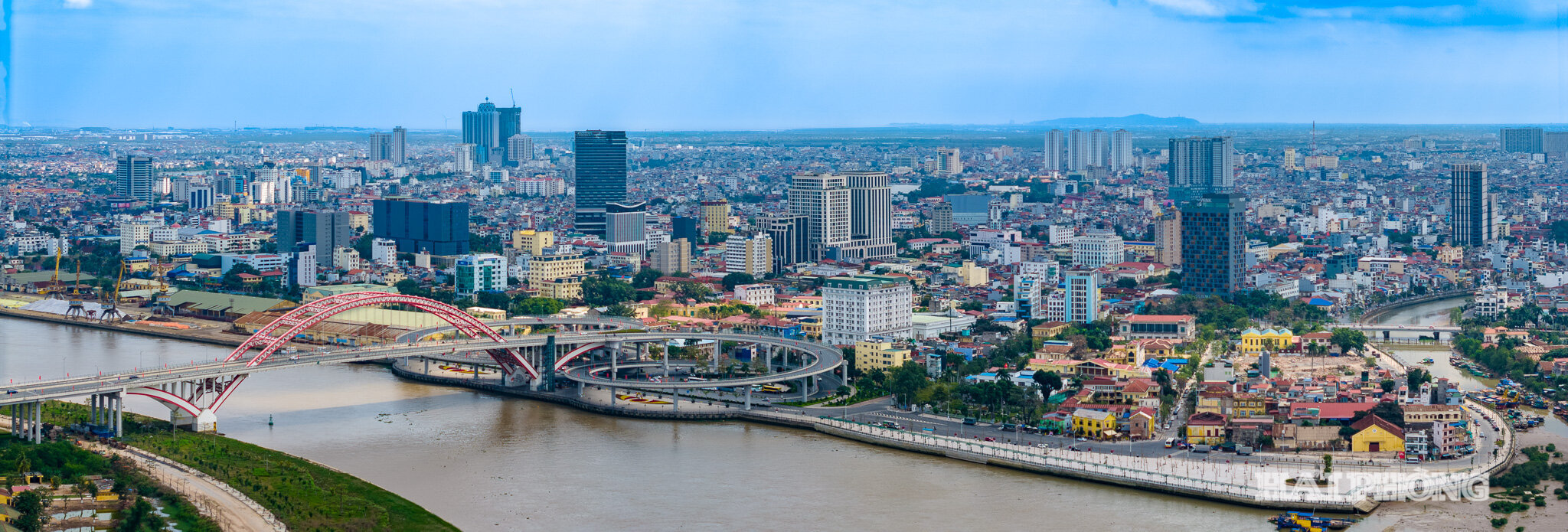
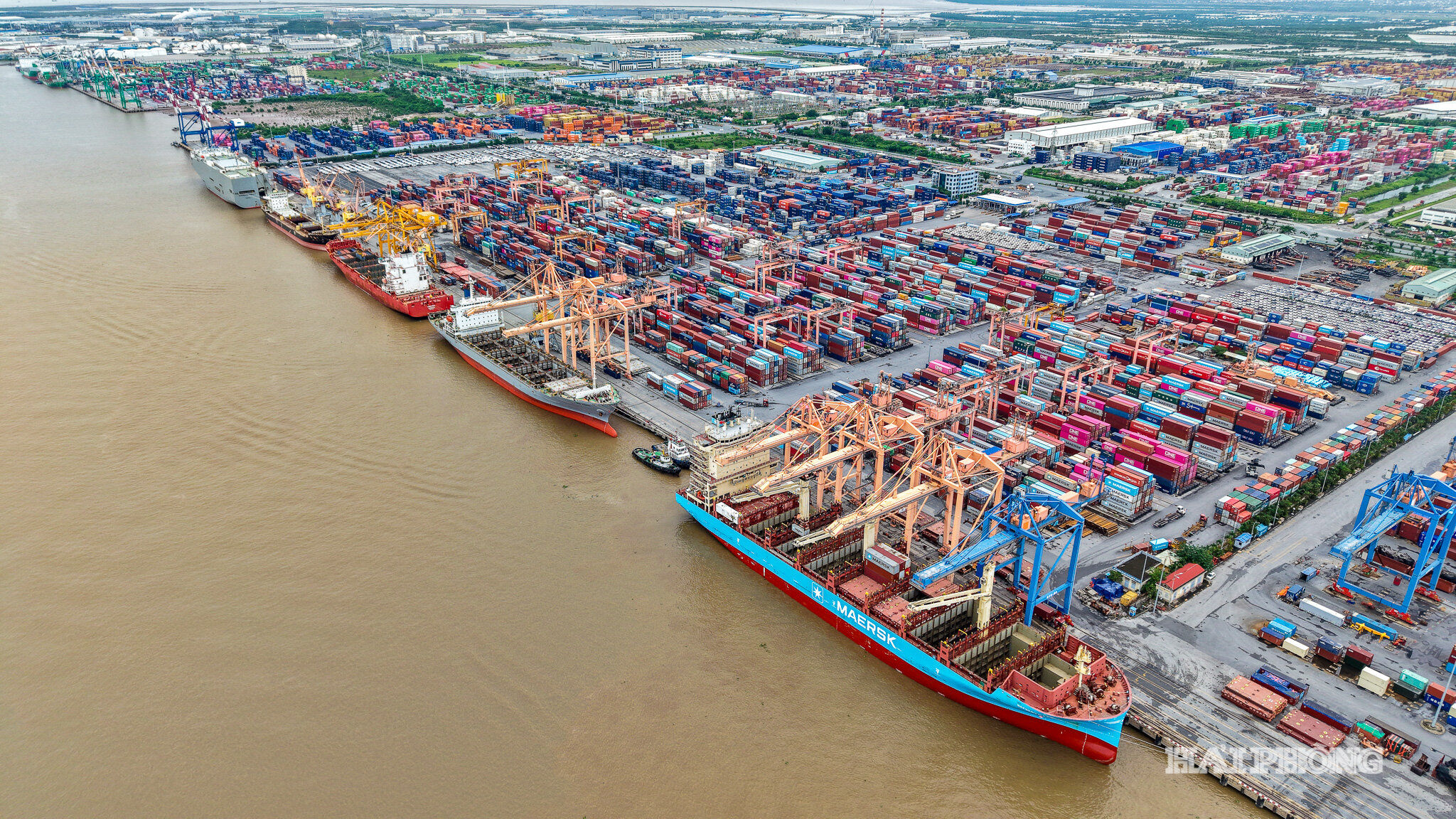
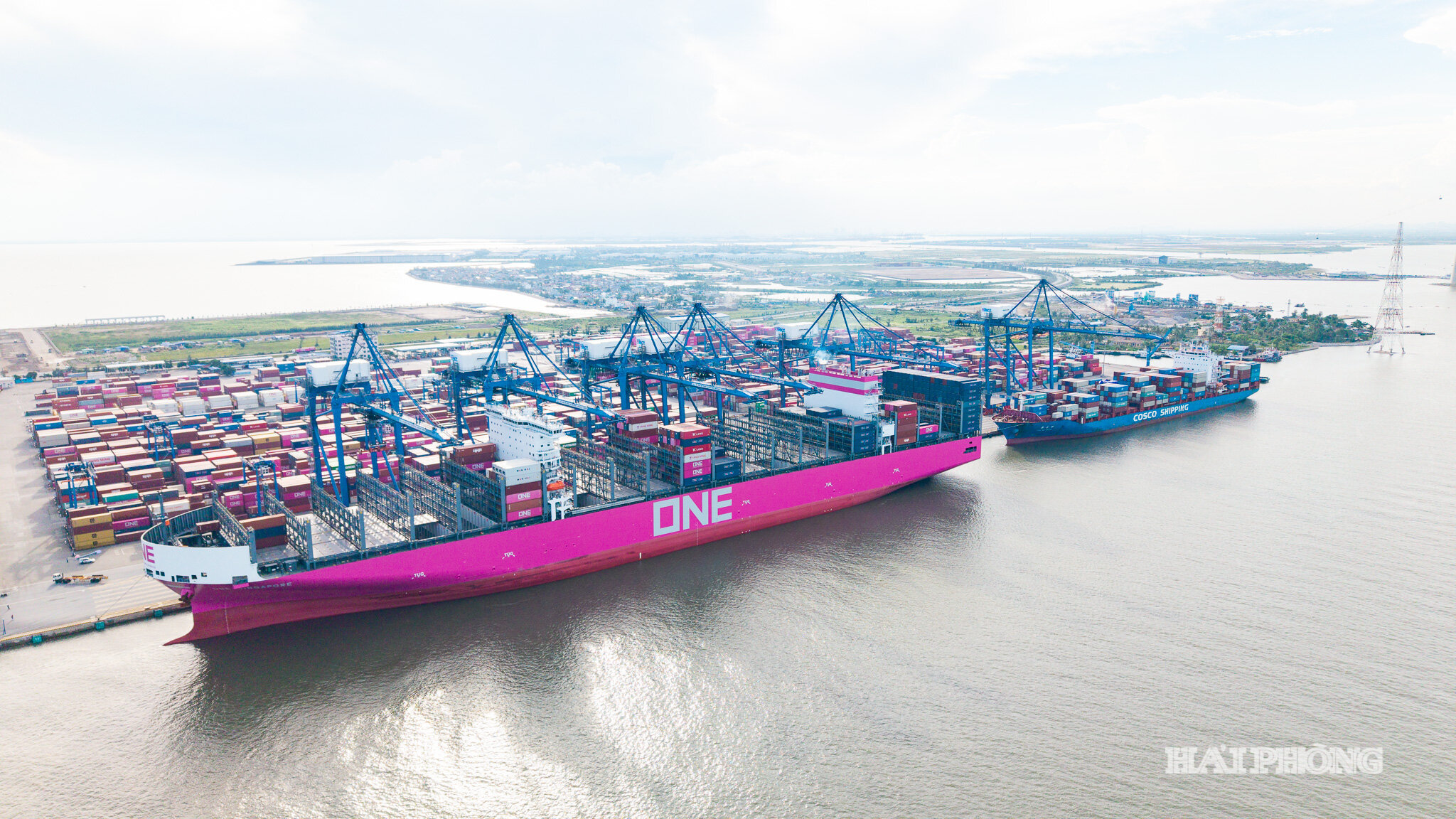
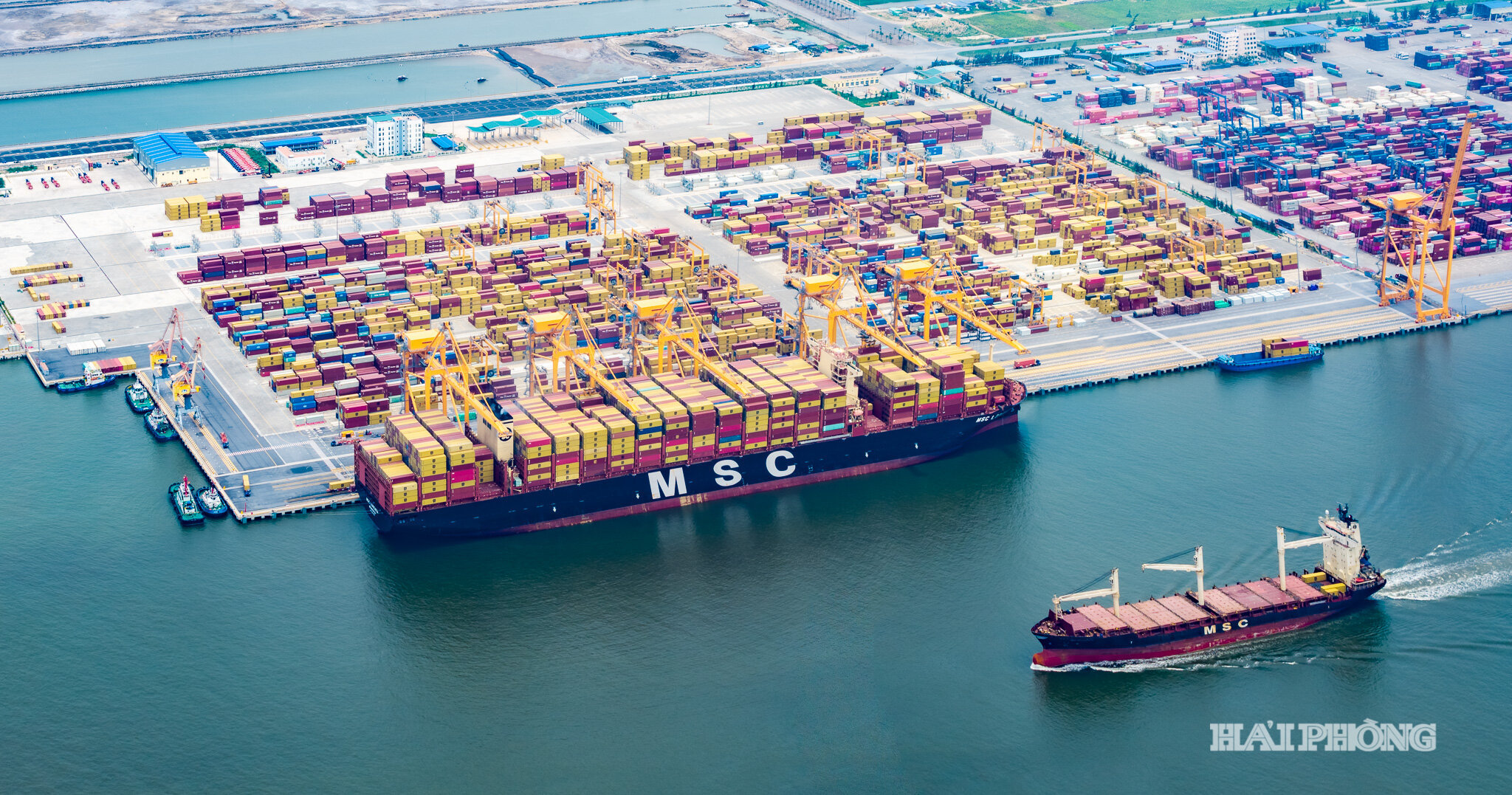
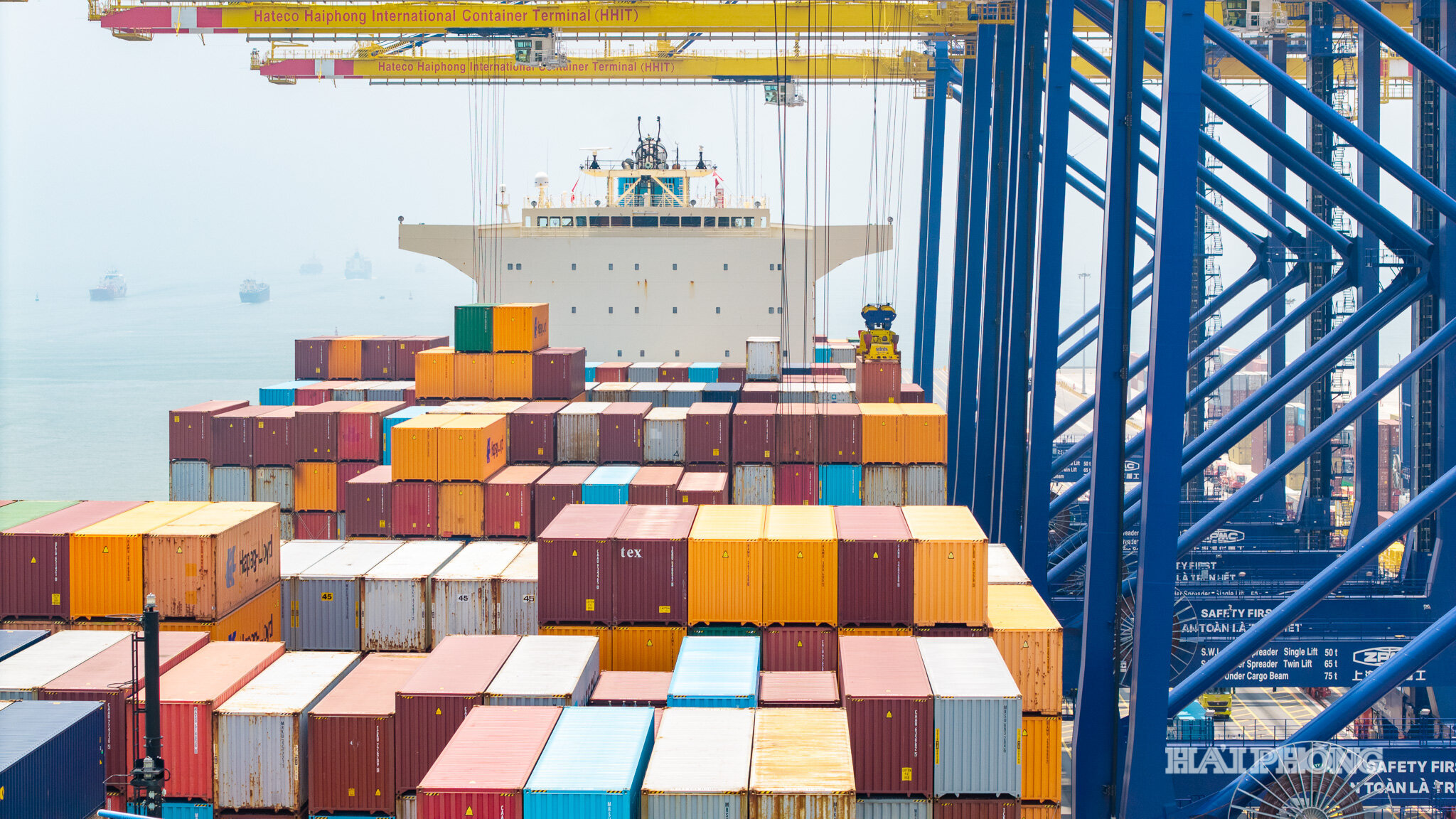
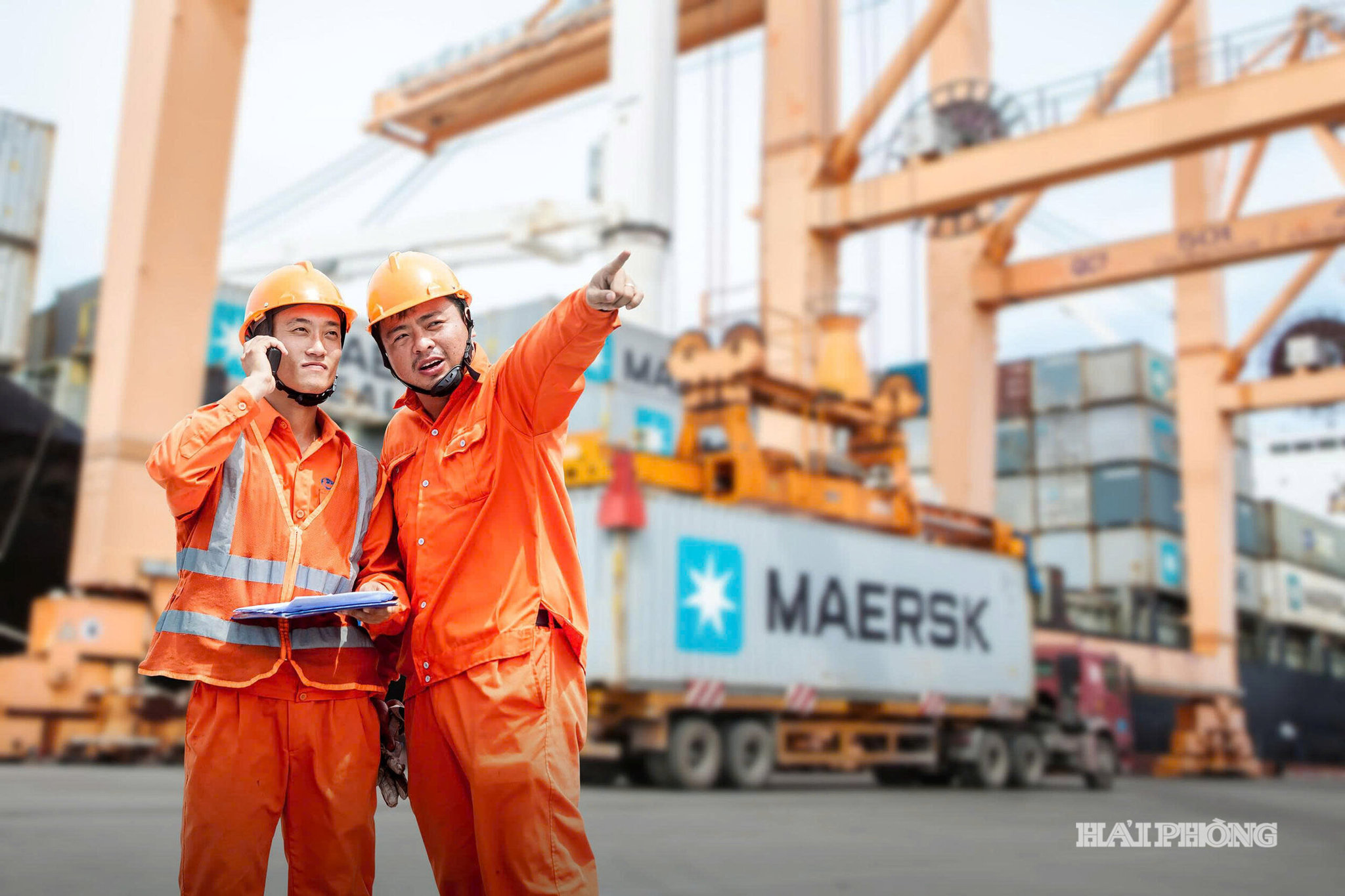
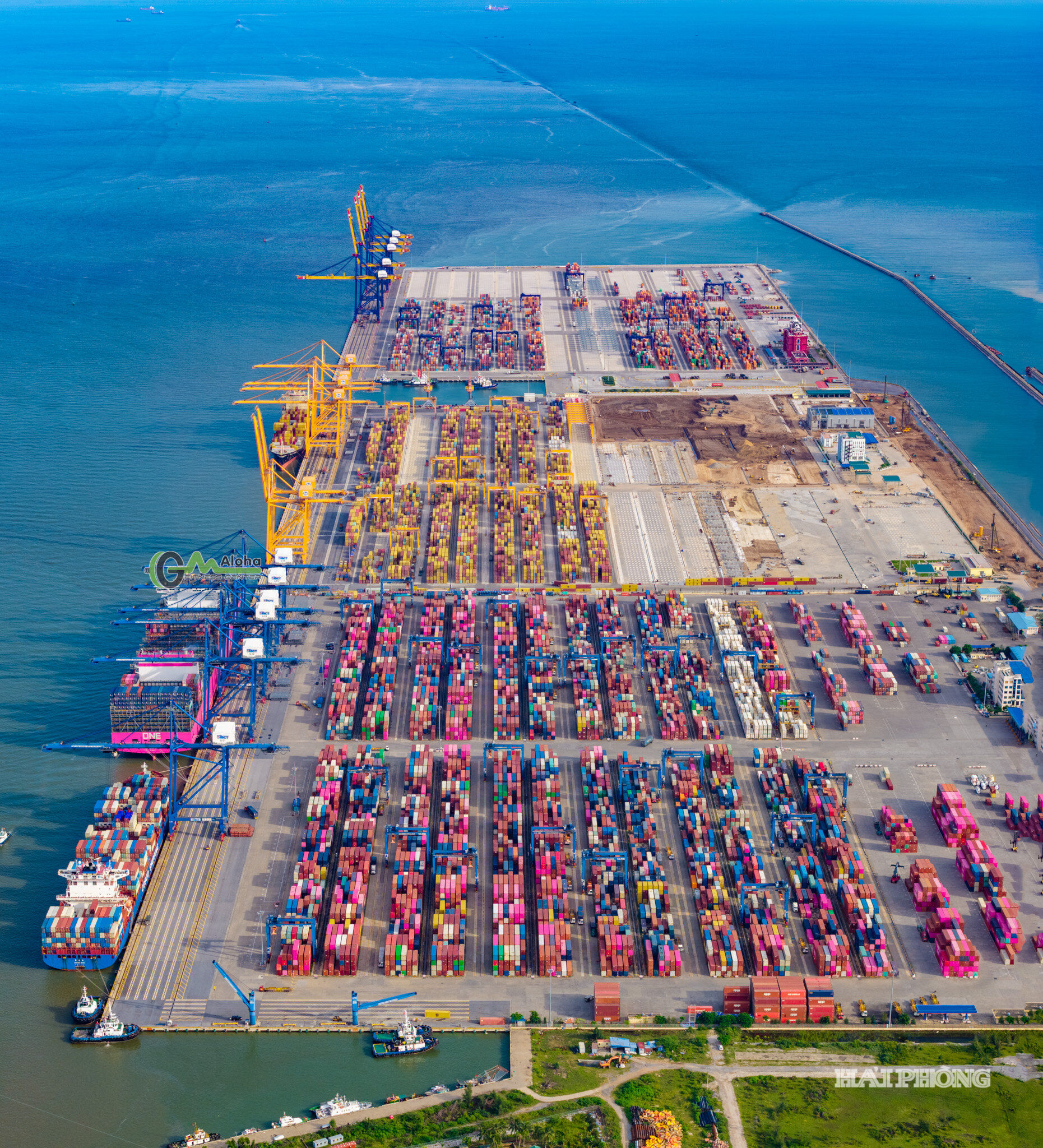
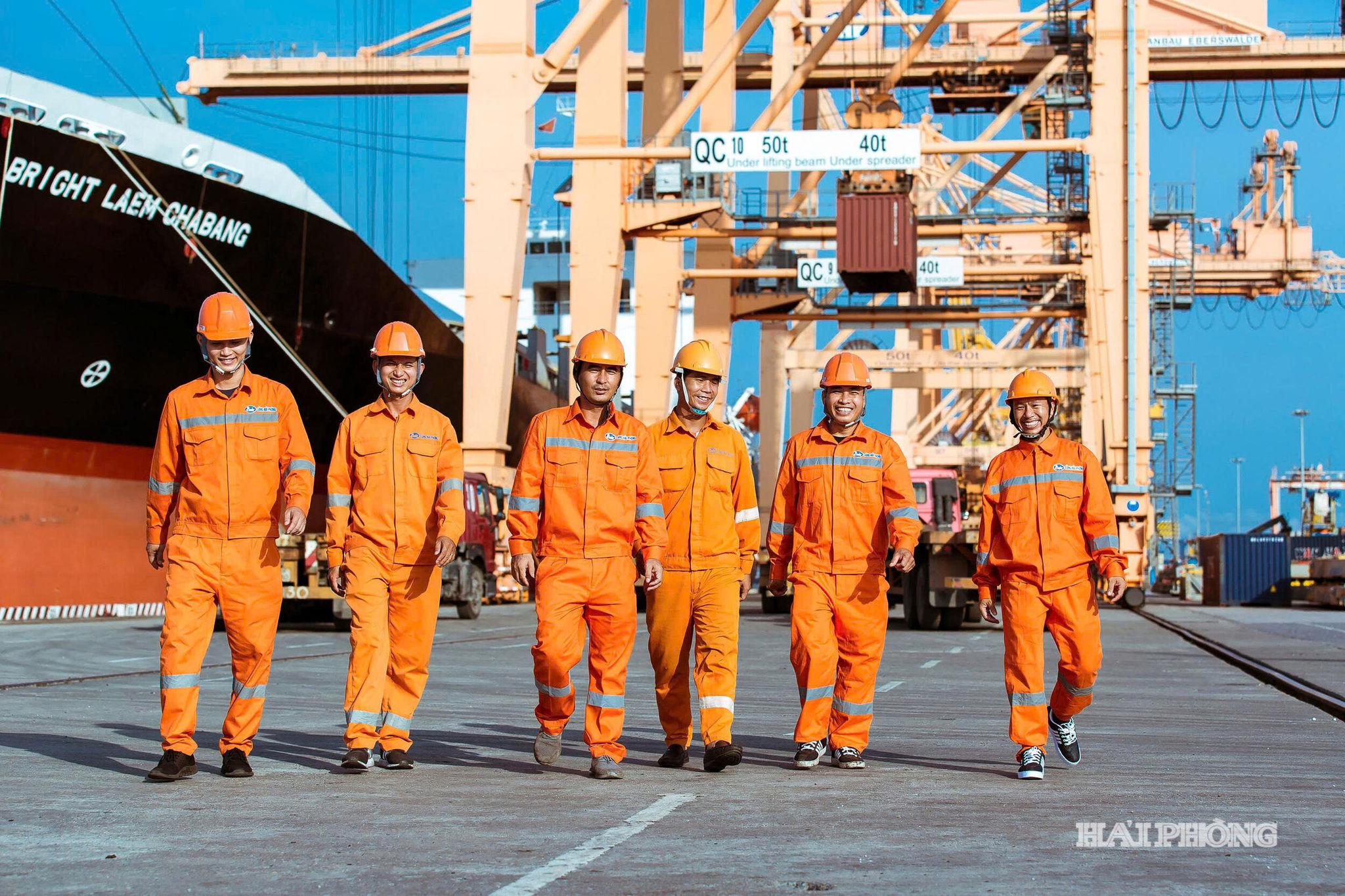
On October 20, 1946, President Ho Chi Minh and a delegation of the Vietnamese Government returned from France and arrived at Ngu wharf in Hai Phong Port, now located near the foot of Hoang Van Thu Bridge. The event marked President Ho Chi Minh’s first return to Hai Phong and the beginning of subsequent visits during which he encouraged and showed deep concern for the port city and generations of workers here (file photo).On May 30, 1957, during a visit to Hai Phong Port, President Ho Chi Minh boarded the HC 15 vessel to learn about the lives and working conditions of workers and sailors. He urged officials and workers to uphold their sense of ownership, strive to improve productivity and quality, and care for workers’ living conditions. His teachings became a source of motivation for generations of Hai Phong Port workers to work toward the port’s development (file photo).On January 10, 1960, President Ho Chi Minh, together with Party and State leaders and a large number of Hai Phong residents, welcomed 922 Vietnamese expatriates returning from Thailand at Hai Phong Port. The honor of welcoming President Ho Chi Minh on three occasions became a source of pride and great encouragement, inspiring generations of port officials and workers to uphold their traditions and work toward the port’s development.During the resistance war against the US aggressors, Hai Phong Port officials and workers remained steadfast at the port and aboard vessels, continuing production while taking part in combat to maintain the flow of cargo transportation. From 1965 to 1972, the port was subjected to 300 bombing raids by US aircraft. The port’s self-defense forces coordinated with combat units to clear bombs and naval mines, helping keep the port operational.Today, Ngu wharf preserves the memory of President Ho Chi Minh’s first visit to Hai Phong, serving as a link between the city’s historical past and its development journey. In the photo: Ngu wharf today.Upholding the tradition of “Solidarity – Resilience – Creativity,” Hai Phong Port has stepped up investment in infrastructure, modernized equipment, and renewed its production methods. Its operations have expanded to Tan Vu and Dinh Vu, increasing its scale, handling capacity, and service quality. In the photo: A panoramic view of Tan Vu Terminal, with its berths, cranes, and container yards.In 2018, Tan Cang Hai Phong International Container Terminal (TC-HICT) put berths 1 and 2 at Lach Huyen into operation, ushering in a new phase of development for the deep-water port in northern Vietnam. This enabled large container ships to transport import and export goods directly to distant markets, reducing reliance on foreign transshipment ports. In the photo: Large container ships being loaded and unloaded at Lach Huyen deep-water port.In May 2025, berths 3 and 4 at Lach Huyen were put into operation, expanding the port’s capacity to accommodate large vessels and connect with international shipping routes. The deep-water port system helps shorten transportation time, reduce logistics costs, and enhance Hai Phong Port’s competitiveness. In the photo: A view of berths 3 and 4 at Lach Huyen Port, with a large container ship alongside the quay.Hateco Hai Phong International Container Terminal, with berths 5 and 6 at Lach Huyen, is equipped with modern cargo-handling facilities and applies smart identification, management, and operational technologies. These systems are helping the port gradually automate operations and improve productivity and service quality.At the modern berths, officials and workers continue to uphold their sense of ownership, apply technology, and accelerate digital transformation in port operations.From President Ho Chi Minh’s teachings to today’s modern port facilities, Hai Phong Port continues to uphold its traditions, modernize infrastructure, advance digital transformation, and develop logistics services towards becoming a green, civilized, modern, and smart port while maintaining its role as a leading port in northern Vietnam.At today’s berths, generations of Hai Phong Port officials and workers continue to uphold their sense of ownership, improve productivity and quality, and maintain workplace discipline. Through their industrial work ethic, sense of responsibility, and dedication, they are carrying forward the port’s proud traditions and contributing to a more prosperous and modern port city.