
.jpg "Hai Duong’s socio-economic development results in H1")

Gửi bình luận
In the first nine months of 2025, Hai Phong city strived to achieve the dual goal of applying the two-tier local government model with smooth and efficient operations and promoting socio-economic development.
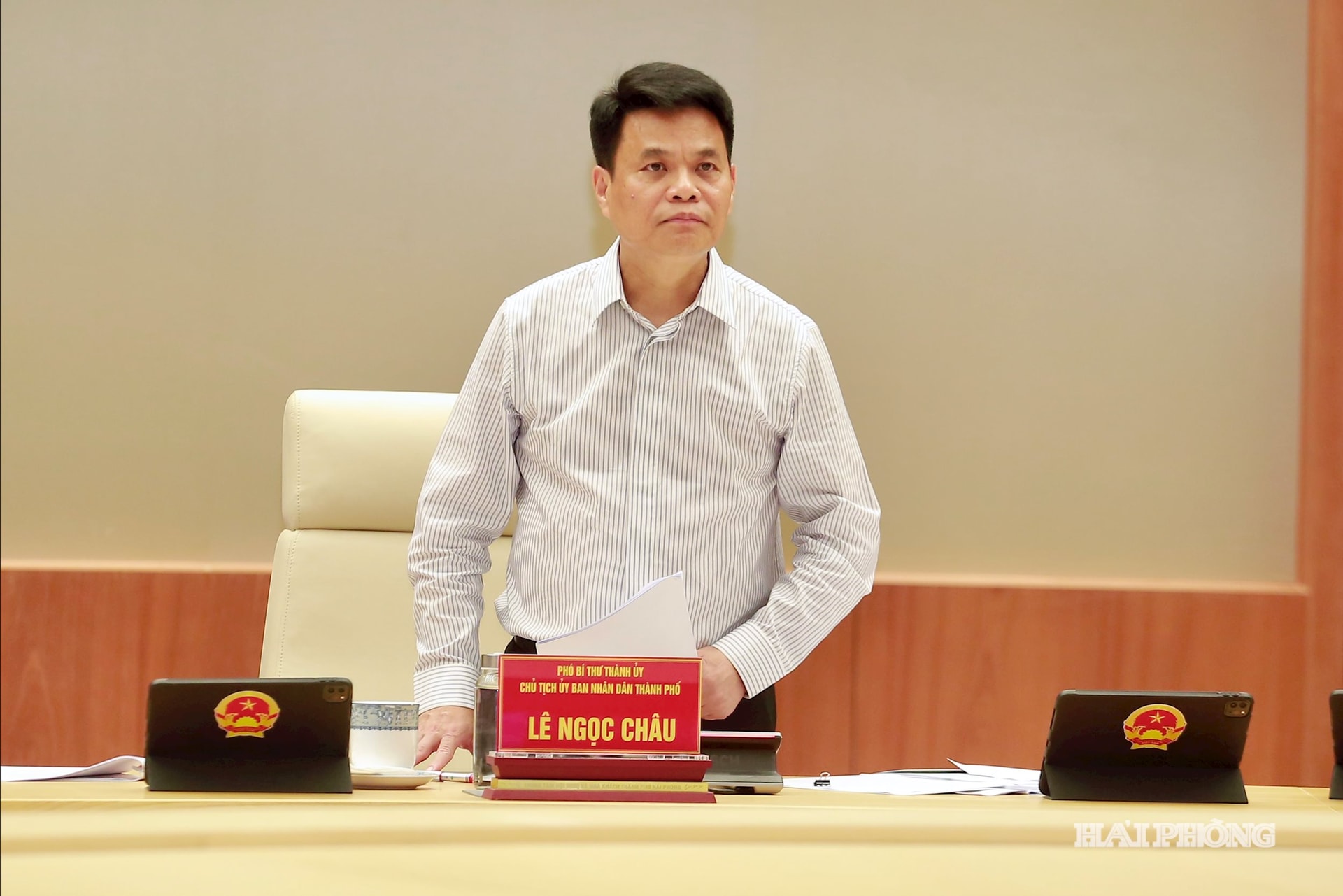
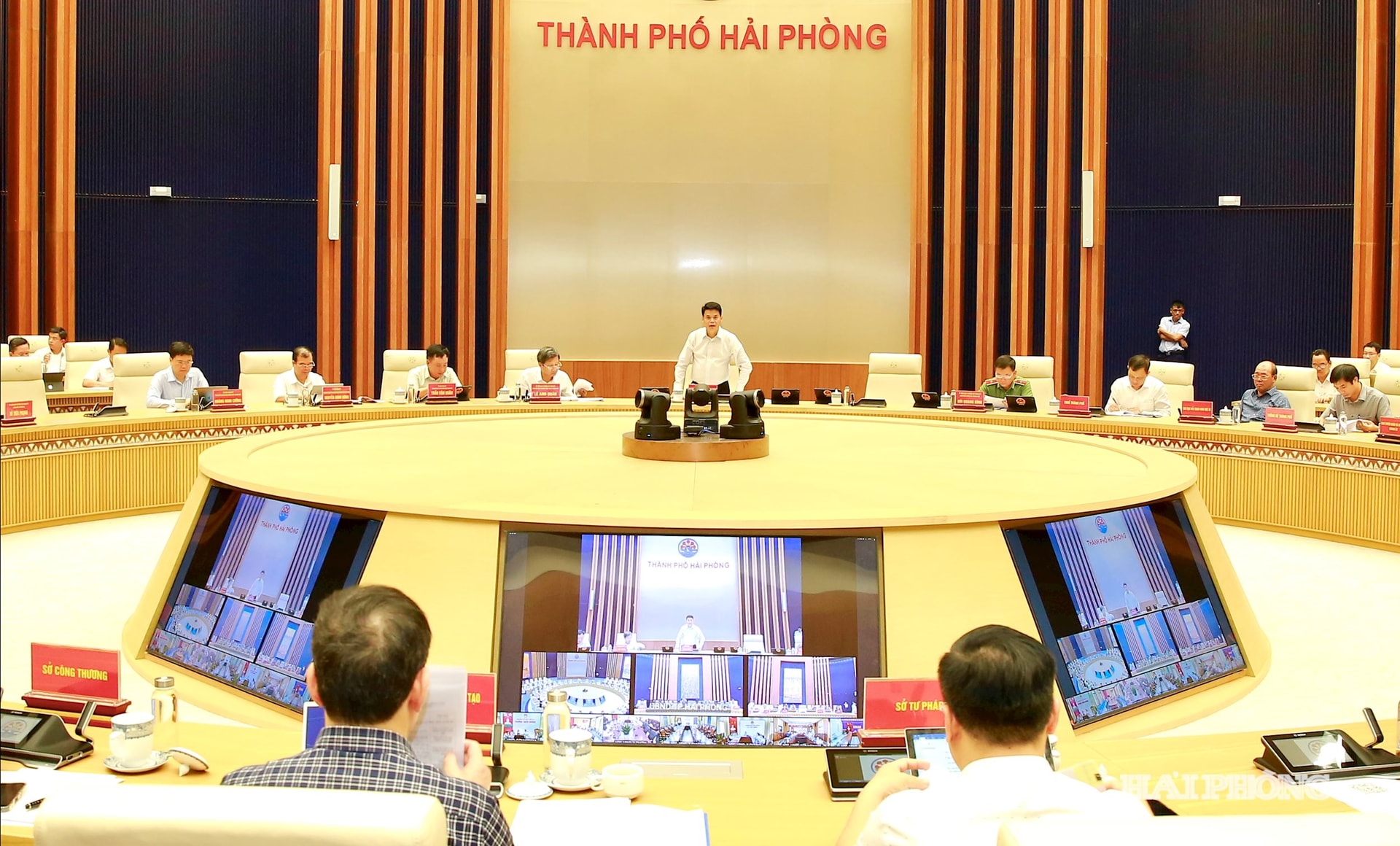
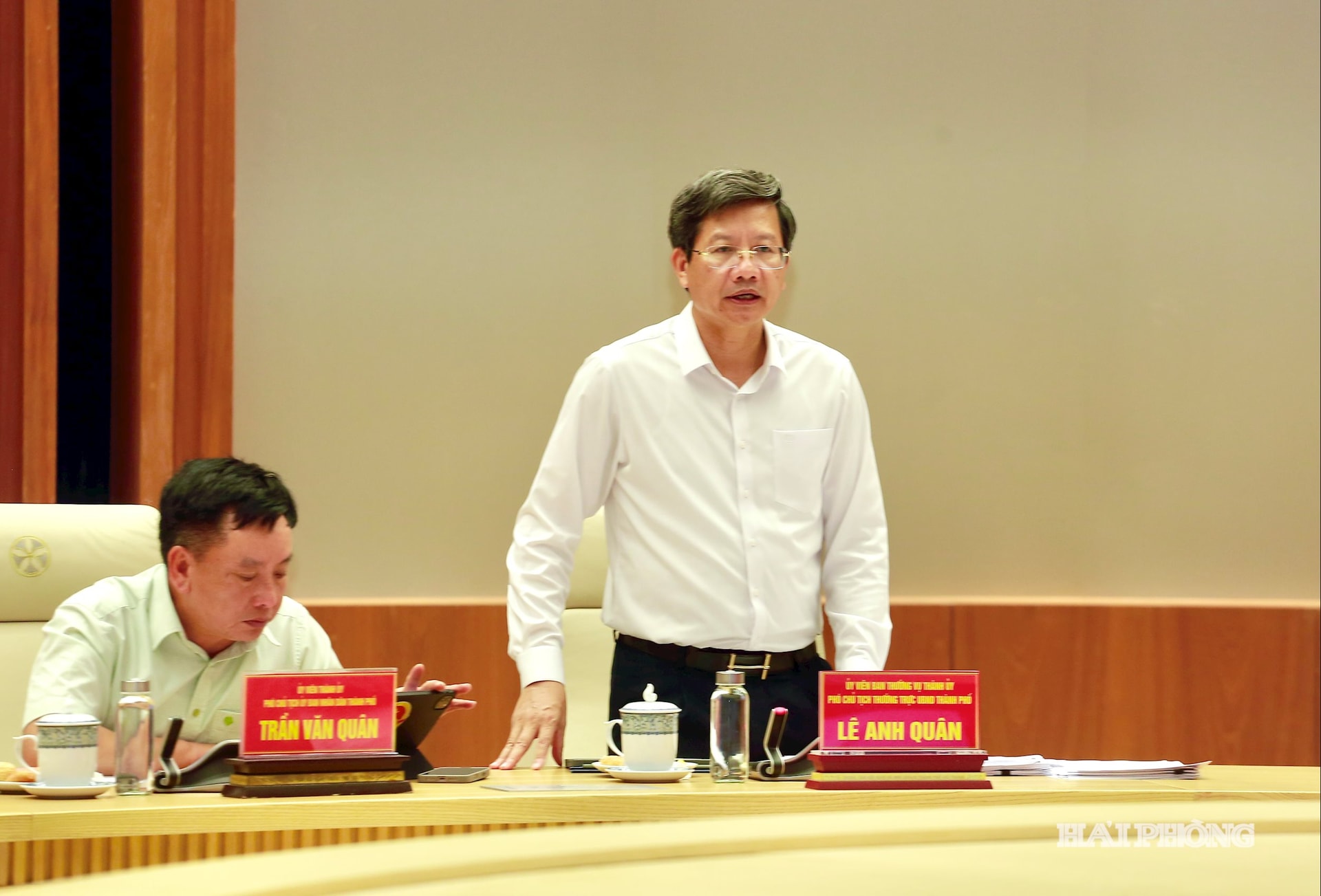
Chairman of the Hai Phong People’s Committee Le Ngoc Chau presided over the committee’s regular meeting on the afternoon of October 1 to review the implementation of socio-economic development tasks in September and the first nine months of 2025, as well as to set out tasks and solutions for socio-economic development, national defense, and security in the last three months of the year.
In the first nine months of 2025, the city’s GRDP was estimated at 321.047 trillion VND, up 11.59%, of which the third quarter was estimated at 111.438 trillion VND, an increase of 12.38% compared to the same period in 2024.
The Index of Industrial Production (IIP) was estimated to rise by 15.06%. Total budget revenue reached more than 145.6 trillion VND, equal to 98.8% of the target assigned by the Central government, and 30.6% higher year on year. Total export turnover was estimated at 36 billion USD, up 6.2%.
Domestic investment attraction was estimated at over 365 trillion VND, 11.9 times higher than the same period last year. The city established 12 industrial parks, 5,611 new enterprises were registered, and cargo throughput at ports reached an estimated 139 million tons, up 12.4%.
Fields such as culture, society, sports, healthcare, education and training, science and technology, and digital transformation recorded many positive results. Social welfare was implemented adequately, promptly, and for the right beneficiaries; people’s material and spiritual lives continued to improve. Notably, on July 12, the Yen Tu - Vinh Nghiem - Con Son, Kiep Bac relic and scenic complex was officially recognized by UNESCO as a World Cultural Heritage site.
In addition, the city organized and participated in many significant political, economic, cultural, and social events that left strong impressions on citizens and international friends. A highlight was the successful co-organization of the 3rd meeting of the APEC Business Advisory Council (ABAC III).
Concluding the meeting, Chairman of the city People’s Committee Le Ngoc Chau suggested that departments, sectors, and localities focus on monitoring, leadership, guidance, and implementation of tasks, with priority given to applying the two-tier local government model and promoting socio-economic development in the last three months of 2025.
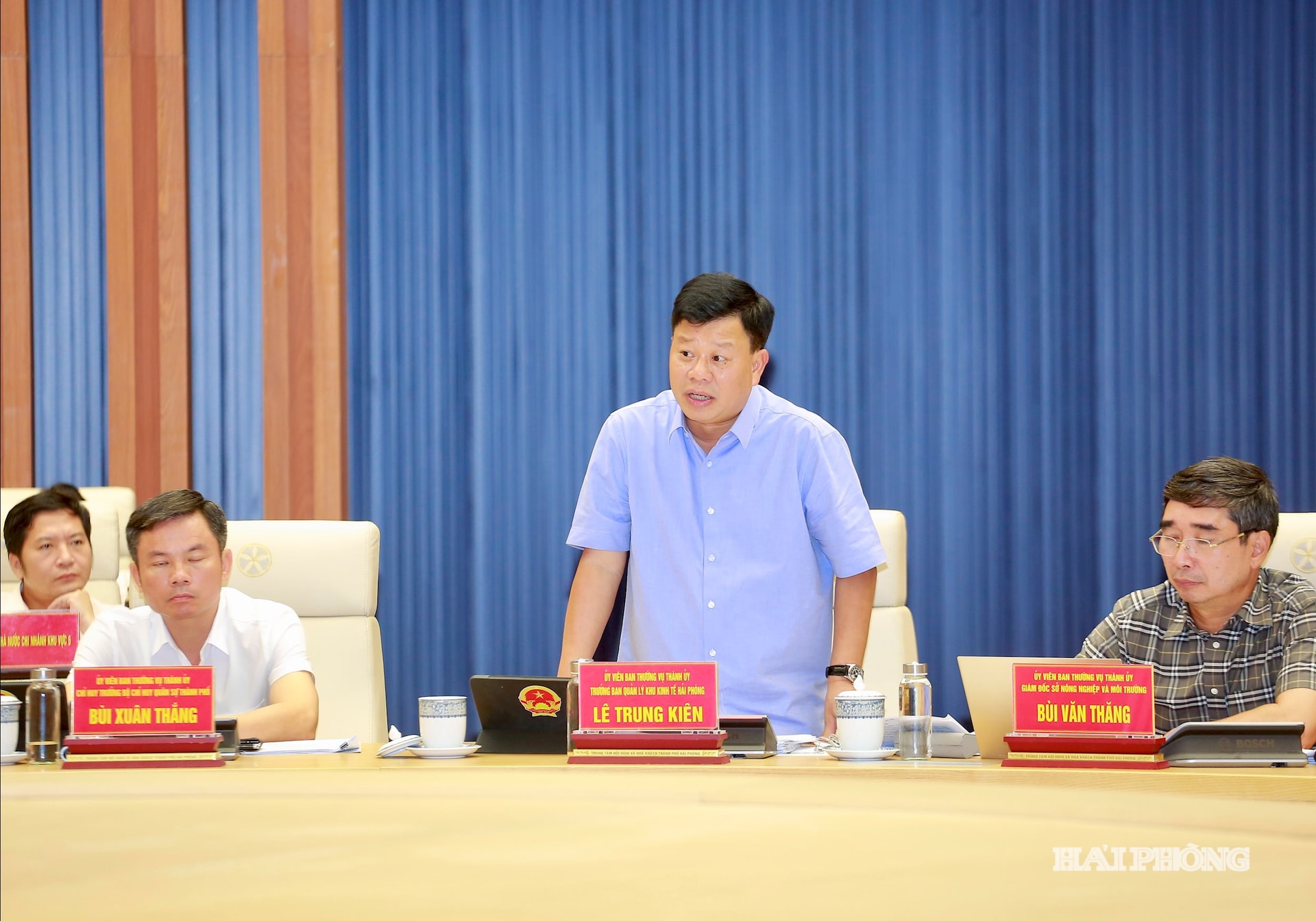
The Chairman assigned the Department of Finance to develop the city’s socio-economic development plan for the 2026–2030 period and for 2026, along with the medium-term public investment plan for 2026–2030 and the public investment plan for 2026. The department must also continue reviewing and proposing solutions to completely resolve delayed and suspended projects and put works into use to avoid waste and loss.
The Department of Construction is to continue implementing solutions to promote the development of social housing to meet people’s needs, striving to fulfill the Prime Minister’s target of constructing 10,694 social housing units in 2025 and the following years. The department must also review and adjust the city’s master planning where necessary; promptly appraise, adjust, and accept construction projects to accelerate the disbursement of public investment.
The Department of Industry and Trade is tasked with implementing effective and comprehensive solutions to promote industrial production in order to achieve the target for the IIP. The Economic Zone Authority must urge investors to accelerate the construction of new industrial parks, especially in terms of site clearance, infrastructure building, and attraction of secondary investors.
HOANG HUE - DUY THINH