.jpg "Hai Phong holds investment promotion conference with LG supply chain firms")
.jpg "Hai Phong ready to welcome new investors")

Gửi bình luận
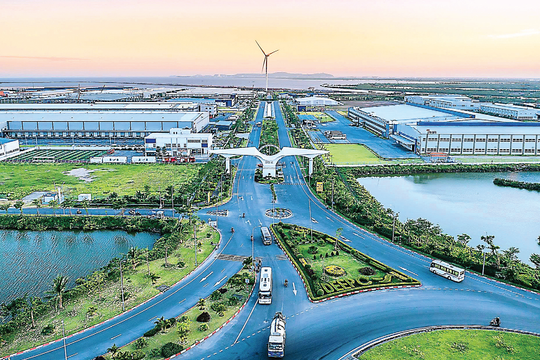
Hai Phong is stepping up efforts to build a supporting industry ecosystem to take a deeper position in global supply chains.
Building enterprise capacity
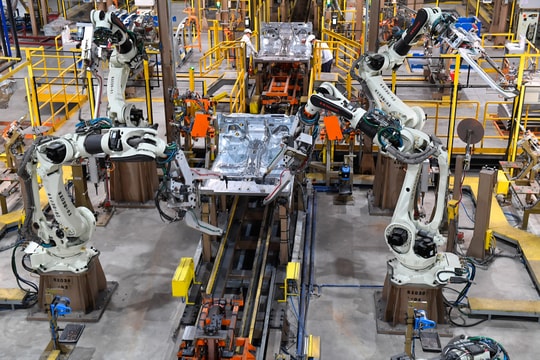
Supporting industry is the foundation of the processing and manufacturing sector, as it supplies components, spare parts, materials and technical services for production. For Hai Phong, a major industrial and seaport hub in the country, developing supporting industries is important for increasing localization rates, reducing dependence on imports and boosting the competitiveness of industries such as automobiles, electronics, mechanics, shipbuilding and textiles.
In recent years, along with strong investment flows from major domestic and foreign groups, demand for local suppliers has grown rapidly. This is both an opportunity and a driving force for Hai Phong businesses to innovate technology, improve management capacity and accelerate digital transformation.
HPTECH Supporting Industry Limited Company in An Duong Ward is among the few supporting industry enterprises in Hai Phong that have been deeply integrated into global supply chains. The company supplies components, materials and parts for foreign enterprises in high-tech fields, especially automobiles and aviation. Its products are exported to South Korea and Japan, which are demanding markets in terms of quality.
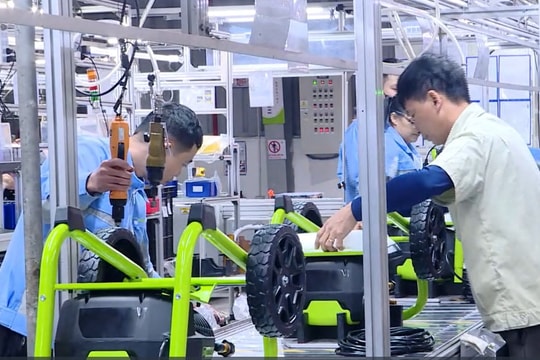
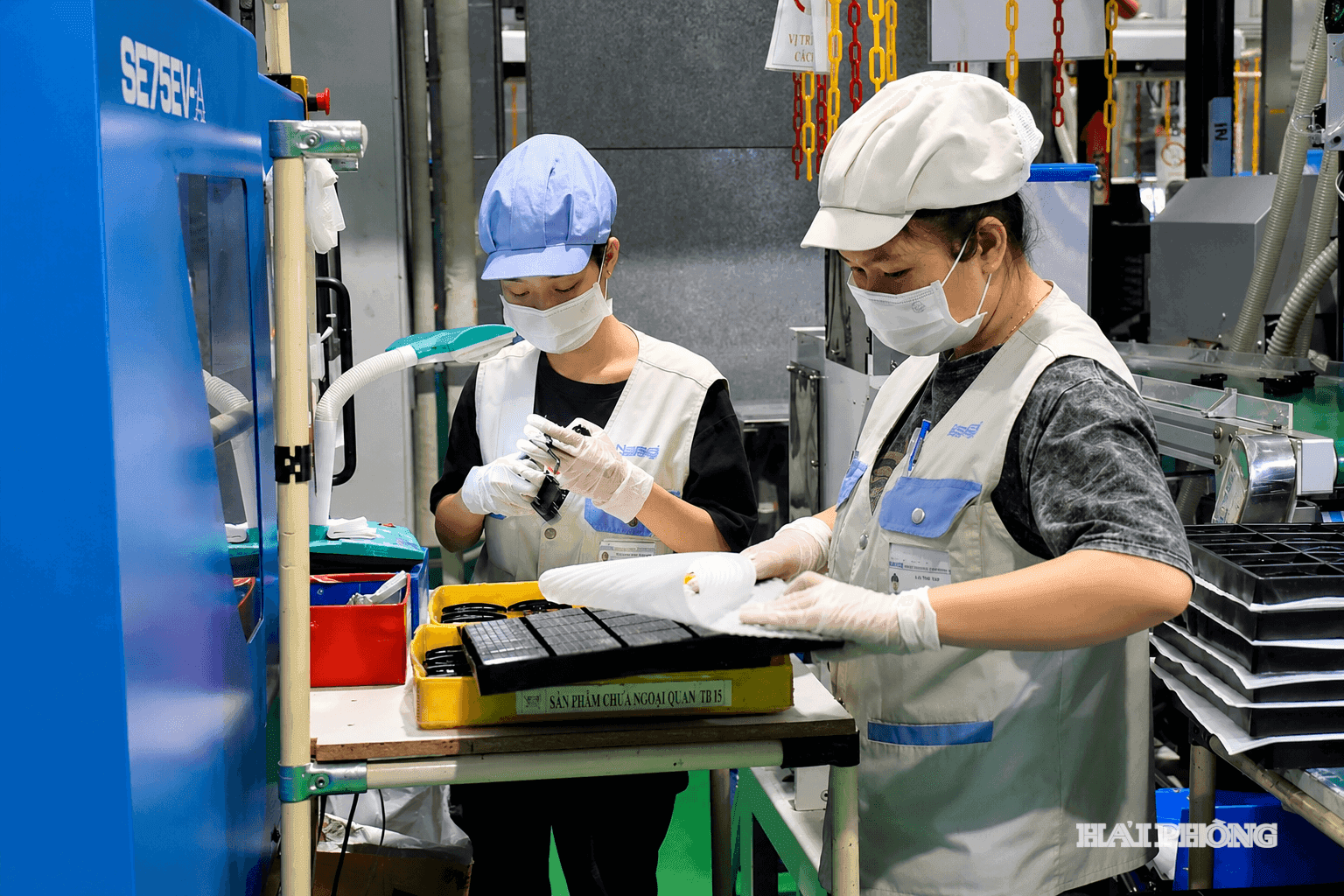
At Nissei Vietnam Limited Company in Phuc Dien Industrial Park, Mao Dien Commune, the enterprise specializes in producing and assembling electronic parts, optical components and precision molds with nearly 1,000 employees. Technical innovation initiatives have become part of its corporate culture.
According to Mr. Ajikawa, Head of Operations at Nissei Vietnam Limited Company, supporting industry is not only producing components, but also mastering technology and meeting the strict standards of global supply chains. Investment in modern machinery must go hand in hand with investment in people.
Removing bottlenecks
Beside positive results, Hai Phong’s supporting industry still faces many difficulties. Most enterprises are small or medium-sized, while investment in this sector requires large capital, modern technology and a long payback period. Meeting international standards on governance, quality and digital transformation also remains a challenge for many businesses.
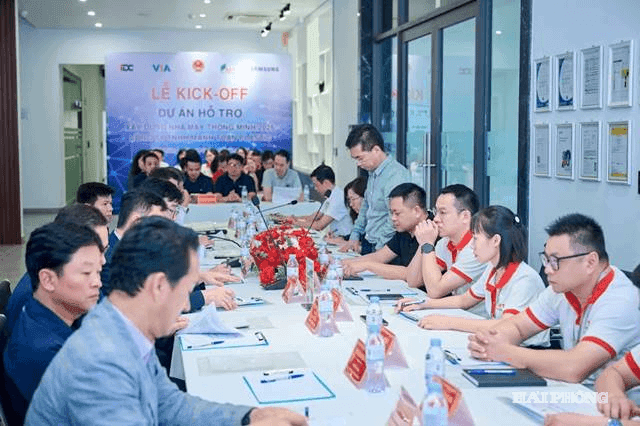
To remove these bottlenecks, the Department of Industry and Trade has recently rolled out a number of assistance programs for supporting industry development, including production improvement, digital transformation, supply-demand connectivity, trade promotion and facilitating business participation in consultancy programs run by multinational corporations.
As global supply chains continue to shift, developing supporting industries will not only help enterprises improve competitiveness but also raise localization rates. It is also a foundation for Hai Phong to further affirm its position as the country’s industrial center.
Hai Phong News