
.jpg "Digital-savvy farmers open new opportunities for experiential tourism")

Gửi bình luận
Hai Phong is focusing on developing a tourism ecosystem by connecting modern destinations to encourage longer stays.
From higher visitor numbers to higher value
By the end of July 2026, Hai Phong had welcomed more than 11.01 million visitors, up 17% year on year and reaching 67.3% of its annual target, including more than 10.25 million domestic tourists and 760,009 international arrivals. Total tourism revenue reached approximately VND 13.17 trillion.
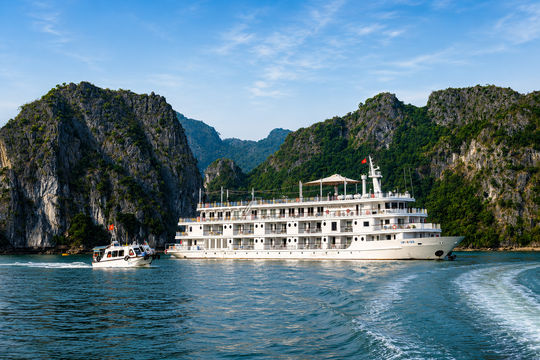
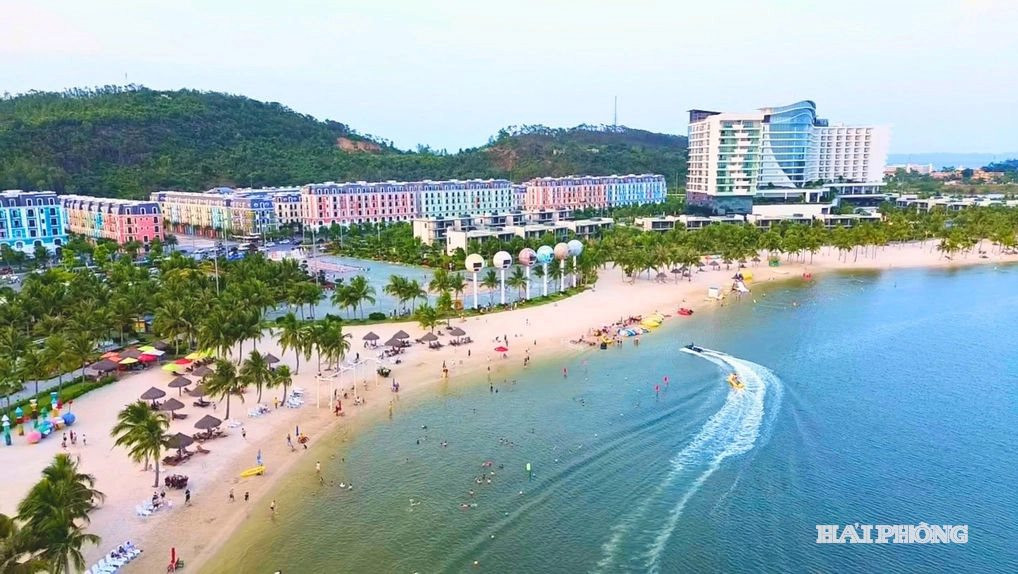
The city is well positioned for a new phase of tourism development with the emergence of large-scale integrated resorts, entertainment complexes, sports facilities, commercial centers, and accommodation projects, including Dragon Ocean Do Son, Vu Yen Tourism Area, and the Flamingo Cat Ba Luxury Resort Complex.
Combined with its strengths in coastal and island tourism, heritage, history, culture, cuisine, and urban spaces, Hai Phong’s expanded tourism area following the administrative merger creates opportunities to connect eastern marine tourism with western cultural, spiritual, and traditional craft village experiences, forming a diverse tourism ecosystem.
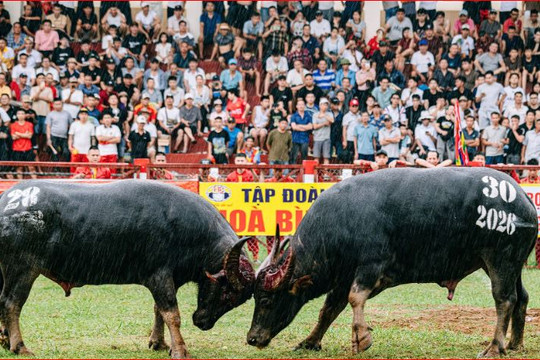
Modern destinations, when combined with signature tourism products, are expected to help solve the challenge of encouraging visitors to stay longer in Hai Phong. According to Le Quoc Tien, Secretary of the Do Son Ward Party Committee, the locality plans to integrate attractions such as Dragon Hill, Hon Dau Resort, and its beaches with historical sites, festivals, and cultural landmarks including Ben Nghieng Wharf, K15 Wharf, Tuong Long Tower, the Do Son Buffalo Fighting Festival, and the Dao Dau Festival.
In the coming years, Do Son will expand entertainment and night-time economy products, improve service quality, and shift its focus from increasing visitor numbers to generating greater value from each visitor.
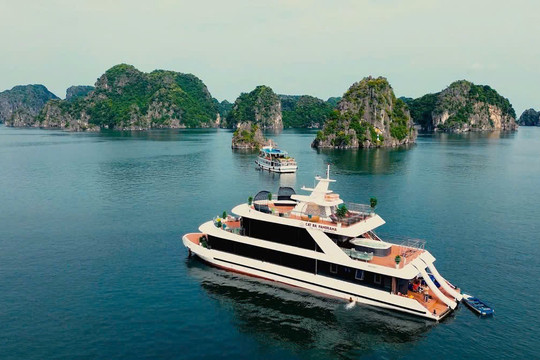
Cat Ba also demonstrates the potential of this development model. According to Pham Tri Tuyen, Head of the Culture and Society Division of Cat Hai Special Zone, the locality aims to diversify tourism products through eco-tourism, luxury resorts, nature-based experiences, community-based tourism, and indigenous culture, while improving service quality and infrastructure to build Cat Ba into a green, safe, civilized, and internationally recognized destination.
Turning advantages into growth momentum
.jpg)
Hai Phong aims to welcome 25 million visitors by 2030, including 3 million international tourists, while generating VND 50 trillion in tourism revenue and contributing around 5% of the city’s GRDP. Looking further ahead, tourism is expected to contribute more than 10% of GRDP by 2045.
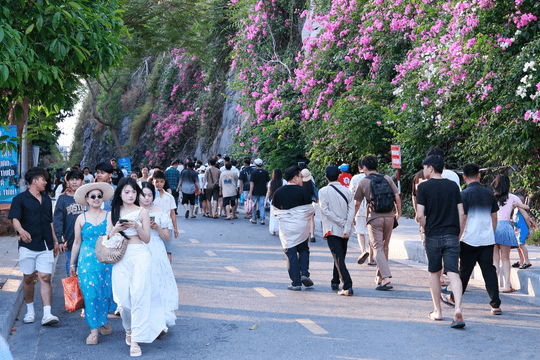
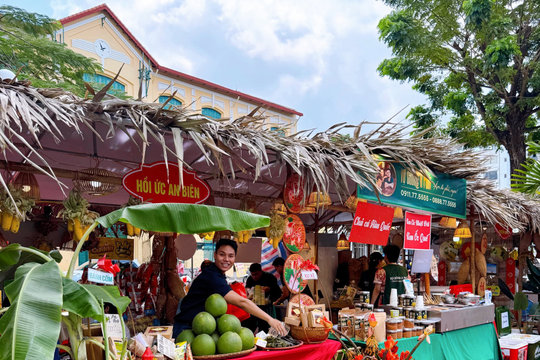
Tourism infrastructure is currently viewed as a direct driver of growth. Equally important is the development of distinctive tourism product chains capable of retaining visitors and increasing spending. Hai Phong’s food tours, the Red Flamboyant train, night tours, and cultural and culinary experiences have already demonstrated the city’s unique appeal. The next challenge is to connect these individual products into complete travel itineraries rather than standalone attractions.
With domestic visitors still accounting for about 93% of total arrivals, Hai Phong sees significant potential in the international market. The tourism sector will continue expanding air, road, and sea connectivity while carrying out targeted promotion in markets suited to coastal, island, resort, and heritage tourism.
The night-time economy is also expected to become an important component of the city’s tourism offering by increasing visitor spending. The central flower garden and City Opera House pedestrian street, scheduled to open later this August, is expected to add new spaces for commerce, services, and entertainment, helping extend visitors’ length of stay.
Tran Van Ngoc, Deputy Director of the Hai Phong Department of Culture, Sports and Tourism, said the sector is working with businesses to renew signature tourism products, accelerate digital and green transformation, improve service quality, and strengthen links between destinations.
As visitors stay longer and enjoy more experiences, services, and spending opportunities, the economic value created will spread across accommodation, transport, commerce, cuisine, culture, and other service industries.
From there, tourism can shift from growth in visitor numbers to growth in quality, generating greater added value and making a more substantive contribution to the economy, thereby helping achieve the target of GRDP growth of 13% or higher annually set out in Resolution No. 11-NQ/TU.
HAI VAN